What Is the Best Carb to Eat to Lose Belly Fat? A Nutritionist's Answer
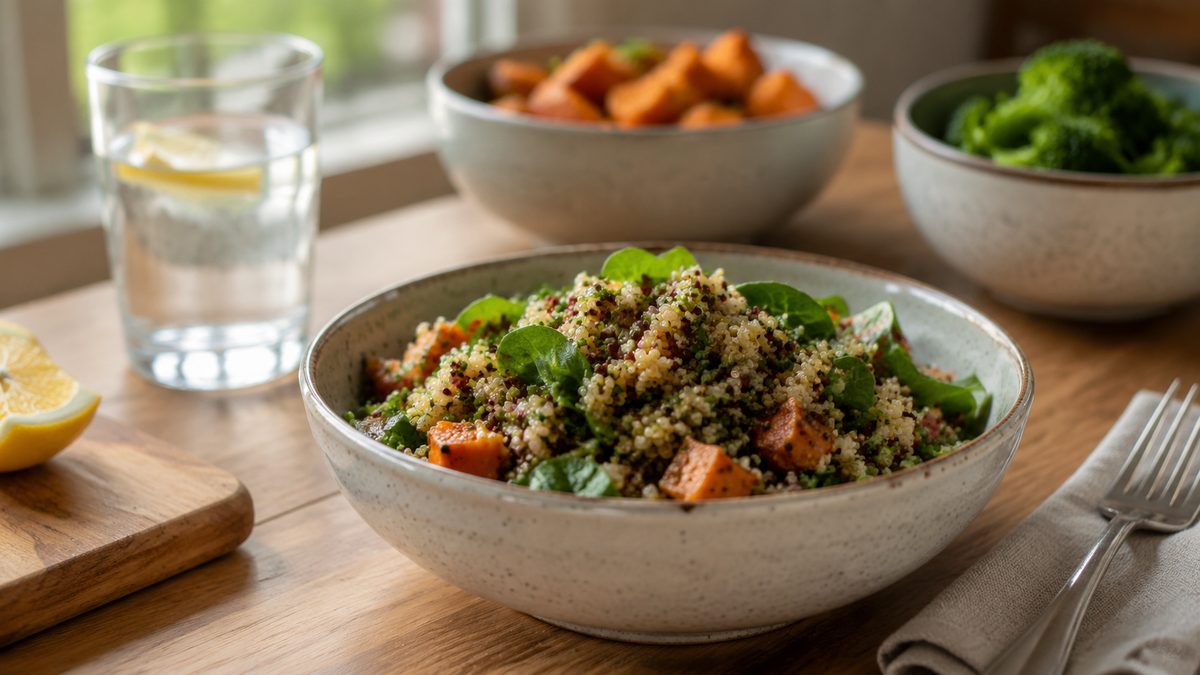
The best carb to eat to lose belly fat is a high-fibre, low-glycaemic carbohydrate. Think oats, legumes, sweet potato, and whole fruit. These carbs digest slowly, keep blood sugar stable, and reduce the insulin spikes that drive fat storage around the abdomen. That said, no single carb melts belly fat on its own. What matters most is overall calorie intake and carb quality, not carb elimination.
When I work with clients on fat loss, the first thing I check is not how many carbs they eat. It is which carbs they eat and when. That one shift, swapping refined carbs for high-fibre whole-food carbs, consistently moves the needle on waist measurements faster than almost any other dietary change. personalised plan
Why Carb Quality Affects Belly Fat Specifically
Visceral fat, the fat packed deep around your organs in the abdominal area, is metabolically different from the fat you can pinch on your arms or thighs. It responds strongly to insulin. Every time blood sugar spikes, insulin rises. Chronically high insulin tells the body to store fat, and visceral fat cells are especially sensitive to this signal.
refined carbs, white bread, sugary drinks, processed cereals, digest fast. They flood the bloodstream with glucose. Insulin spikes. Fat storage switches on.
High-fibre carbs do the opposite. They slow glucose absorption. Insulin stays lower. The body spends more time burning fat than storing it.
Research confirms that losing body fat overall does reduce visceral fat, and that lifestyle-driven fat loss produces lasting cardiometabolic improvements. The carbs you choose determine how easy or hard that overall fat loss becomes.
The Best Carbs to Eat to Lose Belly Fat
These are the carbs I recommend most often because they are filling, affordable, and consistently supported by evidence.
- Oats: High in beta-glucan fibre, which blunts post-meal blood sugar rise and keeps you full for hours. One of my clients switched her breakfast from toast to oats and dropped 4cm off her waist in six weeks without changing anything else.
- Legumes (lentils, chickpeas, black beans): High protein, high fibre, low glycaemic index. They digest slowly and feed the gut bacteria that reduce inflammation linked to visceral fat accumulation.
- Sweet potato: More fibre and a lower glycaemic response than white potato. Satisfying and nutrient-dense.
- Whole fruit: The fibre in whole fruit slows the absorption of its natural sugars. An apple is not the same as apple juice. The juice spikes insulin. The whole apple barely moves it.
- Barley and quinoa: Both have lower glycaemic loads than white rice or white pasta and provide more fibre per serving.
Which Carbs Should You Avoid to Lose Belly Fat?
The carbs most strongly linked to visceral fat gain are the ones that spike blood sugar fast and provide little fibre or nutrition in return.
- White bread and white rice (eaten alone in large portions)
- Sugary drinks, including fruit juice and sports drinks
- Packaged breakfast cereals with added sugar
- Biscuits, pastries, and cakes
- Flavoured yoghurts with high sugar content
I am not saying never eat these. I am saying they should not be the foundation of your daily carb intake if losing belly fat is your goal. One of my clients was drinking two glasses of orange juice every morning, thinking it was healthy. That was roughly 45g of fast-digesting sugar before 8am. Cutting just that one thing helped her lose 2kg in a month.
What Kills Belly Fat Naturally?
Four things consistently reduce visceral fat without surgery or medication.
1. A calorie deficit with high-protein, high-fibre eating. Fat loss anywhere in the body requires burning more energy than you consume. Protein preserves muscle during the deficit. Fibre keeps hunger low. Research shows visceral fat decreases as a proportional component of total fat loss during sustained weight loss.
2. Strength training. Muscle tissue is metabolically active. More muscle means higher resting calorie burn. Resistance training specifically reduces visceral fat even when total body weight does not change dramatically.
3. Sleep. Poor sleep raises cortisol. Cortisol drives visceral fat storage. Seven to nine hours is not optional for fat loss. In my experience, clients who sleep poorly lose fat at roughly half the rate of clients who sleep well, even on identical eating plans.
4. Stress reduction. Chronic stress keeps cortisol elevated. Cortisol tells the body to store energy centrally, around the abdomen. Managing stress is not a soft add-on. It is a core fat loss tool.
How to Lose Belly Fat in 2 Weeks
Two weeks is enough time to see real, measurable change in waist circumference. It is not enough time to lose all your visceral fat. Here is what two weeks of focused effort actually looks like.
In the first week, the biggest driver of visible change is water retention. When you cut refined carbs and processed foods, your body releases water that was stored alongside glycogen. This is real waist reduction, even if some of it is not purely fat loss.
In week two, if you are in a consistent calorie deficit of roughly 500 calories per day, you can expect to lose around 0.5kg of actual fat. Visceral fat reduces proportionally as total fat decreases.
For two focused weeks, the actions that move the needle fastest are:
- Cut all sugary drinks completely, including juice
- Replace refined carbs with legumes, oats, and sweet potato
- Eat 1.6 to 2.0g of protein per kg of bodyweight daily
- Walk 8,000 to 10,000 steps per day
- Prioritise seven to eight hours of sleep each night
I have seen clients lose 3 to 5cm off their waist in two weeks following these exact steps. The majority of that initial reduction is water and inflammation. The fat loss that follows is slower but consistent.
What to Eat for a Flat Stomach in 3 Days
Three days will not remove fat. It will reduce bloating and water retention, which visually flattens the stomach. Here is what actually works.
Cut gas-producing foods: cruciferous vegetables like broccoli and cauliflower in large amounts, carbonated drinks, chewing gum, and eating too fast. These cause trapped gas that distends the abdomen.
Cut sodium. High sodium causes water retention. Most of this water sits in the midsection. Eating whole foods instead of packaged foods for three days reduces sodium intake dramatically.
Focus these three days on:
- Plain oats or eggs at breakfast
- Grilled protein with cooked vegetables and rice or sweet potato at lunch and dinner
- Water, herbal tea, and black coffee as your only drinks
One of my clients did this before a wedding and lost 4cm off her waist in 72 hours. She had not changed her underlying fat level at all. She had just removed bloating and water. But the visual result was significant.
What Most Articles Get Wrong About Carbs and Belly Fat
Here are three things you rarely read about this topic, but they matter.
1. Subcutaneous fat is actually harder to lose than visceral fat. Most people assume the pinchable fat on their belly is the dangerous stuff and that it will go first. It does not. Visceral fat, the deeper fat around your organs, responds faster to diet and exercise than subcutaneous fat. So even if you do not see immediate surface changes, the more dangerous fat is likely reducing first. That is a meaningful win even when the mirror does not show it yet.
2. Removing carbs entirely often backfires. Very low carb diets reduce hunger initially, but many people rebound hard. When I tried a strict ketogenic diet with one of my clients who had lost 15kg on it previously, he regained all of it within eight months of reintroducing carbs because he had no strategy for eating them sustainably. Learning which carbs to eat, not eliminating carbs, builds a habit that sticks.
3. Long-term lifestyle change shrinks visceral fat for years, not just weeks. A 10-year follow-up study found that participants who maintained lifestyle-driven weight loss sustained significant reductions in visceral fat a decade after their intervention. The short-term results are real. The long-term results are what matter for health.
Frequently Asked Questions
Can I eat carbs and still lose belly fat?
Yes. The type and amount of carbs matters more than cutting them out entirely. High-fibre, low-glycaemic carbs eaten within a calorie deficit support consistent fat loss including from the abdomen.
Is rice bad for belly fat?
White rice eaten in large portions with no fibre or protein alongside it can spike blood sugar. But a moderate serving of rice with vegetables and protein is not a fat loss blocker. Context and portion size matter more than the rice itself.
Does eating carbs at night cause belly fat?
Timing is less important than total daily intake. If your total calories and carb quality are on track, eating carbs at dinner does not cause preferential belly fat storage. That said, many people find a lighter, lower-carb dinner reduces next-morning bloating.
How long does it take to lose belly fat with diet alone?
With a consistent 500-calorie daily deficit and high-quality carbs, most people see measurable waist reduction within four to six weeks. Significant visceral fat loss typically takes three to six months of sustained effort.
Is fruit bad for losing belly fat?
Whole fruit is not. The fibre in whole fruit slows sugar absorption significantly. Fruit juice, dried fruit, and fruit-based smoothies without fibre behave more like refined carbs and should be limited.
Your Action Points
Start with these three changes. Each one is small enough to do this week and significant enough to produce results within 30 days.
- Swap one refined carb meal per day. Replace white bread, sugary cereal, or white rice with oats, legumes, or sweet potato. Just one meal to start.
- Cut all liquid sugar. Remove juice, soft drinks, and sweetened coffees completely. Replace with water, sparkling water, or black coffee. This single change eliminates one of the biggest drivers of visceral fat accumulation.
- Add protein to every carb meal. Protein slows digestion, blunts the blood sugar spike from carbs, and keeps you full. Eggs, Greek yoghurt, chicken, legumes, or fish alongside your carb source changes how your body responds to that meal.
If you want a personalised plan built around your specific goals and current diet, the team at Paramount Health works with clients on exactly this. Real food, sustainable habits, measurable results.Sources

What snack is filling but not fattening?
Read article →
What can I eat that will fill me up but is healthy?
Read article →
How to reduce MS symptoms?
Read article →
Can fasting help autoimmune disorders?
Read article →
Does fasting help male fertility?
Read article →