Can Fasting Affect a PSA Test? What You Actually Need to Know Before Your Blood Draw
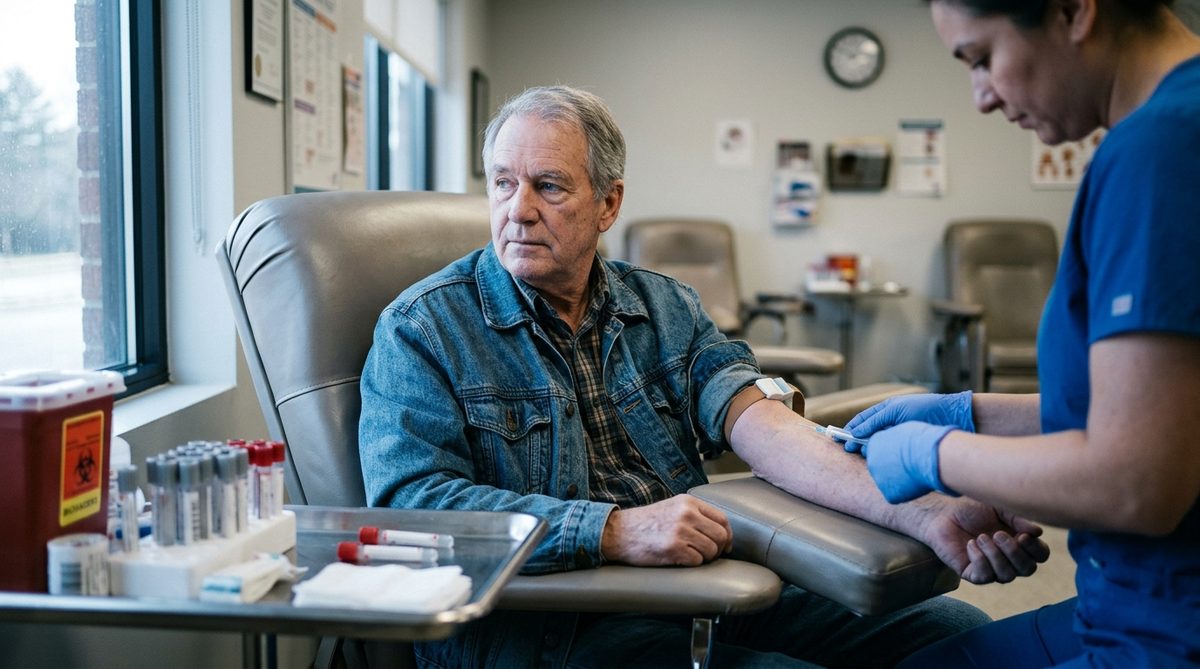
No. You don't need to fast before a PSA test. PSA (prostate-specific antigen) is a protein made by prostate tissue. It doesn't spike or drop based on what you ate for breakfast.
Unlike glucose or triglycerides, it's not a metabolic marker that reacts to food. Clinical guidelines from the American Urological Association and the European Association of Urology don't require fasting before this test. Eat normally, drink your coffee, show up.
What does move your PSA numbers has nothing to do with food. There are specific physical and medical triggers that can push levels up or down in ways that genuinely confuse results. Those are worth knowing before you walk into the lab.
Why PSA Doesn't Care What You Ate
PSA reflects prostate activity, not digestion. Your prostate gland releases this protein into the bloodstream at a rate determined by prostate size, inflammation, or abnormal cell growth. A meal doesn't touch that process.
Compare that to a fasting glucose test, where eating a bowl of oats two hours before will genuinely change your reading. Or a lipid panel, where a fatty meal the night before can raise your triglyceride result. Those markers sit inside metabolic pathways that food directly feeds into. PSA doesn't. clinical guidelines from the American Urological Association and the European Association of Urology
One study looked at the relationship between serum PSA levels and fasting glucose, total cholesterol, and other metabolic markers in men aged 50 to 70 without prostate cancer. PSA had no meaningful connection to fasting glucose or cholesterol levels. That's useful because it tells you the two systems work independently. Your prostate isn't reading your lunch order.
What Not to Do Before a Prostate PSA Test
This is where it gets practical. Several things that aren't food-related can push your PSA up enough to trigger an unnecessary biopsy or follow-up. Knowing what to avoid matters far more than skipping breakfast.
Ejaculation in the 48 Hours Before
Sexual activity can temporarily raise PSA levels. The prostate is mechanically involved, and physical stimulation causes a short-term spike. Most guidelines recommend abstaining for 48 hours before the draw. I've seen men get repeat tests purely because they didn't know this.
Hard Cycling or Intense Perineal Pressure
A long bike ride the morning of your test is a problem. Pressure on the perineum from cycling compresses the prostate and can push PSA upward. Avoid hard riding for at least 24 hours before. Jogging or swimming is fine.
Digital Rectal Exam Right Before the Blood Draw
If your doctor does a DRE and then immediately draws blood for PSA, that sequence can raise the result. The physical pressure of the exam disturbs prostate tissue. The blood draw should come first, or the DRE should be done at a separate appointment.
Recent Prostate Procedures
A prostate biopsy, cystoscopy, or even a urinary catheter insertion can cause a dramatic and prolonged PSA rise. If you've had any of these, wait at least four to six weeks before testing.
Active Urinary Tract Infection
An infection in the urinary tract or prostate causes inflammation, and inflammation raises PSA. If you have UTI symptoms, get that treated and cleared before testing. Testing through an active infection gives you a number that doesn't reflect your baseline.
When Is the Best Time of Day to Get a PSA Blood Test?
Morning is better. PSA levels show slight variation throughout the day, meaning they tend to be marginally higher in the afternoon. The difference isn't huge, but if you're tracking PSA over time, consistency matters more than any single reading. Going at roughly the same time of day for each test removes one source of variation.
There's also a practical reason: you're less likely to have done heavy physical activity, and the 48-hour ejaculation window from the night before is comfortably behind you.
When I talk to clients about this, the advice is simple. Book a morning appointment. Go fasted if it's easy, not because it helps the PSA result, but because morning blood draws often include other panels like glucose or cholesterol where fasting does matter. One trip, multiple tests, all valid.
What Can Falsely Lower PSA Levels?
Most men worry about a falsely high result triggering an unnecessary procedure. But a falsely low result is the more dangerous problem. It can give you false reassurance when something real is developing.
Obesity
A large analysis of 14,486 men found that obesity was inversely associated with PSA levels. Heavier men tend to have lower PSA readings even when prostate disease is present. The leading explanation involves blood volume dilution. A larger body has more circulating blood, which dilutes the concentration of PSA even when the prostate is producing normal or elevated amounts.
This means obese men may have clinically significant prostate changes that don't show up clearly on standard PSA thresholds.
Diabetes and Diabetes Medications
The same analysis found that diabetic men on medication showed significantly lower PSA levels compared to men without diabetes. The mechanism isn't fully settled, but insulin-related pathways appear to influence PSA secretion. If you have type 2 diabetes and you're being screened for prostate cancer, your doctor should factor this in.
A PSA of 2.5 in a diabetic man may carry different clinical weight than in a metabolically healthy man.
5-Alpha Reductase Inhibitors
Medications like finasteride and dutasteride, used to treat benign prostatic hyperplasia, cut PSA levels roughly in half. This is a known and significant effect. If you're on these medications and haven't told your doctor, your result needs to be interpreted differently. The clinical workaround is to double the reported PSA to estimate your true baseline.
Herbal Supplements
Some supplements, including high-dose saw palmetto, may suppress PSA. The evidence isn't conclusive, but if you're taking anything regularly, tell your doctor before the test.
How Fast Can Your PSA Level Rise?
PSA velocity, the rate of change over time, is a meaningful clinical signal. A rise of more than 0.75 ng/mL per year in men with PSA under 4.0 ng/mL is considered significant by many urologists. A jump of more than 2.0 ng/mL in the year before diagnosis has been associated with aggressive prostate cancer in research settings.
Context matters though. A rapid rise after a UTI, a recent catheter, or an episode of prostatitis doesn't carry the same meaning as a steady year-on-year climb without any of those triggers. One of my clients came in alarmed after his PSA jumped from 1.8 to 4.1 in six months. We traced it back to an untreated prostate infection he'd had over that period. Treated the infection, retested eight weeks later, and his PSA had dropped back to 2.2.
That's just one case, but it's a good example of why a single high reading never tells the whole story. What you want to track is the trend across multiple readings, taken under consistent conditions, over two or more years. A single number is a snapshot. The pattern is the story.
The One Thing Most Articles Get Wrong About PSA and Diet
Most content on this topic either says fasting doesn't matter and stops there, or it drifts into long-term dietary advice about lycopene and red meat. Both miss the practical point.
The real issue isn't what you ate in the last eight hours. It's the chronic metabolic conditions that change how PSA behaves across months and years. Obesity and diabetes don't just affect one test result. They systematically shift PSA baselines in ways that can mask real prostate problems.
A man who is obese and diabetic may have a PSA of 2.0 when his actual prostate burden warrants a PSA of 4.5. Standard thresholds weren't calibrated for that population. This is a genuine gap in how PSA screening is communicated to patients. The conversation tends to be about single-result interpretation rather than metabolic context.
Does Benign Prostatic Hyperplasia Affect PSA?
Yes, significantly. BPH is a non-cancerous enlargement of the prostate that's common in men over 50. A larger prostate makes more PSA simply because there's more tissue. A man with significant BPH might have a PSA of 5 or 6 with no cancer present.
This is one reason why PSA alone isn't a diagnostic test. It's a screening tool that prompts further investigation, not a verdict. Prostate cancer screening with PSA works best when it's interpreted alongside prostate volume, the rate of PSA change, and free-to-total PSA ratio. Your doctor should be walking you through that context, not just reporting a number.
FAQ
Do I need to fast before a PSA blood test?
No. PSA is not affected by food or drink. You can eat and drink normally before the test. Fasting is not required by any major urology guideline.
Can drinking water affect my PSA result?
No. Hydration doesn't meaningfully alter PSA concentration in a way that affects clinical interpretation. Drink normally.
Should I tell my doctor about my medications before a PSA test?
Yes. Especially 5-alpha reductase inhibitors like finasteride or dutasteride. These medications cut PSA levels in half and must be accounted for when interpreting results.
How often should I get a PSA test?
It depends on your baseline and risk profile. Men with a PSA under 1.0 ng/mL at age 40 may only need retesting every few years. Men with higher baselines or a family history of prostate cancer may need annual monitoring. Discuss your specific interval with your doctor.
Can stress raise PSA?
The evidence is weak. Psychological stress alone isn't shown to significantly move PSA levels. Physical stress on the prostate from exercise or procedures is a different matter, and that does have an effect.
What PSA level should I be worried about?
The traditional threshold of 4.0 ng/mL as a cutoff for concern is outdated for many clinicians. PSA above 2.5 in younger men, or a rising trend over time, can warrant further investigation regardless of whether it crosses 4.0. Your age, prostate volume, and rate of change all factor in.
What to Do Before Your Next PSA Test
Book a morning appointment. Skip sex and ejaculation for 48 hours before. Avoid hard cycling or perineal pressure for 24 hours. Tell your doctor about any recent prostate procedures, active infections, or medications including finasteride or dutasteride.
If you're being tested for the first time, get a baseline early, ideally in your mid-40s if you have any family history of prostate cancer. The test is simple. Preparing for it correctly takes almost no effort. Getting that right means your result actually reflects what your prostate is doing rather than what you did that morning.Sources

What snack is filling but not fattening?
Read article →
What can I eat that will fill me up but is healthy?
Read article →
How to reduce MS symptoms?
Read article →
Can fasting help autoimmune disorders?
Read article →
Does fasting help male fertility?
Read article →