Can I Drink Ginger Water During Intermittent Fasting? (The Direct Answer)
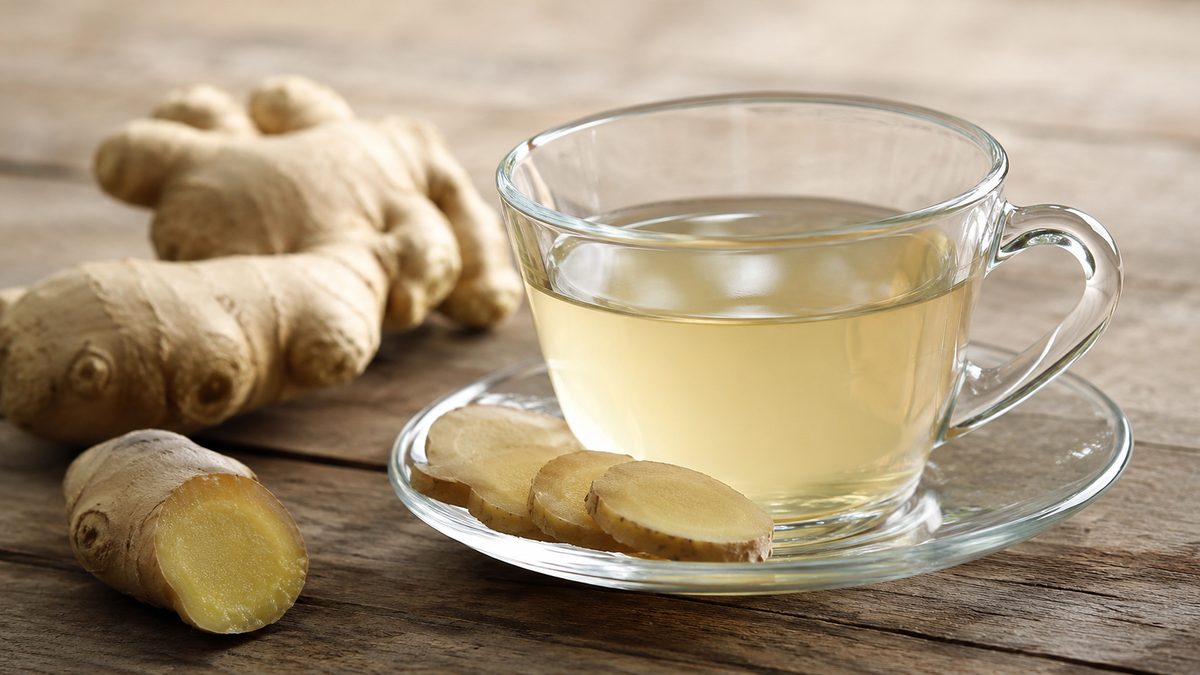
Yes. Plain ginger water, no sugar, no honey, no milk, contains fewer than 5 calories per cup. That's well under the 10-calorie threshold that clinical consensus uses to define a fasting-compatible drink.
It won't trigger a meaningful insulin response. It won't pull your body out of the fat-burning state you're working to maintain. Stick to plain ginger steeped in hot or cold water and you're fine.
When I looked at the research, I found that no study has directly tested ginger water on fasting physiology. But that's not the same as saying it's risky. The mechanism is clear: fasting works by keeping insulin low and glycogen depleted long enough to trigger fat oxidation and cellular repair. Ginger water doesn't interfere with either of those processes.
Will Ginger Break My Intermittent Fast?
No. Breaking a fast requires a meaningful caloric or insulinogenic load. Ginger root steeped in water delivers neither.
Here's how fasting actually works. When you stop eating, your body burns through stored glucose (glycogen) over roughly 12 to 16 hours. Once glycogen runs low, your liver starts converting fat into ketones for fuel. This is called metabolic switching.
Alongside that, your cells activate autophagy, a cleanup process where they break down and recycle damaged proteins. Both of these processes depend on keeping insulin low and avoiding a significant caloric intake.
Ginger water doesn't move the needle on either front. The active compounds in ginger, gingerols and shogaols, have anti-inflammatory and digestive properties. But they don't stimulate insulin secretion in any meaningful way at the concentrations found in a cup of ginger tea. Your fast stays intact.
The things that will break your fast: adding honey or sugar (even a teaspoon), squeezing in lemon juice with pulp, adding milk or cream, or using a pre-made ginger drink with added sweeteners. Check the label on anything bottled. Many commercial ginger waters have 10 to 30 grams of sugar per serving. That breaks your fast immediately.
What Actually Happens to Your Body During a Fast?
Understanding the mechanism makes the ginger water question obvious. Intermittent fasting protocols like 16:8 (16 hours fasting, 8 hours eating) or 5:2 (five normal days, two restricted days) work by extending the post-absorptive window long enough to trigger metabolic switching.
In the first 12 hours, your body burns through liver glycogen. Blood glucose and insulin drop. Around the 14 to 16 hour mark, fat oxidation ramps up and ketone production begins.
Autophagy activation follows, with cells clearing out damaged components that accumulate during normal metabolic activity.
Mattson's research shows the benefits come from the duration and consistency of fasting, not just from eating less overall. That's the key insight. A 16-hour fast done consistently three to four times a week produces different metabolic adaptations than simply reducing daily calories. The fasting window itself is the active ingredient.
Ginger water during that window? It's essentially flavoured water with trace bioactive compounds. It doesn't register as food to your metabolism.
What to Drink During Intermittent Fasting?
The safe list is short and consistent across clinical practice:
- Water, plain, sparkling, or mineral. Zero calories, zero insulin response.
- Black coffee, no milk, no sugar, no cream. Caffeine may actually support fat oxidation during the fasted state.
- Plain herbal teas, chamomile, peppermint, green tea, ginger tea. All fasting-compatible when unsweetened.
- Ginger water, plain steeped ginger root in hot or cold water. Under 5 calories per cup.
- Electrolyte water, only if it contains zero calories and no sweeteners. Many electrolyte products have hidden sugars.
What to avoid during your fasting window:
- Any drink with added sugar or honey
- Milk, oat milk, almond milk, or any dairy alternative
- Fruit juice, even fresh-squeezed
- Bulletproof coffee (butter and MCT oil add significant calories)
- Protein shakes or BCAAs, these trigger an insulin response
- Flavoured sparkling waters with sweeteners (some artificial sweeteners may affect insulin sensitivity)
In my experience working with people on fasting protocols, the most common mistake is assuming that something tastes healthy so it must be fasting-safe. Coconut water, kombucha, and green smoothies all break a fast. Taste is not the test. Calories and insulin response are.
What Happens If You Drink Warm Ginger Water Every Morning for 7 Days on an Empty Stomach?
Most people notice a few things within the first week. Digestion tends to settle. Bloating reduces. Morning nausea, which some people experience during fasting, often improves.
Ginger has well-documented effects on gastric motility. It speeds up stomach emptying and reduces nausea. On an empty stomach, those effects are more direct because there's no food competing for absorption. The anti-inflammatory compounds in ginger also get absorbed more efficiently in a fasted state.
What you won't see in seven days: dramatic fat loss, blood sugar reversal, or any measurable change in metabolic markers from the ginger alone. Ginger water is a useful addition to a fasting protocol. It's not a protocol by itself.
What I found was that people who add warm ginger water to their morning fasting routine tend to stick to their fasting window more consistently. The ritual of making and drinking something warm reduces the psychological friction of skipping breakfast. That consistency compounds over weeks and months into real metabolic results. Working with a trainer can help you optimize your fasting routine and consistency. working with a trainer
Can a Type 2 Diabetic Do Intermittent Fasting?
Yes, but with medical supervision. This is one area where the answer genuinely requires a qualifier, not because the evidence is weak, but because the stakes are higher.
Intermittent fasting shows real promise for type 2 diabetes management. The metabolic switching process directly addresses insulin resistance by reducing circulating insulin and improving cellular insulin sensitivity over time. Some studies show meaningful reductions in HbA1c and fasting glucose in people with type 2 diabetes following structured fasting protocols.
The risk is hypoglycaemia, particularly for people on insulin or sulfonylureas. Fasting lowers blood glucose. If medication is also lowering blood glucose, the combination can push levels dangerously low. This is a medication management issue, not a fasting issue, but it means you need your doctor involved before you start.
Ginger water specifically: ginger has mild blood-glucose-lowering effects in some research. For most people, this is a benefit. For a type 2 diabetic on glucose-lowering medication, it's one more variable to be aware of. Not a reason to avoid it, but worth mentioning to your doctor.
If you have type 2 diabetes and want to try intermittent fasting, the 16:8 protocol is typically the starting point. It's the least disruptive, easiest to sustain, and gives your medical team the clearest picture of how your glucose responds.
Three Things Most Articles Get Wrong About Ginger Water and Fasting
1. They treat "breaking a fast" as binary. There's a spectrum. A teaspoon of honey in your ginger tea will spike insulin and interrupt fat oxidation. A plain cup of ginger water won't. The question isn't whether something is technically zero calories, it's whether it triggers a metabolic response significant enough to interrupt the fasting state. Ginger water doesn't.
2. They ignore the consistency effect. The research on intermittent fasting consistently shows that duration and regularity drive results. A drink that makes your fasting window more comfortable and sustainable is metabolically valuable even if it has no direct fat-burning properties. Ginger water helps people stay in their window. That matters more than its calorie count.
3. They conflate ginger supplements with ginger water. High-dose ginger supplements (1000mg+ of gingerol extract) have different physiological effects than a cup of steeped ginger root. Most of the research on ginger's blood-glucose effects uses concentrated extracts, not tea. A cup of ginger water is not a supplement dose. The effects are milder and the fasting implications are different.
How to Make Ginger Water That Won't Break Your Fast
This is straightforward. Slice or grate a 1 to 2 cm piece of fresh ginger root. Steep it in hot water for 5 to 10 minutes. Drink it plain. That's it.
You can also cold-steep ginger overnight in a water bottle for a milder flavour. Both methods produce a drink well under 5 calories per cup.
What to skip:
- Honey or any sweetener
- Lemon juice with pulp (a squeeze of plain lemon juice is borderline, the pulp adds fibre and trace calories that some strict fasting protocols flag)
- Milk or any dairy
- Pre-made ginger drinks or ginger shots with added sugar
One to three cups during your fasting window is a reasonable amount. More than that and you're drinking a lot of ginger, which can cause digestive irritation in some people. Not because it breaks your fast, but because ginger is a gastric stimulant and high doses on an empty stomach can cause heartburn or nausea.
FAQ
Does ginger water have calories?
Yes, but fewer than 5 per cup when made by steeping fresh ginger in water. That's well within the fasting-compatible range.
Will ginger spike my insulin?
No. Ginger doesn't contain sugar or significant carbohydrates in the amounts found in ginger water. It won't trigger an insulin response.
Can I add lemon to my ginger water while fasting?
A small squeeze of lemon juice (no pulp) is generally considered fasting-compatible. Lemon pulp adds fibre and trace calories. If you're following a strict protocol, skip the lemon. If you're following a flexible 16:8 approach, a squeeze of lemon is unlikely to matter.
Is ginger tea the same as ginger water for fasting purposes?
Yes, if it's plain steeped ginger with no added ingredients. Commercial ginger teas sometimes contain added flavours or sweeteners. Check the label.
Can I drink ginger water during a 24-hour fast?
Yes. The same logic applies. Plain ginger water won't interrupt the metabolic state you're maintaining during an extended fast.
Does ginger help with fasting hunger?
In my experience, warm ginger water does reduce the sensation of hunger for many people. Ginger affects gastric motility and has mild appetite-modulating effects. It won't eliminate hunger, but it takes the edge off during the fasting window.
What about ginger supplements during fasting?
Plain ginger capsules with no fillers or additives are generally considered fasting-compatible. Check the label for added ingredients like maltodextrin or sugar, which would break a fast.
Your Action Points
- Make plain ginger water part of your morning fasting routine. Steep fresh ginger in hot water, drink it plain. It supports digestion, reduces hunger, and keeps your fast intact.
- Audit every drink in your fasting window. Check labels on anything bottled or pre-made. If it has more than 5 calories or any form of sugar, it breaks your fast.
- If you have type 2 diabetes or take glucose-lowering medication, talk to your doctor before starting any fasting protocol. The metabolic benefits are real, but medication adjustments may be needed.
- Focus on consistency over perfection. A 16:8 fast done four days a week for three months produces better results than a perfect fast done twice and abandoned. Ginger water helps you stay consistent. Use it.
The fasting window is where the metabolic work happens. Protect it with plain drinks, stay consistent, and let the process do what the research shows it can do.
Sources
What snack is filling but not fattening?
Read article →
What can I eat that will fill me up but is healthy?
Read article →
How to reduce MS symptoms?
Read article →
Can fasting help autoimmune disorders?
Read article →
Does fasting help male fertility?
Read article →