Can I Lose 5kg in 2 Weeks? What Actually Happens to Your Body

Technically yes, but most of it won't be fat. Losing 5kg in 2 weeks means cutting around 2,500 calories every single day. That's extreme.
In the first week, your body drops water and glycogen, which looks impressive on the scale. Real fat loss over that period is closer to 2, 3kg. The rest comes back the moment you eat normally again, and research shows it often comes back with extra.
If you have a deadline and need to move fast, there are smarter ways to approach this than crash dieting. But you need to know what you're actually doing to your body first.
What Does Losing 5kg in 2 Weeks Actually Require?
One kilogram of body fat holds roughly 7,700 calories. To lose 5kg of pure fat in 14 days, you'd need to burn 38,500 calories more than you eat. That's a daily deficit of about 2,750 calories.
Most adults burn between 1,800 and 2,500 calories a day just existing. To hit that deficit, you'd need to eat almost nothing while exercising heavily. That's not a diet. That's starvation with a gym membership.
What actually happens when people lose weight fast is different. The scale drops quickly in week one because your body burns through glycogen stores in your liver and muscles. Glycogen holds water, so when it goes, water goes with it. You can drop 1.5, 2kg in the first few days from this alone, without losing a gram of fat.
Is It Possible to Lose 4kg or 5kg in 2 Weeks?
Yes, the number on the scale can reach 4, 5kg down in two weeks. But the composition of that loss matters. You're looking at roughly:
- 1.5, 2kg from water and glycogen in the first few days
- 1.5, 2kg from actual fat if your deficit is aggressive
- 0.5, 1kg potentially from muscle, especially without adequate protein and resistance training
The fat loss is real. The water weight is not. It returns within days of eating carbohydrates again.
One study found no meaningful long-term difference between people who lost weight slowly versus rapidly. The speed of loss didn't predict who kept it off. What predicted success was what happened after the diet ended.
What's the Quickest Way to Lose 5kg?
If speed is the goal, combine a significant calorie deficit with high protein intake and resistance training. Here's why each piece matters.
Calorie Deficit
You cannot lose fat without one. There's no diet, supplement, or protocol that changes this. The question is how large to make it.
A deficit of 750, 1,000 calories per day produces roughly 0.75, 1kg of fat loss per week. That's aggressive but sustainable. Going beyond that starts costing you muscle and energy.
High Protein Intake
When you cut calories hard, your body looks for fuel anywhere it can find it, including muscle tissue. Eating 1.6, 2.2g of protein per kilogram of bodyweight daily gives your body a reason to preserve muscle.
It also keeps you fuller longer, which makes the deficit easier to maintain.
Resistance Training
Lifting weights while in a deficit signals your body to hold onto muscle. Cardio burns calories but doesn't send that signal.
In my experience, people who add two to three resistance sessions per week during a cut look significantly leaner at the same scale weight compared to those who only do cardio.
Reducing Sodium and Processed Food
High sodium intake causes water retention. Cutting processed food, takeaway, and added salt can drop 1, 2kg of water weight within a week. This is temporary, but it's real and it's fast.
How Do I Slim Down in 2 Weeks?
Two weeks is enough time to make a visible difference if you're consistent. Treat the two weeks as a structured phase, not a punishment.
Week 1 focus: Cut processed food, alcohol, and added sugar completely. Eat whole foods, lean protein at every meal, and vegetables. Drink 2, 3 litres of water daily. Walk 8,000, 10,000 steps. The scale will move fast here, mostly water, but the momentum is real.
Week 2 focus: Maintain the deficit but add two resistance training sessions. Keep protein high. Sleep 7, 8 hours. Poor sleep raises cortisol, which drives water retention and hunger. People who sleep well during a cut lose more fat and less muscle than those who don't.
By the end of two weeks, a realistic outcome is 2, 3kg of actual fat loss plus 1, 2kg of water weight reduction. That's a genuine change in how your body looks and feels.
Can I Lose 5kg in 15 Days Safely?
The honest answer is that 5kg in 15 days pushes past what most health guidelines consider safe. Clinical consensus puts safe fat loss at 0.5, 1kg per week. Even in breastfeeding women, where caloric restriction carries extra risk, research found that losing up to 1kg per week was safe when protein and micronutrients were adequate.
Going beyond that range raises specific risks:
- Muscle loss: Your body breaks down muscle for energy when the deficit is too large
- Nutrient deficiencies: Eating very little means eating very few vitamins and minerals
- Metabolic adaptation: Your body lowers its resting metabolic rate in response to severe restriction
- Rebound weight gain: Animal studies show that after aggressive dieting, weight often returns above the starting point, with mice overshooting their original weight by nearly 13% after just four weeks of normal eating
That last point is the one most people ignore. The diet ends. Normal eating resumes. And the weight comes back faster than it left.
The Part Most Articles Get Wrong About Fast Weight Loss
Most articles either tell you it's impossible or give you a 7-day meal plan without addressing what happens on day 15. That's where the real problem lives.
The transition out of a crash diet is more important than the diet itself. If you go from 800 calories a day back to 2,000 overnight, your body, which has adapted to running lean, stores the surplus aggressively. This is why yo-yo dieting happens. It's not a willpower failure. It's a physiological response to sudden refeeding after restriction.
What works instead is a planned exit. After two weeks of aggressive cutting, increase calories by 100, 150 per week over four to six weeks. Add back carbohydrates gradually. Keep resistance training. This gives your metabolism time to readjust without triggering the rebound response.
Another thing most articles miss: the scale is a terrible two-week measure. Hormonal fluctuations, bowel movements, sodium intake, and hydration can swing your weight by 1, 2kg in a single day. Weighing yourself daily and averaging the numbers over a week gives a far more accurate picture than any single morning weigh-in.
And the third thing that gets overlooked: two weeks of hard dieting followed by a return to old habits produces zero lasting change. The people who lose weight and keep it off don't treat it as a two-week project. They use the two weeks as a starting point and build from there.
When Should You See a Professional?
If you're considering a very low calorie diet, have more than 20kg to lose, have any metabolic condition like thyroid issues or insulin resistance, or have a history of disordered eating, working with a health professional isn't optional. It's the difference between results that last and a cycle that damages your metabolism over time.
Paramount Health can get you to your goal faster and more safely than any crash diet, because it accounts for your specific physiology rather than a generic calorie number.
FAQ
Can I lose 5kg in 2 weeks without exercise?
You can lose weight through diet alone, but you'll lose more muscle in the process. Exercise, especially resistance training, helps preserve muscle while you're in a deficit. Without it, a larger share of your weight loss comes from lean tissue rather than fat.
Will I gain the weight back after losing it fast?
Research suggests rapid weight regain is common after aggressive dieting. The key variable is how you transition out of the deficit. A gradual increase in calories over several weeks significantly reduces the rebound effect compared to returning to normal eating immediately.
Is losing 4kg in 2 weeks realistic?
Yes, 4kg in 2 weeks is achievable for most people, though a portion of that will be water weight rather than fat. Expect roughly 1.5, 2kg of actual fat loss alongside 1.5, 2kg of water and glycogen reduction.
What's the safest rate of weight loss?
Clinical guidelines consistently point to 0.5, 1kg per week as the range that preserves muscle, maintains energy, and produces lasting results. Faster than that is possible but carries increasing risk of muscle loss, nutrient deficiency, and rebound.
Does drinking more water help you lose weight faster?
Water doesn't burn fat, but it reduces water retention caused by high sodium intake, supports kidney function during a calorie deficit, and reduces hunger. Staying well hydrated makes a deficit easier to maintain and can reduce bloating noticeably within a few days.
What should I eat to lose weight fast in 2 weeks?
Lean protein at every meal (chicken, fish, eggs, Greek yoghurt), vegetables as the bulk of your plate, and limited processed carbohydrates and added sugar. This combination maximises satiety per calorie, preserves muscle, and reduces water retention from sodium.
What to Do Right Now
If you want to lose weight fast and keep it off, start with three things today. First, cut processed food, alcohol, and added sugar completely for the next two weeks. Second, eat a palm-sized portion of protein at every meal. Third, walk 8,000 steps daily and add two resistance training sessions per week.
That combination will move the scale, change how your body looks, and set you up to keep the weight off rather than bounce back. If you want a structured plan built around your specific body and goals, the team at Paramount Health can build one with you.
Sources

What snack is filling but not fattening?
Read article →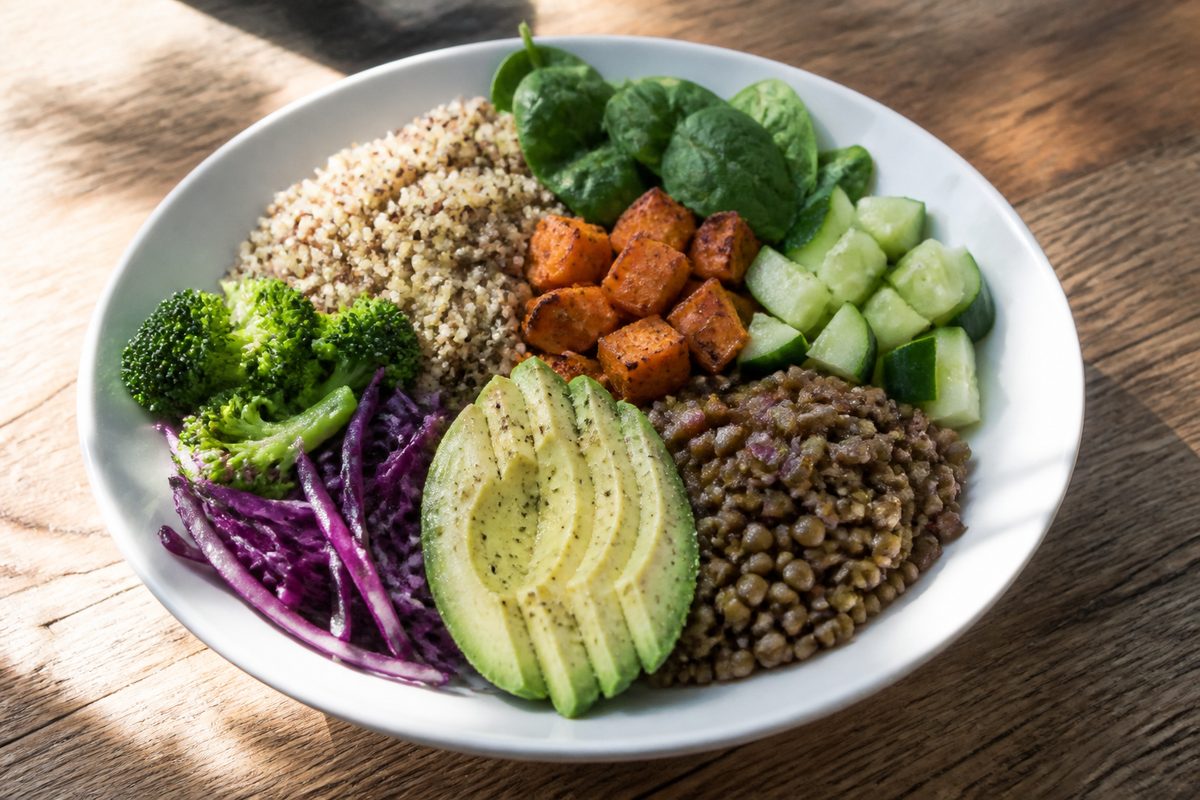
What can I eat that will fill me up but is healthy?
Read article →
How to reduce MS symptoms?
Read article →
Can fasting help autoimmune disorders?
Read article →
Does fasting help male fertility?
Read article →