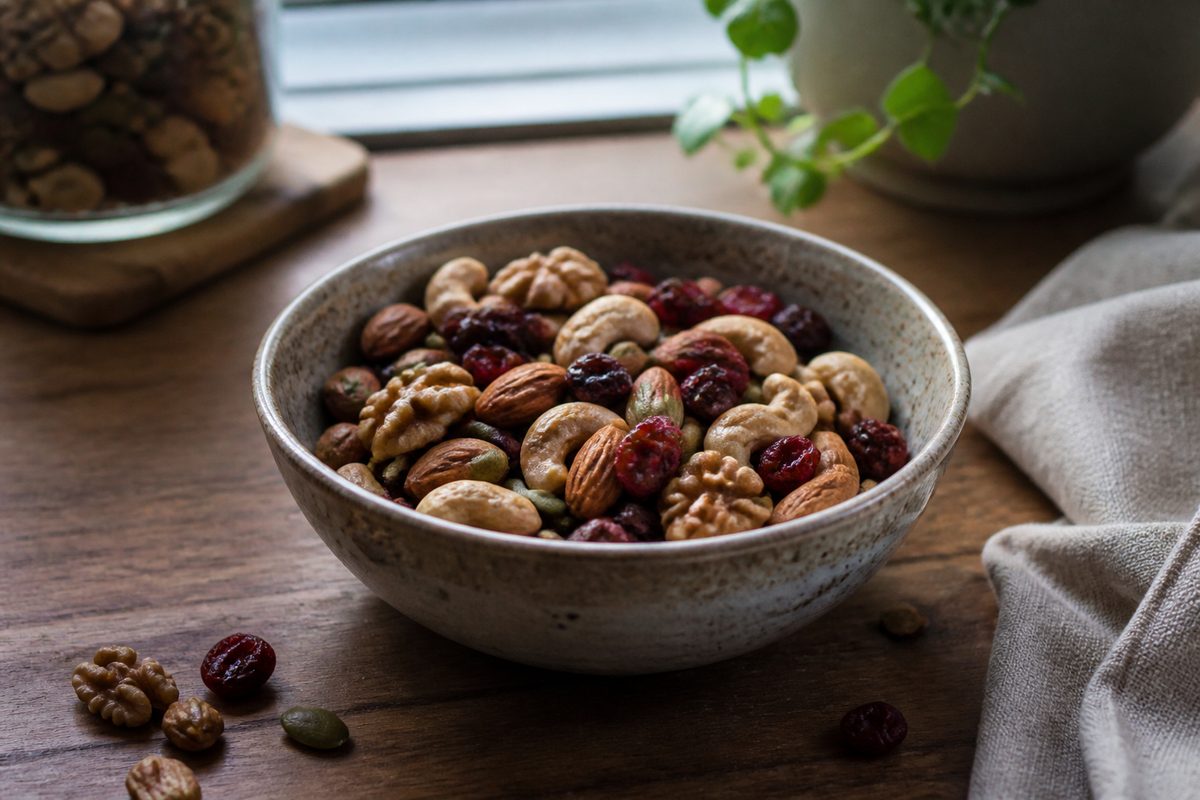
Do Carbs Trigger Dopamine? What's Really Happening in Your Brain
Yes, carbs trigger dopamine. But the mechanism is more interesting than most people realise, and understanding it changes how you approach cravings entirely.
This isn't about willpower. It's about brain chemistry. Paramount Health
Once you see how the system works, the cravings make complete sense.
How Do Carbs Actually Trigger Dopamine?
Carbohydrates raise blood glucose. That glucose spike triggers the release of insulin. Insulin clears most amino acids from the bloodstream, but it leaves tryptophan behind.
Tryptophan then crosses the blood-brain barrier, converts to serotonin, and serotonin feeds into the dopamine system.
But there's a faster pathway too.
The taste of something sweet activates dopamine receptors in the brain's reward system almost immediately. Before the food is even digested. This is why a single bite of something sugary can shift your mood before it hits your stomach.
When I work with clients on metabolic health, this is the part most of them have never heard. They thought cravings were about hunger. They weren't. They were chasing a dopamine hit.
What Foods Trigger the Biggest Dopamine Release?
ultra-processed foods win here. And it's not close.
Foods engineered with high sugar, high fat, and high salt produce a dopamine response that whole foods can't match. Think chocolate, chips, fast food, soft drinks. These are designed to hit multiple reward pathways at once.
whole carbohydrates like oats, sweet potato, and fruit do trigger dopamine, but the response is smaller and slower. The blood sugar rise is more gradual, so the dopamine curve is gentler too.
Here's what most articles miss: protein is actually a stronger dopamine precursor than carbs. Tyrosine and phenylalanine, found in meat, eggs, and dairy, are the direct building blocks of dopamine. Carbs support this process by helping those amino acids cross into the brain. They work together.
One of my clients cut carbs completely thinking it would fix her mood. What happened was the opposite. Her dopamine dropped, her mood tanked, and her cravings got worse.
When we brought complex carbs back in alongside quality protein, things stabilised within two weeks.
Why Do People With ADHD Crave Carbs So Much?
ADHD is fundamentally a dopamine regulation problem. The ADHD brain produces less dopamine and has fewer dopamine receptors, which means it's constantly running at a deficit.
Carbs are a fast, accessible way to bump dopamine. The brain learns this quickly. So when someone with ADHD reaches for pasta, bread, or sugar, they're not being undisciplined. They're self-medicating a real neurochemical shortage.
I've seen this pattern repeat across clients who come in for weight concerns and later get assessed for ADHD. The carb cravings were a symptom, not the root problem.
When ADHD is treated, either through medication, behavioural strategies, or both, the carb cravings usually reduce on their own. The brain is getting its dopamine through a better channel, so it stops screaming for the quick fix.
This is one of the most overlooked angles in nutrition. Most diet advice treats carb cravings as a willpower issue. For ADHD brains, it's a neurological one.
What Causes the Biggest Spike in Dopamine?
Drugs. Then sex. Then food. In that order, based on the research.
Within food, ultra-processed combinations cause the sharpest spikes. A plain rice cake barely registers. A chocolate-covered biscuit lights up the reward system like a pinball machine.
But here's what's worth knowing: dopamine spikes are followed by dopamine drops. The higher the spike, the lower the baseline afterwards. This is why binge eating leaves people feeling flat, not satisfied. The brain is compensating for the excess by pulling dopamine back down.
Exercise produces a more sustained dopamine lift without the crash. So does accomplishing a task, getting good sleep, and spending time in sunlight. These aren't as fast as eating a bag of chips, but they don't crater your baseline either.
Are Carb Cravings a Sign of Low Dopamine?
Often, yes.
When dopamine is chronically low, the brain hunts for ways to raise it. Carbs are one of the easiest targets because they're everywhere, they work fast, and they're socially acceptable. Nobody questions you for eating a sandwich.
Chronic stress depletes dopamine. Poor sleep depletes it. Sedentary living depletes it. A diet low in protein depletes it. Pile those up and carb cravings become almost inevitable because the brain is trying to correct an imbalance.
One thing that rarely gets mentioned: gut health plays a role here too. About 90% of serotonin is produced in the gut, and serotonin feeds back into dopamine regulation. A disrupted gut microbiome can impair this whole system.
Clients who fix their gut often report their carb cravings dropping without any intentional dietary restriction.
Does Modafinil Deplete Dopamine?
Modafinil works primarily on the dopamine transporter. It blocks reuptake, which means dopamine stays in the synapse longer, producing a more alert and focused state.
It doesn't deplete dopamine the way amphetamines do. Amphetamines force dopamine release and can genuinely run the system dry. Modafinil is more like slowing the drain than flooding the tap.
That said, any stimulant that elevates dopamine acutely can leave some people feeling flat when it wears off. This isn't depletion in the clinical sense. It's the baseline correction the brain makes after an elevated period.
If someone is using modafinil and noticing increased carb cravings afterward, this is a plausible mechanism. The dopamine system is trying to refill through diet. Supporting it with protein-rich meals and stable blood sugar throughout the day usually helps more than restricting carbs.
The Part Most People Get Wrong About Dopamine and Food
Most people think dopamine is the pleasure chemical. It's not. It's the anticipation chemical.
Dopamine spikes most strongly right before you eat, not while you're eating. It's the craving, the reaching, the opening of the wrapper. The act of eating produces more opioid activity than dopamine activity.
This matters because it explains why eating never fully satisfies a craving. You're chasing the anticipation, and the moment you get the food, the dopamine drops. So you want more.
When I tried cutting sugar for 30 days, the first week was genuinely uncomfortable. Not because my body needed sugar, but because the anticipation loop was breaking. By week three, the loop had reset, and the pull toward sweet foods was noticeably weaker. The brain had recalibrated.
This reset is real and it's achievable. But it takes longer than most people expect, around three to four weeks of consistency.
How to Support Dopamine Without Riding the Carb Spike
The goal isn't to eliminate carbs. It's to stop using them as your primary dopamine source.
Protein first at every meal. Tyrosine from chicken, eggs, fish, and red meat gives your brain the raw material it needs to make dopamine directly. Carbs then help deliver it. The combination works better than either alone.
Exercise is the most powerful non-food dopamine tool available. Thirty minutes of moderate cardio raises dopamine, norepinephrine, and serotonin simultaneously. My clients who add morning walks before changing their diet almost always report reduced cravings within a week, before any dietary shift.
Sleep is non-negotiable. Dopamine receptors regenerate during sleep. One bad night reduces receptor sensitivity the next day, which means you need more stimulation to feel the same response. This is when the carb cravings get loud.
Sunlight in the morning resets dopamine receptor sensitivity through its effect on circadian rhythm. Ten to twenty minutes outside before 10am makes a measurable difference for most people.
Frequently Asked Questions
Do all carbs trigger dopamine the same way?
No. Simple carbs like sugar and white bread cause a faster, sharper glucose spike and a stronger dopamine response. Complex carbs cause a slower, more gradual response.
The effect is real in both cases, but the intensity and duration differ significantly.
Can you become addicted to carbs because of dopamine?
The research on food addiction is still developing, but the dopamine mechanism is the same one involved in substance dependence. Repeated high-spike, high-drop cycles can reduce baseline dopamine and increase craving intensity over time.
Whether that counts as addiction is a clinical debate. The practical experience for many people feels very similar to one.
Why do I feel better after eating carbs when I'm stressed?
Stress raises cortisol, which suppresses dopamine and serotonin. Carbs temporarily reverse this. The relief you feel is real.
The problem is it's short-lived and the cortisol is still there when it wears off. Addressing the stress directly produces a longer-lasting result.
What foods trigger dopamine release beyond carbs?
Protein-rich foods are the strongest dietary dopamine support because they contain tyrosine and phenylalanine. Fermented foods support serotonin production through the gut. Dark chocolate contains phenylethylamine, which has a mild dopamine-like effect. Caffeine blocks adenosine receptors in a way that enhances dopamine signalling.
Do people with ADHD need more carbs?
Not necessarily more, but they do need stable blood sugar. Erratic glucose levels worsen dopamine fluctuations in ADHD brains. Regular meals with a balance of protein and complex carbs tend to smooth this out more than high-carb or low-carb extremes.
Is low dopamine why some diets fail?
Yes, this is underappreciated. Restrictive diets that remove carbs without replacing dopamine through other means often fail because the brain keeps seeking its missing reward signal.
A sustainable approach supports dopamine through food variety, exercise, sleep, and social connection, not just restriction.
What to Do Next
Carb cravings are your brain asking for dopamine. The question is whether carbs are the best way to answer that request.
Start with these four actions:
- Eat protein at breakfast. Eggs, Greek yoghurt, or a protein shake. This gives your dopamine system raw material before the cravings start.
- Walk outside in the morning. Twenty minutes before 10am. This alone shifts the dopamine baseline more than most dietary changes.
- Protect your sleep. Seven to nine hours. This is when your dopamine receptors recover. Cut sleep and everything else is harder.
- If carb cravings feel uncontrollable, consider an ADHD assessment. The carb-dopamine connection is especially strong in undiagnosed ADHD. Treating the root cause changes the equation entirely.
If you want support building a nutrition plan that works with your brain chemistry rather than against it, the team at Paramount Health can help. The approach starts with understanding what's actually driving the pattern, then building from there.
What snack is filling but not fattening?
Read article →
What can I eat that will fill me up but is healthy?
Read article →
How to reduce MS symptoms?
Read article →
Can fasting help autoimmune disorders?
Read article →
Does fasting help male fertility?
Read article →