Does fasting help male fertility?

Fasting may support male fertility when it helps improve excess weight and metabolic health, but fasting itself hasn't been proven to boost fertility. The outcome depends on whether the eating pattern lets a man meet his energy and nutrient needs. A mild fasting plan may help someone who carries excess body fat or has poor blood sugar control.
But long fasts, fast weight loss, or too little food may weaken the signals needed to make healthy sperm.
The main idea is simple. Male fertility responds more to overall health and steady nutrition than to the number of hours spent without food. Intermittent fasting can be a useful eating schedule.
It isn't a direct fertility treatment.
What does fasting change in the male reproductive system?
Fasting changes when the body gets energy. During a fasting period, insulin falls and the body burns stored fuel. Over time, this can help some men lose weight and control their blood sugar. metabolic health
Those changes may support reproductive health if poor metabolic health was causing harm.
The testicles make sperm through Spermatogenesis, the process of creating new sperm cells. This long process needs brain signals, healthy testicular function, enough energy, and a steady flow of nutrients. A Hormone pathway connects the brain, pituitary gland, and testicles.
Signals along this pathway support testosterone production and sperm development.
Fasting can affect that pathway in opposite ways. A sensible plan that improves health may ease some strain on it. A severe energy shortage can push the brain to reduce reproductive signals.
The body sees a deep or lasting food shortage as a bad time to spend energy on reproduction.
This is where many articles miss the mark. A lower insulin reading during a fast doesn't prove better sperm production. A short rise or fall in one Hormone doesn't prove that the chance of conception has changed.
Fertility depends on the whole system working well over time.
When could a fasting schedule support sperm health?
A fasting schedule may help when excess body fat, insulin resistance, or poor food habits are part of the problem. Obesity is linked with lower testosterone, more heat around the testicles, inflammation, and greater oxidative stress. Each factor may affect sperm count, movement, shape, or DNA quality.
If Intermittent fasting creates a small energy gap and leads to slow fat loss, those risks may improve. The benefit comes from the health change, not an empty stomach. A man who reaches the same weight and food quality through regular meal times may get a similar benefit.
Meal timing can also cut late-night eating, alcohol intake, and constant snacking. For some men, a set eating window makes healthy choices easier. For others, it brings intense hunger, followed by huge meals and poor food choices.
The better plan is the one that builds steady habits without too little food.
Picture a man with a high waist size who drinks beer and eats takeaway late at night. He starts a moderate eating window, stops eating after dinner, and swaps the late meal for sleep. His weight and blood sugar improve over several months.
Any gain in reproductive health would likely come from less body fat, better sleep, lower alcohol intake, and better food quality working together.
When can fasting work against fertility?
Fasting can hurt fertility when it turns into long-term under-fuelling. Calorie restriction that goes too far may lower testosterone and upset the signals involved in sperm production. Fast weight loss can also make it hard to get enough protein, essential fats, vitamins, and minerals.
The risk grows with long fasts, repeated multi-day fasts, very low calorie diets, hard training without enough food, or low body weight. Men who already have low testosterone, a low sperm count, or signs of poor nutrition have less room for error.
Watch for clear warning signs:
- Loss of sex drive
- Weak erections or fewer morning erections
- Constant fatigue, poor sleep, or feeling cold
- Fast or unplanned weight loss
- Lower gym performance and slow recovery
- Irritability or strong food cravings
These signs don't prove infertility. But they do show that the plan may be putting too much stress on the body. Making the fasting window longer is the wrong response.
Lean and active men need extra care. A schedule that helps a sedentary man with obesity may harm a runner who is already lean and has trouble eating enough. The fasting label may be the same, while the effect on energy is very different.
What does research actually tell us?
Human research hasn't shown that fasting is a reliable treatment for male infertility. Studies often use different fasting schedules, involve small groups, or measure weight and metabolic markers instead of pregnancy or live birth. Animal findings may explain how fasting could work, but they can't tell a couple whether it will help them conceive.
Research on religious fasting also needs a careful look. Sleep, meal timing, water intake, activity, and food choices all change at once. A semen result taken during or soon after that period can't show that fasting was the cause.
Timing is another point that's often missed. A semen test reflects health and exposures across much of the sperm production cycle. A few good meals or several fasting days won't rebuild sperm at once.
Changes in weight, food, alcohol, heat exposure, or smoking need time to affect newly formed cells.
So a one-week fasting trial tells you little about fertility. If a clinician supports a lifestyle change, allow about three months before judging its effect with a repeat semen analysis. Don't delay a fertility assessment while waiting for a diet to work.
Which eating pattern carries the least risk?
A gentle overnight fast carries less risk than an extreme plan. A gap of about 12 hours between dinner and breakfast often cuts late eating without making it hard to fit enough nutrition into the day. Some men can handle a slightly longer window, but a longer fast isn't a stronger fertility treatment.
Men trying to conceive shouldn't use hunger as proof that the plan works. The goal is steady weight loss when needed, good energy, and enough food during the eating window. A plan that causes binge eating or missed nutrients has failed, even if every fasting hour was completed.
Calorie restriction should stay modest when fat loss is needed. Large daily deficits raise the risk of muscle loss, low energy availability, and nutrient gaps. Men at a healthy weight may need no deficit at all.
Fasting without water offers no fertility benefit and raises the risk of dehydration. Water doesn't create sperm cells, but good hydration supports normal fluid balance and makes daily life easier. Men should also avoid heavy alcohol use during the eating window, since fasting doesn't wipe out its effects.
What should you eat during the eating window?
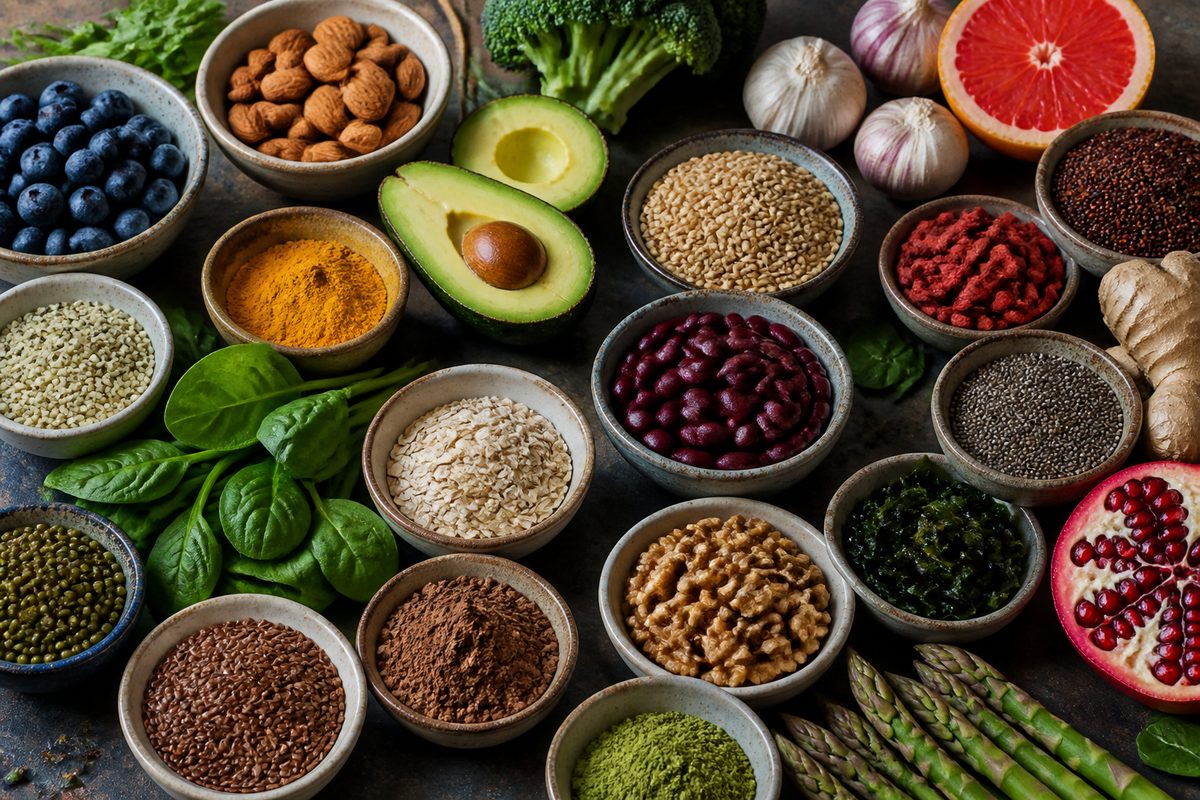
The eating window must hold enough food to support Spermatogenesis. Build meals around whole foods instead of trying to patch a weak diet with a huge stack of supplements.
Useful foods include:
- Fish, eggs, lean meat, dairy, beans, or tofu for protein
- Vegetables and fruit in varied colours
- Whole grains, potatoes, or other fibre-rich carbohydrate foods
- Nuts, seeds, olive oil, and oily fish for useful fats
Zinc, selenium, folate, vitamin C, vitamin E, and omega-3 fats all play a part in processes linked with reproductive health. More isn't always better. High-dose supplements can cause harm or throw other nutrients out of balance.
Selenium is a clear example because its safe range is limited.
A basic meal plan often works better than chasing a fertility superfood. Eat a source of protein at each meal. Add plants and a filling carbohydrate.
Include useful fat. If the window is too short to fit enough food without discomfort, make it wider.
What matters more than fasting?
A semen analysis matters more than guessing. It checks semen volume and several sperm features, including concentration, movement, and shape. One result doesn't give the full picture because semen measures can change.
A clinician may order a repeat test if the first result falls outside the expected range.
Medical causes also need care. A varicocele, infection, blocked reproductive tract, genetic condition, or Hormone disorder won't be fixed by changing meal times. Testosterone treatment and anabolic steroids can sharply reduce sperm production.
Men who want a child should never start or stop these drugs without medical advice.
Daily habits can matter more than a fasting window. Stop smoking and using recreational drugs. Limit alcohol.
Avoid frequent high heat around the testicles from hot tubs or similar exposure. Sleep well and exercise without pushing into long-term exhaustion.
Sex timing matters too. Long gaps between ejaculations aren't a proven way to build better fertility. Couples usually gain more from regular sex across the fertile window than from trying to save sperm for one day.
How can you test fasting without losing valuable time?
Start with the fertility goal, not the latest diet trend. If pregnancy hasn't happened after 12 months of regular unprotected sex, both partners should seek an assessment. Seek help after six months when the female partner is 35 or older.
Earlier care makes sense when there are known reproductive problems, sexual problems, past testicular injury, cancer treatment, or steroid use.
If a clinician sees no reason to avoid fasting, use a simple trial:
- Choose a gentle overnight fasting window.
- Keep total food intake adequate, or use only a modest deficit if weight loss is advised.
- Plan complete meals before shortening the eating period.
- Track weight, energy, sex drive, sleep, and training performance.
- Stop and seek advice if warning signs appear.
- Review progress after one sperm production cycle, using a repeat semen test when advised.
A dietitian can check whether the plan provides enough energy, protein, fats, and key nutrients. A GP, fertility doctor, endocrinologist, or urologist can look for causes that food timing can't solve.
What should you do now?
Use fasting only as a gentle tool for better metabolic health, never as a direct cure for male infertility. Keep nutrition steady, avoid severe Calorie restriction, and book a semen analysis if conception is taking longer than expected.
Your next step is to ask your GP for a male fertility review before making your fasting window longer.
Common questions
Can fasting increase male fertility?
There is not enough proof that fasting increases male fertility. A healthy diet, good sleep, and a healthy weight may support sperm health.
Is 12 hours enough to replenish sperm?
The body makes sperm all the time, but 12 hours is not enough to fully replace them. It takes about two to three months for new sperm to grow and mature.
Does ejaculating every day lower sperm quality?
Ejaculating every day may lower the amount of sperm in each release for a short time. It usually does not harm sperm quality or long-term fertility in healthy men.
Can fasting make you more fertile?
Fasting has not been proven to make men more fertile. Long or strict fasts may reduce sperm health if the body does not get enough food and nutrients.

What snack is filling but not fattening?
Read article →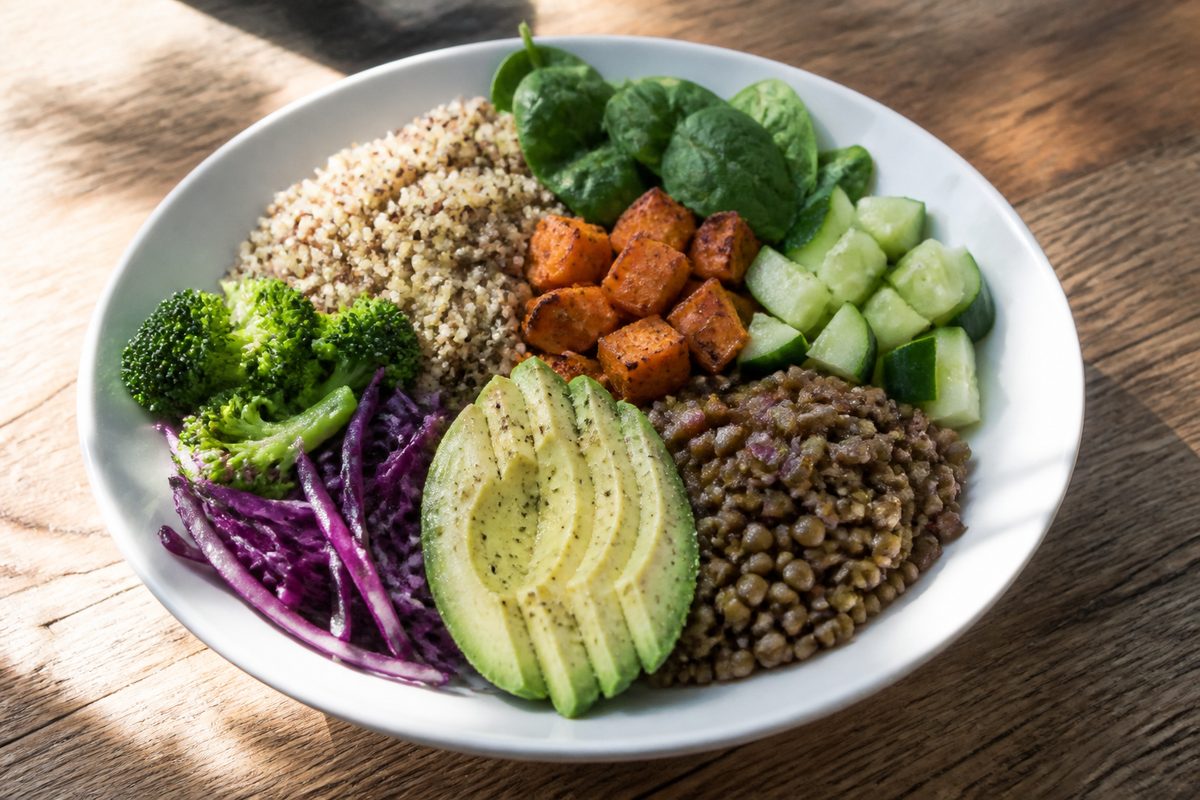
What can I eat that will fill me up but is healthy?
Read article →
How to reduce MS symptoms?
Read article →
Can fasting help autoimmune disorders?
Read article →
What is a snack you can eat all day?
Read article →