Does Fasting Increase Cortisol? What the Research Actually Shows
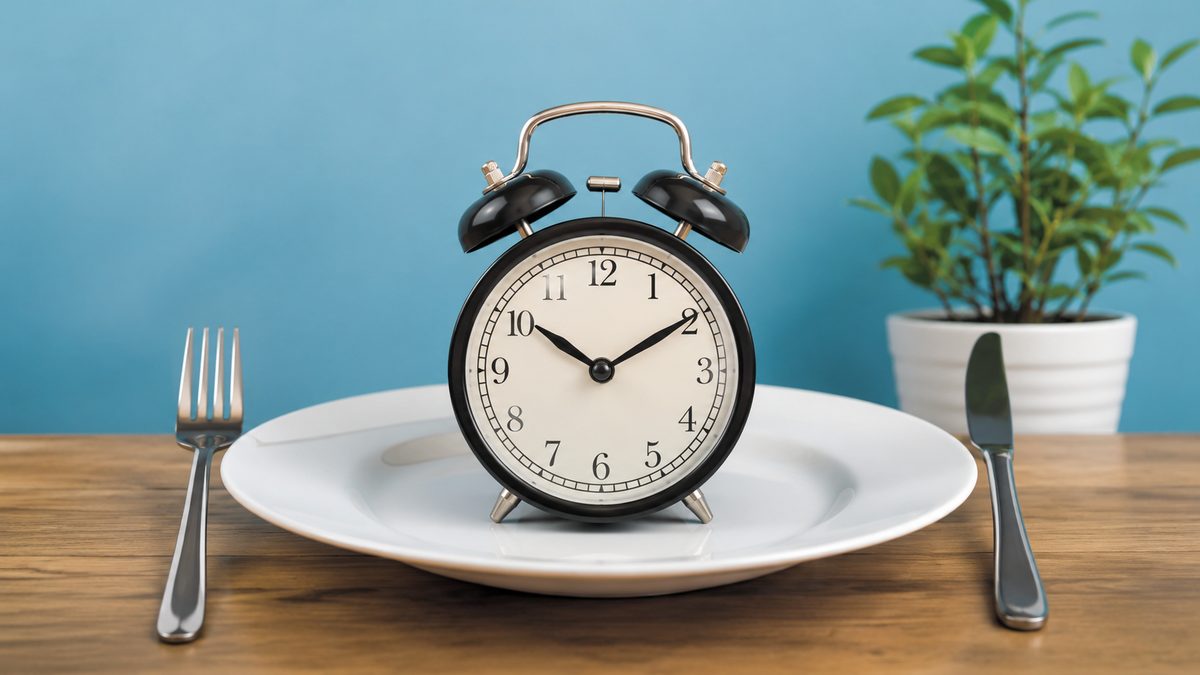
For most people doing intermittent fasting or eating within an 8 to 12 hour window, cortisol does not spike in a concerning way. Short-term fasting can actually blunt your cortisol response to stress rather than amplify it.
The picture changes with extended multi-day fasting. Meal timing matters more than most people realise. Standard intermittent fasting is unlikely to wreck your cortisol, but context matters.
Here is what the research actually shows, broken down by fasting type, duration, and who should be cautious.
What Does Cortisol Actually Do During a Fast?
Cortisol is your body's primary stress hormone. But it's also a metabolic regulator. When blood glucose drops, your adrenal glands release cortisol to signal the liver to produce more glucose. This keeps your brain and muscles fuelled between meals.
So yes, fasting does activate the HPA axis (the system that produces cortisol). That's not a malfunction. That's your body doing exactly what it's supposed to do.
The real question is whether fasting pushes cortisol into a range that causes harm, disrupts its natural daily rhythm, or creates a chronic stress state. The answer depends heavily on how long you fast and when you eat.
Can Fasting Cause High Cortisol Levels?
extended fasting, does activate broader stress pathways. A 2024 study tracking healthy males through a 6-day fast found that cortisol and noradrenaline concentrations stayed relatively stable rather than spiking dramatically. However, the kynurenine pathway, a marker of immune activation and metabolic stress, was significantly upregulated by day six.
What this tells us: extended fasting stresses the body at a cellular level even when cortisol numbers look normal on a blood test. The stress is real. It just doesn't always show up as a cortisol spike.
For standard intermittent fasting, the story is different. Short overnight fasts of 8 to 11 hours actually suppress the cortisol response to acute psychological stress. In one controlled study, fasted men exposed to a psychosocial stressor showed no significant cortisol increase. Men who consumed 100g of glucose one hour before the same stressor mounted a large cortisol response.
The same pattern held in women: fasted women with low blood glucose showed attenuated cortisol reactivity, while glucose ingestion restored a normal stress response. If you're fasted and something stressful happens, your cortisol response is actually quieter, not louder.
Does Not Eating in the Morning Raise Cortisol?
This one surprises people. Skipping breakfast does not cause a dramatic cortisol spike, but it does shift the pattern.
A systematic review of time-restricted eating and cortisol found that breakfast-skipping was associated with a modest, non-significant rise in morning cortisol, while dinner-skipping reduced evening cortisol. Neither effect was dramatic in healthy people.
The more important finding was about circadian rhythm. Two out of three Ramadan fasting studies, where people eat at night and fast during the day, reported that cortisol's normal circadian rhythm was abolished during the fasting period. Cortisol is supposed to peak in the morning and taper through the day. Flip your eating window to nighttime and you can flip that rhythm.
Eating during daylight hours, roughly aligned with when cortisol naturally rises, appears to preserve the hormone's normal pattern. Eating at night, or fasting during the day and eating at night, is where the rhythm gets disrupted.
If you skip breakfast but eat lunch and dinner during daylight hours, you're unlikely to cause meaningful cortisol disruption. If you're doing a late-night eating window, that's worth reconsidering.
The Angle Most Articles Miss: Fasting Can Dull Cortisol When You Need It
Most fasting articles frame cortisol as the enemy. Fasting raises cortisol, cortisol is bad, therefore fasting is bad. That framing is wrong on two counts.
First, short-term fasting does not reliably raise cortisol. Second, and this is the part almost nobody talks about: fasting can suppress your cortisol response at times when you actually need it.
Cortisol is not just a stress marker. It's part of how your body mobilises energy, manages inflammation, and responds to genuine threats. If you're fasted and you face a high-stakes situation, your HPA axis may not respond with the same force it would if you had eaten.
For most people in most situations, this is fine. For someone in a high-demand job, an athlete in competition, or someone managing a health crisis, blunted cortisol reactivity is not automatically a benefit.
The nuance that gets lost: fasting is not universally cortisol-raising or cortisol-lowering. It changes the conditions under which cortisol responds. That's a more useful frame.
What Are 10 Warning Signs of High Cortisol?
Whether from fasting or other causes, chronically elevated cortisol produces recognisable symptoms. These are worth knowing regardless of your eating pattern.
- Weight gain around the abdomen, even with a stable diet. Cortisol drives fat storage in the midsection specifically.
- Poor sleep or waking between 2am and 4am. Cortisol should be low at night. When it's not, sleep breaks apart.
- Feeling wired but tired. Alert and anxious during the day, exhausted but unable to rest at night.
- Cravings for sugar and salt. High cortisol drives appetite for fast energy and electrolytes.
- Slow recovery from exercise. Cortisol is catabolic. Chronically high levels break down muscle and delay repair.
- Brain fog and poor memory. The hippocampus, which handles memory, is sensitive to cortisol. Sustained elevation impairs it.
- Frequent illness. Cortisol suppresses immune function over time, leaving you more vulnerable to infections.
- Mood swings, irritability, or low mood. Cortisol interacts with serotonin and dopamine pathways.
- High blood pressure. Cortisol raises blood pressure by increasing sodium retention and vascular tone.
- Thinning skin or slow wound healing. Cortisol inhibits collagen production and tissue repair.
If you're experiencing several of these, fasting protocol is one variable to examine, but it's rarely the only one. Sleep quality, overall stress load, and diet composition all feed into cortisol regulation.
Is Fasting OK on Tirzepatide?
Tirzepatide (sold as Mounjaro or Zepbound) is a GLP-1 and GIP receptor agonist used for type 2 diabetes and weight management. It significantly reduces appetite and slows gastric emptying, which means many people on tirzepatide naturally eat less and in shorter windows without deliberately fasting.
The cortisol question here is secondary to a more practical concern: tirzepatide already reduces caloric intake substantially. Adding a strict fasting protocol on top of that can push total intake low enough to cause muscle loss, nutrient deficiencies, and fatigue, all of which stress the body and can affect cortisol indirectly.
There's no published evidence showing that combining tirzepatide with intermittent fasting causes dangerous cortisol spikes. The concern is more about overall adequacy. If you're eating in a compressed window while on tirzepatide and your total protein and calorie intake is very low, you're creating conditions where the body may upregulate stress hormones to compensate.
If you're on tirzepatide and want to use time-restricted eating, focus on hitting protein targets within your eating window rather than extending the fast. Talk to your prescribing doctor before adding any structured fasting protocol. This is especially relevant if you have a history of disordered eating, adrenal issues, or are managing blood sugar actively.
Who Should Be Cautious About Fasting and Cortisol?
For healthy adults doing standard intermittent fasting, the cortisol risk is low. But certain situations warrant more care.
- Chronic stress or burnout. If your HPA axis is already overworked, adding fasting stress on top can tip the balance. Fasting may blunt your cortisol response when you need it, or it may add to an already dysregulated system.
- History of eating disorders. Fasting can reinforce restrictive patterns and the psychological stress of restriction activates cortisol pathways independent of food intake.
- Adrenal insufficiency or known HPA axis dysfunction. If your adrenal function is already compromised, fasting-induced demands on cortisol production are a genuine concern.
- Poor sleep. Sleep deprivation raises cortisol on its own. Combining it with fasting compounds the stress load.
- High-intensity training. Exercise is a cortisol stimulus. Fasted high-intensity training stacks two cortisol triggers together. For some people this is fine. For others it drives overtraining symptoms.
How to Fast Without Disrupting Cortisol
The research points to a few practical principles that most fasting guides skip over.
Eat during daylight hours. Cortisol peaks in the morning and tapers through the day. Eating in alignment with that rhythm, roughly 8am to 6pm or similar, preserves the circadian pattern. Nighttime eating windows are where the rhythm breaks down.
Do not extend fasts during high-stress periods. If you're going through a demanding stretch at work, a health challenge, or poor sleep, this is not the time to push fasting windows longer. Your HPA axis is already under load.
Prioritise sleep over fasting. Sleep is the single most powerful regulator of cortisol rhythm. A well-slept person doing a 12-hour fast is in a better cortisol position than a sleep-deprived person doing a 16-hour fast.
Watch for the warning signs listed above. If you're fasting and developing abdominal weight gain, broken sleep, or persistent fatigue, those are signals worth taking seriously rather than pushing through.
FAQ
Does intermittent fasting raise cortisol long-term?
No consistent evidence shows that standard intermittent fasting causes chronic cortisol elevation in healthy adults. Short-term fasting actually blunts acute cortisol responses. Long-term effects depend on overall stress load, sleep, and diet quality.
Will fasting make my cortisol worse if I am already stressed?
Possibly. If your stress response system is already taxed, fasting adds another demand. More importantly, fasting may suppress your cortisol response at times when you need it. During high-stress periods, a regular eating pattern is usually the better choice.
Does skipping breakfast spike cortisol?
Not significantly. Research shows a modest, non-significant rise in morning cortisol with breakfast-skipping. The bigger concern is whether your overall eating window aligns with daylight hours to preserve cortisol's natural rhythm.
Can fasting cause adrenal fatigue?
Adrenal fatigue is not a recognised medical diagnosis, but HPA axis dysregulation is real. Prolonged or extreme fasting in someone already under chronic stress could contribute to dysregulation. Standard intermittent fasting in a healthy person is unlikely to cause this.
How do I know if my cortisol is high from fasting?
The warning signs listed above are your first signal. A salivary cortisol test measuring levels at multiple points through the day gives a clearer picture than a single blood test, since cortisol fluctuates significantly across the day.
What to Do Now
If you're doing standard intermittent fasting and feeling good, your cortisol is almost certainly not the problem. Keep your eating window during daylight hours, protect your sleep, and watch for the warning signs of high cortisol listed above.
If you're experiencing several of those warning signs, or you're on tirzepatide, managing chronic stress, or have a history of adrenal or eating issues, get a proper assessment before adjusting your fasting protocol. A clinician who understands metabolic health can run a diurnal cortisol profile and give you a clear picture of what's actually happening, rather than guessing based on symptoms alone.
The action point is simple: align your eating window with daylight, protect your sleep, and if something feels off, test rather than assume.
Sources

What snack is filling but not fattening?
Read article →
What can I eat that will fill me up but is healthy?
Read article →
How to reduce MS symptoms?
Read article →
Can fasting help autoimmune disorders?
Read article →
Does fasting help male fertility?
Read article →