How Do I Do Intermittent Fasting Correctly? A Evidence-Based Guide
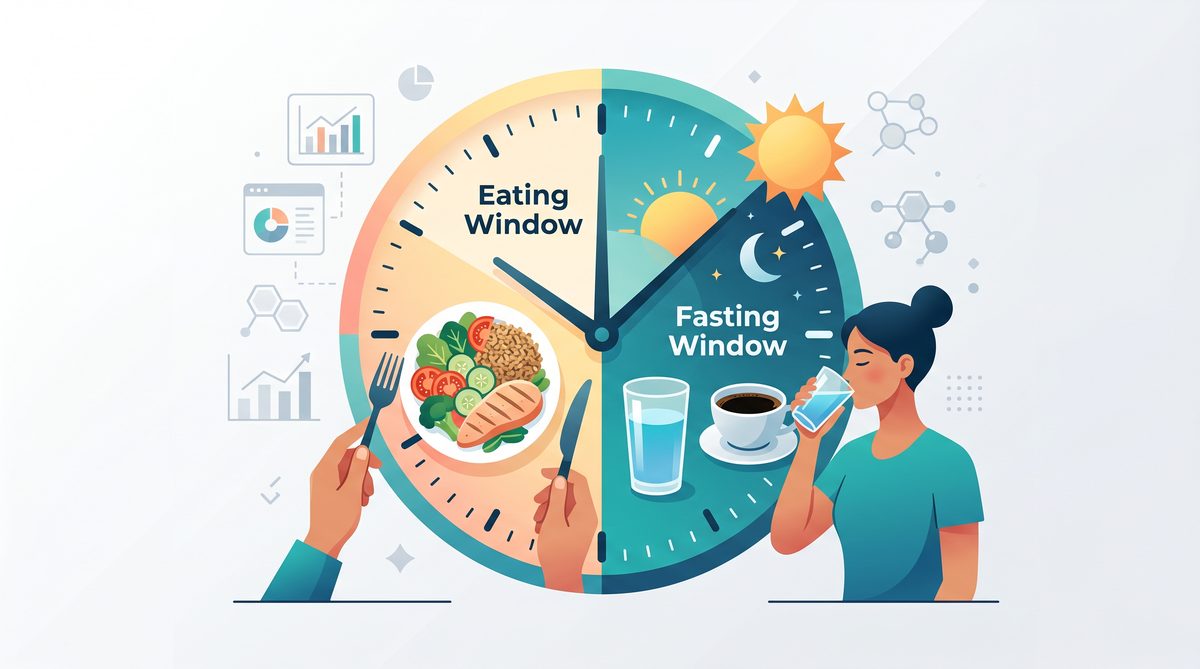
Start with 16:8. Fast for 16 hours, eat within an 8-hour window, at least three days per week. Noon to 8pm works well for most people. A 2024 randomised controlled trial found this approach produced 4.02% body weight loss over three months in adults with obesity and type 2 diabetes, compared to just 0.55% in the control group. The 14:10 pattern also works, producing 3.15% weight loss in the same trial, but 16:8 consistently outperforms it.
Here's what happens. After 12 to 16 hours without food, your body depletes its stored glycogen and shifts to burning fat for fuel. That metabolic switch, combined with a natural reduction in total calories, drives weight loss. A 2025 network meta-analysis of 99 trials covering 6,582 adults confirmed intermittent fasting produces meaningful weight loss across multiple population groups.
What Is the Best Intermittent Fasting Schedule for Beginners?
Start with 14:10. It's easier to maintain than 16:8 because the eating window is wider, and the evidence shows it still beats no fasting at all. After two to three weeks, shift to 16:8.
The noon to 8pm window fits most people's lives better than an early one. You skip breakfast, eat a normal lunch, have dinner by 8pm, and the overnight fast does most of the work while you sleep. The exact hours matter less than keeping the fasting length consistent day to day.
Three structured options, in order of difficulty:
- 16:8 time-restricted eating (fast 16 hours, eat within 8 hours). Best starting point for most people. Strong evidence for weight and metabolic outcomes
- 5:2 plan (eat normally five days, eat 500 to 600 calories on two non-consecutive days). A middle-ground option with good adherence data
- Alternate-day modified fasting (eat normally one day, eat 20 to 25% of normal calories the next). The most effective long-term plan but the hardest to sustain
A 2025 trial comparing the 4:3 plan (eating only 20% of normal calories three days per week) against daily calorie restriction found both produced 5.5 to 6.5 kg of weight loss over six months when participants also received behavioural support. The plan you stick with is the plan that works.
What Can You Drink During Intermittent Fasting Without Breaking the Fast?
Water, black coffee, and plain tea don't break a fast. They contain no calories and don't trigger an insulin response. Sparkling water is fine too.
What does break a fast is anything with calories or that stimulates insulin. That includes milk in coffee, fruit juice, bone broth, bulletproof coffee (despite what some sources claim), protein shakes, and diet sodas with artificial sweeteners. The sweetener question is debated, but the practical position is to avoid them during the fasting window if your goal is metabolic benefit rather than just calorie restriction.
Electrolyte drinks without sugar or sweeteners are acceptable on longer fasts and can help with headaches or fatigue in the first week.
How Long Does It Take to See Results from Intermittent Fasting?
Expect measurable weight loss within eight to twelve weeks. The 2024 trial showing 4.02% weight loss ran for three months. A broader meta-analysis of 10 trials found fasting produced 0.94 kg more weight loss and 1.08 kg more fat loss than daily calorie restriction over comparable periods.
The metabolic improvements often show up before the scale moves much. Blood sugar, insulin sensitivity, and cholesterol markers improve within eight weeks, even when total weight loss is modest. The 2024 trial showed both fasting groups had significantly better HbA1c and cholesterol than controls, with the 16:8 group outperforming the 14:10 group on blood sugar specifically.
For longer-term results, a 2025 systematic review of 15 trials confirmed that alternate-day fasting outperformed daily calorie restriction beyond 12 months, while time-restricted eating with calorie counting reduced body fat more than daily restriction alone. Time-restricted eating without any calorie counting produced roughly the same fat loss as unrestricted eating in long-term studies, which means what you eat during your eating window still matters.
Realistic benchmarks:
- 8 weeks: improved insulin sensitivity and fasting blood sugar
- 12 weeks: 3 to 4% body weight loss with consistent 16:8
- 6 months: 5.5 to 6.5 kg loss when combined with dietary guidance
- 12+ months: sustained loss with alternate-day fasting; time-restricted eating requires calorie awareness to maintain results
Can You Exercise While Doing Intermittent Fasting?
Yes. The practical question is timing. Training in a fasted state (late morning before your first meal) can increase fat oxidation during the session. Training near the end of your eating window means you can refuel with protein immediately after, which supports muscle recovery.
The first week of fasted training felt harder than usual. Energy normalised once the body adapted to using fat for fuel. The adaptation typically takes one to two weeks.
Watch protein intake during your eating window. Clinical guidance points to 1.2 to 1.6 grams of protein per kilogram of body weight per day to preserve lean mass while in a calorie deficit. Spread that across your meals rather than loading it all into one sitting.
High-intensity training on very low calorie days (if you're doing 5:2 or alternate-day fasting) is harder to sustain. Save intense sessions for your normal eating days and use fasting days for lighter activity like walking.
What Should You Eat When Breaking an Intermittent Fast?
Break your fast with a balanced meal, not a reward meal. The most common mistake is eating back the calories you skipped, which eliminates the deficit that drives results.
A practical first meal includes a protein source (eggs, chicken, fish, legumes), vegetables, and a moderate amount of complex carbohydrates. This combination stabilises blood sugar after the fasted period and reduces the likelihood of overeating later in the window.
Foods to prioritise during your eating window:
- Lean proteins to protect muscle mass and support satiety
- Vegetables and fibre-rich foods to slow digestion and support gut health
- Whole grains and legumes over refined carbohydrates
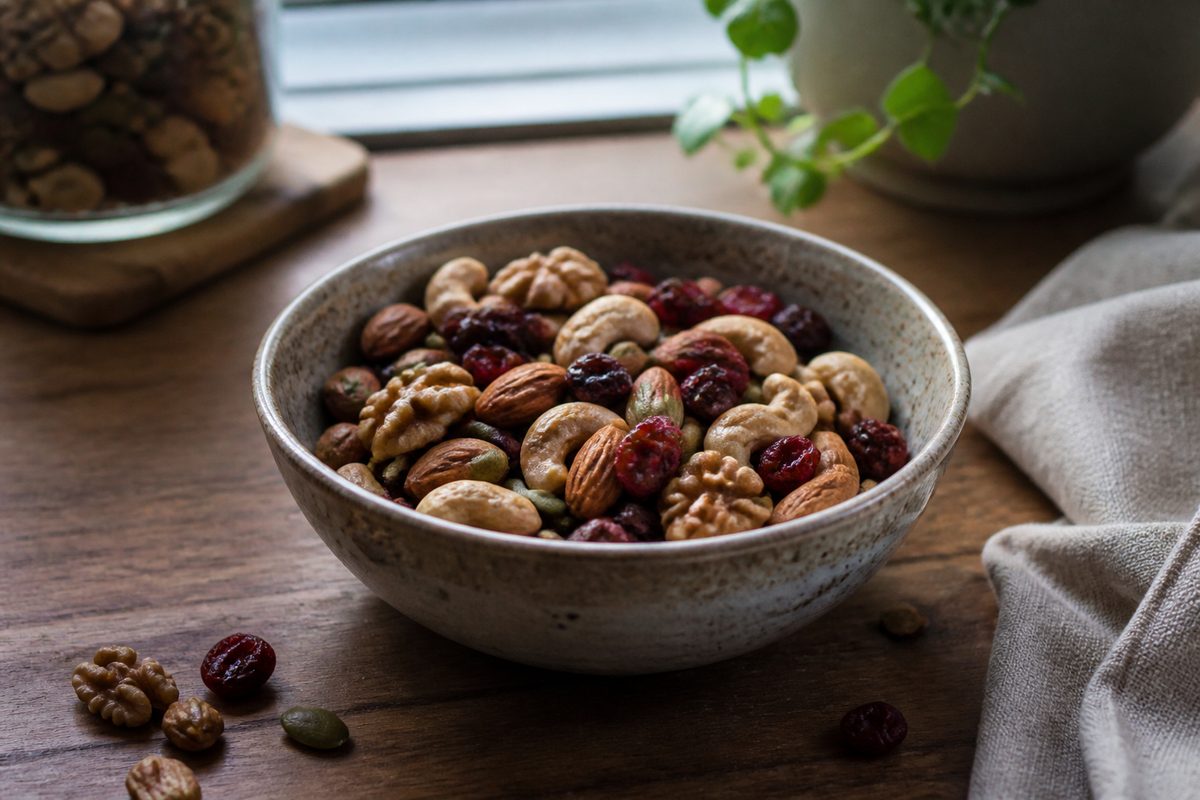
- Healthy fats from sources like olive oil, avocado, and nuts
Avoid a large, high-sugar meal as your first food. It spikes blood sugar sharply after a fasted state, which can cause energy crashes and increase hunger later. The metabolic benefits of fasting, particularly improved insulin sensitivity, are partly undone by consistently breaking the fast with processed or high-glycaemic foods.
Most articles miss this: the quality of food in your eating window determines whether you get metabolic benefits beyond weight loss. The 2024 meta-analysis found fasting improved insulin sensitivity significantly more than daily calorie restriction, but that advantage narrows when eating window food quality is poor.
Is Intermittent Fasting Safe for Everyone?
No. Several groups should not start intermittent fasting without medical supervision, and some shouldn't do it at all.
Talk to a doctor first if you:
- Have type 1 or type 2 diabetes and take insulin or blood sugar medication (fasting changes when medication needs to be taken and can cause hypoglycaemia)
- Have a history of disordered eating or an eating disorder
- Are pregnant or breastfeeding
- Are under 18
- Have a history of low blood pressure or adrenal issues
- Take medications that require food
For healthy adults without these conditions, the evidence from a 2021 umbrella review of meta-analyses covering 130 randomised trials found intermittent fasting to be safe and effective for weight, body composition, and cardiometabolic markers. The review noted evidence quality was low to moderate due to small sample sizes and short study durations, which is an honest limitation worth knowing.
Common side effects in the first one to two weeks include headaches, fatigue, irritability, and difficulty concentrating. These are normal and typically resolve as the body adapts. Staying well hydrated reduces their severity.
Most guides get this wrong: they treat intermittent fasting as universally safe for people with metabolic conditions. The 2024 trial showing strong results in type 2 diabetes patients was conducted under clinical supervision with regular monitoring. That context matters. The results are real, but replicating them safely requires medical oversight when medications are involved.
How to Do Intermittent Fasting Correctly, The Practical Version
Pick a consistent eating window. Start with 14:10 if you're new to fasting, move to 16:8 after two to three weeks. Aim for at least three days per week. Drink water, black coffee, or plain tea during the fast. Break your fast with a protein-forward meal. Keep total food quality high during your eating window. Don't eat back the calories you skipped.
Run the same approach for eight to twelve weeks before evaluating results. Three consistent days per week beats sporadic long fasts. Consistency drives outcomes more than the specific plan chosen.
If you plateau after three months of 16:8, the next step is either adding calorie awareness to your eating window or shifting to alternate-day modified fasting. The 2025 systematic review confirmed that alternate-day fasting is the only pattern that consistently outperforms daily calorie restriction at 12 months and beyond.
Working with Paramount Health during the process produces meaningfully better results. The 4:3 trial that showed 5.5 to 6.5 kg loss over six months included structured behavioural support alongside the fasting protocol. That support isn't a minor detail.
Frequently Asked Questions
Does intermittent fasting work without changing what you eat?
Partially. Time-restricted eating without calorie awareness produces roughly the same fat loss as unrestricted eating in long-term studies. You'll likely lose some weight from the natural calorie reduction that comes with a shorter eating window, but the full metabolic benefits require eating quality food during that window.
Is 16:8 better than 5:2?
For daily adherence, 16:8 is easier. For long-term fat loss, alternate-day and 4:3 patterns show stronger results at 12 months. The 5:2 sits between them on both counts. Choose based on your lifestyle and what you can sustain.
Can intermittent fasting cause muscle loss?
It can if protein intake is too low. Eating 1.2 to 1.6 grams of protein per kilogram of body weight daily and continuing resistance training protects lean mass during a fasting protocol.
How many calories should I eat on fasting days?
For alternate-day modified fasting, eat 20 to 25% of your normal daily calories on fasting days. For 5:2, the standard is 500 calories for women and 600 for men on fasting days.
Will coffee break my fast?
Black coffee doesn't break a fast. Adding milk, cream, sugar, or flavoured syrups does.
What if I feel dizzy or unwell while fasting?
Mild dizziness in the first week is common and usually linked to dehydration or low electrolytes. Drink water with a pinch of salt. If symptoms are severe or persist beyond two weeks, stop fasting and speak to a doctor.
One Thing to Do Today
Set your eating window for tomorrow. Pick a consistent 8 to 10 hour block that fits your schedule, write down the start and end times, and stick to it for the next three days. That single act of consistency is where results begin.
If you want structured support applying intermittent fasting to your specific health goals, the team at Paramount Health can help you build a protocol that fits your life and monitors the metabolic markers that matter.
Sources

What snack is filling but not fattening?
Read article →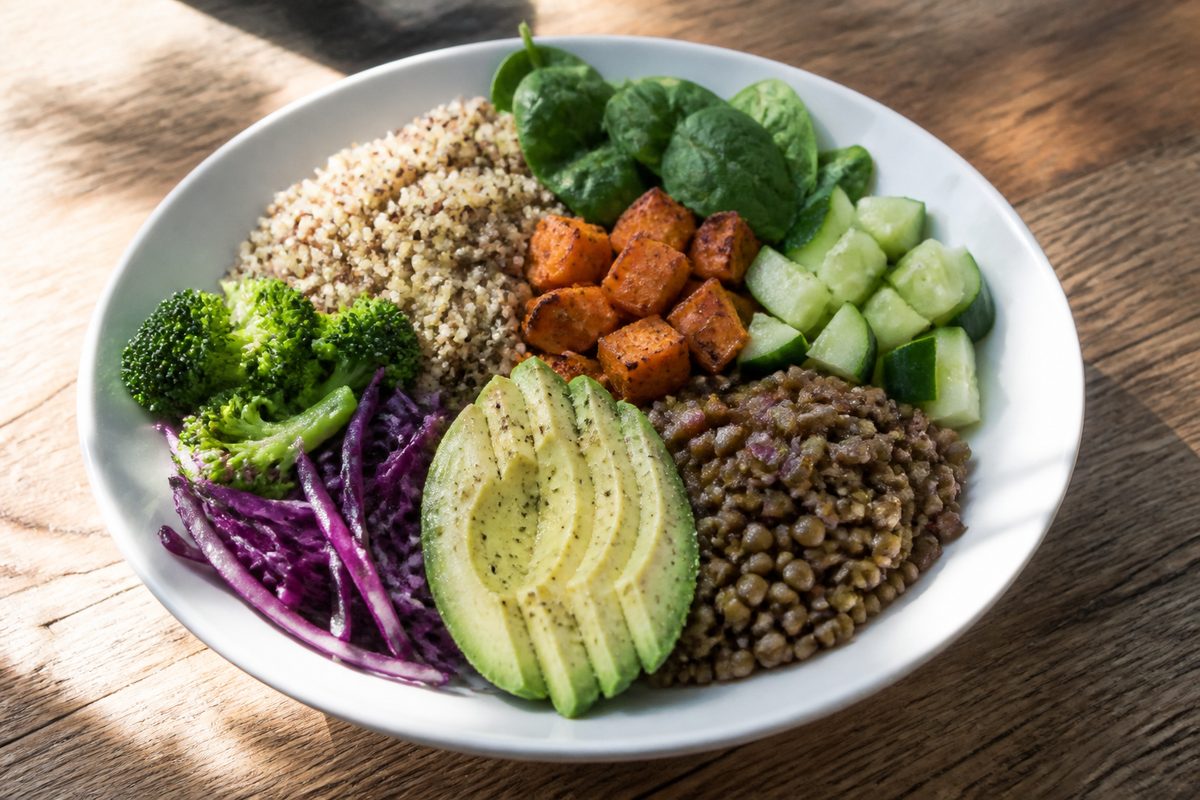
What can I eat that will fill me up but is healthy?
Read article →
How to reduce MS symptoms?
Read article →
Can fasting help autoimmune disorders?
Read article →
Does fasting help male fertility?
Read article →