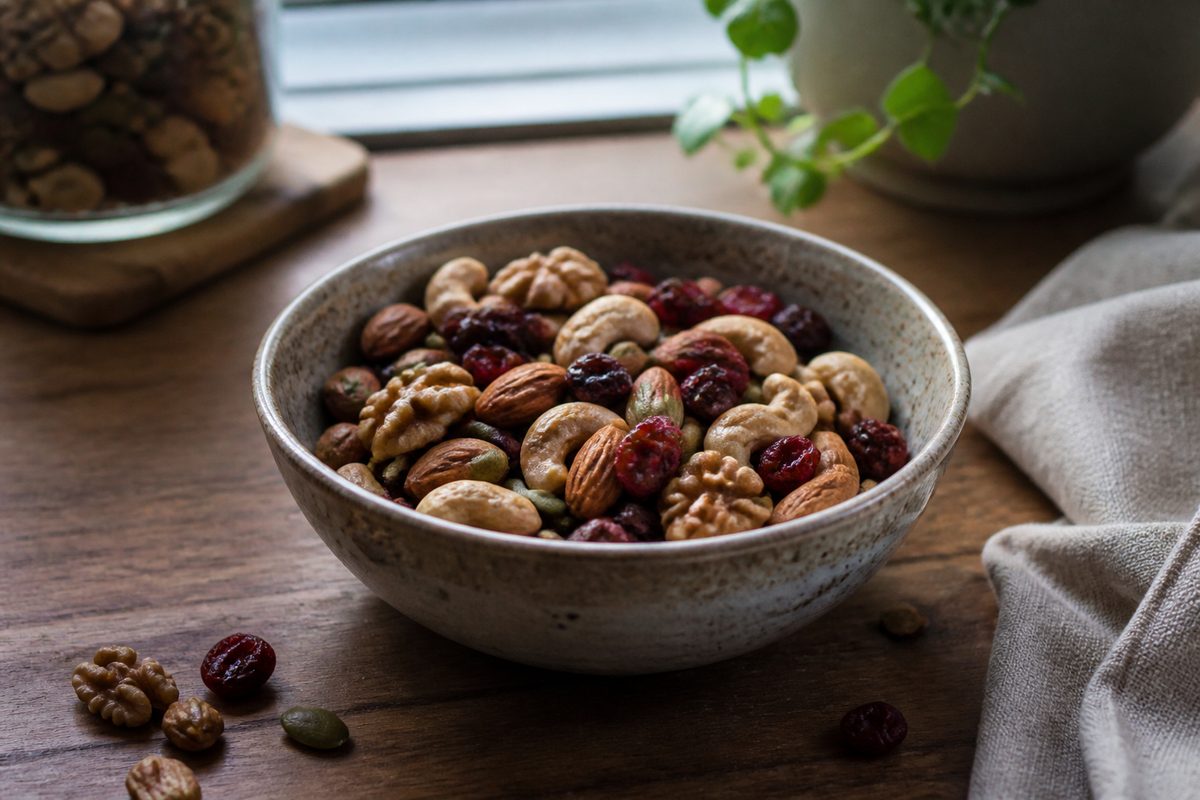
How Do You Start a Fasting Diet? A Beginner's Guide That Actually Works

Start by eating only between 7 AM and 3 PM, at least 5 days a week. That's it. No calorie counting, no special foods.
This approach, called early time-restricted eating, is the most studied method for beginners and produces real results. In a 14-week clinical trial, people using this exact window lost 3.7 kg more weight and 2.8 kg more fat than those eating normally, with measurable improvements in blood sugar and heart rate.
If 7 AM to 3 PM doesn't fit your life, noon to 8 PM works too. The research suggests results may be slightly smaller. The key is picking a window and sticking to it most days of the week.
What Is the Easiest Fasting Diet for Beginners?
Early time-restricted eating wins for beginners. You eat during an 8-hour window, fast for 16 hours, and repeat. Most of that fasting happens while you sleep, which makes it far easier to stick with than methods that require skipping full days of food.
Here's why it works so well for people just starting out:
- You still eat three meals if you want to
- No calorie targets to track
- Your body does most of the fasting overnight
- The structure is simple enough to remember without an app
Alternate-day fasting, where you fast one full day and eat freely the next, burns more total body fat in some studies. But it's significantly harder to maintain. Save that approach for later if you want to push further after building the habit.
How Many Hours Should You Fast When Starting Out?
Start with 12 hours. That means finishing dinner by 8 PM and eating breakfast at 8 AM. This is enough to shift your body into fat-burning mode and gives you a foundation to build from.
After one to two weeks, extend to 14 hours, then 16. The 16:8 method (16 hours fasting, 8 hours eating) is where most of the clinical evidence sits. Your body switches from burning glucose to burning stored fat somewhere between 12 and 16 hours without food. That metabolic shift is what drives the fat loss and blood sugar improvements. The 16:8 method aligns with the most comprehensive evidence-based fasting protocol.
Jumping straight to 16 hours on day one leads to misery and quitting by day four. Build up over two weeks and the hunger becomes manageable.
Is It Normal to Feel Hungry When Starting a Fasting Diet?
Yes, and it's temporary. The first one to two weeks are the hardest. Your body is used to receiving food at regular intervals, and when that changes, it signals hunger loudly. That's normal physiology, not a sign something is wrong.
The hunger peaks around day 3 to 5, then gradually settles. By week two, most people report that the hunger during fasting hours becomes background noise rather than a distraction.
Secondary effects in the first two weeks can include:
- Irritability, especially in the late morning if you're skipping breakfast
- Mild headaches, usually from reduced caffeine or lower carbohydrate intake
- Fatigue in the afternoon if you're eating earlier in the day
- Slightly longer time to fall asleep, which was noted in one secondary analysis of the early time-restricted eating trial
These pass. Mood improvements, including less fatigue and less reported anger, showed up in the same study by the end of the 14-week period.
What Can You Drink During a Fasting Diet?
Water, black coffee, and plain tea. These have no calories and won't break your fast or spike insulin.
What breaks a fast:
- Milk or cream in coffee
- Juice, even fresh-squeezed
- Flavoured water with sugar or sweeteners
- Protein shakes or meal replacement drinks
- Bone broth (it contains calories and protein)
Artificially sweetened drinks are a grey area. Some research suggests they may trigger an insulin response in certain people, though the evidence isn't settled. If you're not losing weight as expected, cutting diet sodas during fasting hours is a reasonable first adjustment.
Electrolytes dissolved in water (sodium, potassium, magnesium) are fine and can help with headaches and fatigue in the first week, especially if you're active.
What Should You Eat When Breaking a Fast?
Your first meal matters more than most people realise. After 16 hours without food, your blood sugar is low and your insulin sensitivity is high. What you eat first sets the tone for the rest of your eating window.
The research on early time-restricted eating used a front-loaded eating pattern, meaning the largest meal came early in the day. That structure produced the strongest metabolic results.
When you break your fast, aim for:
- Protein first: eggs, Greek yoghurt, chicken, fish, legumes
- Fibre alongside it: vegetables, fruit, oats
- Healthy fats to slow digestion: avocado, olive oil, nuts
What to avoid at your first meal:
- High-sugar foods that spike blood glucose quickly
- Ultra-processed carbohydrates on their own
- Large amounts of alcohol (it disrupts the metabolic benefits you just earned)
Breaking a fast with a bowl of cereal and juice left me hungry again within 90 minutes. Protein and fat held me through the eating window without constant snacking.
What Results Should You Expect and When?
Expect realistic fat loss expectations if you follow the protocol consistently. That's not dramatic, but it's real fat loss, not water weight, and it comes with measurable health improvements that matter long-term.
The clinical data from the 14-week early time-restricted eating trial showed:
- 3.7 kg more weight lost compared to normal eating
- 2.8 kg more fat mass lost
- Insulin resistance dropped by 2.80 units
- Fasting blood glucose dropped by 9 mg/dL
- Resting heart rate dropped by 7 beats per minute
Here's what most articles get wrong: the fat loss from fasting comes primarily from eating fewer calories overall, not from some unique metabolic magic triggered by the fasting window itself. The window works because it limits the hours you can eat, which naturally reduces intake for most people. That's not a reason to dismiss it. It's a reason to use it as a tool rather than a cure.
Three Things Most Fasting Articles Get Wrong
1. Timing matters more than most people think. Eating earlier in the day (7 AM to 3 PM) produces stronger results than the popular noon to 8 PM window. Your body's insulin sensitivity is highest in the morning and drops through the afternoon. Eating in sync with that rhythm amplifies the metabolic benefit. Most guides treat all 8-hour windows as equal. They're not.
2. Alternate-day fasting is underrated for fat loss. A 2025 randomised trial found that alternate-day fasting produced larger changes in fat mass than time-restricted eating in adults without obesity. Most beginner guides skip it entirely because it sounds extreme. It is harder, but if you've plateaued on 16:8, it's a legitimate next step, not a fringe approach.
3. The hunger you feel in week one is not a signal to stop. Most people interpret early hunger as their body telling them fasting isn't right for them. What's actually happening is a hormonal adjustment. Ghrelin, the hunger hormone, follows a learned schedule. Disrupt the schedule and it fires at the old times. Within two weeks, it recalibrates. Stopping in week one means you never get to the part where it gets easier.
Who Should Avoid Starting a Fasting Diet?
Fasting is not appropriate for everyone. Talk to a doctor before starting if you:
- Have type 1 or type 2 diabetes, especially if you take insulin or blood sugar medication
- Take medications that require food at specific times
- Have a history of disordered eating or an eating disorder diagnosis
- Are pregnant or breastfeeding
- Are under 18
- Have a history of low blood pressure or fainting
- Are underweight or have a condition that requires consistent caloric intake
For people with type 2 diabetes specifically, the blood sugar improvements from fasting can be significant. But they can also cause hypoglycaemia if medication doses aren't adjusted. This is a conversation to have with your GP or endocrinologist before you start, not after.
FAQ
Can I exercise while fasting?
Yes. Light to moderate exercise during fasting hours is fine for most people. Some find training in a fasted state improves fat oxidation. If you feel dizzy or weak, eat before training and adjust from there.
Will fasting slow my metabolism?
Short-term fasting of 16 to 24 hours does not meaningfully slow metabolism. Prolonged severe caloric restriction does. The protocols described here don't fall into that category.
Do I have to fast every day?
No. The clinical trial that produced the strongest results required adherence at least 5 days per week. Two days of normal eating didn't undo the benefits. Consistency over most days matters more than perfection every day.
What if I get a headache during fasting?
Usually dehydration or low sodium. Drink water with a pinch of salt or an electrolyte supplement. If headaches persist beyond the first week, reassess your eating window and overall food intake.
How long until I see results?
Most people notice reduced hunger and more stable energy within two weeks. Measurable fat loss typically shows up on the scale by weeks three to four. The strongest results in the research appeared at the 14-week mark.
Can I drink coffee before my eating window opens?
Black coffee only. No milk, cream, sugar, or flavoured syrups. These add calories and can break the fast.
Start Here
Pick your eating window today. If you can manage 7 AM to 3 PM, start there. If your schedule won't allow it, use noon to 8 PM. Set a consistent stop-eating time tonight and don't eat past it.
For the first week, just hold the window. Don't change what you eat yet. Let your body adjust to the timing before you layer on any other changes.
After two weeks, assess how you feel. If hunger has settled and energy is stable, you're ready to look at what you're eating inside the window. That's when food quality starts to compound the results.
The single most important action: set a hard stop time for eating tonight and stick to it for seven days straight. Everything else follows from that one habit.
Sources

What snack is filling but not fattening?
Read article →
What can I eat that will fill me up but is healthy?
Read article →
How to reduce MS symptoms?
Read article →
Can fasting help autoimmune disorders?
Read article →
Does fasting help male fertility?
Read article →