How Should I Start Fasting as a Beginner? A Simple Guide That Works

Start with a 16:8 fast. Eat everything between noon and 8pm, then fast for the remaining 16 hours. If that feels too aggressive, begin with a 12-hour fast and add one hour every few days until you reach 16.
Most people adapt within 10 to 14 days. The hunger, tiredness, and brain fog you feel in week one is normal. It passes.
That's the answer. Everything below explains how to make it stick, what to watch for, and who needs to be careful before starting.
Why Does Fasting Actually Work?
Your body runs on two fuel sources: glucose and fat. When you eat regularly throughout the day, glucose is always available, so your body never touches its fat stores. Fasting changes that.
After roughly 12 to 16 hours without food, your glucose runs low and your body switches to burning fat for fuel.
That switch is called metabolic flexibility. Most people who eat from early morning to late at night never experience it. Their body stays locked in glucose mode permanently.
Once the switch happens, good things follow. Blood sugar stabilizes. Insulin levels drop. Inflammation markers improve. Multiple reviews confirm that intermittent fasting produces real improvements in weight and metabolic health markers for most adults.
Here's what most articles get wrong: fasting isn't primarily about eating less. It's about giving your body a long enough gap to shift fuel sources. You can eat a full day of calories inside your eating window and still get results, because the hormonal shift is the mechanism, not just the calorie deficit.
What Are the Main Fasting Protocols?
The three most studied approaches are time-restricted eating, the 5:2 method, and alternate-day fasting.
Time-restricted eating (16:8) is the best starting point for beginners. You pick an eight-hour eating window, most commonly noon to 8pm, and fast for the other 16. It fits around a normal social life and doesn't require calorie counting. Getting personalized advice through professional guidance on fasting protocols can help you choose the right approach.
5:2 fasting means eating normally five days a week and dropping to around 500 calories on two non-consecutive days. Some people find this easier because they only have to manage restriction twice a week. Others find the low-calorie days brutal.
In my experience, beginners do better starting with daily time-restriction before trying 5:2.
Alternate-day fasting alternates between normal eating days and either full fasting or very low calorie days. The research shows it works, but the compliance rate drops sharply. Most people can't sustain it long-term.
Start with 16:8. Master that first. You can experiment later.
What Can You Have While Fasting?
what you drink during your fasting window. Drink as much as you want. Black coffee and unsweetened tea are fine too. Both are essentially calorie-free and don't trigger an insulin response, so they won't break your fast.
What breaks a fast: anything with calories. Milk in your coffee, a handful of nuts, a small snack. Even a small caloric intake can interrupt the metabolic state you're trying to reach.
When I tried adding just a splash of oat milk to my morning coffee, my hunger spiked by mid-morning every single day. Switching to black coffee fixed it immediately.
Avoid during your fasting window: fruit juice, flavored waters with sugar, protein shakes, and bulletproof coffee if you're specifically fasting for metabolic benefits rather than appetite control.
What Happens in the First Two Weeks?
Week one is the hardest. Your body expects food at the times it's been trained to expect it. That's not psychological weakness. It's a hormonal pattern your body built over years.
Ghrelin, your hunger hormone, spikes at habitual meal times regardless of whether you actually need food.
One of my clients described it as feeling like she was being unreasonable with herself every morning. She wasn't hungry in a starving sense. She just felt like she was breaking a rule. That feeling faded by day eight.
Common first-week symptoms: hunger before noon, mild headaches, low energy around mid-morning, irritability, and difficulty concentrating. All of these are normal and temporary. They reflect your body adjusting its hormone patterns, not a sign that fasting is wrong for you.
By week two, most people report the hunger before noon has almost disappeared. This is because your ghrelin pattern has reset to match your new eating window. Your body stops sending hunger signals at times you're no longer eating.
What Should You Eat Inside Your Eating Window?
This matters more than most beginners expect. If you break your fast with a large serving of refined carbohydrates, your blood sugar spikes hard, insulin floods in, and you end up hungrier two hours later than you were before you ate.
That cycle makes fasting feel miserable and unsustainable.
Prioritize protein, healthy fats, and fiber at your first meal. A good example: eggs with avocado and some vegetables. Or a piece of salmon with greens and olive oil. These foods slow digestion, stabilize blood sugar, and keep you full through the afternoon.
One of my clients started breaking her fast with a smoothie and granola. She struggled with hunger all afternoon. We switched her first meal to eggs and vegetables and the afternoon cravings disappeared within three days. Same fasting window. Completely different experience.
You don't need to eat perfectly. But what you eat affects how hard the fasting window feels the next day. Processed food and high-sugar meals make the next morning's fast noticeably harder.
Can I Fast If I Have High Cortisol?
This is worth taking seriously. Fasting is a mild stressor on the body, and cortisol is your primary stress hormone. If your cortisol is already elevated, whether from chronic stress, poor sleep, or an underlying condition like Cushing's syndrome, adding a fasting stress on top can compound the problem.
High cortisol already raises blood sugar by signaling the liver to release glucose. If you fast while cortisol is high, your blood sugar may behave unpredictably, your sleep may worsen, and your hunger may feel more intense rather than less over time.
Clinical consensus suggests that people with chronically elevated cortisol should address the root cause first before adding fasting. Short eating windows can work, but starting with a gentler 12 to 13 hour fast and monitoring how you feel is the safer path.
If fasting consistently makes you feel wired, anxious, or disrupts your sleep, that's worth discussing with a practitioner before continuing.
Should You Fast on a GLP-1?
GLP-1 medications like semaglutide and tirzepatide already suppress appetite significantly and slow gastric emptying. Combining them with fasting can work, but the interaction requires attention.
The main concern is that GLP-1 medications reduce food intake on their own. Adding a restricted eating window on top means some people end up eating far too little without realizing it. Inadequate protein intake is a particular risk, which can cause muscle loss during weight reduction.
What I've seen work is using fasting loosely while on a GLP-1. Rather than a strict 16-hour window, eating when genuinely hungry within a natural 10 to 12 hour period tends to suit the medication's appetite effects better.
If you're on a GLP-1 and want to add a formal fasting protocol, discuss it with your prescribing doctor first. The combination isn't dangerous for most people, but it needs to be managed deliberately.
Can I Fast with Heart Failure?
This requires direct medical supervision. Heart failure affects fluid balance, electrolyte regulation, and medication timing in ways that make self-directed fasting risky.
Many heart failure medications, including diuretics and ACE inhibitors, depend on consistent food and fluid intake for proper absorption and effect. Fasting can alter how these drugs behave. Electrolyte shifts during fasting, particularly sodium and potassium, are also more consequential for someone whose heart is already under strain.
There's no general clearance for fasting with heart failure. Some patients with stable, well-managed heart failure may be suitable candidates under careful supervision, but that determination belongs with a cardiologist, not a general fasting guide. Don't start fasting with heart failure without explicit approval from your doctor.
Who Else Should Be Careful?
The evidence is clear that fasting is safe for healthy adults. The caution applies in specific situations.
People with type 1 or type 2 diabetes on insulin or sulfonylureas face real low blood sugar risk during fasting. A 2023 review found that while fasting can improve blood sugar control in diabetic patients, insulin-treated individuals require constant monitoring to avoid dangerous blood sugar drops.
Fasting with diabetes isn't off the table, but it requires medical oversight and likely medication adjustment.
Avoid fasting or approach it very cautiously if you're pregnant or breastfeeding, have a history of disordered eating, have advanced kidney disease, or are a child or teenager. These aren't arbitrary cautions. The physiological demands in each of these situations conflict with what fasting asks of your body.
Common Mistakes Beginners Make
Starting too aggressive is the most common one. Going straight to 20-hour fasts in week one almost always ends badly. The hunger and energy dips are so pronounced that people quit before their body has a chance to adapt. Start at 12 to 14 hours and build up.
Not drinking enough water is the second. Headaches and fatigue in the first week are frequently dehydration, not fasting. Most people drink less water when they skip breakfast because a lot of hydration comes from food and morning drinks. Drink more than you think you need.
Breaking the fast with the wrong food is third, as covered above. A sugar-heavy first meal unravels the hormonal benefits of your fasting window.
The fourth mistake is inconsistency. Fasting on weekdays and abandoning the window on weekends prevents your body from fully adapting. Your ghrelin pattern needs consistency to reset. Two weeks of a consistent window makes the fasting feel almost effortless. Two weeks of an inconsistent window feels like starting over every Monday.
FAQ
How long until fasting gets easier?
Most people feel significantly better by days 10 to 14. The first week is the hardest. If you're still struggling at week three with the same intensity, that's worth investigating rather than pushing through.
Can I exercise while fasting?
Yes. Light to moderate exercise in a fasted state is fine for most people and may enhance fat burning. High-intensity training while fasted can feel difficult early on. If performance drops significantly, try scheduling your hardest sessions closer to your eating window.
Will fasting slow my metabolism?
Short-term fasting of 16 to 24 hours doesn't slow metabolism. Extended very-low-calorie diets do. The 16:8 protocol, where you eat a full day's worth of calories in a shorter window, doesn't trigger the metabolic adaptation associated with chronic caloric restriction.
Do I have to fast every day?
No. Daily fasting produces faster adaptation because your body resets its hunger hormone pattern more quickly. But fasting five days a week and eating normally on weekends still produces results for many people. Consistency matters more than perfection.
What if I get extremely dizzy or feel faint?
Break your fast and eat something. Mild dizziness occasionally occurs in the first week, especially if you stand up quickly. Severe dizziness, heart palpitations, or confusion are signals to stop and seek medical advice. Don't push through those symptoms.
Where to Start Today
Pick a window. Noon to 8pm is the most practical for most people because you sleep through the first half of the fast and skip breakfast rather than dinner. Drink water and black coffee in the morning.
Eat your first meal at noon, prioritize protein and vegetables, and stop eating by 8pm. Do that consistently for two weeks before changing anything.
If you have diabetes, take blood pressure or heart medications, or have any condition mentioned above, book a conversation with your doctor before starting. A supervised approach isn't a slower approach. It's a safer one that actually sticks.Sources

What snack is filling but not fattening?
Read article →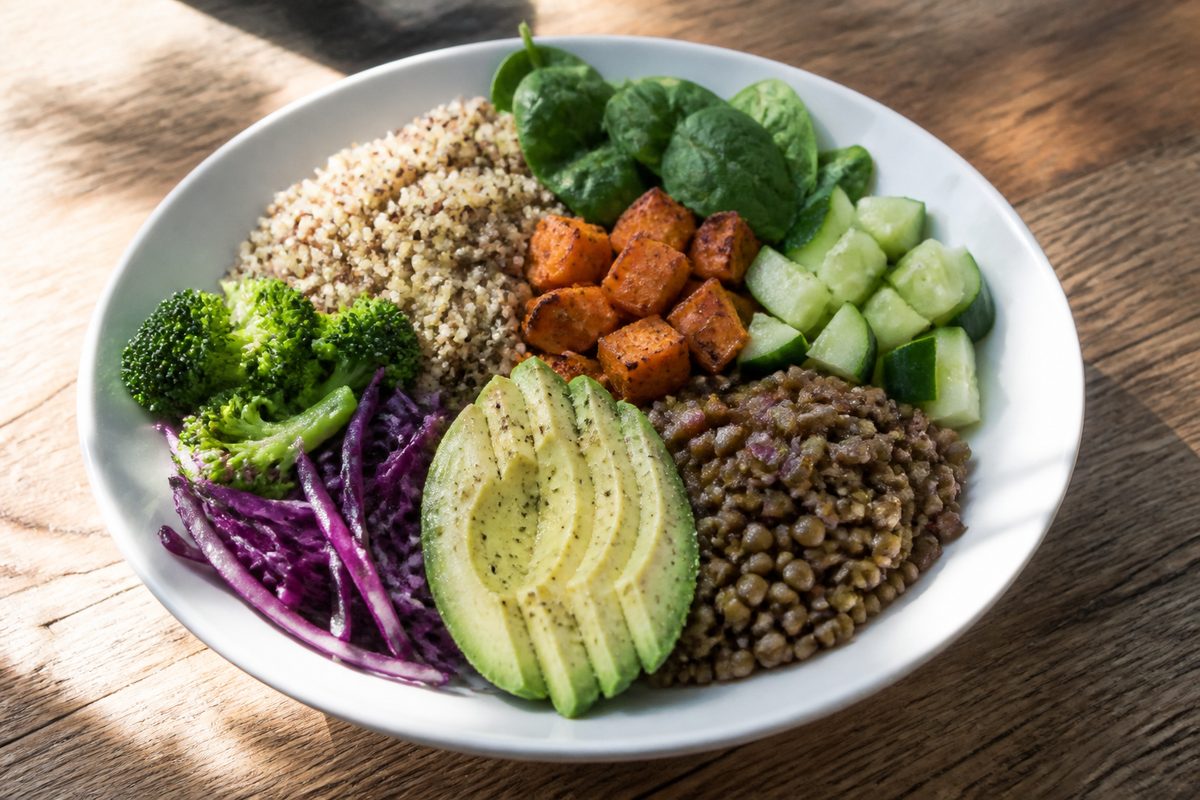
What can I eat that will fill me up but is healthy?
Read article →
How to reduce MS symptoms?
Read article →
Can fasting help autoimmune disorders?
Read article →
Does fasting help male fertility?
Read article →