How to Lose 2 kg in a Week with Intermittent Fasting (What's Actually Realistic)

Losing 2 kg in a week with intermittent fasting is possible in the first week or two, but most of that drop is water and stored glycogen, not fat. Once your body adapts, fat loss typically settles at 0.5 to 1 kg per week.
That's still meaningful progress. Research confirms that intermittent fasting works for weight loss across multiple protocols, and in some cases outperforms standard calorie restriction for fat loss specifically. The key is knowing what drives real results and what's just the scale lying to you.
Is It Actually Possible to Lose 2 kg in a Week?
Yes, and no. The number on the scale can drop 2 kg in a week. But what that number represents matters.
In the first week of any caloric deficit, your body burns through glycogen stored in your liver and muscles. Each gram of glycogen holds roughly three grams of water. When that glycogen goes, so does the water attached to it. That's where the big early drop comes from. It's real weight, but it's not fat.
True fat loss at 2 kg per week requires a daily caloric deficit of around 1,000 calories. For most people, that's aggressive and hard to maintain without losing muscle, tanking energy, or triggering rebound eating. Standard clinical guidelines put safe, sustainable fat loss at 0.5 to 1 kg per week. standard clinical guidelines
One of my clients came to me after losing 3 kg in her first week of fasting. She was thrilled. By week three, the scale barely moved and she was ready to quit. What she didn't understand was that week one was mostly water. Weeks two through four were actual fat loss, and that's harder, slower work.
Once she understood what was happening, she stopped chasing the number and started tracking how her clothes fit instead.
So to answer directly: if you have a significant amount of weight to lose, you may hit close to 2 kg in your first week combining water loss and early fat loss. After that, expect 0.5 to 1 kg per week of actual fat loss with consistent fasting and a moderate caloric deficit.
How Does Intermittent Fasting Actually Produce Weight Loss?
Intermittent fasting works by shrinking the window in which you eat. Fewer hours to eat usually means fewer calories consumed overall. That caloric deficit is what drives weight loss.
But there's more happening underneath. During a fasting period, insulin levels drop. Lower insulin signals your body to start releasing stored fat for fuel instead of relying on glucose from food. The longer the fast, the deeper into fat stores your body reaches.
Research shows intermittent fasting produces significant improvements in insulin sensitivity, and in many protocols leads to meaningful reductions in body fat percentage.
There's also a hormonal shift. Fasting increases norepinephrine, which helps mobilize fat from fat cells. Growth hormone levels rise during extended fasts, which helps preserve muscle mass while you lose fat. This is one reason intermittent fasting tends to produce better lean mass preservation compared to simple calorie restriction alone.
What the research doesn't fully settle is whether intermittent fasting is superior to continuous calorie restriction for total weight loss. Some recent evidence suggests it may be better specifically for fat mass reduction. Others show similar results. The consistent finding is that it works, and for many people it's easier to stick to than tracking every calorie.
Which Intermittent Fasting Protocol Should You Use?
Three protocols get the most use and have the most evidence behind them.
16:8 means fasting for 16 hours and eating within an 8-hour window. Skip breakfast, eat from noon to 8pm, repeat. This is the most common starting point and works well for people with regular schedules.
5:2 means eating normally five days a week and restricting calories to around 500 to 600 on two non-consecutive days. Some people find this easier than daily restriction because most days feel normal.
Alternate-day fasting alternates between regular eating days and very low calorie or full fast days. It produces strong results but is harder to sustain socially and practically.
In my experience, most people trying intermittent fasting for the first time do best starting with a 12-hour fast and extending it gradually to 14 or 16 hours over two to three weeks. Jumping straight to 20-hour fasts is a common mistake. It causes energy crashes, muscle loss, and usually ends in abandonment.
If your goal is 2 kg or more in the first two weeks, 16:8 with a moderate protein focus gives you the best shot without the crash.
What to Eat During Your Eating Window
Fasting doesn't give you a free pass to eat whatever you want in your eating window. The caloric deficit still has to be there.
Protein is the most important variable. Eating 1.6 to 2.2 grams of protein per kilogram of body weight per day preserves muscle while you lose fat. Without enough protein, you will lose weight but a meaningful portion of it will be muscle. That slows your metabolism and makes future weight loss harder.
One of my clients tried 16:8 for six weeks without tracking protein. He lost 4 kg, felt weaker, and his body composition barely changed visually. When we added a protein target, his results changed completely within three weeks. Same calories, same fasting window, but the composition of what he lost shifted dramatically toward fat.
Beyond protein, focus on whole foods with high satiety. Eggs, lean meats, legumes, vegetables, and whole grains keep you full and give your body the nutrients it needs to function well during the fasted hours.
Avoid using the eating window as a binge window. Two large meals that total 3,000 calories won't produce a deficit regardless of when you eat them.
Does Intermittent Fasting Work If You Have High Cortisol?
This is where it gets important to be honest with yourself about your biology.
Cortisol is your primary stress hormone. Fasting is a physiological stressor. If your cortisol is already chronically elevated from poor sleep, work pressure, or under-eating, adding a long daily fast can make things worse. High cortisol breaks down muscle, promotes fat storage around the abdomen, disrupts sleep, and makes you feel wired but exhausted.
If you have high cortisol and want to try intermittent fasting, shorter fasting windows are the smarter starting point. A 12 to 14 hour fast, ending with a solid breakfast, is far less stressful than a 20-hour fast. Prioritising sleep and managing overall stress load matters more than extending the fast.
I've seen this play out with clients who are high-performing professionals running on four to five hours of sleep. Fasting made their cortisol symptoms worse, not better, until they sorted their sleep first. Fasting on top of chronic stress isn't a strategy. It's a compounding problem.
If you suspect your cortisol is high, get it tested before committing to aggressive fasting protocols.
How Much Weight Can You Lose Intermittent Fasting Over Two Weeks?
Across two weeks, most people lose between 1 and 4 kg combining water loss and fat loss, depending on their starting weight, protocol, and adherence. Heavier individuals tend to lose more in the early weeks simply because their caloric surplus going into the change was larger.
Systematic reviews show that intermittent fasting produces meaningful weight loss across multiple protocols. A 2024 review found results comparable to continuous calorie restriction, with some evidence of superior fat loss in certain intermittent fasting protocols.
Two weeks isn't long enough to judge a fasting protocol. The adaptation phase takes about two weeks. Most people feel worse before they feel better. Sticking through that first fortnight without changing the protocol or overeating to compensate is what separates people who see results from those who don't.
Does Intermittent Fasting Lower PSA Levels?
PSA, or prostate-specific antigen, is a marker used to screen for prostate issues in men. There's emerging interest in whether dietary changes, including fasting, affect PSA levels.
The direct evidence on intermittent fasting and PSA specifically is limited. What the research does show is that intermittent fasting reduces systemic inflammation and improves metabolic markers including insulin sensitivity and inflammatory cytokines. Since inflammation is one pathway linked to elevated PSA in the absence of acute prostate disease, reducing it through fasting may have an indirect effect.
Weight loss itself is associated with reductions in inflammation. If intermittent fasting produces meaningful fat loss, particularly visceral fat loss, that chain of effects could plausibly reduce PSA levels over time. But this shouldn't replace regular PSA monitoring or medical review. If your PSA is elevated, work with a doctor. Fasting isn't a substitute for that.
Who Should Not Use Aggressive Intermittent Fasting
Intermittent fasting isn't appropriate for everyone, and pushing toward 2 kg per week makes the risk higher for certain groups.
If you have type 1 or type 2 diabetes requiring medication, fasting can cause dangerous blood sugar swings. If you have a history of disordered eating, the restriction structure of fasting can be a trigger. If you're pregnant or breastfeeding, your caloric needs are higher, not lower. If you're underweight or have a history of nutrient deficiency, aggressive caloric restriction will make things worse.
Start with your GP or a dietitian if any of these apply to you. The goal is sustainable fat loss, not a number on a scale in week one.
Frequently Asked Questions
Is losing 2 kg in a week safe?
Short-term, a 2 kg drop in week one is often safe because most of it is water weight. Targeting 2 kg of pure fat loss every week isn't safe or sustainable for most people. Aim for 0.5 to 1 kg of fat loss per week.
What is the fastest intermittent fasting method for weight loss?
Alternate-day fasting tends to produce the fastest early results but is the hardest to sustain. 16:8 with a protein focus is faster than 12:12 and far more sustainable than alternate-day fasting for most people.
Will I lose muscle with intermittent fasting?
You can, if your protein intake is too low. Hit 1.6 to 2.2 grams of protein per kilogram of body weight and add resistance training. That combination preserves muscle while you lose fat.
How long before intermittent fasting shows results on the scale?
Most people see scale movement within the first week from water loss. Visible body composition changes typically take four to six weeks of consistent fasting with a caloric deficit.
Can I exercise while fasting?
Yes. Many people train fasted without issue, particularly in the morning. If you're doing high-intensity training, eating at least a small protein-containing meal beforehand or directly after will help recovery and muscle preservation.
Does it matter when I break my fast?
Timing matters less than consistency. Pick an eating window that fits your life and stick to it. Eating your first meal at noon or 2pm makes little difference. What matters is that you maintain the fasting period most days of the week.
What Most Articles Get Wrong About This
First, most content focuses entirely on the fasting window and ignores what you eat inside it. The eating window is where the result is won or lost. Fasting without protein targets and a genuine caloric deficit is just skipping meals.
Second, the 2 kg target gets treated as a fat loss goal when it's almost always a scale goal. Those are different things. Losing 2 kg of fat requires a 14,000 calorie deficit across the week. Losing 2 kg on the scale in week one is mostly glycogen and water. Confusing these two things leads people to quit when the fast early results slow down, which they always do.
Third, cortisol is almost never discussed in intermittent fasting content. For people with high stress, poor sleep, or adrenal fatigue patterns, aggressive fasting makes body composition worse, not better. Fasting is a stressor. It has to be calibrated to your current stress load.
Your Action Plan
- Start with 14:10. Fast for 14 hours, eat within a 10-hour window. Do this for two weeks before extending.
- Set a protein target. Multiply your body weight in kg by 1.6. That's your minimum daily protein in grams. Hit it every day.
- Track your eating window, not every calorie. Eat whole foods, avoid snacking outside the window, and let the caloric reduction happen naturally.
- Add two resistance training sessions per week. This preserves muscle and improves the ratio of fat to muscle in what you lose.
- Assess sleep and stress before going longer. If you're sleeping less than seven hours or under high chronic stress, fix those first. Fasting on top of cortisol problems produces poor results.
- Measure progress with a tape measure and photos, not just the scale. After week two, the scale slows. Your body composition keeps changing. Track what actually tells you something useful.
Sources
- Jane L, Atkinson G, Jaime V, Hamilton S, Waller G, Harrison S (2015) "Intermittent fasting interventions for the treatment of overweight and obesity in adults aged 18 years and over: a systematic review protocol" JBI database of systematic reviews and implementation reports. PMID: 26571283
- Alqahtani M (2022) "The Effectiveness of Intermittent Fasting on weight loss: A Systematic review" Majmaah Journal of Health Sciences. DOI: 10.5455/mjhs.2022.02.007
- Türkmen İ (2024) "Intermittent Fasting: Effects on Weight Loss, Metabolic Health, and Cognitive Function – A Systematic Review" Next Generation Journal for The Young Researchers. DOI: 10.62802/d0xg2122
- Lange MG, Coffey AA, Coleman PC, Barber TM, Van Rens T, Oyebode O, et al. (2024) "Metabolic changes with intermittent fasting" Journal of human nutrition and dietetics : the official journal of the British Dietetic Association. PMID: 37786321

What snack is filling but not fattening?
Read article →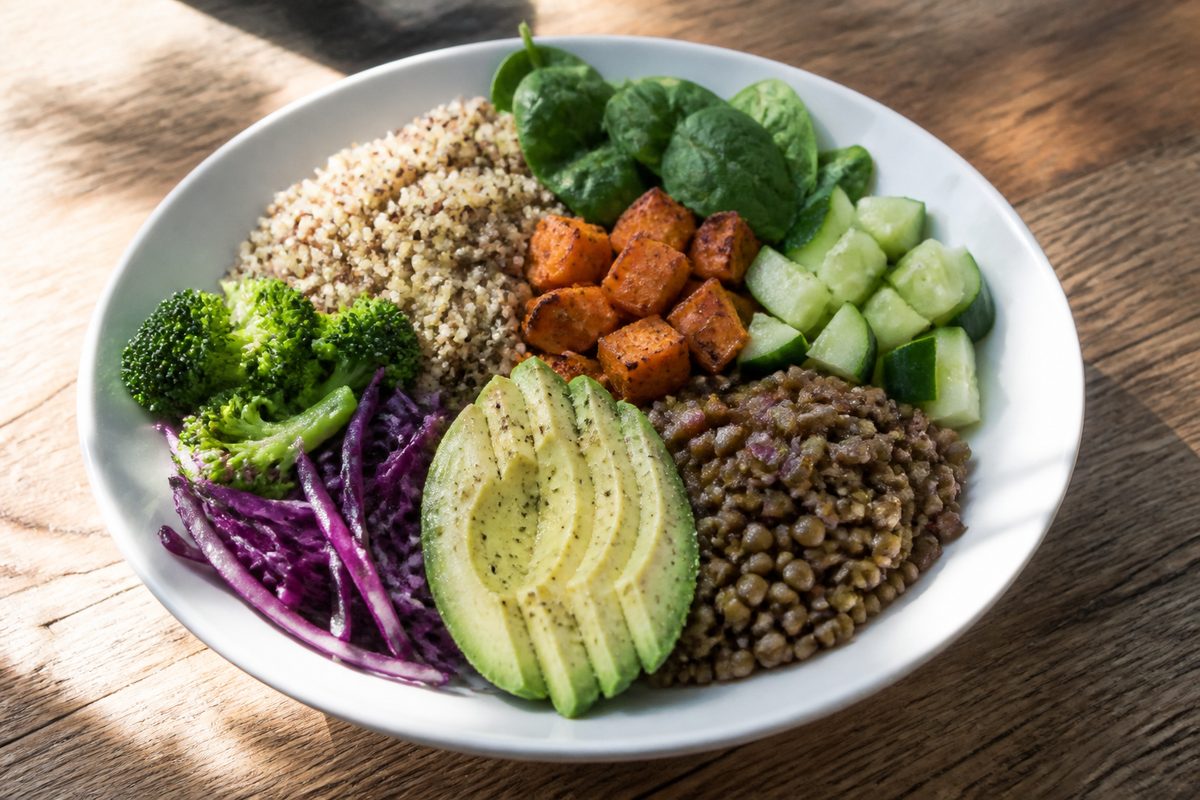
What can I eat that will fill me up but is healthy?
Read article →
How to reduce MS symptoms?
Read article →
Can fasting help autoimmune disorders?
Read article →
Does fasting help male fertility?
Read article →