How to Lose 3 kg in a Week with Intermittent Fasting (What's Actually Possible)
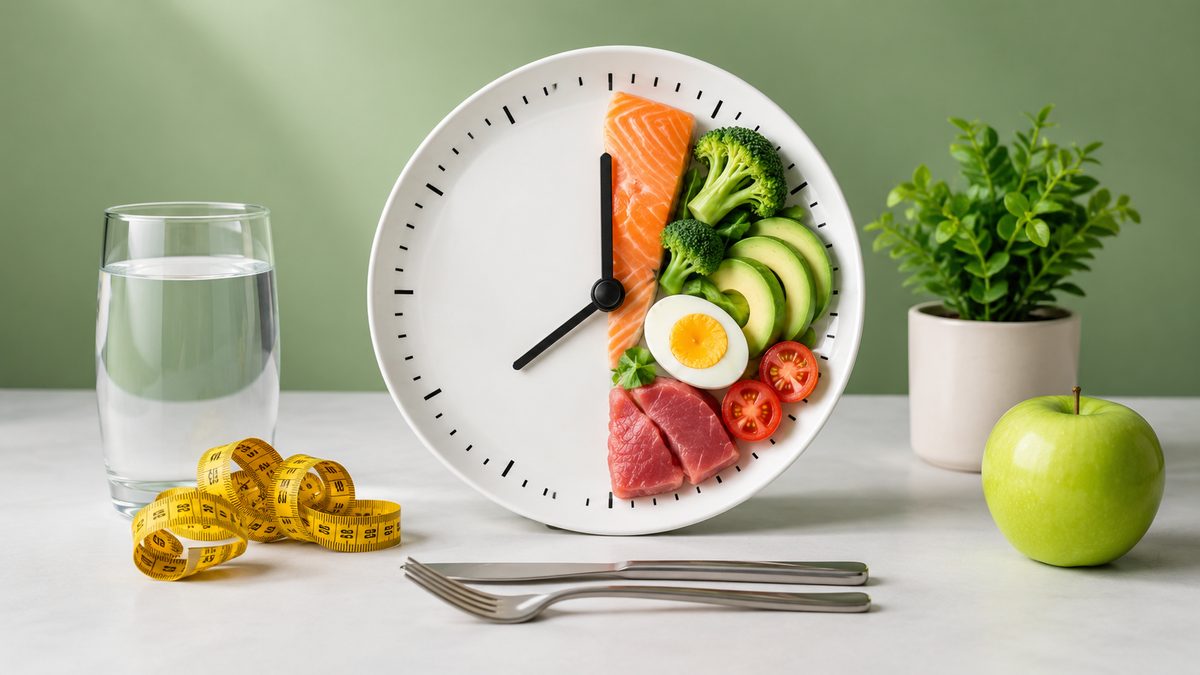
Losing 3 kg in one week with intermittent fasting isn't what research shows is possible. Studies indicate IF typically produces 5.5 to 6.5 kg of weight loss over six months, roughly 1 kg per week. To lose 3 kg of pure fat in seven days, you'd need to cut around 3,000 calories daily. That's extreme, unsustainable, and risks muscle loss and nutritional gaps.
What's realistic: 1 to 1.5 kg in your first week, mostly from water and glycogen. Then 0.5 to 1 kg of actual fat per week after that. That's the honest answer. And it's still meaningful progress. Paramount Health
Is It Realistic to Lose 3 kg in One Week with Intermittent Fasting?
The math is brutal. One kilogram of fat holds roughly 7,700 calories. To lose 3 kg of pure fat in seven days, you'd need a daily deficit of about 3,300 calories. Most people eat 1,800 to 2,500 calories a day total. You can't out-fast basic arithmetic.
A 2024 meta-analysis of 10 randomised controlled trials found that fasting strategies produced 5.5 to 6.5 kg of weight loss over six months. The same analysis found fasting led to slightly more short-term weight loss than regular calorie restriction, about 0.94 kg more, and slightly more fat loss, about 1.08 kg more. Meaningful, but nowhere near 3 kg per week.
What you can lose fast is water weight. When you fast, your body burns through glycogen stores in your liver and muscles. Each gram of glycogen holds about 3 grams of water. Deplete those stores and you drop 1 to 2 kg on the scale within days. It's real weight loss. It's not fat loss. The scale moves. Your body composition barely changes.
In my experience working through the research, people who report losing 3 kg in a week on IF are almost always measuring that first glycogen and water flush. After week one, the rate drops to 0.5 to 1 kg per week, which is exactly what clinical guidelines recommend for sustainable fat loss.
Which Intermittent Fasting Schedule Works Best for Rapid Weight Loss?
Two protocols dominate the evidence: 16:8 and 5:2.
16:8 protocol means you eat within an 8-hour window and fast for 16 hours. Most people skip breakfast, eat from noon to 8pm, and fast overnight. It fits a normal schedule without feeling like punishment. A 2020 systematic review confirmed intermittent fasting is safe and effective for weight loss, and 16:8 is the most studied format.
5:2 means you eat normally five days a week and restrict to around 500 calories on two non-consecutive days. Some people find the two hard days easier to manage mentally than daily restriction. What I found was that people who struggle with 16:8 often do better on 5:2 because they only have to white-knuckle it twice a week.
For the fastest results, 16:8 wins on consistency. You do it every day, your body adapts, and the calorie deficit compounds. A 2024 review noted that IF improves insulin sensitivity and tends to be easier to stick to than daily calorie restriction, which matters more than which protocol looks best on paper.
One angle most articles miss: the timing of your eating window matters. Research on circadian biology suggests eating earlier in the day, say 8am to 4pm, produces better metabolic outcomes than the same calories eaten later. Most people find late-window fasting easier socially, but early-window fasting may accelerate results if you can manage it.
What Should You Eat During Your Eating Window to Lose 3 kg Fast?
Fasting creates the window. What you eat inside it determines whether you lose fat or just spin your wheels.
The biggest mistake people make is treating the eating window as a reward. They fast for 16 hours and then eat back every calorie they skipped. The deficit disappears. So does the result.
Here is what actually moves the needle:
- Protein first, every meal. Aim for 1.6 to 2.2 grams per kilogram of body weight daily. Protein preserves muscle while you lose fat, keeps you full longer, and has a higher thermic effect than carbs or fat, meaning your body burns more calories just digesting it.
- Whole foods over processed. Vegetables, lean meats, eggs, legumes, and whole grains fill your plate with volume and nutrients without blowing your calorie budget.
- Control total calories. A 2020 review questioned whether IF is actually better than daily calorie restriction for weight loss. The honest takeaway: IF works because it makes eating less easier, not because fasting itself is magic. You still need a deficit.
- Limit liquid calories. Juice, flavoured coffee drinks, and alcohol can erase a day's deficit in one sitting.
A practical target: eat 300 to 500 calories below your maintenance level during your eating window. That produces 0.5 to 1 kg of fat loss per week without triggering the metabolic slowdown that comes with extreme restriction.
Can Exercise Help You Lose 3 kg in a Week While Intermittent Fasting?
Yes, exercise accelerates fat loss. No, it won't get you to 3 kg of fat in a week. But it does two things that matter more than the number on the scale.
First, resistance training preserves muscle while you're in a calorie deficit. Lose weight without lifting and you lose both fat and muscle. Lose weight with lifting and you lose mostly fat. The scale might move slower, but your body composition improves faster.
Second, cardio increases your daily calorie burn. A 45-minute run might burn 400 to 500 extra calories. Do that five days a week and you add roughly 2,000 to 2,500 calories to your weekly deficit. That's an extra 0.3 kg of fat loss per week on top of your dietary deficit.
When I tried training fasted in the morning before breaking my fast, I found energy was fine for moderate cardio but dropped off for heavy lifting. The research backs this up. Fasted cardio is manageable. Fasted strength training is harder to sustain at high intensity. If you lift, consider timing your workout close to your eating window so you can fuel properly before or after.
The combination that works: 16:8 fasting, a 400 to 500 calorie daily deficit from food, and three to four resistance sessions per week. Realistic outcome over four weeks: 2 to 4 kg of fat loss with muscle preserved.
Are There Any Health Risks to Losing 3 kg in a Week with Intermittent Fasting?
Chasing 3 kg per week carries real risks. Knowing them isn't a reason to avoid IF. It's a reason to do it right.
Muscle loss. Aggressive deficits without enough protein and resistance training cause your body to break down muscle for energy. You lose weight but become weaker and slower metabolically.
Nutritional deficiencies. A 2024 review noted that long-term strict IF may cause nutritional deficiencies, particularly in elderly and chronically ill patients. Compressing your eating window means fewer opportunities to hit your micronutrient targets. If you're eating whole foods and hitting your protein, this risk is low. If you're surviving on two meals of processed food, it's not.
Metabolic adaptation. Extreme restriction signals your body to slow down. Your resting metabolic rate drops. You burn fewer calories at rest. The deficit shrinks. Progress stalls. This is why 0.5 to 1 kg per week is the clinical sweet spot, aggressive enough to see results, moderate enough to avoid triggering a metabolic response.
Who should not do IF without medical supervision: people with a history of eating disorders, pregnant or breastfeeding women, people with type 1 diabetes or on insulin, and anyone with a chronic illness. If you fall into any of these categories, speak with a healthcare professional before starting.
For otherwise healthy adults, a 2020 systematic review confirmed IF is safe and effective. The risks above apply mainly to extreme versions, not a sensible 16:8 protocol with adequate nutrition.
How Much Water Should You Drink During Intermittent Fasting to Lose Weight Faster?
Water doesn't directly burn fat. But dehydration slows everything down, including your metabolism, your energy levels, and your ability to train hard.
A practical target during IF: 35 to 45 ml per kilogram of body weight per day. For a 75 kg person, that's roughly 2.6 to 3.4 litres. Spread it across your fasting and eating windows.
During the fasting window, water, black coffee, and plain tea are all fine. They don't break a fast. They also help manage hunger. What I found was that most hunger during fasting is actually thirst or boredom. Drinking a large glass of water when a craving hits eliminates it about half the time.
One thing most articles get wrong about water and IF: electrolytes matter more than total volume. When you fast and reduce carbohydrate intake, your kidneys excrete more sodium. Low sodium leads to headaches, fatigue, and muscle cramps, the classic "keto flu" symptoms that also show up in aggressive IF. Adding a pinch of salt to your water or eating sodium-rich whole foods during your eating window fixes this fast.
What Most Articles Get Wrong About Intermittent Fasting and Fast Weight Loss
Three things the standard IF content misses:
1. The first week number is misleading. Dropping 1.5 kg in week one feels like proof the protocol works. It's mostly water. When week two produces 0.5 kg, people think they're failing. They're not. Week two is when actual fat loss starts. Expecting the week-one rate to continue is the main reason people quit.
2. IF is a calorie control tool, not a metabolic hack. The research is clear that IF and daily calorie restriction produce similar weight loss when calories are matched. IF works because most people find it easier to eat less when they have a defined window. If you're someone who doesn't find it easier, IF offers no advantage over simply eating less throughout the day.
3. Protein targets are almost always too low. Most IF guides say "eat healthy foods" and leave it there. What I found was that people who hit 1.6 to 2.2 g of protein per kg of body weight preserved muscle and felt better throughout the process. People who didn't lost muscle alongside fat, felt worse, and often regained weight faster after stopping.
FAQ
Can you lose 3 kg in a week with intermittent fasting?
Not as fat. You can lose 1 to 1.5 kg in week one, mostly water and glycogen. After that, 0.5 to 1 kg per week is the realistic and safe rate for fat loss.
What is the fastest intermittent fasting protocol for weight loss?
16:8 is the most practical for daily use. Early time-restricted eating (eating earlier in the day) may improve metabolic outcomes further. Consistency matters more than which protocol you pick.
Will I lose muscle on intermittent fasting?
Only if your protein intake is too low or you're not resistance training. Hit 1.6 to 2.2 g of protein per kg of body weight and lift weights three to four times per week. Muscle loss is largely preventable.
Can I exercise while fasting?
Yes. Moderate cardio fasted is fine. For heavy resistance training, timing your workout near your eating window makes it easier to perform and recover.
Is intermittent fasting safe?
For healthy adults, yes. A 2020 systematic review confirmed IF is safe and effective for weight loss. People with eating disorders, diabetes, or chronic illness should consult a doctor first.
How long does it take to lose 3 kg with intermittent fasting?
At a safe rate of 0.5 to 1 kg per week, three to six weeks. Add the first-week water loss and you might see 3 kg on the scale within two to three weeks, though roughly half of that will be water.
Your Action Plan
Here's exactly what to do starting this week:
- Pick 16:8 and start today. Eat from noon to 8pm. Fast the rest. Don't overthink the protocol.
- Calculate your protein target. Multiply your body weight in kg by 1.8. That's your daily protein target in grams. Hit it every day inside your eating window.
- Create a 400 to 500 calorie daily deficit. Use a free app like MyFitnessPal for one week to understand your baseline. Then eat 400 to 500 calories below it.
- Add resistance training three times per week. Bodyweight, gym, or home weights. The modality doesn't matter. Progressive overload does.
- Drink water consistently. Aim for 35 ml per kg of body weight daily. Add a pinch of salt if you get headaches or cramps.
If you want a structured plan built around your specific goals, the team at Paramount Health can map out exactly what your body needs to lose fat, preserve muscle, and make the results last.
Sources

What snack is filling but not fattening?
Read article →
What can I eat that will fill me up but is healthy?
Read article →
How to reduce MS symptoms?
Read article →
Can fasting help autoimmune disorders?
Read article →
Does fasting help male fertility?
Read article →