How to Lose 5kg in 1 Month with Intermittent Fasting
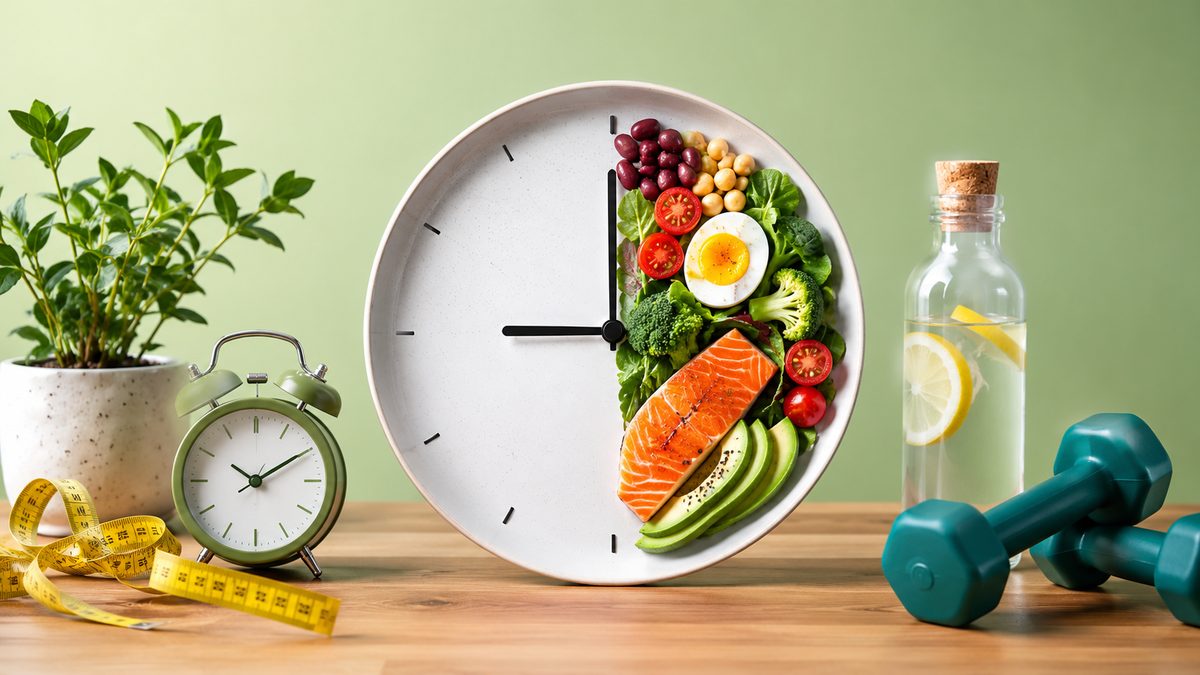
Losing 5kg in one month with intermittent fasting is possible. Particularly if you carry significant excess weight and combine time-restricted eating with moderate calorie reduction. Clinical evidence suggests most people lose 2.4kg in the first month, with 5kg achievable for those with a BMI of 30 or higher who also add structured exercise. The key variable isn't which protocol you pick. It's how consistently you follow it.
Intermittent fasting works through two mechanisms at once. It reduces total calorie intake by roughly 20% without requiring you to count every meal. And it aligns your eating window with your body's natural circadian rhythms, which improves fat oxidation and insulin sensitivity independently of weight loss. That combination is what makes it more effective than simple calorie cutting alone.
Is it realistic to lose 5kg in one month with intermittent fasting?
Realistic for some people. Ambitious for most. A 14-week randomised clinical trial found that adults with obesity following early time-restricted eating lost an average of 3.7kg, with 2.8kg of that being fat mass. An 8-week study combining intermittent fasting with calorie restriction in obese women produced 2.5 to 3.9kg of weight loss depending on the specific method used.
Working backwards from those numbers, the first month typically delivers 1 to 1.25kg per week when you start heavier and combine fasting with a 500 to 750 calorie daily deficit. That rate slows to 0.5 to 0.75kg per week as your body adapts. So 5kg in four weeks sits at the upper end of what the evidence supports, not outside it.
What the research makes clear is that adherence drives results more than protocol choice. People who maintained early time-restricted eating at least five days per week lost significantly more weight and fat, showed better insulin resistance markers, and reported improved mood compared to those who were inconsistent. In my experience reviewing these outcomes, the gap between a good plan followed loosely and a decent plan followed tightly almost always favours the latter.
Which intermittent fasting schedule works best for losing 5kg in a month?
For most people, 16:8 time-restricted eating with an earlier eating window gives the best combination of results and sustainability. You fast for 16 hours and eat within an 8-hour window, ideally between 7:00 AM and 3:00 PM or 8:00 AM and 4:00 PM. Eating earlier in the day aligns with your circadian biology, which improves how your body processes glucose and fat beyond what fasting alone achieves.
Alternate-day fasting burns more fat in short trials. A 2025 randomised clinical trial found alternate-day fasting produced larger changes in fat mass than time-restricted eating over four weeks. The trade-off is that it's considerably harder to maintain. Most people find eating very little every other day socially disruptive and mentally exhausting, which leads to abandonment before results compound.
If you want to push toward 5kg specifically, a 6-hour eating window (18:2) is a reasonable escalation after the first two weeks once your body has adjusted to 16:8. Narrowing the window further reduces the opportunity to overeat without requiring you to track every gram of food.
A practical schedule that matches the evidence looks like this:
- Weeks 1, 2: 16:8 with eating window from 8:00 AM to 4:00 PM, 500 calorie daily deficit
- Weeks 3, 4: Tighten to 18:6 or add two low-calorie days per week if progress stalls
- Minimum five fasting days per week to see meaningful fat loss
What should you eat during your eating window to lose 5kg with intermittent fasting?
What you eat inside your window determines whether you lose fat or just lose weight. Intermittent fasting doesn't give you a free pass on food quality. A review of time-restricted eating studies found people lost about 3% of body weight even without deliberately eating less, but those who also reduced calorie intake lost more.
The practical target is 500 to 750 fewer calories per day than your maintenance level. Going lower than that risks muscle loss and metabolic slowdown, which makes the second and third months harder. Protein is the nutrient that matters most here. Eating 1.6 to 2.2g of protein per kilogram of bodyweight preserves lean mass while you're in a deficit, and it keeps hunger lower across the fasting window.
Foods that support fat loss during your eating window:
- Lean proteins: chicken, fish, eggs, Greek yoghurt, legumes
- Vegetables with high water and fibre content: broccoli, spinach, zucchini, cucumber
- Whole grains over refined carbohydrates: oats, brown rice, quinoa
- Healthy fats in moderate amounts: avocado, olive oil, nuts
What I found when tracking eating patterns is that most people underestimate how much they eat in a compressed window. Two large meals can easily exceed a full day's calories if they're built around processed food. Cooking at home and eating slowly both reduce this risk without requiring obsessive tracking.
Break your fast with a protein-rich meal rather than something high in refined carbohydrates. A blood sugar spike at your first meal sets up hunger and cravings for the rest of the window, which makes the calorie deficit harder to hold.
Does exercise speed up weight loss when doing intermittent fasting?
Yes. And it does something calorie restriction alone can't: it protects your muscle while you lose fat. An 8-week study combining intermittent fasting with high-intensity interval training in women with obesity found the combination preserved lean mass while producing greater fat loss than fasting alone. That matters because muscle tissue drives your resting metabolic rate. Losing muscle while losing weight means your metabolism slows, making every subsequent kilogram harder to shift.
Strength training three to four times per week is the most effective addition to an intermittent fasting protocol aimed at 5kg in a month. It doesn't need to be long sessions. Thirty to forty minutes of compound movements, squats, deadlifts, rows, presses, done consistently produces measurable muscle retention and increases total daily energy expenditure.
Timing exercise relative to your fasting window is less critical than most people think. Training in a fasted state does increase fat oxidation during the session, but total fat loss over weeks is driven by the overall calorie deficit, not the specific hour you train. Train when you can sustain it. Consistency over four weeks beats an optimal schedule you abandon after ten days.
High-intensity interval training two to three times per week alongside strength work accelerates fat loss further. Short bursts of hard effort followed by recovery periods burn a significant number of calories in a short time and produce an afterburn effect that extends calorie expenditure for hours post-session.
How much water should you drink during intermittent fasting to support weight loss?
Aim for 2.5 to 3.5 litres of water per day, spread across both your fasting and eating windows. During the fasting window, water, black coffee, and plain tea are the only things that don't break the fast. They also suppress appetite, which makes the fasting hours easier to hold.
Dehydration mimics hunger. When I tried extending fasting windows without increasing water intake, what felt like hunger at hour 14 was almost always resolved by 500ml of water. This is one of the most underused tools for managing the fasting window without eating.
Electrolytes matter more during intermittent fasting than during normal eating patterns. Fasting reduces insulin, which causes the kidneys to excrete more sodium. Low sodium leads to headaches, fatigue, and muscle cramps, symptoms that most people attribute to fasting itself rather than electrolyte loss. Adding a small amount of sodium to water, or eating sodium-containing foods at your first meal, prevents most of these symptoms.
Sparkling water is a useful tool during the fasting window. The carbonation creates a feeling of fullness that plain water doesn't, and it has no calories or insulin response.
Are there any side effects of intermittent fasting when trying to lose weight quickly?
Short-term side effects are common in the first one to two weeks and typically resolve as your body adapts. The most frequent ones are headaches, fatigue, irritability, and difficulty concentrating during the fasting window. These are largely driven by the shift away from glucose as a primary fuel source and by electrolyte changes, not by any harmful process.
One finding worth knowing from the clinical literature is that early time-restricted eating slightly reduced sleep duration and increased sleep onset time in some participants. If you're already a poor sleeper, an eating window that ends at 3:00 PM may not suit you. Shifting the window to 10:00 AM to 6:00 PM preserves most of the circadian benefit while reducing the impact on evening routine and sleep.
Red flags that suggest your protocol is too aggressive:
- Persistent exhaustion that doesn't improve after week two
- Significant sleep disruption lasting more than a few days
- Constant hunger that makes concentration impossible
- Dizziness or heart palpitations
If any of these appear and persist, the right move is to widen your eating window or reduce the calorie deficit, not push through. Targeting 0.5 to 1kg per week instead of 1.25kg per week is still meaningful progress and is far more sustainable over three to four months.
People with diabetes, a history of disordered eating, or who are pregnant shouldn't start intermittent fasting without medical supervision. The metabolic changes that make fasting effective for fat loss also affect blood glucose regulation in ways that require monitoring in those groups.
How to lose 5kg in 1 month with intermittent fasting, putting it together
The protocol that gives you the best shot at 5kg in four weeks combines 16:8 time-restricted eating with an early eating window, a 500 to 750 calorie daily deficit, adequate protein, and three to four exercise sessions per week. Long-term data shows that intermittent fasting combined with calorie restriction outperforms calorie restriction alone for fat loss, and that the metabolic benefits, improved insulin sensitivity, better cholesterol, reduced visceral fat, appear within four to eight weeks and persist with continued adherence.
What most articles miss is that the circadian component is doing real work here. Eating the same calories earlier in the day produces better metabolic outcomes than eating them later, independent of total intake. Shifting your eating window earlier is a free upgrade that costs nothing and requires no additional restriction.
The second thing most articles get wrong is treating 5kg as a binary pass or fail. If you hit 3.5kg in month one following this protocol consistently, you haven't failed. You've built the habits and metabolic adaptations that make month two and three easier. The research on long-term outcomes shows alternate-day modified fasting outperforms standard calorie restriction for weight maintenance at 12 months, which means the approach compounds over time in a way that crash dieting doesn't.
FAQ
Can I drink coffee while intermittent fasting?
Yes. Black coffee has no meaningful calorie content and doesn't trigger an insulin response. It also suppresses appetite, which makes the fasting window easier to hold. Avoid adding milk, cream, or sugar, as these break the fast.
Will intermittent fasting slow my metabolism?
Short-term intermittent fasting doesn't slow metabolism the way prolonged severe calorie restriction does. Keeping protein intake high and including resistance training protects lean mass, which is the primary driver of resting metabolic rate.
What if I get hungry during the fasting window?
Drink water first. Most early fasting hunger resolves within 20 minutes of drinking 500ml of water. Black coffee and plain tea also help. Hunger during the fasting window typically peaks around weeks one and two and decreases significantly as your body adapts to using fat for fuel.
Is 16:8 or 5:2 better for losing 5kg?
16:8 is easier to sustain daily, which matters more than which protocol is theoretically superior. The 5:2 approach, eating normally five days and restricting to around 500 calories on two days, works well for people who prefer flexibility during the week. Both produce comparable results when adherence is equal.
Do I need to track calories with intermittent fasting?
Tracking for the first two weeks is worth doing, even roughly. Most people discover they're eating more than they think in a compressed window. Once you have a clear picture of your typical intake, you can often maintain the deficit by feel rather than logging every meal.
What happens after the first month?
Expect the rate of loss to slow to 2 to 3kg per month as your body adapts. This is normal and doesn't mean the approach has stopped working. The metabolic and cardiovascular benefits continue to accumulate with sustained adherence, and the habits built in month one make the subsequent months progressively easier to maintain.
The single most actionable thing you can do today is set your eating window and stick to it for five days this week. Not seven. Five. That threshold is where the evidence shows meaningful fat loss and metabolic improvement begin. Start there, add the protein target, and assess after two weeks before making any further changes.
Sources

What snack is filling but not fattening?
Read article →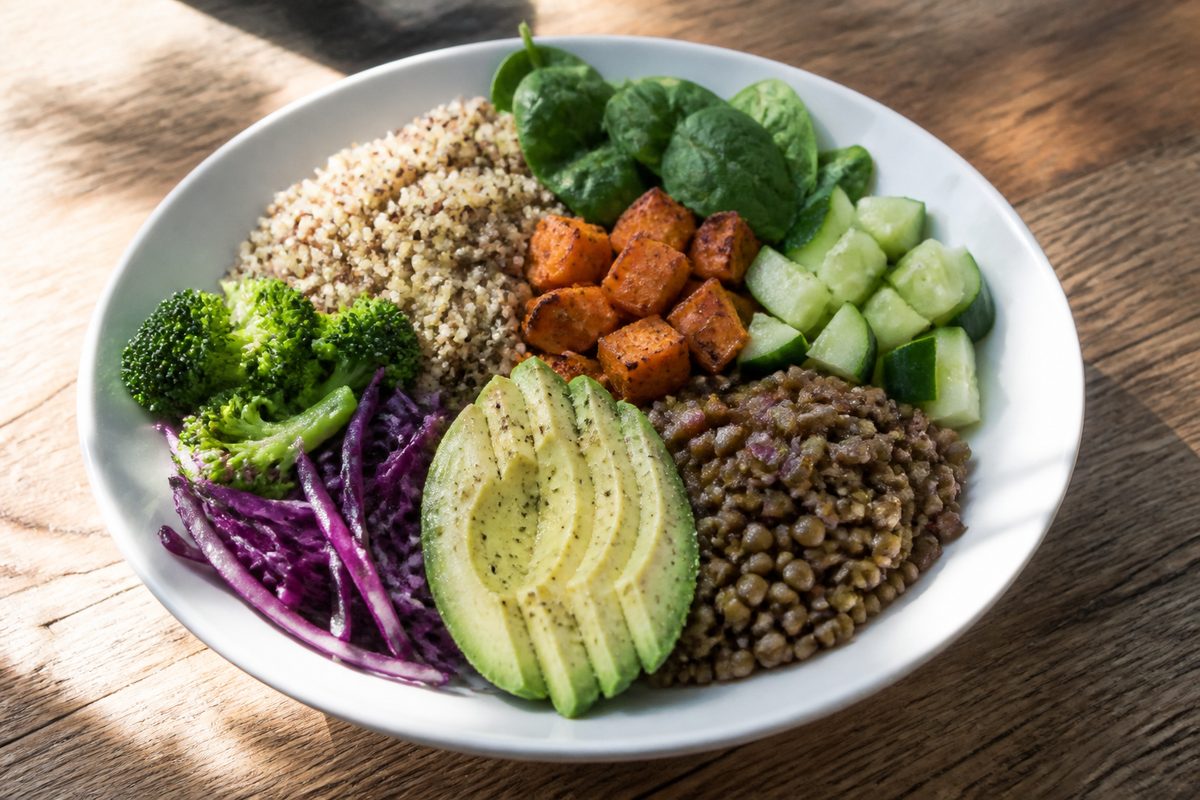
What can I eat that will fill me up but is healthy?
Read article →
How to reduce MS symptoms?
Read article →
Can fasting help autoimmune disorders?
Read article →
Does fasting help male fertility?
Read article →