How to Lose 6kg in 1 Month: What's Safe, What's Not, and How to Do It Right

Losing 6kg in one month is possible, but it sits at the outer edge of what your body can handle safely. If you have a lot of weight to lose and you're working with a doctor, it can happen, especially in the first four to eight weeks when water weight and early fat loss speed things up.
If you're closer to a healthy weight and going it alone, 2 to 4kg per month is smarter and safer. Push harder than that without supervision and you risk real damage to your liver, kidneys, and muscle mass.
Here's what the evidence says, what to actually do, and when to stop.
Is It Safe to Lose 6kg in One Month?
It depends on your starting point. For most people, no. For people with obesity under medical supervision, possibly yes, but only with the right safeguards in place.
Standard clinical guidance puts safe weight loss at 0.5 to 1kg per week. Six kilograms in a month means 1.5kg per week, which is double the upper end of that range. Your body can manage that pace briefly, but sustaining it without losing muscle or stressing your organs is genuinely hard.
The risks aren't theoretical. A documented case series found that six patients developed severe liver disease following rapid weight loss, with four requiring urgent liver transplants or dying from the condition. The liver damage occurred despite no alcohol use. Separately, combat sport athletes who lost around 5% of their body weight in a single week showed measurable kidney stress, including elevated creatinine and blood urea nitrogen, markers that signal the kidneys are struggling.
Rapid weight loss also hits your hormones. Research on wrestlers undergoing fast weight cuts found increased cortisol, reduced testosterone, and significantly higher anxiety scores alongside the physical markers of stress. Your body reads aggressive calorie restriction as a threat, and it responds accordingly.
None of this means 6kg in a month is impossible or always dangerous. It means you need to know what you're doing before you start.
How Many Calories Do You Need to Cut to Lose 6kg in a Month?
One kilogram of fat contains roughly 7,700 calories. To lose 6kg of pure fat in 30 days, you'd need a deficit of about 46,200 calories across the month, or around 1,540 calories per day. For most people, that's not achievable without starving, and starvation accelerates muscle loss, not just fat loss.
In practice, early weight loss includes water and glycogen, which makes the scale move faster than pure fat math suggests. This is why the first two weeks often show bigger drops. After that, the rate slows.
A realistic and safer approach:
- Target a daily deficit of 500 to 750 calories through a combination of eating less and moving more
- This produces roughly 0.5 to 1kg of fat loss per week
- Add water weight loss in week one and two, and 2 to 4kg per month is achievable for most people
- If you're in a supervised program and have significant weight to lose, a larger deficit may be appropriate, but only under medical guidance
A practical rule: if you lose more than 1.5kg in any week after the first two, add 200 to 300 calories back into your daily intake. That's your signal the deficit is too aggressive.
What Diet Is Most Effective for Losing 6kg in a Month?
Protein is non-negotiable. When you cut calories hard, your body will burn muscle for fuel unless you give it a reason not to. High protein intake is that reason.
Aim for 1.6 to 2.2 grams of protein per kilogram of your ideal body weight daily. If your goal weight is 70kg, that's 112 to 154 grams of protein per day. Spread it across meals rather than loading it all at once.
Beyond protein, the most effective approach is one you can actually follow. Overly complex meal plans collapse within two weeks. What works:
- Build meals around protein first: chicken, fish, eggs, Greek yogurt, legumes, lean red meat
- Fill half your plate with vegetables: high volume, low calories, keeps you full
- Reduce but don't eliminate carbohydrates: cutting carbs sharply accelerates early water weight loss, but very low carb diets are hard to sustain and can tank your training performance
- Cut liquid calories completely: alcohol, juice, and sugary drinks are the fastest way to blow a deficit without noticing
- Eat at consistent times: irregular eating patterns increase hunger hormones and make adherence harder
People who track their food for the first two weeks, even roughly, lose significantly more than those who estimate. You don't have to track forever. But doing it early builds an accurate picture of where your calories are actually coming from.
What Type of Exercise Helps You Lose 6kg in One Month?
Most people go straight to cardio when they want to lose weight fast. That's not wrong, but it's incomplete.
Resistance training two to three times per week is the part most people skip, and it's the part that matters most for keeping muscle while you lose fat. Research on weight loss interventions, including both surgical and pharmacological approaches, consistently shows that without resistance training, a significant portion of weight lost comes from muscle rather than fat. Losing muscle slows your metabolism and makes the weight easier to regain.
The combination that works:
- Resistance training 2 to 3 times per week: compound movements like squats, deadlifts, rows, and presses. You don't need to be in a gym. Bodyweight training works if you push the intensity.
- Daily movement: walking is underrated. Ten thousand steps per day burns an additional 300 to 500 calories for most people without the recovery cost of intense cardio.
- Cardio 2 to 3 times per week: cycling, swimming, running, rowing. Keep sessions to 30 to 45 minutes at moderate intensity. High-intensity interval training (HIIT) is time-efficient but adds recovery stress, so don't stack it on top of heavy lifting days.
Combining daily walking with three resistance sessions and two cardio sessions per week produces noticeably better results than cardio alone, and the muscle soreness is manageable. The walking does more work than people expect.
Can Drinking More Water Help You Lose 6kg in a Month?
Water won't directly burn fat, but it plays a real supporting role, and skipping it creates problems that slow everything down. Understanding proper hydration during restrictive eating patterns is essential for safe weight loss.
Drink 2 to 3 litres per day. Here's why it matters:
- Dehydration is one of the primary mechanisms behind kidney stress during rapid weight loss. Staying hydrated protects your kidneys as your body processes the metabolic byproducts of fat breakdown.
- Thirst is frequently misread as hunger. Drinking water before meals reduces calorie intake in most people.
- Water supports liver function, and your liver is doing extra work when you're in a significant calorie deficit.
- Performance in the gym drops sharply when you're even mildly dehydrated, which means your workouts become less effective.
Urine colour is your simplest monitoring tool. Pale yellow means you're hydrated. Dark yellow or amber means drink more. Dark brown urine is a warning sign that requires immediate medical attention.
What Are the Risks of Trying to Lose 6kg in Just One Month?
The risks are real and worth knowing before you start, not after something goes wrong.
Liver damage: Rapid weight loss can trigger non-alcoholic steatohepatitis, a form of liver inflammation. In severe cases documented in the research, this has been fatal. This isn't common, but it is documented, and it's why liver function tests before and during aggressive weight loss matter.
Kidney stress: Aggressive calorie restriction combined with dehydration puts measurable strain on the kidneys. People with any existing kidney issues face higher risk.
Muscle loss: Without adequate protein and resistance training, a large portion of rapid weight loss comes from muscle. This is metabolically damaging and makes long-term weight maintenance harder.
Hormonal disruption: Cortisol rises, testosterone drops, and anxiety increases under rapid weight loss conditions. This affects mood, sleep, recovery, and motivation.
Gallstones: Rapid weight loss is a known trigger for gallstone formation. The risk increases when fat intake drops very low.
Stop immediately and see a doctor if you experience:
- Dark or brown urine
- Severe fatigue that doesn't improve with rest
- Dizziness or fainting
- Unexpected and rapid strength loss
- Abdominal pain, especially upper right side
- Heart palpitations
The One Thing Most Articles Get Wrong About Losing Weight Fast
Most articles frame rapid weight loss as either completely fine or completely dangerous. Neither is accurate.
What they miss: the risk scales with your starting point. Someone with 50kg to lose faces different physiology than someone with 8kg to lose. For the person with significant obesity, a faster initial rate of loss is often medically appropriate and can reduce cardiovascular and metabolic risk faster than a slow approach. For someone already close to a healthy weight, the same pace is genuinely dangerous because there's less fat to lose and the body turns to muscle and organ tissue faster.
The second thing most articles miss: the first two weeks aren't representative. Early weight loss is partly water and glycogen depletion, not fat. Seeing 3kg drop in week one doesn't mean you're on track to lose 12kg in a month. It means your body shed stored carbohydrates and the water bound to them. Fat loss is slower and steadier. Expecting week one results to continue leads people to cut calories even harder when the scale slows, which is exactly when the risks escalate.
Third: gradual weight loss isn't automatically better for long-term maintenance. One study found no significant advantage of gradual over rapid weight loss for keeping weight off. The method that works is the one you can sustain, and that's different for everyone.
Before You Start: What to Check
If you're planning to lose weight at this pace, get baseline blood tests first. Ask your doctor for kidney function (creatinine, eGFR), liver enzymes (ALT, AST), and a full blood count. Repeat these at two to four weeks in. This isn't overcautious. It's how you catch problems before they become serious.
If you're working with a health professional, tell them your target and timeline. A good practitioner will either support the plan with appropriate monitoring or redirect you to a safer pace based on your individual health picture.
If you want structured support for sustainable fat loss, the team at Paramount Health works with clients on evidence-based weight loss programs tailored to individual starting points and goals.
FAQ
Can I lose 6kg in a month without exercise?
Technically yes, through diet alone, but you'll lose more muscle in the process. Resistance training is what tells your body to preserve muscle while burning fat. Skipping it makes the number on the scale look better while your body composition gets worse.
Is losing 6kg in a month realistic for everyone?
No. People with more weight to lose will see faster results, especially early on. People closer to a healthy weight will find 6kg in a month extremely difficult and potentially harmful. A realistic target for most people is 2 to 4kg per month.
Will I regain the weight after losing it quickly?
Rapid weight loss doesn't automatically cause rebound weight gain. What causes regain is returning to old habits. The research suggests rapid and gradual weight loss have similar long-term outcomes when the approach is maintained. The method matters less than what you do after.
What's the fastest safe way to lose weight?
High protein intake, a moderate calorie deficit of 500 to 750 calories per day, resistance training, daily walking, and adequate hydration. This produces 0.5 to 1kg of fat loss per week plus additional water weight loss early on. Faster than this requires medical supervision.
Do I need to count calories to lose 6kg?
Not forever, but tracking for the first two to four weeks is highly effective. Most people significantly underestimate how much they eat. Tracking builds awareness that makes intuitive eating more accurate later on.
Can supplements help me lose 6kg faster?
No supplement produces meaningful fat loss on its own. Protein powder can help you hit your protein targets if whole food sources are inconvenient. Creatine supports muscle retention during a deficit. Everything else marketed for rapid fat loss has weak evidence at best.
What to Do Now
Set your protein target first: 1.6 to 2.2 grams per kilogram of your goal body weight, every day. Get baseline blood tests before you start. Build your week around three resistance sessions and daily walking. Track your food for the first two weeks. If you lose more than 1.5kg in any week after week two, add 200 to 300 calories back in. Watch for warning signs and act on them immediately.
That's the plan. The rest is execution.
Sources

What snack is filling but not fattening?
Read article →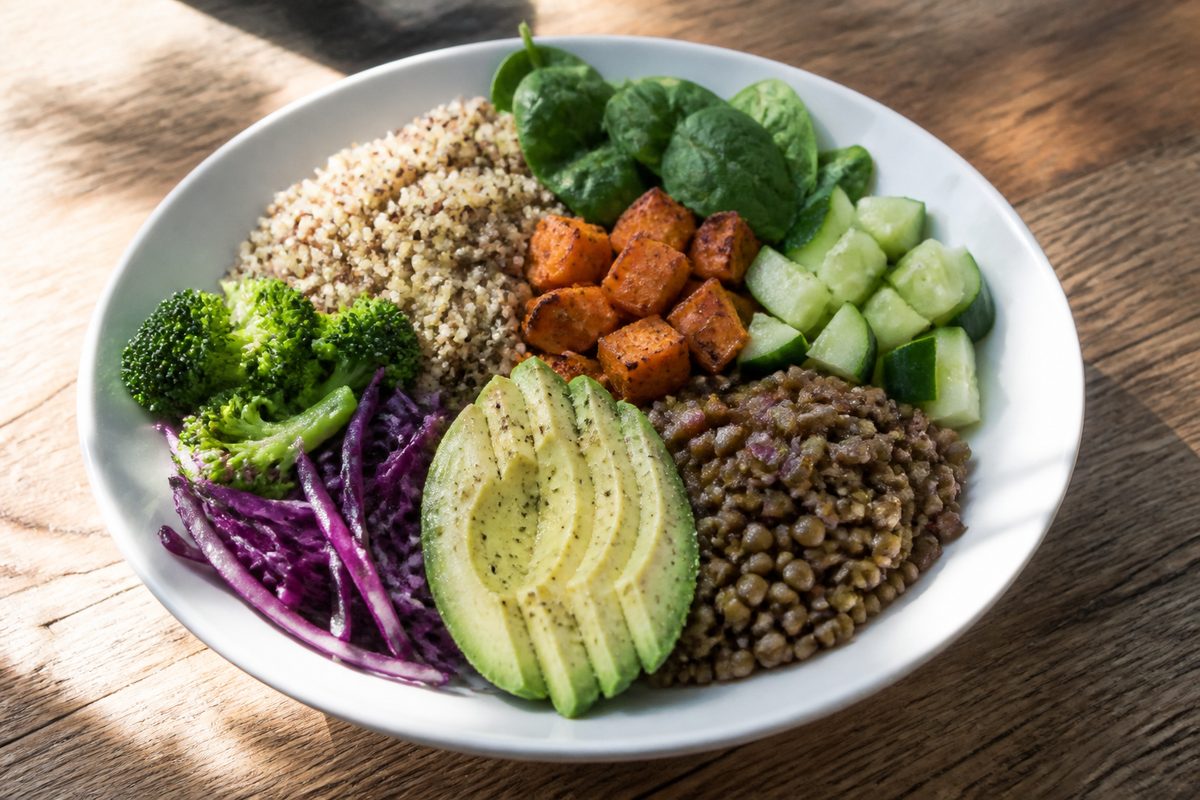
What can I eat that will fill me up but is healthy?
Read article →
How to reduce MS symptoms?
Read article →
Can fasting help autoimmune disorders?
Read article →
Does fasting help male fertility?
Read article →