Is Fasting for 16 Hours Healthy? What the Research Actually Shows
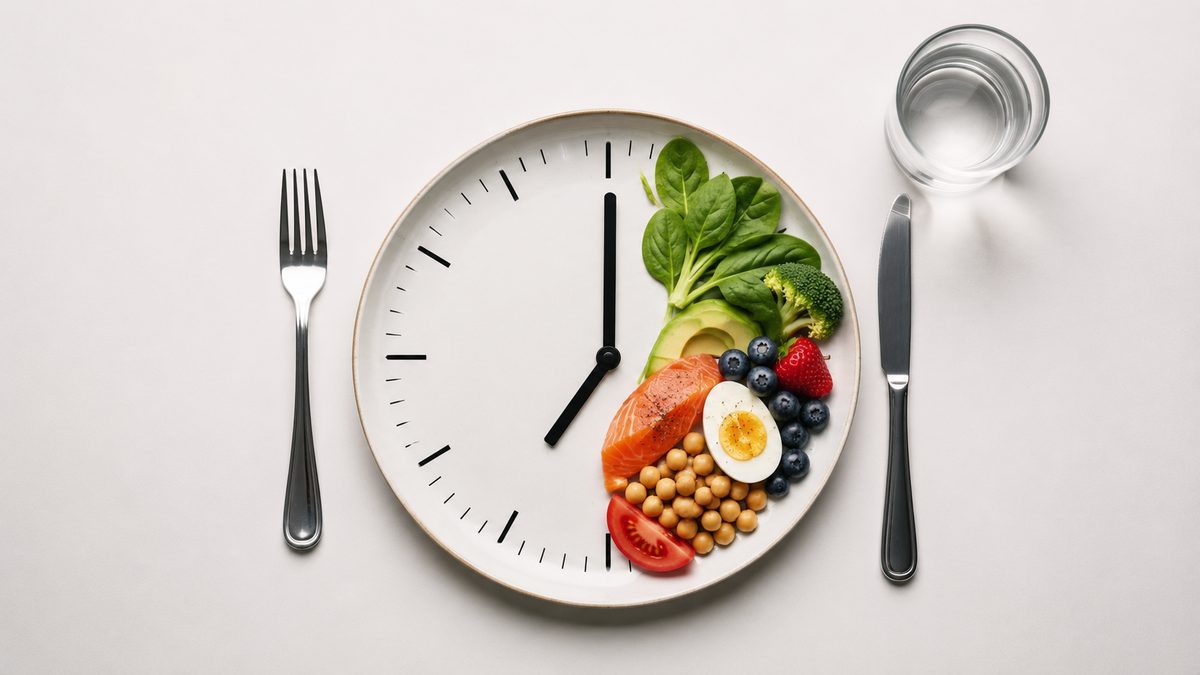
Yes, fasting for 16 hours is healthy for most adults. A controlled trial of 99 adults with obesity and type 2 diabetes found that 16:8 intermittent fasting produced 4.02% body weight loss over three months, compared to just 0.55% in the control group, with measurable improvements in blood sugar, HbA1c, and cholesterol. A broader network meta-analysis of 6,582 adults across 99 randomised trials confirmed that fasting consistently reduces body weight regardless of health status. The mechanism is real. The safety record in trials is clean. Most healthy adults can start without medical supervision.
That said, a few groups need to check with their doctor first. Pregnant or breastfeeding women, people with a history of eating disorders, anyone on diabetes medication, and those with a BMI under 18.5 should get clearance before starting. For everyone else, the evidence points in one direction.
What Happens to Your Body When You Fast for 16 Hours?
The shift happens around the 12 to 16 hour mark. Your liver runs out of stored glycogen, the sugar it keeps on hand for quick energy. Once that runs out, your body switches to burning fat and producing ketones as fuel instead. That metabolic switch drives most of the benefits people see from 16:8 fasting.
When insulin drops during the fast, fat cells release stored fatty acids into the bloodstream. The liver converts those into ketones, which the brain and muscles use efficiently. At the same time, a cellular cleanup process called autophagy ramps up. Your cells start breaking down and recycling damaged proteins and old components. This is your body doing maintenance work it can't do when insulin is elevated from regular eating.
Growth hormone levels also rise during extended fasting, which helps preserve muscle mass while fat is being burned. Inflammatory markers tend to fall. In the studies, these changes show up as better insulin sensitivity, lower fasting glucose, and improved lipid panels, not just weight loss.
The 16-hour window isn't arbitrary. Twelve hours is roughly the minimum to deplete liver glycogen in most people. Sixteen hours gives the metabolic switch time to fully engage and autophagy time to meaningfully activate. Going longer adds diminishing returns for most people and increases the chance of muscle breakdown if protein intake isn't managed carefully.
Can Fasting for 16 Hours Help With Weight Loss?
It does, and the effect is consistent across populations. The umbrella review covering 130 studies found that intermittent fasting reliably reduces body weight and obesity-related metabolic markers in the short term. Most people following 16:8 fasting lose between 3 and 6 kg over three to six months.
When researchers compared 16-hour fasting directly against continuous calorie restriction, fasting came out slightly ahead. A meta-analysis of 10 trials with 623 participants found fasting produced 0.94 kg more weight loss and 1.08 kg more fat loss than standard calorie cutting. The difference is modest in absolute terms, but fasting also produced greater improvements in insulin sensitivity, which matters beyond the number on the scale.
The practical advantage is clear. Most people find it easier to skip breakfast than to count calories at every meal. You're restricting your eating window rather than calculating macros. Adherence rates for time-restricted eating tend to be higher than for continuous calorie restriction, which is probably why the real-world results hold up.
Combining a 16-hour fast with modest calorie reduction during the eating window produces the best outcomes. A 2025 systematic review found that time-restricted eating paired with calorie reduction burned more body fat than calorie reduction alone. You don't have to do both, but if fat loss is the goal, the combination works faster.
How Does 16-Hour Fasting Affect Metabolism?
Here's what most articles miss: 16:8 fasting doesn't slow your metabolism. This is a common concern, and it's largely unfounded at the 16-hour mark. Metabolic rate only drops meaningfully when calorie restriction is severe and sustained over weeks. A 16-hour fast followed by normal eating doesn't trigger that response.
What fasting does change is metabolic flexibility, your body's ability to switch between burning carbohydrates and burning fat. Most people eating three meals a day with snacks never fully deplete glycogen, so their fat-burning machinery gets little use. Regular 16-hour fasting trains that system. Over weeks, the switch becomes faster and more efficient.
Insulin sensitivity improves consistently across the trials. Lower fasting insulin means your cells respond better to the insulin you do produce, which reduces fat storage and lowers the risk of type 2 diabetes. The trial of adults with existing type 2 diabetes showed HbA1c improvements alongside weight loss, which suggests the metabolic benefit isn't just a downstream effect of weighing less.
Here's something most articles get wrong: ketones do more than just fuel your cells. They act as signalling molecules. They activate genes involved in stress resistance and cellular repair, suppress inflammatory pathways, and influence the gut microbiome. The metabolic benefits of fasting are partly about what ketones do as messengers, not just what they do as energy.
Is 16:8 Intermittent Fasting Safe for Everyone?
Safe for most adults, not safe for everyone. The trial record is clean. No serious adverse events were reported in the major randomised controlled trials, including the 99-person diabetes trial and the large network meta-analysis. That's a meaningful safety signal.
The groups who shouldn't start without medical supervision are clear. Pregnant and breastfeeding women need consistent calorie and nutrient intake for fetal and infant development. People with a history of anorexia or bulimia can find that structured fasting reactivates disordered patterns around food. Anyone on insulin or sulfonylureas for diabetes faces a real hypoglycaemia risk if medication doses aren't adjusted to match the new eating pattern. People with a BMI under 18.5 don't have the fat reserves to sustain extended fasting safely.
For healthy adults, the main risks are short-term and manageable. Hunger, irritability, and difficulty concentrating are common in the first two weeks. These symptoms reflect your body adapting to the metabolic switch, not a sign that something is wrong. They typically resolve within two to four weeks as metabolic flexibility improves.
Electrolyte imbalance is a real but avoidable risk. Drinking enough water and getting adequate sodium, potassium, and magnesium during the eating window prevents most of the headaches and fatigue people attribute to fasting. If you feel genuinely unwell, dizzy, or extremely fatigued, eat sooner. The goal is a sustainable practice, not hitting an exact number of hours.
What Can You Consume During a 16-Hour Fast Without Breaking It?
Water, black coffee, and plain unsweetened tea are the standard answers, and they're correct. None of these raise insulin or provide calories that would interrupt the fasted state.
Where people get confused is with additions. A splash of milk in coffee adds a small amount of protein and carbohydrate. Whether that breaks a fast depends on what you're fasting for. For weight loss and insulin sensitivity, a small amount of milk is unlikely to matter. For autophagy specifically, any protein or carbohydrate intake will blunt the response, since autophagy is suppressed by mTOR activation, which protein triggers.
Plain sparkling water is fine. Flavoured sparkling water with no calories and no sweeteners is generally fine. Diet sodas and artificially sweetened drinks are more contested. Some research suggests certain artificial sweeteners trigger an insulin response in some people, though the evidence isn't definitive. If you're not seeing results, cutting sweetened drinks during the fast is a reasonable first adjustment.
Electrolyte supplements with no calories or sweeteners are fine and often helpful, especially in the first few weeks. Salt in water, or a plain electrolyte powder, can reduce headaches and fatigue without affecting the fast.
What Are the Potential Side Effects of a 16-Hour Fast?
Most side effects are front-loaded. The first two weeks are the hardest. After that, most people report that hunger during the fasting window decreases significantly, energy stabilises, and the eating window feels natural rather than restricted.
Common early side effects include hunger (obvious), irritability, brain fog, headaches, and disrupted sleep. Headaches are usually dehydration or low sodium. Brain fog typically reflects the brain adapting to using ketones instead of glucose. Sleep disruption can happen if you eat too close to bedtime or if hunger wakes you early in the morning.
Less common but worth knowing about is muscle loss. If your protein intake during the eating window is low and you're doing significant exercise, extended fasting can contribute to muscle breakdown. Hitting your protein target during the eating window, roughly 1.6 to 2.2 grams per kilogram of body weight for active people, prevents this.
There's also a social dimension that studies don't capture well. Skipping breakfast or lunch can create friction with family meals, work lunches, and social eating. The people who stick with 16:8 long-term are the ones who pick an eating window that fits their social life, not the one that sounds most optimal on paper. Eating from noon to 8 PM works for most people. Eating from 10 AM to 6 PM works better for others. The specific window matters less than consistency.
How to Start 16:8 Fasting Without Making It Harder Than It Needs to Be
Start with a 12-hour overnight fast. Most people already do this without thinking about it. If you finish dinner at 7 PM and eat breakfast at 7 AM, you've fasted for 12 hours. From there, push breakfast back by 30 minutes every few days until you reach a 16-hour window. This gradual approach reduces the intensity of early side effects and improves long-term adherence.
You don't need to fast every day to see results. The trials showing consistent benefits used protocols ranging from three to seven days per week. Starting with three or four days per week and building from there is a reasonable approach, especially if you have a variable schedule.
During the eating window, eat normally. You don't need to count calories for fasting to work, though combining modest calorie reduction with the fasting window accelerates fat loss. Focus on protein and vegetables first. Avoid using the eating window as a reason to overeat, which is the most common reason people don't see results.
This is exactly the kind of approach the team at Paramount Health works through with clients, matching the fasting protocol to the individual's health status, goals, and lifestyle rather than applying a one-size approach.
Frequently Asked Questions
Does 16-hour fasting work without changing what you eat?
Yes, though results are slower. The trials show weight and metabolic improvements from the fasting window alone, without prescribed calorie targets. Combining fasting with better food choices accelerates results, but the fasting window itself produces measurable changes in insulin sensitivity and body composition.
Will I lose muscle on 16:8 fasting?
Not if your protein intake is adequate. The growth hormone rise during fasting actually helps preserve muscle. The risk comes from low protein intake during the eating window, not from the fast itself. Hit your protein target and resistance train if muscle retention is a priority.
How long before I see results from 16-hour fasting?
Most people notice changes in energy and hunger patterns within two to three weeks. Measurable weight loss typically shows up within four to six weeks. The three-month trials show the clearest results, so give it at least that long before evaluating whether it's working.
Can I exercise during the fasting window?
Yes. Training in a fasted state is common and generally well-tolerated. Some people find fasted training improves fat oxidation during exercise. If you feel weak or dizzy during fasted workouts, try shifting training to the early part of your eating window instead.
Is 16:8 fasting the same as the 5:2 diet?
No. The 5:2 diet involves eating normally five days a week and restricting to around 500 calories on two non-consecutive days. The 16:8 approach restricts the eating window daily rather than restricting calories on specific days. Both are forms of intermittent fasting, but the mechanisms and practical experience differ.
Does fasting affect women differently than men?
Some research suggests women may be more sensitive to calorie restriction signals, with potential effects on reproductive hormones if fasting is too aggressive. The evidence for 16:8 specifically showing harm in healthy women is thin, but women who notice menstrual irregularities after starting fasting should reduce the fasting window or stop and consult a doctor.
The One Thing Worth Doing First
Pick an eating window that fits your actual life, not the one that sounds most disciplined. Noon to 8 PM is the most common starting point because it turns the overnight sleep period into most of the fast. Start there, hold it for four weeks, and track how you feel rather than just what the scale says. Insulin sensitivity and energy levels often improve before weight loss becomes visible, and those changes are worth noticing.
Sources

What snack is filling but not fattening?
Read article →
What can I eat that will fill me up but is healthy?
Read article →
How to reduce MS symptoms?
Read article →
Can fasting help autoimmune disorders?
Read article →
Does fasting help male fertility?
Read article →