Is Fasting from 7pm to 7am Good? What the Research Actually Shows
Yes. A 12-hour overnight fast from 7pm to 7am is one of the most effective and sustainable eating patterns you can follow. Most people lose 2-4% body weight over 8-12 weeks, mostly fat, without counting a single calorie.
Insulin sensitivity improves within 2-4 weeks. Inflammation drops. And roughly 80% of people stick with it long-term because it fits around sleep. The 7pm cutoff does most of the work. The 7am start is flexible. fat loss
Here is why it works, who it works for, and the few situations where you should hold off.
Is 7pm to 7am Actually a Fast?
Yes. Any eating window with a defined stop and start time counts as time-restricted eating (TRE). A 12-hour overnight fast is one of the most studied TRE protocols. It sits at the gentler end of the spectrum compared to 16:8 or alternate-day fasting, which is exactly why adherence is so high.
What makes it different from just skipping a late-night snack is the consistency. Your body responds to predictable feeding patterns. When you eat at the same times every day, your metabolic and hormonal systems sync up with that schedule. When you eat randomly, they don't.
The 12-hour window is also long enough to trigger meaningful metabolic shifts. After roughly 10-12 hours without food, liver glycogen depletes and your body begins drawing on fat stores. Cellular repair processes ramp up. Growth hormone pulses increase.
What Does a 7pm to 7am Fast Actually Do to Your Body?
Your body runs on a circadian clock. Every organ, including your liver, pancreas, gut, and fat tissue, has its own internal timer that controls when it is primed to process food, release hormones, and repair cells. These timers are set by light, sleep, and when you eat.
The problem is that most people eat well into the evening, sometimes past 9 or 10pm. That directly conflicts with your body's wind-down phase. Insulin sensitivity drops in the evening. Your gut slows. Your liver shifts away from glucose metabolism. Eating late forces your metabolic systems to work against their own programming.
A 7pm cutoff stops that conflict. Here is what the research shows happens when you align your eating window with your circadian rhythm:
- Fat loss without calorie counting. People following TRE protocols naturally eat about 20% fewer calories without being told to restrict. The weight loss is real and mostly comes from fat mass.
- Better insulin sensitivity. Fasting periods lower baseline insulin and improve how your cells respond to it. This shows up in blood work within 2-4 weeks for most people.
- Lower inflammation. Intermittent fasting consistently reduces inflammatory markers across multiple studies. Chronic low-grade inflammation drives most metabolic disease.
- Improved cholesterol. A 2024 systematic review found meaningful improvements in cholesterol and lipid profiles with intermittent fasting protocols.
- Cellular repair. During the fasted state, autophagy increases. Your cells clear out damaged components. This is one mechanism behind the long-term health benefits of fasting.
What I found in practice is that the metabolic health show up even when weight does not change much. The research supports this. TRE generates beneficial metabolic effects independently of weight loss. That matters because it means the protocol is doing something beyond simple calorie reduction.
Can You Fast If You Have High Cortisol?
This one requires a direct answer because most articles dodge it. Yes, you can fast with high cortisol, but the timing matters more than usual.
Cortisol follows a natural daily curve. It peaks in the morning, around 6-8am, to wake you up and mobilize energy. It drops through the day and hits its lowest point at night. Fasting itself causes a mild cortisol rise because cortisol is part of how your body accesses stored energy when glucose is low.
For most people, this is not a problem. The cortisol response to a 12-hour overnight fast is modest and happens during sleep when you are not aware of it.
Where it gets complicated is if your cortisol is chronically elevated due to stress, poor sleep, or an underlying condition like Cushing's syndrome. In that case, adding fasting stress on top of already high cortisol can push the system further out of balance. Symptoms to watch for include poor sleep, increased anxiety, muscle loss, and persistent fatigue.
If you have confirmed high cortisol, the 7pm to 7am window is still a reasonable starting point because it aligns with your natural cortisol rhythm rather than fighting it. Breaking your fast at 7am coincides with your natural cortisol peak, which is when your body is most primed to handle food. That is actually ideal. What you want to avoid is skipping breakfast and eating late, which is the opposite of what this protocol does.
Work with a doctor if you have a diagnosed cortisol issue before making changes to your eating pattern.
Does Fasting Help Erectile Dysfunction?
The connection is real, though it works indirectly. Erectile dysfunction (ED) is largely a vascular and metabolic problem. Poor blood flow, insulin resistance, high inflammation, and low testosterone are the main drivers. Fasting addresses several of these at once.
Insulin resistance is one of the strongest predictors of ED. When cells stop responding to insulin properly, blood vessel function degrades, nitric oxide production drops, and blood flow to erectile tissue decreases. Improving insulin sensitivity through fasting directly improves the underlying mechanism.
Fasting also increases growth hormone output, particularly during overnight fasting periods. Growth hormone supports testosterone production and lean muscle mass. In men with metabolic dysfunction, restoring normal hormonal signaling through lifestyle changes including fasting can produce meaningful improvements in sexual function.
What I would not do is treat fasting as a standalone fix for ED. It is one piece. Sleep quality, exercise, stress management, and in some cases medical treatment all matter. But if metabolic dysfunction is driving the problem, a consistent overnight fast is a legitimate and evidence-supported part of the solution.
If ED is a concern for you, speaking with a clinician who understands metabolic health will get you further than any single dietary change.
Is It Okay to Fast While on Tirzepatide?
Generally yes, but with some practical adjustments.
Tirzepatide (sold as Mounjaro or Zepbound) works by mimicking GLP-1 and GIP hormones, which slow gastric emptying, reduce appetite, and improve insulin sensitivity. It already produces significant calorie reduction on its own. Combining it with a 12-hour overnight fast is not dangerous for most people, but a few things are worth knowing.
First, tirzepatide can cause nausea, especially early in treatment. Eating a small, balanced meal when you break your fast at 7am rather than skipping breakfast helps manage this. An empty stomach plus a GLP-1 agonist is a reliable recipe for nausea.
Second, the appetite suppression from tirzepatide means some people struggle to eat enough within their eating window. Under-eating on a GLP-1 medication can accelerate muscle loss. Prioritize protein at every meal. Aim for at least 1.2-1.6g of protein per kilogram of body weight spread across your eating window.
Third, if you are on tirzepatide for type 2 diabetes management, fasting can affect blood glucose in ways that interact with your medication. This is a conversation to have with your prescribing doctor before starting.
For most people on tirzepatide for weight management, a 7pm to 7am fast is a sensible complement to the medication. Both work through overlapping mechanisms. The combination tends to reinforce rather than conflict.
What Most Articles Get Wrong About Overnight Fasting
A few things come up repeatedly in the fasting conversation that are either overstated or flat-out wrong.
Wrong: You need a longer fast to see results. The research on 12-hour TRE shows real fat loss and metabolic improvements. You don't need 16 or 18 hours to get meaningful benefits. Longer fasts are harder to sustain and the marginal benefit over 12 hours isn't as large as most fasting content suggests.
Wrong: The 7am start time is the important part. It's not. The 7pm cutoff is where the work happens. Stopping late-night eating is what prevents the circadian disruption that drives metabolic dysfunction. If you wake up at 6am and eat at 6:30am, that's fine. The cutoff is the anchor.
Missed: Weekends matter as much as weekdays. In my experience, this is where most people quietly undermine their results. Staying up later on weekends, eating later, and sleeping in shifts your circadian rhythm by 1-2 hours. Research calls this social jetlag. It partially undoes the metabolic benefits you built during the week. Consistency across all seven days is what makes the protocol work.
Who Should Not Fast from 7pm to 7am
This protocol is not for everyone. Skip it or talk to your doctor first if you:
- Have type 1 diabetes or insulin-dependent type 2 diabetes
- Have a history of eating disorders
- Are pregnant or breastfeeding
- Take medications that require food, including certain blood pressure drugs, metformin, or NSAIDs
- Are underweight or have a condition that requires consistent caloric intake
For everyone else, the risk profile of a 12-hour overnight fast is low. It's essentially structured sleep-aligned eating. The main adjustment period is the first 5-7 days, when hunger cues shift and your body recalibrates. After that, most people report the hunger largely disappears.
FAQ
What can I drink during the fast?
Water, black coffee, and plain tea do not break a fast in any meaningful metabolic sense. Anything with calories, including milk, juice, or sweetened drinks, ends the fast.
Will I lose muscle on a 12-hour fast?
No. Muscle loss from fasting becomes a concern with extended fasts of 24 hours or more, particularly without adequate protein intake. A 12-hour overnight fast, especially one that includes sleep, doesn't cause muscle breakdown in healthy people eating sufficient protein during their eating window.
What if I get hungry before 7am?
The first week is the hardest. Hunger is partly habitual. If your body is used to eating at 6am, it will signal hunger at 6am for a few days. That signal fades within a week for most people. Drinking water or black coffee helps bridge the gap.
Can I shift the window to 8pm to 8am?
Yes. The specific hours matter less than the consistency and the principle of stopping eating well before sleep. An 8pm cutoff still prevents the worst of late-night eating. A 9pm cutoff starts to lose some of the benefit, particularly for people who sleep at 10 or 11pm.
How long before I see results?
Insulin sensitivity improvements show up in blood work within 2-4 weeks. Visible fat loss typically takes 6-8 weeks of consistent practice. The research shows meaningful results at the 8-12 week mark.
Does it matter what I eat during the eating window?
Yes. The fast creates the conditions for fat loss and metabolic improvement. What you eat during your window determines how far those improvements go. Whole foods, adequate protein, and limited ultra-processed food will amplify the results. You can undermine a good fasting protocol with a poor diet.
Your Action Points
- Set a hard 7pm food cutoff tonight. Put your kitchen off-limits after 7pm. This single change does more metabolic work than any supplement or diet tweak.
- Eat your first meal at or after 7am. If you're not hungry at 7am, wait until you are. Don't force breakfast, but don't eat before 7am.
- Hold the window on weekends. Social jetlag is the most common reason this protocol stops working. Keep the cutoff consistent across all seven days.
- Give it 5-7 days before judging it. The adjustment period is real. Hunger cues shift. Most people feel noticeably better by day 7.
- If you have a metabolic health concern, including high cortisol, ED, or you're on medication like tirzepatide, work with a clinician who can track your markers and adjust the approach based on your results.

Sources
- Adafer R, Messaadi W, Meddahi M, Patey A, Haderbache A, Bayen S, et al. (2020) "Food Timing, Circadian Rhythm and Chrononutrition: A Systematic Review of Time-Restricted Eating's Effects on Human Health" Nutrients. PMID: 33302500
- Haupt S, Eckstein M, Wolf A, Zimmer R, Wachsmuth N, Moser O (2021) "Eat, Train, Sleep—Retreat? Hormonal Interactions of Intermittent Fasting, Exercise and Circadian Rhythm" Biomolecules. DOI: 10.3390/biom11040516
- Fanti M, Mishra A, Longo VD, Brandhorst S (2021) "Time-Restricted Eating, Intermittent Fasting, and Fasting-Mimicking Diets in Weight Loss" Current obesity reports. PMID: 33512641
- Türkmen İ (2024) "Intermittent Fasting: Effects on Weight Loss, Metabolic Health, and Cognitive Function – A Systematic Review" Next Generation Journal for The Young Researchers. DOI: 10.62802/d0xg2122

What snack is filling but not fattening?
Read article →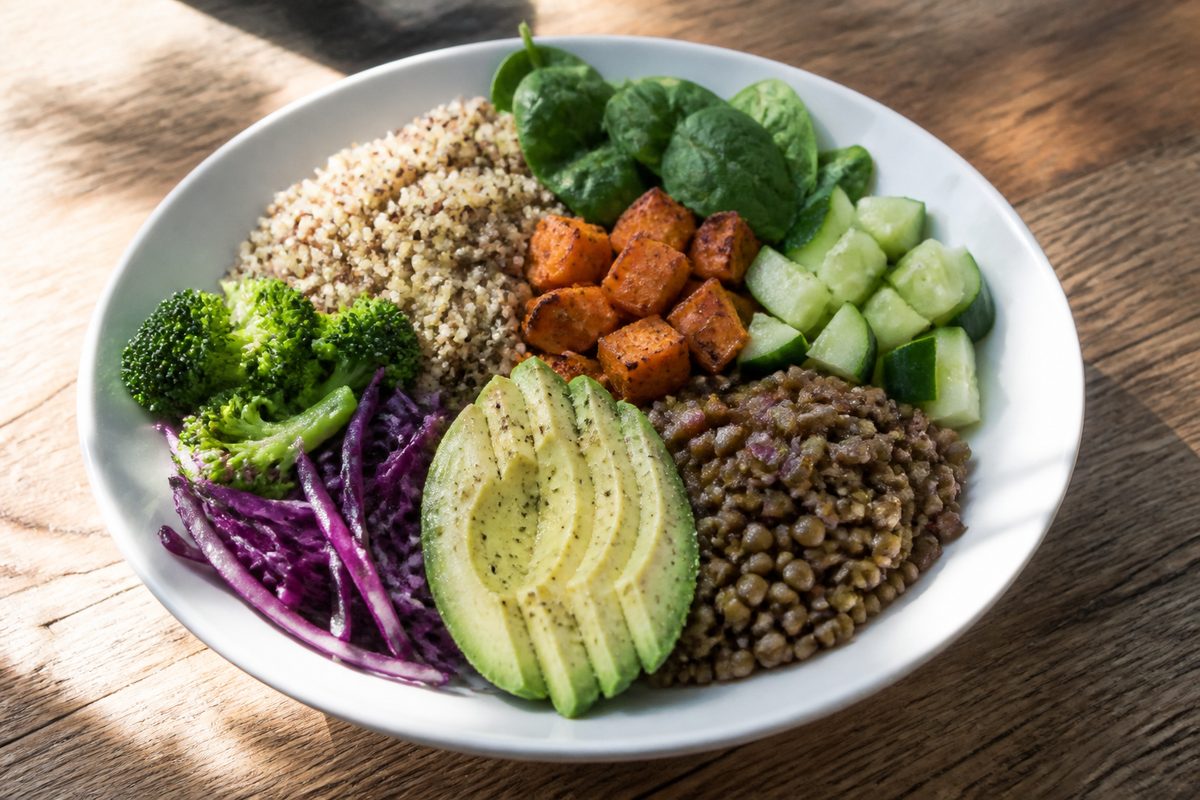
What can I eat that will fill me up but is healthy?
Read article →
How to reduce MS symptoms?
Read article →
Can fasting help autoimmune disorders?
Read article →
Does fasting help male fertility?
Read article →