Is It Possible to Lose 2 kg in 7 Days? What Actually Happens to Your Body
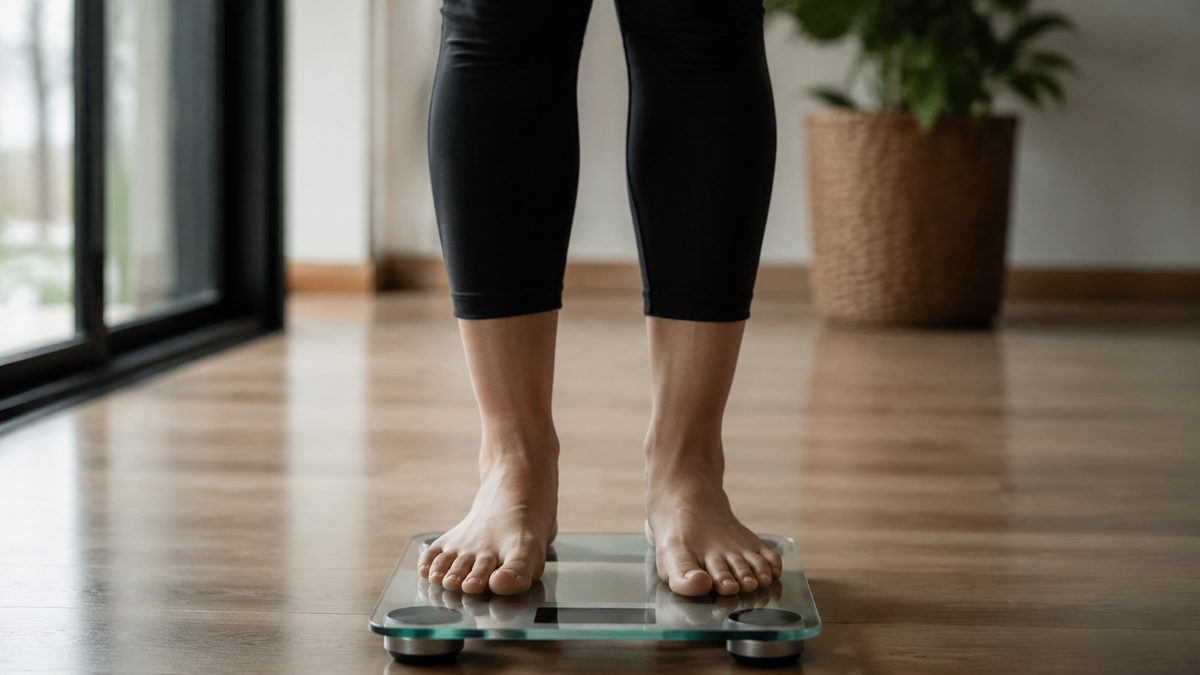
Yes, it's possible. Research on combat athletes found average rapid weight losses of 3, 4 kg in similar timeframes, confirming 2 kg sits well within human capacity. But here's what most articles won't tell you: only about 0.5, 1 kg of that will be actual body fat.
The rest is water and glycogen flushing out of your muscles and liver. That's not a failure. That's just how your body works. structured approach built around your specific body, goals, and schedule
If you go in understanding this, you can use the week strategically, protect your muscle, and avoid the frustrating rebound that catches most people off guard. rapid weight loss
What Are You Actually Losing When You Drop 2 kg Fast?
This is the part that changes everything.
Your body stores carbohydrates as glycogen in your muscles and liver. Every gram of glycogen holds roughly 3 grams of water alongside it. When you cut calories hard and reduce carbs, your body burns through that glycogen first. The scale drops fast. But it's not fat. glycogen and water
Animal research confirmed this directly: when weight loss was rapid, the energy cost per kilogram lost was just 2,246 kcal compared to 735 kcal per kilogram for slow loss. In plain terms, rapid early weight loss is mostly glycogen and water because fat carries far more energy per gram. To lose 1 kg of pure fat, you need to burn roughly 7,700 kcal. Most people can't do that in a week through diet alone.
So the 2 kg you lose in week one breaks down roughly like this:
- 0.5, 1 kg: actual fat tissue
- 1, 1.5 kg: water and glycogen
When you return to normal eating, glycogen refills and water comes back with it. That 1, 1.5 kg returns. This is not fat regain. Most people panic or binge when this happens. But it's predictable. It's normal.
How to Lose 2 kg in 7 Days Without Losing Muscle
The method matters. A systematic review found that rapid weight loss is consistently linked to greater lean mass loss relative to fat mass compared to gradual approaches. Without the right inputs, your body starts breaking down muscle for fuel.
Here is what actually works:
Hit a 500, 750 kcal daily deficit
This is the sweet spot. A 500 kcal deficit daily puts you at roughly 3,500 kcal over the week, which equals about 0.5 kg of fat. Pair that with the natural glycogen and water drop from reducing carbs and you reach the 2 kg mark. Going beyond 750 kcal accelerates muscle loss, and the tradeoff stops being worth it.
One client tried slashing to a 1,200 kcal diet cold, thinking more restriction meant faster results. By day four she was exhausted, her workouts had fallen apart, and she was losing strength. We pulled her back to a moderate deficit with more protein and the week finished better.
Eat 1.6, 2.2 g of protein per kg of bodyweight
This is non-negotiable if you want the weight you lose to come from fat and water rather than muscle. Protein keeps your muscle's defence up during a calorie deficit. It also keeps you full, which makes the deficit easier to hold.
For a 70 kg person, that's roughly 112, 154 g of protein daily. Chicken, eggs, Greek yogurt, fish, cottage cheese. Spread it across your meals rather than loading it all into one sitting.
Reduce carbohydrates to trigger glycogen depletion
You don't need to go fully ketogenic. Bringing carbs down to 50, 100 g per day is enough to start depleting glycogen stores and pulling the water weight off with it. This is why people see the scale drop noticeably in the first 3, 4 days of a low-carb phase.
Keep training
Resistance training during a deficit is one of the clearest signals you can send your body to preserve muscle. Even two to three sessions in the week makes a difference. You don't need to increase training volume. Just keep lifting so your body has a reason to hold onto lean mass.
Cut sodium and processed foods
High sodium drives water retention. A single day of salty, processed food can add 0.5, 1 kg of water weight on the scale by the next morning. This isn't a permanent change but it moves the number. Cutting it helps with the initial drop, especially in the first half of the week.
Could I Lose 2 kg in a Week More Than Once?
This is where most people go wrong. They get a result in week one and try to repeat it week after week. The problem is the glycogen and water drop only happens once. After that, you're working purely off fat loss, which is slower.
Research comparing very-low-calorie diets to moderate deficits found the aggressive approach produced faster early results, but the study focused on a specific clinical population and didn't track long-term lean mass outcomes in detail. What we do know from the broader evidence is that repeated cycles of rapid weight loss are linked to greater lean mass loss over time.
After the first week, the evidence consistently supports slowing to 0.5, 1 kg per week. That pace protects muscle, keeps metabolism from adapting downward, and produces better body composition at the end.
I've seen this pattern repeat with clients who come in frustrated that week two only showed 0.4 kg on the scale. They think something broke. What actually happened is week one was inflated by water and glycogen, and week two is showing real fat loss. That's the pace you want to sustain.
Who Should Not Try This
Rapid weight loss has a place for specific goals. But not in every situation.
Don't attempt aggressive rapid loss if you're already lean (under 15% body fat for men, under 22% for women). The leaner you are, the higher the proportion of lean mass you lose during rapid restriction. The buffer of fat is smaller, and your body turns to muscle faster.
Avoid it if you have a history of disordered eating. The restrict-rebound cycle that follows rapid loss can feed patterns that are hard to break.
If you have any underlying metabolic condition, including polycystic ovary syndrome, type 2 diabetes, or thyroid issues, the clinical evidence does support calorie restriction as effective. But the rate and method should be guided by a clinician rather than a generic protocol.
Pregnant or breastfeeding? This is not the time for any aggressive deficit.
Why the Scale Goes Back Up After the Week Ends
This trips up almost everyone the first time they try it.
You hit 2 kg down by day seven. You feel good. Then you eat a normal meal with carbs and within 48 hours you're 1, 1.5 kg heavier. The instinct is to panic or assume the week was wasted.
It wasn't. Your glycogen stores refilled. Water came back with them. The fat you actually lost, that 0.5, 1 kg, is still gone. The scale just doesn't show it clearly because the glycogen and water are back.
This is exactly why body composition tracking, measurements, and how clothes fit matter more than daily scale weight. The scale is useful but it measures everything: fat, muscle, water, food in your gut, glycogen. Treating it as the only signal leads to poor decisions.
How Many kg Can You Realistically Lose in 7 Days?
The honest range for most people is 1, 3 kg in seven days depending on starting body weight, carbohydrate intake before the week, sodium intake, and how aggressive the deficit is. Heavier individuals with more glycogen stores and more water retention capacity will see larger initial drops.
Research on athletes documented average losses of around 4.6% of body mass through rapid methods, which for a 70 kg person is about 3.2 kg. But these were athletes using extreme methods including severe fluid and food restriction. That's not something for general use.
For a practical, safe week of focused effort, 2 kg is realistic and achievable. More than 3 kg starts to carry meaningful muscle loss risk.
FAQ
Is losing 2 kg in a week safe?
For most healthy adults, yes. It's a short-term effort, not a sustained pattern. The risk rises if you repeat it weekly for months or if you're already at a low body fat percentage.
Will I keep the weight off after losing 2 kg in 7 days?
You'll keep the fat portion off, roughly 0.5, 1 kg. The water and glycogen weight returns when you eat normally. This is physiologically inevitable, not a sign of failure.
What is the fastest way to lose 2 kg?
Cut carbs to 50, 100 g daily, reduce sodium, eat high protein, maintain a 500, 750 kcal deficit, and keep training. The carb cut accelerates the water and glycogen drop in the first few days.
Does exercise help you lose 2 kg in a week?
Exercise adds to the calorie deficit and preserves muscle during restriction. It helps, but diet drives most of the result. You cannot out-train a bad intake strategy in a single week.
How do I know if I'm losing fat or just water?
Track measurements and how clothes fit alongside the scale. Fat loss changes how your body looks and feels. Water weight shifts daily with what you eat and drink. If the scale drops 1.5 kg in two days, that's mostly water. If 0.5 kg disappears over 10 days on a steady deficit, that's likely fat.
What happens to my metabolism after a week of aggressive restriction?
One week at a moderate deficit has minimal metabolic impact for most people. Extended aggressive restriction does slow metabolic rate, which is one reason to shift to a slower pace after the first week rather than trying to sustain 2 kg losses indefinitely.
What to Do Now
If your goal is to lose 2 kg in the next seven days, the path is straightforward. Cut carbs to 50, 100 g, hit 1.6, 2.2 g of protein per kg of your bodyweight, stay in a 500, 750 kcal daily deficit, and keep lifting. Expect 1, 1.5 kg of that to be water and glycogen that will return. Expect 0.5, 1 kg to be real fat that stays gone.
After the week, slow down to 0.5, 1 kg per week to protect your muscle and keep results long-term.
If you want a structured approach built around your specific body, goals, and schedule, the team at Paramount Health can build that plan with you rather than leaving you guessing at the numbers.Sources

What snack is filling but not fattening?
Read article →
What can I eat that will fill me up but is healthy?
Read article →
How to reduce MS symptoms?
Read article →
Can fasting help autoimmune disorders?
Read article →
Does fasting help male fertility?
Read article →