What Am I Allowed to Drink During Intermittent Fasting? (Full Drink Guide)
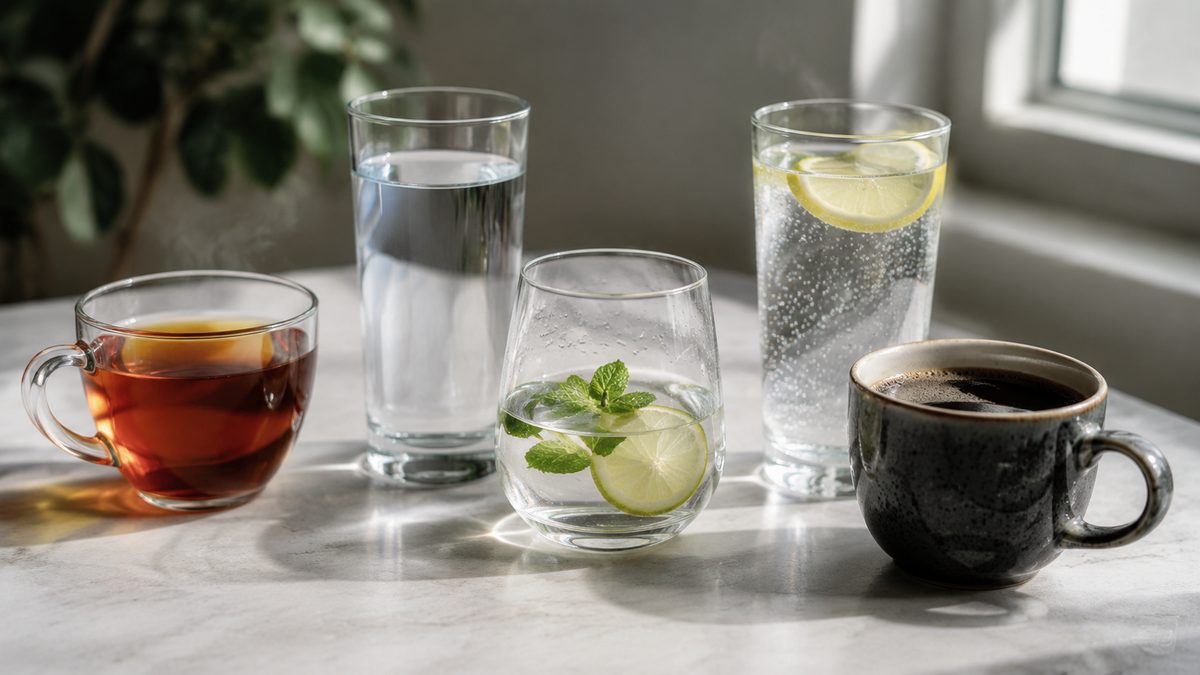
Water, black coffee, and plain tea. Those are your core three. They have zero calories and won't interrupt your fast.
Everything else needs a closer look. Even a small amount of calories or a blood sugar spike can pull your body out of the fat-burning state you're working to stay in. personalised fasting protocol
Why Does It Matter What You Drink?
Around 12 hours after your last meal, your liver runs low on stored glucose. Your body flips a metabolic switch and starts burning fat for fuel instead.
This is the whole point of intermittent fasting. Fat gets converted into ketones, insulin drops, and your metabolism shifts into a state linked to better insulin sensitivity, improved blood sugar control, and real fat loss.
Anything you drink that carries calories, sugar, or a significant insulin signal can reverse that switch. Your body detects incoming fuel, stops burning fat, and goes back to processing glucose. Even 5 to 10 calories can be enough.
This isn't about being rigid for the sake of it. It's about protecting the metabolic state you spent 12-plus hours building.
What Drinks Are OK During Intermittent Fasting?
These drinks are safe during your fasting window:
- Water, plain, sparkling, or mineral. Zero calories. Zero insulin response. Drink as much as you want. Staying hydrated also reduces hunger during the fast.
- Black coffee, no milk, no sugar, no cream. Coffee is one of the most studied fasting-friendly drinks. It blunts hunger and helps people push through the morning without breaking early.
- Plain tea, green, black, white, oolong, or herbal. No additives. Herbal teas like peppermint or chamomile are fine and can make the fast feel easier.
- Sparkling water, plain carbonated water with no flavouring or sweeteners. Perfectly safe.
- Black or green tea with nothing added, both contain compounds that support metabolic health and won't touch your fast.
That's the safe list. Simple and short on purpose.
What Can You Not Drink During Intermittent Fasting?
These drinks will break your fast or significantly reduce its benefits:
- Milk and dairy drinks, milk contains lactose (sugar) and protein, both trigger an insulin response. Even a small splash in your coffee counts.
- Juice, fruit juice is liquid sugar. It causes a rapid blood glucose spike and shuts down fat burning fast.
- Smoothies and protein shakes, both contain calories and nutrients that break a fast. Save these for your eating window.
- Alcohol, alcohol is caloric and metabolically disruptive. It also impairs the liver's ability to produce ketones, which directly counters what fasting is trying to achieve.
- Soft drinks and sodas, regular versions are high in sugar. Diet versions are more complicated (covered below).
- Flavoured coffee drinks, lattes, cappuccinos, frappes, oat milk flat whites. All break your fast.
- Sports drinks and electrolyte drinks with sugar, check the label. Many contain glucose, fructose, or maltodextrin.
One of my clients learned this the hard way. She was three weeks into a 16:8 protocol, doing everything right with her meals, but her results had stalled.
When I asked her to walk me through her mornings, she mentioned a "just a splash" of oat milk in her coffee every day. That small addition was enough to keep pulling her out of the fasted state before she ever got the metabolic benefit. We cut it out, and within two weeks her fasting glucose had dropped noticeably.
What About Diet Sodas and Artificial Sweeteners?
This is where most articles give a vague non-answer. Here's the direct take: artificially sweetened drinks are a grey area, and for most people trying to get real results from fasting, they're worth avoiding.
The issue is that sweet taste, even without actual sugar, can trigger cephalic phase insulin release in some people. That's your body pre-releasing insulin in anticipation of incoming carbohydrates.
Research on how consistently this happens varies, and the magnitude differs between individuals. But the risk is real enough. If fat loss or insulin sensitivity is your goal, diet sodas aren't your friend during a fasting window.
Chrononutrition research shows that what enters the body during fasting windows directly affects insulin and glucose responses later in the day. Sweeteners may also sustain sugar cravings, making the fast harder to maintain long-term.
Most of my clients who struggled to get through a fast without breaking it were relying on diet drinks to cope. When they switched to sparkling water or herbal tea instead, the cravings actually reduced within a week or two.
Does Bone Broth Break a Fast?
Yes, technically it does. Bone broth contains protein and calories, which will shift your metabolism back toward glucose processing.
That said, some modified fasting protocols allow under 50 calories during the fasting window while still delivering partial metabolic benefits. If you're using intermittent fasting primarily for gut rest or hormonal benefits rather than strict fat burning, small amounts of bone broth may fit your protocol.
If your goal is maximum metabolic switching and fat loss, stick to zero-calorie drinks only.
How to Lose 2kg in a Week With Intermittent Fasting
Losing 2kg in a week is possible, but most of it will be water and glycogen in the first week. Genuine fat loss at that rate is aggressive and requires a significant calorie deficit on top of the fasting protocol.
Here's what actually moves the needle:
- Extend your fasting window. A 16:8 protocol (16 hours fasting, 8-hour eating window) is a solid starting point. Some people push to 18:6 for faster results.
- Drink only zero-calorie drinks during your fast. Black coffee and water. No exceptions if speed matters.
- Eat whole foods in your eating window. High protein, high fibre, minimal ultra-processed food. The fast does not cancel out a poor diet.
- Time your eating window earlier in the day if possible. Chrononutrition research shows eating earlier aligns better with your metabolic circadian rhythm and improves insulin sensitivity.
- Move after breaking your fast. Resistance training or a brisk walk after your first meal improves glucose uptake and supports the metabolic benefits of the fasting period.
When I tried a strict 18:6 protocol with black coffee only and no sweeteners, I dropped about 1.8kg in the first week. Most of that was water weight and glycogen, but my energy levels and hunger patterns stabilised by week two in a way that made the whole thing sustainable.
Does Intermittent Fasting Lower PSA Levels?
PSA (prostate-specific antigen) is a marker used to screen for prostate health issues in men. The direct research linking intermittent fasting to PSA reduction is limited, so any claim here needs to be honest about that.
What the evidence does show is that intermittent fasting improves insulin sensitivity, reduces systemic inflammation, and supports hormonal regulation. Elevated insulin and chronic inflammation are both associated with prostate issues, including elevated PSA.
So there's a reasonable mechanistic case that fasting could support healthier PSA levels indirectly, but it's not yet a proven direct effect.
One of my clients was monitoring his PSA alongside a broader metabolic health protocol that included 16:8 fasting. Over six months, his PSA trended downward alongside improvements in his fasting glucose and inflammatory markers.
That's just one case, and it's not evidence of causation. But it reflects what the broader metabolic research would predict.
If PSA is a concern for you, intermittent fasting is worth discussing with your doctor as part of a wider approach, not as a standalone fix.
What About Electrolytes During Fasting?
Extended fasting (beyond 24 hours) can deplete sodium, potassium, and magnesium. For standard 16:8 or 18:6 fasting, most people don't need to supplement electrolytes, especially if they're eating a nutrient-rich diet in their eating window.
If you experience headaches, muscle cramps, or fatigue during your fast, a pinch of sea salt in your water or a zero-calorie electrolyte powder (no sweeteners, no sugar) is reasonable. Check labels carefully. Many electrolyte products contain glucose or sweeteners that will break your fast.
Does Coffee Break Intermittent Fasting?
Black coffee does not break a fast. It has negligible calories and does not produce a meaningful insulin response on its own.
It also contains compounds that support fat burning and can help reduce hunger during the fasting window.
The problem starts the moment you add anything to it. Milk, cream, butter, MCT oil, collagen powder, all add calories or nutrients that technically interrupt the fasted metabolic state. Bulletproof coffee (butter plus MCT oil) is popular, but it contains several hundred calories and isn't fasting. It's a fat-based meal that keeps insulin low but does not produce the full metabolic switch associated with genuine calorie restriction.
FAQ
Can I drink lemon water during intermittent fasting?
A squeeze of lemon in water adds minimal calories, typically under 5, and most people tolerate it without breaking their fast in any meaningful way. It's not zero-calorie, but it's low enough that for most protocols it's considered fine. If you're being strict, plain water is safer.
Can I drink green tea while fasting?
Yes. Plain green tea is one of the best drinks for a fasting window. It supports fat burning, contains antioxidants, and has a minimal calorie count. No milk, no honey.
Will one teaspoon of honey break my fast?
Yes. Honey is sugar. It will spike blood glucose and insulin, and break your fast immediately.
Can I drink apple cider vinegar during intermittent fasting?
A small amount of apple cider vinegar diluted in water is unlikely to break a fast. It contains minimal calories and some research suggests it may support insulin sensitivity. Keep the dose small, one to two teaspoons maximum, diluted well.
Does sparkling water break a fast?
Plain sparkling water does not break a fast. Flavoured sparkling water with artificial sweeteners is the grey area, treat it the same way as diet soda and avoid it if you want to be safe.
Can I drink protein shakes during fasting?
No. Protein shakes contain calories and amino acids that trigger insulin and break a fast. Drink them in your eating window.
What about decaf coffee?
Decaf black coffee is fine. The caffeine is what makes regular coffee a hunger suppressant, but decaf still has negligible calories and won't break your fast.
The One Thing to Do After Reading This
Audit your fasting window drinks today. Write down everything you currently drink between your last meal and your first meal the next day.
If anything on that list has calories, sugar, or artificial sweeteners, swap it for black coffee, plain tea, or water. Do that for two weeks and track how you feel, how hungry you are, and how your energy holds up. Most people notice a real difference within 10 days.
If you want a personalised fasting protocol built around your health goals and bloodwork, the team at Paramount Health works with clients on exactly this.Sources
What snack is filling but not fattening?
Read article →
What can I eat that will fill me up but is healthy?
Read article →
How to reduce MS symptoms?
Read article →
Can fasting help autoimmune disorders?
Read article →
Does fasting help male fertility?
Read article →