What are the 20 most healthy foods?
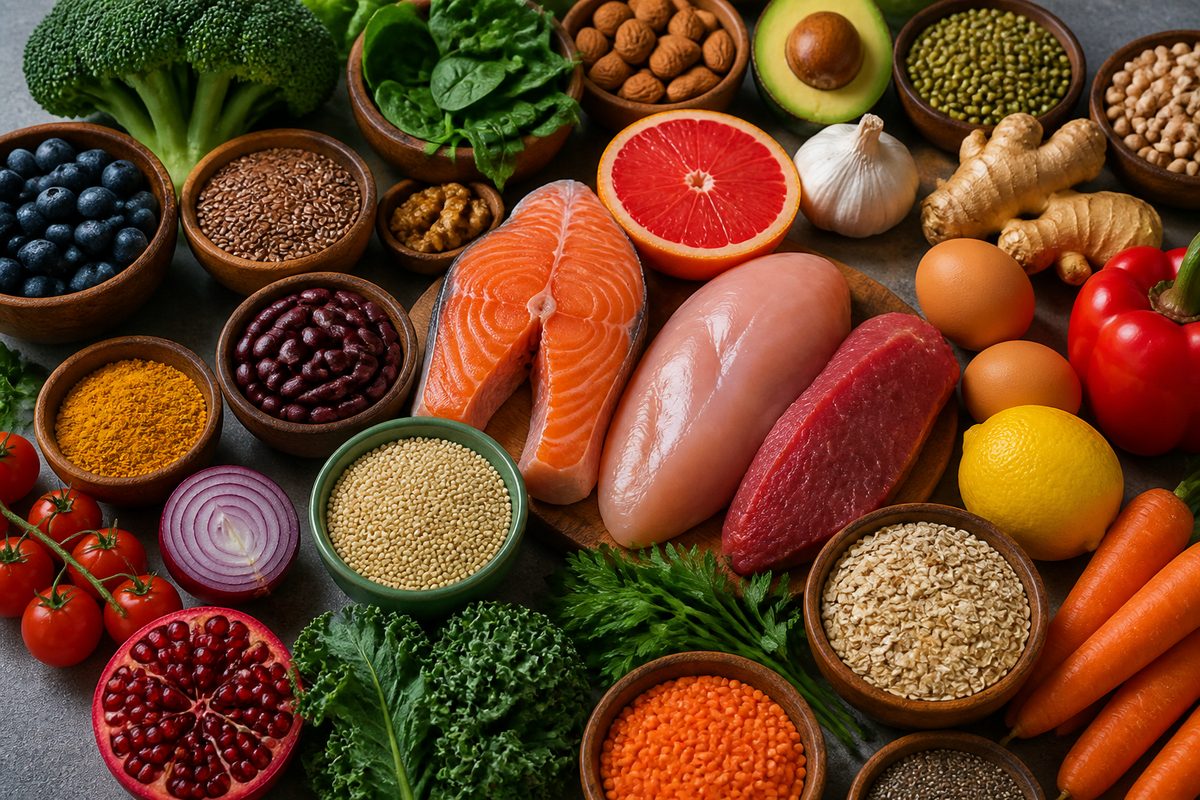
The 20 most healthy foods include leafy greens, broccoli, berries, oats, lentils, chickpeas, almonds, walnuts, chia seeds, extra virgin olive oil, salmon, sardines, eggs, plain yoghurt, sweet potato, tomatoes, avocado, garlic, mushrooms and apples. Each packs plenty of nutrients into the energy it gives you. Put them together, and they meet far more of your needs than one food ever could.
No single ranking works for everyone. Your age, health, food access and dietary needs shape which choices suit you best. The basic idea is simple: build a Healthy diet around nutrient-rich whole foods, not one so-called miracle ingredient.
How does a food earn a place on this list?
A healthy food should give you useful nutrients without loads of salt, added sugar or heavily refined fat. It also gets points for being filling, easy to use and sound Nutrition research.
This list favours foods rich in Dietary fiber, Protein, healthy fats, vitamins, minerals or helpful plant compounds. It spans several food groups too. That counts because berries can't supply everything found in fish, and fish can't replace the nutrients and fiber in a Vegetable.
Price and access count as well. Lentils, oats, eggs and canned sardines offer excellent nutrition without a steep grocery bill. Frozen produce counts too. It often keeps its nutrients well and lasts longer than fresh food.
What makes each of these 20 foods worth eating?
Leafy greens
Spinach, kale, silverbeet and similar greens give you folate, vitamin K, vitamin C and carotenoids. That's a lot of nutrition for very few kilojoules. Vitamin K also helps with normal blood clotting and Bone health.
Toss a handful into eggs, soup or a warm grain bowl. Once cooked, a big serve is often easier to eat. People taking warfarin should keep their vitamin K intake steady and follow their clinician's advice.
Broccoli
Broccoli provides vitamin C, folate, vitamin K and Dietary fiber. It's part of the cruciferous Vegetable family, which has natural compounds called glucosinolates.
Steam or roast it until tender, with a little bite left. Plain broccoli can feel dull. Add lemon juice, olive oil or a small amount of cheese instead of choking down food you don't enjoy.
Berries
Blueberries, strawberries, raspberries and blackberries pair fiber with vitamin C and colourful plant compounds. Frozen berries often cost less and taste great in oats or plain yoghurt.
Their natural sweetness can also replace desserts packed with added sugar. One cupped handful is a useful serve, though you don't need to count every berry.
Oats
Oats contain beta-glucan, a soluble fiber linked to lower blood cholesterol when you eat enough of it often. They also provide slow-digesting carbohydrate, manganese and some Protein.
Pick rolled or steel-cut oats most often. Instant oats are still nutritious, but flavoured packets may hide a lot of added sugar. Fruit, cinnamon or nuts bring plenty of flavour.
Lentils
Lentils pack in plant Protein, iron, folate and lots of fiber. Their blend of protein and carbohydrate helps meals stick with you. Canned lentils are ready once drained and rinsed.
Mix them into pasta sauce, curry or soup. If legumes give you gas, start small. Increase the serve over several weeks so your gut has time to adjust.
Chickpeas
Chickpeas give you fiber, plant Protein, folate and minerals such as manganese. Their mild flavour works in salads, soups and roasted snacks. Hummus counts too, though salt levels differ between brands.
They can replace some of the meat in a meal without making the plate feel bare. That trims the cost while keeping dinner hearty.
Almonds
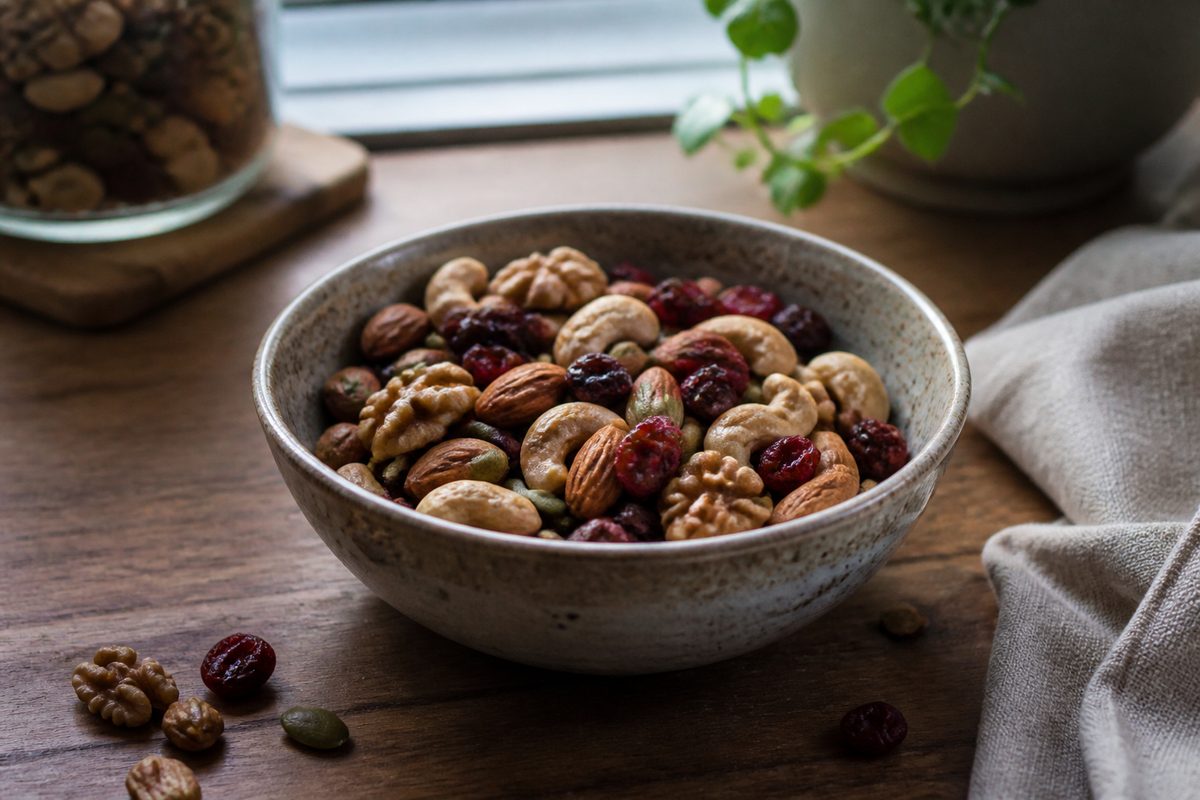
Almonds contain unsaturated fat, vitamin E, magnesium, fiber and Protein. A small handful is an easy snack. No cooking or fridge needed.
Nuts are energy dense, so a large bag can quickly turn one serve into three. Place a handful in a bowl, then put the packet away.
Walnuts
Walnuts provide unsaturated fats and alpha-linolenic acid, a plant Omega−3 fatty acid. You also get fiber and useful minerals.
Scatter them over oats, yoghurt or salads. Keep walnuts in the fridge or freezer because their oils can go stale faster than those in some other nuts.
Chia seeds
Chia seeds are high in fiber and provide plant-based omega-3 fat. They soak up liquid, giving porridge, yoghurt and puddings a thicker texture.
Start with a small spoonful if you don't usually eat much fiber. Drink enough fluid as you add more. A sudden fiber jump can leave you bloated or uncomfortable.
Extra virgin olive oil
Extra virgin olive oil is mostly monounsaturated fat and also contains plant compounds called polyphenols. It makes a good main added fat for dressings and home cooking.
Healthy doesn't mean limitless. Oil is packed with energy. Use enough to lift the flavour and make vegetables enjoyable, but don't pour it on without thinking.
Salmon
Salmon provides complete Protein, vitamin B12, vitamin D and long-chain Omega−3 fatty acid types called EPA and DHA. These fats help normal heart and brain function.
Fresh, frozen and canned salmon are all sound picks. Compare canned products if you need less sodium. People who don't eat fish can ask for advice about suitable plant foods or supplements.
Sardines
Sardines squeeze protein, omega-3 fat and vitamin B12 into a small serving. Eat the soft bones and you'll also get calcium, which helps support Bone health.
Canned sardines are cheap and last for months. If the flavour feels too strong alone, try them on wholegrain toast with tomato and lemon.
Eggs
Eggs provide high-quality Protein, vitamin B12, selenium and choline. Choline helps your body make cell membranes and supports normal nerve function.
Pair eggs with vegetables and wholegrain toast for a stronger meal. How you cook them matters less than what fills the rest of the plate. A fried egg with vegetables is very different from one paired with processed meat and a sugary drink.
Plain yoghurt
Plain yoghurt gives you protein and calcium. Some kinds contain live cultures that may help the gut microbial community. Greek-style yoghurt usually has more protein than standard yoghurt.
Choose an unsweetened tub, then add fruit when you want sweetness. Plant-based yoghurt can work as well. Check that it has added calcium and enough protein.
Sweet potato
Sweet potato provides carbohydrate, fiber, potassium and beta-carotene, which your body can change into vitamin A. Orange types are especially high in beta-carotene.
Keep the skin on when practical, then roast, steam or microwave it. Sweet potato is healthy, but ordinary potato doesn't need banishing from every meal. Both fit into a sound eating pattern.
Tomatoes
Tomatoes provide vitamin C, potassium and lycopene. Cooking them with a little fat can help your body take in the lycopene.
Fresh tomatoes belong in sandwiches and salads. Canned tomatoes make a quick base for soup or pasta sauce. Pick a lower-salt option if canned food makes up a large share of your diet.
Avocado
Avocado contains monounsaturated fat, fiber, folate and potassium. Its smooth, creamy texture can stand in for butter or rich sauces in some meals.
Half an avocado may work for one meal, but the right amount depends on your hunger and energy needs. Freeze leftover pieces for smoothies if ripe avocados often end up wasted.
Garlic
Garlic brings bold flavour with hardly any salt or energy. It contains sulfur compounds that form when you crush or chop the clove.
Its best everyday perk may be making basic food taste good. Garlic livens up beans, vegetables and homemade sauces without the salty hit of bottled products.
Mushrooms
Mushrooms provide B vitamins, selenium and compounds unlike those in plants and animal foods. Some mushrooms exposed to ultraviolet light also contain vitamin D.
Cook them into eggs, pasta sauce or stir-fries. Their deep savoury taste means you can use less meat in meals such as burgers or mince-based sauces.
Apples
Apples provide water, Dietary fiber and plant compounds such as flavonoids. Much of that fiber lies in or near the skin, so leave it on when suitable.
A whole apple fills you more than apple juice because chewing takes time and the fiber stays intact. Pair it with yoghurt or nuts when you need a longer-lasting snack.
How should these foods fit on a normal plate?
Don't try to eat all 20 each day. Spread them through the week. Start a meal with vegetables, add a protein source, then bring in a high-fiber carbohydrate or healthy fat to match your needs.
Breakfast might be oats with plain yoghurt, berries and walnuts. Lunch could mix chickpeas, leafy greens, tomato and olive oil. Dinner may pair salmon with broccoli and sweet potato. They're examples, not strict rules.
In real life, the best meal plan is one you can repeat. Someone who buys piles of fresh food and bins half of it gains less than a person who keeps frozen broccoli, canned lentils and oats on hand. Convenience is part of good Nutrition because food only works when someone eats it.
What do people often get wrong about healthy foods?
The first mistake is expecting one food to shield you from an otherwise poor diet. Chia seeds can't wipe out frequent sugary drinks or a steady lack of vegetables. Your whole eating pattern matters more than one ingredient.
The second mistake is thinking fresh always beats frozen or canned. Frozen berries and vegetables are picked, packed and preserved fast. Canned beans and fish stay rich in nutrients. Check for added salt, sugar and sauces, then buy the form you'll actually use.
Here's another point people miss: healthy food has to suit the person eating it. Nuts are nutritious but dangerous for someone with a nut allergy. Dairy yoghurt may trigger symptoms in a person with lactose intolerance. Anyone with kidney disease, digestive illness or medicine-related food limits needs advice shaped to their condition.
How can you add these foods without raising your grocery bill?
Start with cheap staples. Oats, lentils, chickpeas, eggs and canned tomatoes can anchor all sorts of meals. Buy frozen berries when fresh ones get pricey. Choose canned salmon or sardines when fresh fish costs too much.
Plan around what spoils first. Eat leafy greens and ripe avocado early in the week. Save apples, sweet potato and frozen vegetables for later. Keep nuts in the fridge, and freeze spare meals before they become leftovers nobody wants.
Swap one item instead of piling on more food. Trade a sweet biscuit for an apple with yoghurt. Replace some mince in a sauce with lentils. Dress vegetables with olive oil instead of serving them beside a large helping of fried food.
What is the easiest way to start this week?
Pick four foods from the list that suit your taste and budget already. Add each one to a meal you often eat. You might put berries in oats, chickpeas in lunch, broccoli with dinner and walnuts in a snack.
When those choices feel routine, bring in more variety. Stick with the foods you like and swap out those you avoid. Consistency beats buying an ideal list that doesn't fit your life.
Your single action: add one food from this list to your next grocery order and decide which meal will use it before you buy it.
Common questions
What are the 20 most unhealthy foods?
Foods to limit include soda, candy, doughnuts, cookies, cakes, ice cream, chips, fries, fried chicken, bacon, hot dogs, sausages, instant noodles, sugary cereal, white bread, frozen pizza, fast-food burgers, milkshakes, sweet coffee drinks, and processed cheese. These foods often contain too much sugar, salt, or unhealthy fat and offer little nutrition.
What is the top 1 healthiest food in the world?
There is no single healthiest food, but spinach is one of the best choices. It is packed with vitamins, minerals, and fiber while being low in calories.
What are the three foods you should eat every day?
Try to eat leafy green vegetables, whole fruits, and beans or lentils each day. Together, they provide fiber, vitamins, minerals, and plant protein.
What are the top 20 superfoods?
Twenty nutrient-rich foods are spinach, kale, broccoli, blueberries, strawberries, oranges, avocado, salmon, eggs, plain yogurt, oats, quinoa, lentils, chickpeas, almonds, walnuts, chia seeds, sweet potatoes, tomatoes, and garlic. Eating a mix of these foods can support your heart, bones, gut, and immune system.
What snack is filling but not fattening?
Read article →
What can I eat that will fill me up but is healthy?
Read article →
How to reduce MS symptoms?
Read article →
Can fasting help autoimmune disorders?
Read article →
Does fasting help male fertility?
Read article →