What Are the Basic Rules for Intermittent Fasting? A Evidence-Based Guide
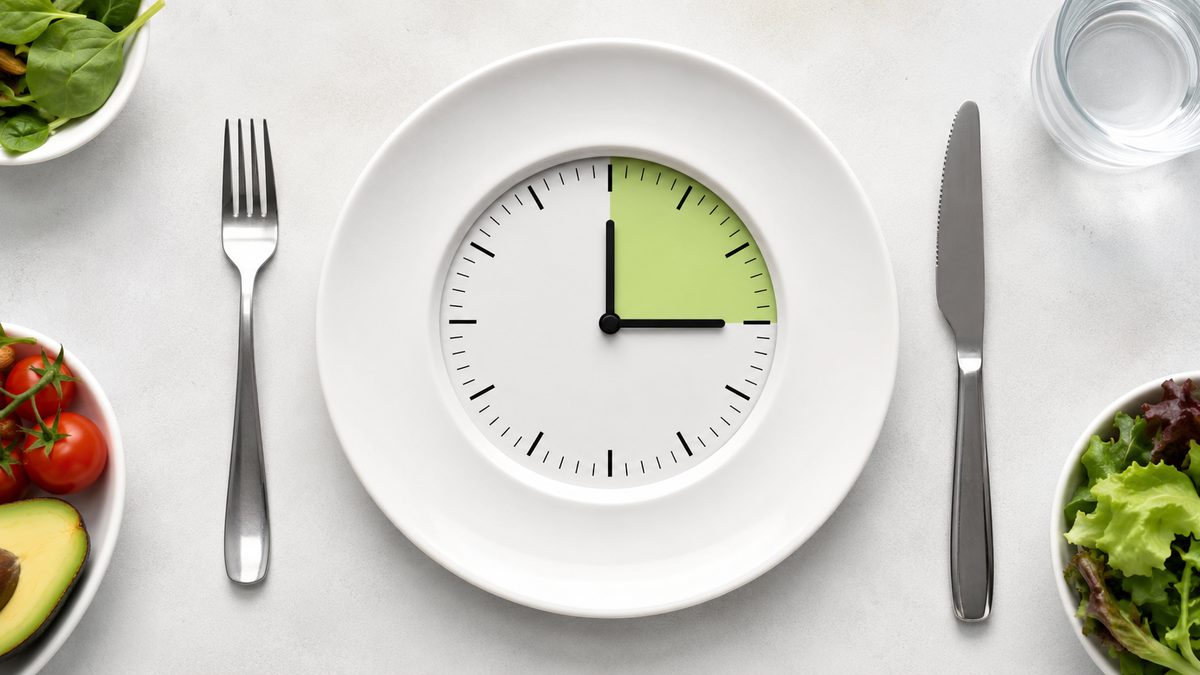
The basic rules for intermittent fasting come down to one principle: create a fasting window of at least 12 to 16 hours to trigger your body's shift from burning glucose to burning fat. For most beginners, that means eating within an 8 to 12 hour window each day and fasting through the rest, including sleep. During your fasting window, water, black coffee, and plain tea are fine. Anything with calories breaks the fast. During your eating window, no foods are banned, but protein, fiber, and whole foods help you hold muscle and stay full.
That's the core of it. Everything else is detail.
What Are the Most Common Intermittent Fasting Schedules?
Three methods dominate the research and real-world practice.
Time-restricted eating (TRE) is the most popular starting point. You pick an fasting window, typically 8 to 10 hours, and fast for the remaining 14 to 16 hours. A common version is eating from noon to 8pm. Most of the fasting happens while you sleep, which makes this the easiest to fit into a normal day.
The 5:2 diet means eating normally five days a week and dropping to 500 to 600 calories on two non-consecutive days. Those low-calorie days aren't full fasts, but they're restrictive enough to produce similar metabolic effects. Some people find this easier than daily fasting because they only manage restriction twice a week.
Alternate-day fasting (ADF) alternates between normal eating days and fasting or very low calorie days. It produces strong results in studies but is harder to sustain socially. A 2025 network meta-analysis of 99 randomised trials covering 6,582 adults found all three methods produce weight loss of 1 to 8% of starting body weight, with participants naturally eating 10 to 30% fewer calories overall.
Here's what most articles miss: the timing of your eating window matters, not just its length. Research on early time-restricted eating, where the eating window closes by mid-afternoon, shows better insulin sensitivity, lower blood pressure, and reduced oxidative stress compared to the same window shifted later in the day, even when total calories are identical. Eating earlier aligns with your body's natural circadian rhythm. Most people can't manage this socially, but even shifting dinner earlier by an hour or two captures some of the benefit.
Can You Drink Water or Coffee During Intermittent Fasting?
Yes, and you should. Water, black coffee, and plain tea don't break a fast. They contain no calories and don't trigger an insulin response, so the fat-burning state continues undisturbed.
What breaks a fast is anything with calories. Milk in your coffee, sugar, cream, sweetened drinks, bone broth with fat, or even some supplements with caloric fillers will interrupt the metabolic switch. Simple rule: if it has calories, it ends the fast.
Black coffee is particularly useful during fasting hours. Caffeine mildly suppresses appetite and can make the fasting window easier to get through, especially in the first two to three weeks when hunger is most noticeable. The hardest part of starting intermittent fasting is the 10am to noon stretch when you'd normally eat breakfast. A black coffee at that point makes it manageable.
Sparkling water, herbal teas, and plain green tea are all fine. Watch for flavoured green tea versions that sometimes contain added sugars.
How Does Intermittent Fasting Actually Work?
After 12 to 16 hours without food, your liver exhausts its stored glycogen. Your body then shifts its primary fuel source from glucose to fat and ketones. This metabolic switch is the mechanism behind most of intermittent fasting's benefits, and it's what separates IF from simple calorie restriction.
A controlled study of men with prediabetes placed on early time-restricted eating showed improved insulin sensitivity, better pancreatic cell function, lower blood pressure, and reduced oxidative stress, all without any weight loss. The participants ate enough to maintain their weight. The benefits came purely from the timing of food, not from eating less. That's significant because it means the fasting period itself is doing metabolic work independent of calorie reduction.
Beyond metabolism, fasting influences immune function and inflammation. Research shows IF reduces metabolic inflammation and improves glucose handling through time-dependent changes across liver, fat tissue, muscle, and immune cells. Gut microbiome composition also shifts during fasting periods, though the full picture of what that means for long-term health is still being worked out.
What's most interesting when looking at the evidence is that IF consistently outperforms straight calorie restriction even when total calories are matched. One study comparing IF with protein pacing against standard calorie restriction found 9% versus 5% weight loss, 16% versus 9% total fat loss, and 33% versus 14% visceral fat loss over nine weeks, with both groups eating the same total calories and doing the same exercise. The fasting structure itself changes how the body partitions and burns fuel.
What Foods Should You Eat When Breaking an Intermittent Fast?
No foods are technically off-limits, but what you eat when you break a fast shapes how well the whole approach works.
Protein is the priority. Aim for 25 to 30% of your calories from protein across your eating window. When you're in a calorie deficit, adequate protein preserves muscle mass. Eggs, chicken, fish, Greek yogurt, legumes, and cottage cheese are practical options that work for most eating windows.
After protein, focus on fiber-rich vegetables, whole grains, and healthy fats. These slow digestion, keep blood sugar stable, and extend the feeling of fullness so you're not fighting hunger for the rest of your eating window.
What to avoid right after breaking a fast is a large, high-sugar meal. Eating a lot of refined carbohydrates after a long fast produces a sharp blood sugar spike followed by a crash, which triggers hunger again quickly and undermines the metabolic benefits you just spent 14 hours building. A moderate, balanced first meal works better than a large one.
If your eating window is only six to eight hours, meal timing within that window matters more. Spreading protein across two or three meals rather than eating it all at once supports muscle protein synthesis more effectively.
How Long Does It Take to See Results from Intermittent Fasting?
Most people notice changes within four to eight weeks. The research supports expecting 5 to 9% body weight reduction, measurable waist circumference reduction from visceral fat loss, and improvements in fasting blood glucose and blood pressure if those were elevated at baseline [2, 3].
The first two weeks are an adjustment period. Hunger, mild headaches, and irritability are common as your body adapts to using fat for fuel instead of a constant glucose supply. These symptoms typically resolve by week two to four as metabolic flexibility improves. This is where most people quit. It's also where the adaptation that makes fasting easier long-term actually happens.
Energy levels often improve noticeably around weeks three to four. Once the adaptation settles in, the fasting window stops feeling like deprivation and starts feeling normal. Hunger becomes more predictable and easier to manage.
For blood sugar and blood pressure improvements, studies show measurable changes within four to eight weeks of consistent practice [1, 2]. These cardiometabolic benefits appear across all IF methods, though early time-restricted eating shows the strongest effects on insulin sensitivity specifically.
Is Intermittent Fasting Safe for Everyone?
For healthy adults, the safety record across multiple trials is solid. Studies consistently report that IF doesn't cause fatigue or disordered eating patterns in most participants. But there are groups who need medical supervision or should avoid it entirely.
Talk to a doctor before starting if you have type 1 or type 2 diabetes managed with insulin or sulfonylureas, since fasting changes blood sugar in ways that can interact dangerously with those medications. People with a history of eating disorders should approach IF carefully, as structured restriction can trigger old patterns. Pregnant and breastfeeding women need consistent caloric intake and shouldn't fast. Anyone on medications that require food for absorption or timing needs to check with their prescriber first.
Beyond those groups, age and starting health status matter. Older adults need to be more deliberate about protein intake during eating windows to offset the muscle loss that comes with ageing. People who are already lean and active may find aggressive fasting windows counterproductive for performance and recovery.
If dizziness, persistent fatigue, or cognitive fog continues past the first three to four weeks, that's a signal to shorten the fasting window or return to regular eating. The adaptation period is real, but ongoing symptoms aren't something to push through.
Does Intermittent Fasting Slow Down Your Metabolism?
This is one of the most common concerns, and the evidence says no, not in the way people fear.
Prolonged severe calorie restriction does reduce resting metabolic rate over time, a phenomenon sometimes called metabolic adaptation. But intermittent fasting, particularly time-restricted eating, doesn't appear to cause the same effect. The reason is that IF cycles between normal eating and fasting rather than maintaining a sustained large deficit. Short-term fasting actually increases norepinephrine levels, which can mildly raise metabolic rate during the fasting window.
The visceral fat loss advantage seen in IF studies compared to straight calorie restriction also suggests the body isn't entering a conservation mode. In the study comparing IF to calorie restriction with matched calories, the IF group lost more than twice the visceral fat. A slowed metabolism would produce the opposite pattern.
Where metabolism does adapt is in hunger hormones. Ghrelin, the hormone that drives hunger, tends to shift its peak timing to align with your new eating schedule over several weeks. This is an adaptation that makes fasting easier, not a sign of metabolic damage.
How to Start Intermittent Fasting Without Making It Hard
Start with a 12-hour fast. If you finish dinner at 8pm, don't eat until 8am. That's it. Most people are already close to this without realising it.
Once 12 hours feels easy, extend to 14 hours over the following week, then 16 hours the week after that. Gradual extension gives your body time to adapt and avoids the worst of the hunger and irritability that comes from jumping straight to a 16-hour fast.
Pick an eating window that fits your social life. The research on what are the basic rules for intermittent fasting consistently shows that adherence matters more than which specific method you choose. A 14-hour fast you can maintain for six months beats an 18-hour fast you abandon after three weeks.
Keep your eating window consistent day to day. Shifting it around by several hours disrupts the circadian alignment that produces some of IF's metabolic benefits and makes hunger harder to predict.
Plan your first meal. Going into your eating window without a plan often leads to overeating or poor food choices, which undermines the calorie management that makes IF effective for weight loss.
FAQ
Can I exercise during a fasting window?
Yes. Training in a fasted state is common and generally well-tolerated for moderate exercise. For high-intensity or long-duration training, some people perform better with a small meal beforehand. Experiment to find what works for your output and recovery.
Will I lose muscle on intermittent fasting?
Not if your protein intake is adequate. Eating 25 to 30% of calories from protein across your eating window preserves lean mass during weight loss. The visceral fat loss advantage seen in IF research suggests the body preferentially burns fat rather than muscle when fasting is structured correctly.
Can I do intermittent fasting if I have a physically demanding job?
Yes, but you may need a shorter fasting window or a later eating window start time. A 12 to 14 hour fast is enough to produce metabolic benefits and is more manageable for people with high daily energy demands.
Does the type of eating window matter, morning versus evening?
Research suggests earlier windows produce stronger metabolic effects, particularly for insulin sensitivity and blood pressure. But an evening window you can actually stick to beats a morning window you abandon. Start with what fits your life and adjust from there.
How many calories should I eat during my eating window?
IF doesn't prescribe a calorie target, but most people naturally eat 10 to 30% fewer calories when their eating window is restricted. If weight loss stalls, tracking calories for a week or two usually reveals where the gap is.
The One Thing to Do First
Pick a 12-hour eating window that ends at least two hours before you sleep, and hold it for two weeks before changing anything else. That single step is enough to start the metabolic shift the research points to, and it gives you real data on how your body responds before you commit to a more demanding schedule.
Sources

What snack is filling but not fattening?
Read article →
What can I eat that will fill me up but is healthy?
Read article →
How to reduce MS symptoms?
Read article →
Can fasting help autoimmune disorders?
Read article →
Does fasting help male fertility?
Read article →