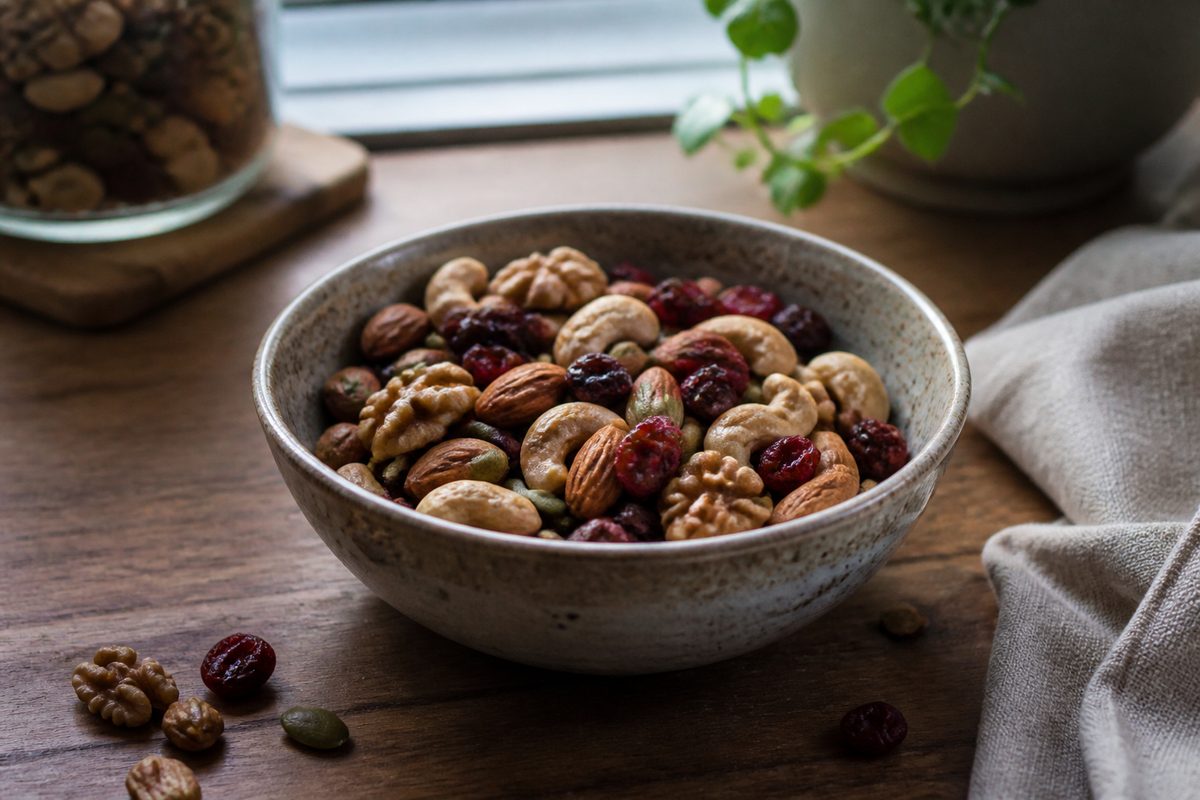
What are the best snacks to get energy at work?
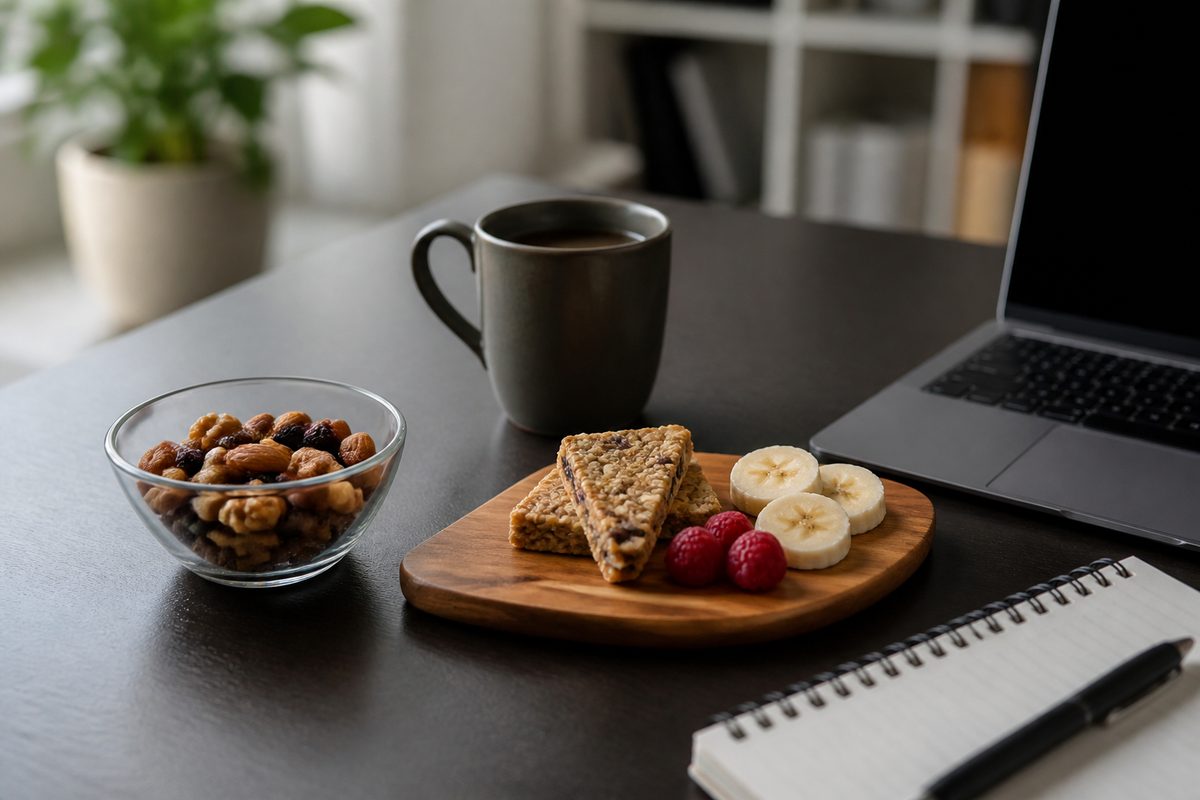
The best work snacks pair a useful Carbohydrate source with Protein, Dietary fiber, or Fat, giving you quick fuel without a sharp energy crash. Good picks include Greek yoghurt with fruit, an apple with peanut butter, wholegrain crackers with tuna, or a banana with a small handful of nuts. Your best option depends on when you last ate, how long you need to work, and whether you sit or move on the job.
energy snack should fix a clear problem. You may need it to carry you from lunch to a late dinner, fuel a physical shift, or bring back your focus before a tough task. Simply eating a snack labelled healthy won't always work.
A plain rice cake may feel light, but it could leave you hungry within an hour. A large bag of nuts offers lasting fuel, though it may feel heavy when you need fast energy.
The main idea is simple: match the snack to the job your body needs it to do.
Why does my afternoon snack wear off so fast?
A snack can fall short when it gives you fast fuel but little staying power. Sweet drinks, lollies, pastries, and many snack bars contain a large amount of easy-to-digest Carbohydrate. Your body breaks much of it down into Glucose, which enters the blood and can raise your Blood sugar level fast.
That rise may help at first. You might feel sharper for a short while. Your body then releases insulin, which moves Glucose from the blood into cells.
If the snack was large and very sweet, the drop that follows can leave you hungry, flat, or distracted.
Some people get Reactive hypoglycemia, which means blood glucose falls too low within a few hours of eating. It can cause shaking, sweating, weakness, hunger, or a racing heart. medical professional should check repeated or severe symptoms, as food isn't the only possible cause.
More often, it's a normal energy dip made worse by a poor snack choice, little sleep, stress, or a long gap between meals. A biscuit at 3 pm may seem to solve it. But it has little Protein or Dietary fiber, so hunger soon creeps back.
Picture an office worker who skips breakfast, eats a small lunch, then grabs chocolate late in the day. The chocolate gets blamed when focus slips again, but the whole pattern counts. This person has eaten too little for most of the day. Understanding snack choices that support weight management can help you avoid energy crashes.
A better fix is a proper afternoon snack, such as yoghurt with oats and berries, along with regular meals.
What should I eat when I need steady focus?
Pick a mixed snack that releases energy at a useful pace. Start with a Carbohydrate food for easy-to-use fuel. Then add Protein, Dietary fiber, or Fat to slow digestion and make the snack last.
These pairings work well for desk-based work:
- Greek yoghurt with berries: Fruit supplies Carbohydrate, while the yoghurt adds Protein. Pick an unsweetened yoghurt if sweet kinds leave you hungry.
- Apple with peanut butter: The apple provides Carbohydrate and Dietary fiber. Peanut butter brings Fat and some Protein.
- Wholegrain crackers with tuna: The crackers provide fuel, while tuna adds filling Protein. This works well when dinner is still a while away.
- Oats with milk: Oats contain slow-digesting Carbohydrate and Dietary fiber. Milk adds Protein and makes the serving more filling.
- Pear with cheese: The pear gives you easy-to-use fuel and fiber. Cheese slows the meal and adds Protein.
You don't need a perfect food ratio. A handy test is how you feel over the next two hours. The snack did its job if hunger settles and your focus holds steady.
Still hungry? It was likely too small. If you feel slow or uncomfortable, it may have been too rich.
Which option suits the kind of work I do?
Someone lifting stock for hours needs a different snack from someone sitting through online meetings. Active work uses more stored Carbohydrate. Desk work uses less physical energy, though deep thinking can still make hunger hard to ignore.
For a desk job
Choose a modest snack with enough bulk to calm hunger. Fruit with yoghurt, roasted chickpeas, or wholegrain toast with cottage cheese can support focus without feeling like another full meal. When you can, eat away from your screen.
That makes it easier to notice when you're no longer hungry.
For a physical shift
Choose a larger Carbohydrate portion and add some Protein. A banana with yoghurt, a chicken sandwich, overnight oats, or milk with wholegrain cereal can replace more of the fuel used during your shift. Workers in hot places should think about fluid loss too.
A snack can't fix dehydration.
For an early start
If breakfast is still several hours away, pick a snack that's easy to digest soon after waking. A banana with milk, toast with peanut butter, or yoghurt with oats works better than leaning on coffee. Caffeine may boost alertness, but it doesn't provide food energy.
For a late or overnight shift
Pack smaller foods you can eat across the shift. Large, rich meals may feel uncomfortable when your body expects sleep. Try half a sandwich, yoghurt, fruit, or a small bowl of oats.
Keep caffeine for the earlier part of your shift, so it's less likely to disturb your sleep afterward.
How quickly do I need the energy?
Your choice should fit the time you have. If physical work starts in 15 minutes, pick an easy Carbohydrate such as a banana, dried fruit, or toast. These foods tend to digest faster than snacks high in Fat.
If you need fuel for a two-hour meeting, add some staying power. Pair the banana with yoghurt, or spread peanut butter on the toast. If dinner is still four hours away, choose something closer to a small meal, such as a wholegrain sandwich with egg.
People often miss this timing detail. Nuts are widely called an energy food because they contain plenty of food energy, yet most of it comes from Fat. They digest slowly.
Nuts can make a snack last, but they aren't the fastest fix when you feel empty just before a tough physical task.
The reverse is true for juice or lollies. They can supply fast Glucose, but the effect doesn't last. They have a clear role when someone is treating medically confirmed low blood glucose under an agreed care plan.
For ordinary afternoon tiredness, they're a poor everyday choice.
How large should my work snack be?
Make it big enough to bridge the gap, yet smaller than a meal. The hours until you eat again matter more than the time on the clock.
Use these practical guides:
- If your next meal is within one hour, fruit or a small yoghurt may be enough.
- If the gap is around two hours, pair fruit with nuts, yoghurt, cheese, or another Protein food.
- If the gap is much longer, pack a small sandwich, an oat bowl, or a modest serve of leftovers.
- If you do hard physical work, raise the Carbohydrate portion before adding more Fat.
Pre-packed portions help when work pulls your attention away. Eating straight from a large bag makes it hard to tell how much you've had. This matters most with nuts, trail mix, crackers, and dried fruit because a small amount can hold lots of food energy.
Your appetite gives useful clues too. If the same snack leaves you hungry each day, make it bigger or eat it earlier. If you keep skipping it, you may not need a planned snack then.
What should I choose when a crash has already started?
First, ask whether you're hungry, sleepy, thirsty, stressed, or dealing with eye strain. Food helps hunger. It won't replace sleep or time away from a screen.
If you're hungry and must keep working, pick an easy Carbohydrate food with a smaller Protein source. A banana with yoghurt or crackers with cottage cheese may work faster than a snack made mostly from nuts. Drink water with it, then let the food digest.
Don't keep adding sweet foods every few minutes because the first bite didn't help right away. Digestion takes time. Eat the planned serve, pause, and check how you feel after about 15 minutes.
Get medical advice if crashes happen often despite regular meals, or if they involve confusion, fainting, marked shaking, or heart symptoms. People using insulin or glucose-lowering medicine should follow their own treatment plan, not general snack advice.
What do energy snack guides often get wrong?
First, they treat calories as a measure of how alert you'll feel. Calories describe food energy. They don't show how fast food digests or whether it will calm hunger.
Nuts contain more energy per gram than fruit, yet fruit may feel more useful before a brisk task because its Carbohydrate is easier to use.
Second, they assume every afternoon dip calls for food. A walk, water, daylight, or a short screen break may help when long periods of sitting or poor sleep are to blame. Eating when you aren't hungry can turn into a habit without fixing the real cause.
Another common mistake is fearing every rise in Blood sugar level. A rise after eating Carbohydrate is a normal part of digestion. You don't need a perfectly flat line.
You need a snack that supports your work and leaves you feeling well.
Access at work matters more than nutrition lists suggest. A snack that needs a spoon, a fridge, and ten quiet minutes won't work on a busy site with no break room. The best choice is something you can store safely and eat during the break you really get.
How can I make the choice automatic?
Build a short snack menu around the demands of your job. Keep one fast choice for sudden hunger and one longer-lasting choice for a wide gap between meals. Add a shelf-stable backup for days when plans go sideways.
A simple work kit could include bananas for fast fuel, single-serve nut packs for staying power, and wholegrain crackers with sealed tuna for longer gaps. If you have a fridge, yoghurt, cheese, boiled eggs, and prepared oats give you more options.
Choose when to eat based on your usual energy pattern. If your focus fades at 3 pm and lunch is at noon, try eating at 2:30 pm, before the dip bites. That's more reliable than waiting until you're desperate and buying the nearest sweet food.
Check the result after several workdays. Note when you ate, what you picked, and whether it carried you to your next meal. Change one thing at a time.
Add more Carbohydrate when your physical energy runs out. Add Protein or Dietary fiber when hunger comes back too soon. Cut the amount of Fat if the snack feels heavy.
What should I pack for the next workday?
Pick one pairing that fits the length and type of your shift. Pack a banana with yoghurt for quick fuel, or take wholegrain crackers with tuna when your next meal is several hours away. Add water, then put the snack somewhere you can reach during your planned break.
Action takeaway: pack one Carbohydrate food with one source of Protein, Dietary fiber, or Fat, then judge it by whether your energy and focus stay steady until your next meal.
Common questions
What snacks boost energy at work?
Try fruit with nuts, yogurt, whole-grain crackers, or hummus with vegetables. These snacks give steady energy and help you stay focused.
What snack gives the most energy?
A banana with peanut butter is a great high-energy snack. The banana gives quick fuel, while peanut butter helps the energy last longer.
What snacks help with fatigue?
Choose apples with cheese, trail mix, boiled eggs, or yogurt with berries. These foods can fight hunger and help you feel less tired.
Which food gives energy to work?
Whole grains, fruit, eggs, nuts, and yogurt give your body energy for work. A balanced snack, such as oatmeal with fruit, can keep you going longer.
What snack is filling but not fattening?
Read article →
What can I eat that will fill me up but is healthy?
Read article →
How to reduce MS symptoms?
Read article →
Can fasting help autoimmune disorders?
Read article →
Does fasting help male fertility?
Read article →