What are the symptoms of your body fighting prostate cancer?
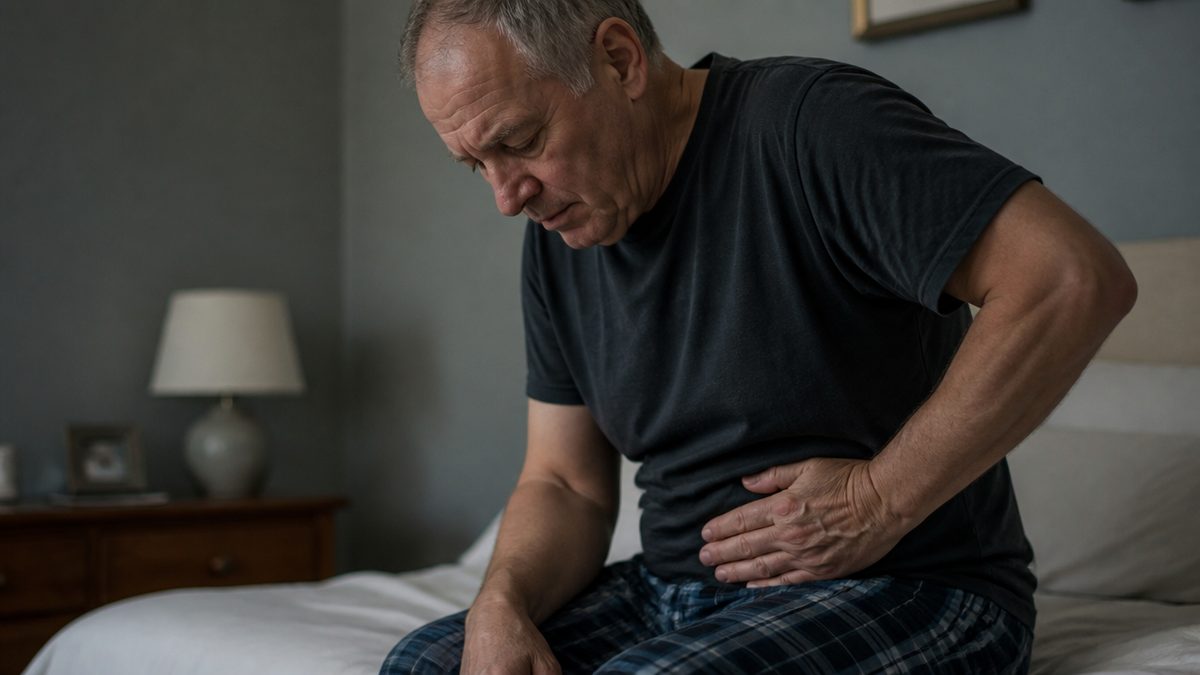
Most people cannot feel their immune system fighting prostate cancer. There is no trusted set of symptoms that proves the body is controlling or killing the cancer. Doctors judge response through prostate-specific antigen tests over time, examinations, imaging and, in some cases, a biopsy.
Do not see pain, tiredness, fever or urinary changes as signs that your body is winning. A new or worsening symptom may come from the cancer, benign prostatic hyperplasia, prostatitis, a urinary tract infection or treatment side effects. It needs a medical review, not a hopeful guess.
Why can’t you feel the immune response?
The immune system can spot features of a prostate tumour without causing a clear physical feeling. Research has found immune activity inside prostate cancer tissue, including changes tied to how tumour antigens are shown to immune cells. That activity happens at a cell level. It does not cause a reliable symptom that someone can spot at home. Research into dietary factors like fasting shows immune activity happens at a cell level.
Think of a security team working inside a large building. You may know the team is there, but noise from one room does not tell you whether it has stopped the threat. In the same way, tiredness or local pain cannot show whether immune cells are slowing a neoplasm.
Prostate cancer can also weaken or escape an immune attack. Compared with some other cancers of the urinary and reproductive systems, it has generally responded poorly to immune-checkpoint treatment. So a feeling of immune activity cannot be used as proof that the cancer is under control.
Here is an angle many articles miss: immune recognition and successful cancer removal are two separate events. The immune system may spot abnormal cells yet fail to destroy enough of them. Symptoms cannot show the difference.
Does feeling unwell mean the cancer is being attacked?
No. Feeling unwell does not prove that prostate cancer cells are dying. Fever, chills, weakness or poor appetite can have many causes. Infections and treatment reactions often need quicker action than people expect.
A urinary tract infection may cause burning, frequent urination, cloudy urine, lower abdominal pain or fever. Prostatitis can cause pelvic pain, painful urination and flu-like symptoms. Urinary retention can cause intense pressure and an inability to pass urine. None of these changes should be recast as the body fighting cancer.
The same rule applies after treatment. Radiation, hormone therapy, surgery and cancer medicines can change energy, bladder control, bowel habits or sexual function. These effects may happen while treatment works, while the disease stays stable or while another problem develops. The symptom alone cannot tell these situations apart.
Picture a man who gets a fever and painful urination during cancer care. Calling it an immune response may feel reassuring. But waiting could let an infection or blockage get worse. The safer choice is to report the symptoms and let the treating team find the cause.
Which symptoms should be checked as possible prostate problems?
Most prostate symptoms do not show whether the body is fighting cancer. They do show that the urinary system or nearby tissue may need checking.
- Difficulty starting urine or a weak stream
- Needing to urinate more often, especially overnight
- Pain or burning while passing urine
- Blood in urine or semen
- New trouble emptying the bladder
- Pelvic, hip or lower back discomfort that persists
- New erectile dysfunction or painful ejaculation
These signs and symptoms are not specific to cancer. Benign prostatic hyperplasia is a common non-cancerous cause of weak flow and frequent urination. Infection and swelling can cause similar trouble. A doctor can separate these conditions by taking a history, doing an examination and ordering suitable tests.
Early prostate cancer may cause no symptoms. That matters. Waiting to feel the immune system at work can delay testing. Feeling normal does not confirm that the cancer is absent, stable or shrinking.
Which changes need urgent medical care?
urgent help if you cannot pass urine, develop severe or fast-rising pain, notice leg weakness or lose control of your bladder or bowels. Fever with shaking chills, confusion or marked weakness also needs quick care.
Ongoing bone pain deserves a medical review, especially in someone with known prostate cancer. Pain in the spine, hips or ribs can have harmless causes, but it may also happen when prostate cancer has spread. Metastasis means cancer cells have moved from the prostate to another part of the body.
Leg swelling, called edema, also needs checking when it is new, affects one side or comes with pain, redness or shortness of breath. It can result from several conditions, including blood clots or blocked fluid flow. It is not a sign that immune cells are attacking the tumour.
These warnings do not prove advanced cancer. They point to problems where a delay can cause harm. Call emergency services for severe breathing trouble, sudden weakness or loss of bladder or bowel control.
How do doctors tell whether treatment is working?
Doctors use measured changes over time. No single feeling can replace this process.
PSA trend
Prostate-specific antigen, or PSA, is a protein measured with a blood test. One result gives limited information. Doctors compare PSA results over time while looking at the treatment used, the timing of each test and the person’s health history.
A falling PSA after treatment may support a good response. A stable or rising level must be read in context. Benign prostatic hyperplasia, swelling and recent prostate procedures can also affect PSA. The pattern matters more than one number.
Clinical examination
A clinician may check urinary symptoms, treatment effects and how well the person is functioning. A rectal examination can help check the prostate’s size, shape or firmness, though it cannot confirm on its own whether cancer is active.
Imaging
Imaging can look for changes inside the prostate or signs of spread elsewhere. The type and timing depend on the cancer stage, PSA pattern, symptoms and past treatment. Scans answer questions that symptoms cannot.
Biopsy and tissue testing
A biopsy collects tissue to be checked under a microscope. It may be used to diagnose prostate cancer or answer a specific question during follow-up. It is not needed at every review. The treating specialist decides whether its likely value is greater than its risks.
The useful question is not, “Do I feel my body fighting?” It is, “What do my results show compared with the last review?” That shift in wording moves the decision from guesswork to evidence.
Can immune tests prove the body is beating the cancer?
Research tests can show that immune cells recognise a prostate cancer antigen. They still cannot prove that all cancer cells are being removed.
In DNA-vaccine research, some patients developed lasting T-helper-1 immune responses against prostatic acid phosphatase, known as PAP. These responses were linked with favourable PSA changes in the study setting. That shows a biological response, not a symptom people could feel and not proof that immune activity always clears the cancer.
Reviews of prostate cancer DNA vaccines report that vaccination can trigger immune responses and has generally shown acceptable safety in studied settings. Researchers still need health outcomes to judge whether an immune response leads to useful cancer control.
This point is often missed. An immune marker shows that part of the immune system reacted. It is not the same as tumour shrinkage, delayed progression or a cure. Doctors must link lab findings with PSA trends, scans and health outcomes.
How should symptoms during treatment be interpreted?
Start with timing. Write down when the symptom began, whether it followed a treatment session and whether it is getting better. Then tell the treating team. Don’t change treatment on your own.
Hormone therapy may affect energy, body shape, mood, temperature control and sexual function. Surgery can affect bladder control and erections. Radiation may irritate the urinary or bowel system. Other medicines can cause their own reactions. treatment side effects differ in how severe they are and how long they last.
A treatment side effect does not prove that treatment is stronger or works better. Severe side effects can happen without a better cancer response. Someone may also respond well while having few side effects. So thinking, “I feel worse, so it must be working,” is unsafe.
Keep a simple symptom record with the start date, severity, triggers and effect on sleep or daily tasks. Include fever readings and any changes in urine. This gives the care team useful facts without asking a symptom to answer a question it can’t answer.
What commonly causes confusion about these symptoms?
The first cause of confusion is overlap. Prostate cancer, benign prostatic hyperplasia and prostatitis can affect urination in similar ways. A urinary tract infection can add pain or fever. Tests find the cause more safely than matching symptoms.
The next cause is the word “fighting.” It can make cancer control sound like an infection that causes a clear fever before recovery. Prostate tumours and immune cells interact in a more tangled way. Immune recognition may happen silently.
Another cause is reading too much into treatment discomfort. Pain or tiredness may show that therapy has affected the body. It cannot measure how much living cancer remains.
A final cause is trusting one reassuring result. PSA, imaging findings and symptoms each show a different piece of the picture. Follow-up works because doctors compare the evidence over time.
What should you ask at your next appointment?
Ask questions that lead to a clear choice, not just a vague sense of relief.
- What does my PSA trend show since my last test?
- Could my current symptoms come from treatment, infection or prostate enlargement?
- Do any of my symptoms require imaging or another examination?
- What change should make me call before my next booked visit?
- When is my next test, and what result would change the plan?
Bring your medicine list and symptom record. Mention urinary trouble, pain, fever, swelling, weakness and changes in sexual function, even if they feel private. Those details can change the assessment.
If you have no symptoms, keep the planned follow-up. Silent immune activity does not prove success, and silent cancer does not prove progression. Results over time give the useful answer.
What is the one step to take now?
Do not use symptoms to judge whether your body is fighting prostate cancer. Book a medical review for any new or worsening change, and ask your clinician to explain what your PSA results over time, examination and imaging show about cancer control.
Common questions
Can you fully recover from prostate cancer?
Yes, many people fully recover, especially when prostate cancer is found early and treated. Some need regular checkups for years because the cancer can return.
What foods are good for prostate cancer patients?
Choose plenty of vegetables, fruits, beans, whole grains, fish, and healthy fats such as olive oil. Limit processed meat, red meat, sugary foods, and foods high in saturated fat.
How long does it take for prostate cancer to spread to the bones?
There is no set time, because some prostate cancers grow slowly while others spread quickly. Regular tests help your doctor check whether the cancer has reached the bones.
What are the first hints that your body is fighting prostate cancer?
There are no clear signs that your body is fighting prostate cancer, and early cancer often causes no symptoms. Trouble urinating, blood in urine or semen, or lasting pain should be checked by a doctor.Sources

What snack is filling but not fattening?
Read article →
What can I eat that will fill me up but is healthy?
Read article →
How to reduce MS symptoms?
Read article →
Can fasting help autoimmune disorders?
Read article →
Does fasting help male fertility?
Read article →