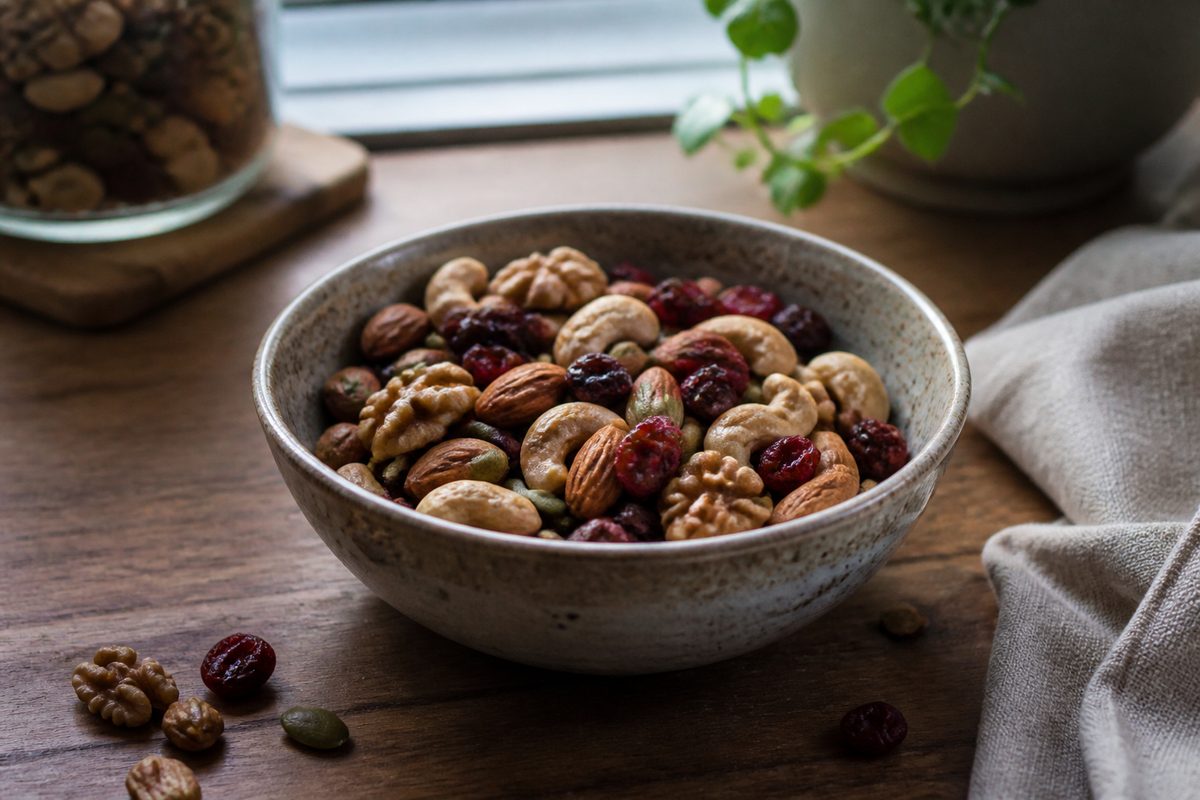
What are the top 20 superfoods?
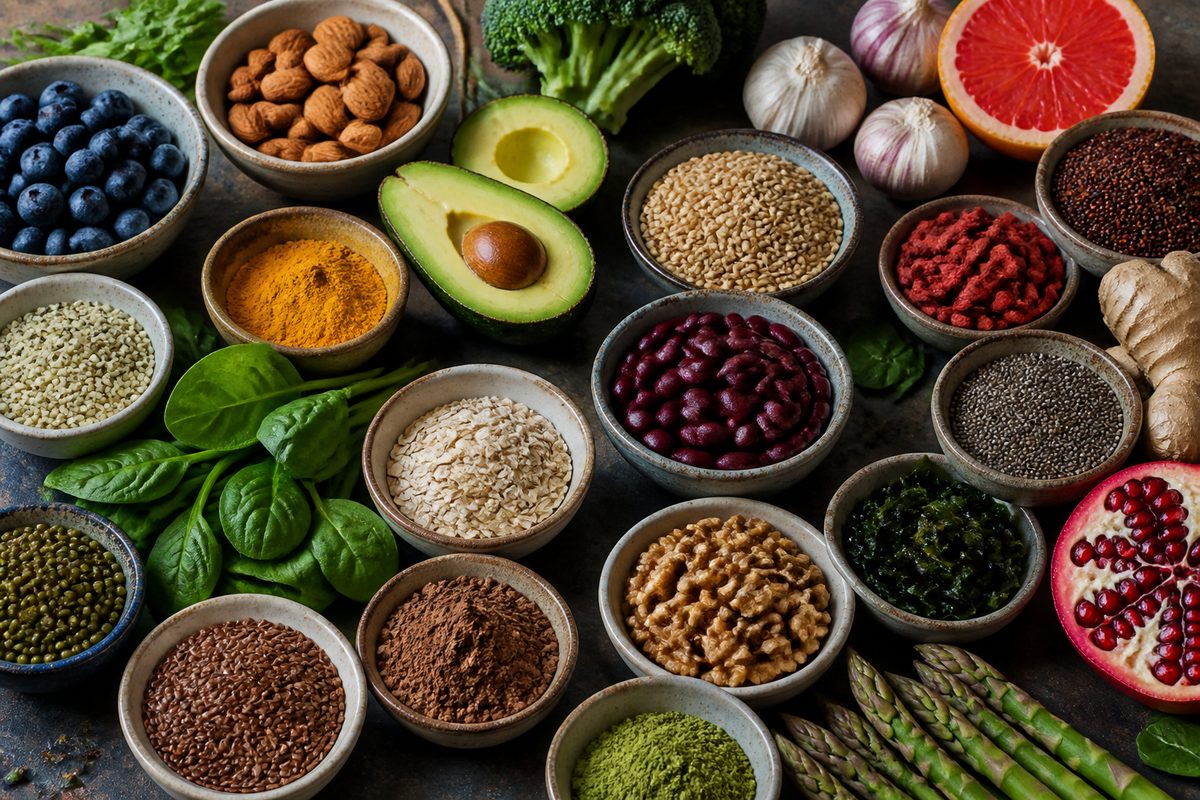
The top 20 superfoods are berries, leafy greens, salmon, sardines, eggs, Greek yoghurt, lentils, oats, quinoa, walnuts, chia seeds, avocado, extra virgin olive oil, broccoli, sweet potato, tomatoes, garlic, mushrooms, green tea and dark chocolate. These foods earn their place through high nutrient levels, strong research and ease of use. No single item can fix a poor diet.
Their real value comes from eating several of them often.
“Superfood” is a handy shopping label, not a medical rank. It points to foods that pack a lot of nutrition into each serve. The best choices also taste good in everyday meals and don't require rare powders or costly supplements. high nutrient density
What makes a food worthy of the superfood label?
A useful superfood should give you nutrients that many people need more often. These include Dietary fiber, an Omega−3 fatty acid, an Antioxidant, a Vitamin, a useful Fat, another essential Fatty acid or Protein (nutrient). One food doesn't need all of them. It just needs to make a strong, practical contribution.
whole foods also contain many compounds that work together. An orange, for example, gives you more than one vitamin. It also holds water, fibre and plant compounds inside a filling food. A pill can't copy the full eating experience.
The order below is practical, not absolute. Foods near the top offer broad benefits and fit into many meals. Those lower down still deserve regular use, but they may have a narrower role or need more care with portions.
Which 20 foods offer the strongest mix of nutrition and daily value?
1. Berries
Blueberries, strawberries, raspberries and blackberries pack fibre and colourful plant compounds into a small serve. Their Antioxidant content helps shield cells from damage caused by normal body processes. Frozen berries keep much of their value and often cost less than fresh fruit.
Add a handful to oats or plain yoghurt. Their fibre and tart flavour make a basic breakfast more filling, with no need for added syrup.
2. Leafy greens
Spinach, kale, silverbeet and rocket provide folate, vitamin K and carotenoids. They add plenty of bulk with few kilojoules, too. As part of a varied diet, dark greens can support bone health, normal blood clotting and eye health.
People often buy a large bag, then lose half of it to spoilage. Frozen spinach fixes that problem. Stir it into eggs, soup or pasta sauce near the end of cooking.
3. Salmon
Salmon gives you complete protein and long-chain omega-3 fats. EPA and DHA support the heart, brain and the normal control of inflammation. Each Omega−3 fatty acid also helps build cell membranes.
A palm-sized serve pairs well with potatoes and greens. Tinned salmon is a good option when fresh fillets cost too much. Choose salmon with edible soft bones if you'd like extra calcium.
4. Sardines
Sardines offer omega-3 fats, protein, vitamin B12 and calcium when you eat the bones. They're small fish, so they tend to contain less mercury than large predatory fish. Their bold taste softens when mixed with tomato, lemon or herbs.
Mash sardines onto wholegrain toast with tomato. It's a quick lunch with little cooking and a long pantry life.
5. Eggs
Eggs provide high-quality protein, choline and several B vitamins. Choline helps the body make cell membranes and chemicals used by the brain. Much of the nutrition sits in the yolk, so an egg-white meal misses key benefits.
Boiled eggs are snack you can eat all day. Pair them with fruit or vegetables instead of treating eggs as a full meal on their own.
6. Greek yoghurt
Plain Greek yoghurt gives you protein and calcium. Types with live cultures may also support a healthy mix of gut microbes. Check the label, since some flavoured tubs contain as much added sugar as a dessert.
Start with plain yoghurt, then add berries or oats. It can replace sour cream on savoury dishes as well.
7. Lentils
Lentils combine plant protein with Dietary fiber, iron and folate. Their soluble fibre can slow digestion and support healthy cholesterol levels. Cheap, filling and easy to store.
Red lentils melt into curry, soup and mince-based sauce. That makes them handy for people who don't like the texture of whole beans.
8. Oats
Oats contain beta-glucan, a type of soluble fibre linked with lower blood cholesterol. They also provide steady energy when served without heaps of sugar. Rolled and steel-cut oats are both useful.
Instant plain oats still count.
Soak oats overnight with milk or yoghurt when mornings are rushed. Add cinnamon and fruit for flavour.
9. Quinoa
Quinoa is a seed that's used like a grain. It provides fibre, minerals and all essential amino acids, though its total protein is lower than meat or fish per cooked serve. It works well for anyone who needs a gluten-free base.
Rinse quinoa before cooking to wash off its bitter outer coating. Mix it with lentils or roasted vegetables for more texture and staying power.
10. Walnuts
Walnuts contain plant omega-3 fat, fibre and polyphenols. Their main Fatty acid is alpha-linolenic acid, which the body can turn into small amounts of EPA and DHA. Walnuts don't replace oily fish, but they add value to a plant-rich diet.
A small closed handful is enough. Keep walnuts in the fridge because their oils can go stale.
11. Chia seeds
Chia seeds soak up liquid and form a fibre-rich gel. They also provide plant omega-3 fat and some protein. The fibre can support regular bowel habits, but a large dry spoonful may cause discomfort if you normally eat little fibre.
Start small. Mix one teaspoon into yoghurt or soak it in milk. Slowly increase the amount and drink enough water.
12. Avocado
Avocado supplies monounsaturated Fat, fibre, folate and potassium. Its fat helps your body absorb carotenoids from vegetables eaten in the same meal. That's one reason a little fat in a salad can be useful.
Use avocado as a spread or add a few slices to a vegetable bowl. Half an avocado is often plenty because it carries more energy than most fruit.
13. Extra virgin olive oil
Extra virgin olive oil contains monounsaturated fat and protective plant compounds. It's a good fit for dressings and normal home cooking. The words “extra virgin” matter because they signal limited processing and a higher level of natural polyphenols.
Use enough to make vegetables taste better, but don't pour it without thought. Oil is still energy dense, even when its fatty acid profile is useful.
14. Broccoli
Broccoli provides fibre, vitamin C, folate and glucosinolates. The body turns some glucosinolates into compounds being studied for their role in protecting cells. Light steaming keeps broccoli firm and limits the loss of water-soluble nutrients.
Roasting works well too. Slice the stalk into thin pieces instead of binning it. It contains fibre and has a mild taste.
15. Sweet potato
Orange sweet potato is rich in beta-carotene, which the body turns into Vitamin A. This vitamin supports vision, immune function and healthy skin. Sweet potato also gives you fibre, especially when you leave the skin on.
Pair it with eggs, lentils or fish. Eating it with a little olive oil helps the body take in beta-carotene.
16. Tomatoes
Tomatoes provide vitamin C, potassium and lycopene. Cooking breaks down the plant tissue, making lycopene easier to absorb. So a tomato sauce made with olive oil can offer more available lycopene than the same amount of raw tomato.
Raw tomatoes still have value. Eat both forms during the week instead of treating one as better in every way.
17. Garlic
Garlic contains sulphur compounds that form when you cut or crush the clove. These compounds may support heart health, though garlic is food, not a treatment. Its biggest daily win is often much simpler: it makes vegetables and legumes taste better.
Crush garlic and leave it to sit for several minutes before heating. Add it near the end of cooking for a stronger flavour.
18. Mushrooms
Mushrooms supply B vitamins, selenium and compounds unlike those found in plant or animal foods. Mushrooms exposed to ultraviolet light can also provide vitamin D. Check the pack, as the amount varies.
Cook mushrooms until browned to bring out their savoury taste. They can replace some of the mince in burgers, pasta sauce or tacos.
19. Green tea
Green tea contains catechins, including EGCG, along with caffeine. It can take the place of drinks packed with sugar. Its health effect is modest, so extra cups won't make up for poor food choices.
Brew it below boiling point if it tastes bitter. If you're sensitive to caffeine, choose decaffeinated tea or drink it earlier in the day.
20. Dark chocolate
Dark chocolate contains cocoa flavanols and minerals. Products with more cocoa usually have less sugar, but you still need to check the label. Chocolate remains energy dense and belongs in a small serve.
Choose a piece for enjoyment, rather than treating a whole block like medicine. Cocoa powder stirred into oats or yoghurt gives you the cocoa taste with more control over sugar.
How can these foods work better together?
The point most people miss about superfoods is that pairing matters. Fat from avocado or olive oil helps you absorb carotenoids from tomatoes, leafy greens and sweet potato. Vitamin C from berries or broccoli helps the body absorb more iron from lentils.
Yoghurt, oats and berries combine protein, fibre and plant compounds in one bowl.
Variety matters because each food fills a different gap. Salmon supplies forms of omega-3 that walnuts can't provide in the same amount. Lentils offer far more fibre than eggs.
Leafy greens bring nutrients that olive oil lacks. A rotating mix beats eating one food in huge amounts.
How you prepare food matters too. Cooked tomato releases more available lycopene, while long boiling can move some vitamin C into the cooking water. Frozen produce can be a smart pick because it's packed soon after harvest.
Fresh food that's sat in the fridge for ten days has no automatic edge.
Which superfood claims should you ignore?
Ignore claims that one food detoxes the body, burns belly fat or prevents disease on its own. Your liver and kidneys handle waste removal. Body fat changes through long-term energy intake, movement and other health factors.
Disease risk reflects the whole eating pattern.
Price is another poor guide. Lentils, oats, eggs and tinned sardines often give you more useful nutrition per dollar than imported powders. Labels such as “raw,” “ancient” or “clean” don't prove a product offers more value.
More isn't always better. Very large serves of chia can upset the gut. Too much dark chocolate adds substantial energy.
Green tea late in the day can disturb sleep. The useful dose is one that fits a normal meal and can be repeated.
In my experience, the usual failure starts when someone buys too many special foods at once. The fridge fills with greens, berries and avocado, then some of it spoils. A better move is to add one easy item to a meal the person already eats.
Frozen spinach goes into eggs. Lentils go into sauce. Berries go onto oats.
The habit sticks because the meal still feels familiar.
How should you start using the list this week?
- Choose four foods you already like. Pick options that match your budget and cooking skills.
- Attach each one to an existing meal. Add berries to breakfast, lentils to a cooked meal, greens to eggs and olive oil to vegetables.
- Keep one freezer or pantry option. Frozen spinach, tinned salmon and oats prevent missed meals when fresh food runs out.
- Rotate the choices next week. Swap berries for another fruit or salmon for sardines while keeping the same meal structure.
Your single takeaway: choose four foods from this list today and place each one into a meal you already eat every week.
Common questions
What are the 20 healthiest foods in the world?
A strong list includes spinach, kale, broccoli, blueberries, strawberries, apples, oranges, avocados, beans, lentils, oats, quinoa, almonds, walnuts, chia seeds, eggs, plain yogurt, salmon, sweet potatoes, and garlic. No single list is perfect, so eat many different whole foods for the best mix of nutrients.
What are the three foods you should eat every day?
Try to eat leafy greens, berries, and beans or lentils each day. They provide fiber, vitamins, and other nutrients that help your body stay healthy.
What are the 5 supreme superfoods?
Five excellent superfoods are salmon, blueberries, kale, beans, and walnuts. Together, they offer healthy fats, protein, fiber, vitamins, and minerals.
What is the top 1 healthiest food in the world?
There is no single healthiest food, but spinach is a strong choice because it is rich in vitamins and minerals. Eat it as part of a varied diet that includes fruits, whole grains, beans, and healthy proteins.
What snack is filling but not fattening?
Read article →
What can I eat that will fill me up but is healthy?
Read article →
How to reduce MS symptoms?
Read article →
Can fasting help autoimmune disorders?
Read article →
Does fasting help male fertility?
Read article →