What Are the Top 5 Worst Carbs? (And What to Eat Instead)
Carbs are not the enemy. But some carbs are doing real damage, and most people eat them every single day without knowing it.
The worst carbs share one thing in common: they spike your blood sugar fast, deliver little nutrition, and leave you hungry again within an hour. Over time, that cycle drives fat storage, energy crashes, and cravings you cannot seem to shake. Paramount Health
Here are the five worst offenders, why they cause problems, and what actually works instead.
What Makes a Carb Bad in the First Place?
A carb becomes a problem when it raises blood sugar rapidly without delivering dietary fiber, micronutrients, or anything useful in return. Your body converts it to glucose fast. Insulin spikes. Then blood sugar crashes, which triggers hunger again. Some people experience reactive hypoglycemia from this cycle, where blood sugar drops so sharply they feel shaky, irritable, or foggy within an hour of eating.
The carbs on this list do exactly that. They are high in added sugar or refined flour, stripped of fiber, and processed in ways that make them absorb almost instantly.
What Is the Most Unhealthiest Carb?
Refined white bread made from processed white flour is widely considered the worst carb you can eat regularly. It has almost no fiber, no meaningful micronutrients, and a glycemic response close to pure sugar. One of my clients swapped white bread for sourdough made from whole grain flour and told me her afternoon energy crashes disappeared within a week. That is not a coincidence.
The Top 5 Worst Carbs
1. White Bread and Refined Flour Products
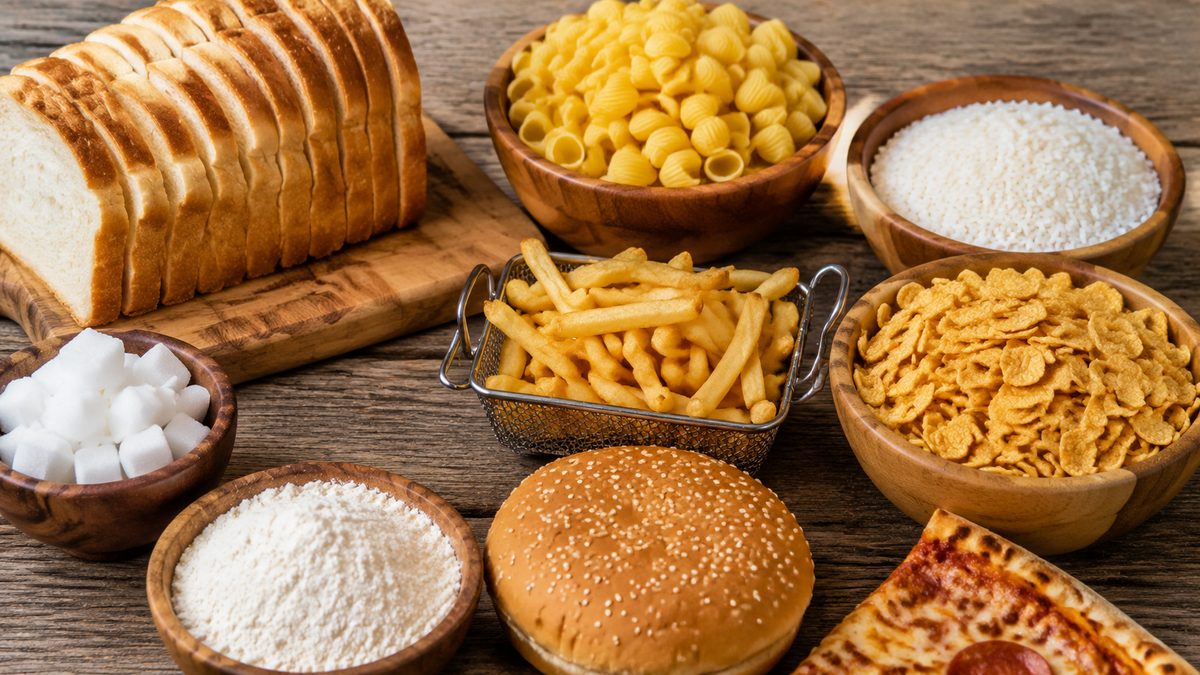
White bread is made from flour that has been stripped of the bran and germ, removing most of the fiber and nutrients. What is left is essentially a fast-digesting starch. It hits your bloodstream almost as fast as table sugar.
This includes most commercial wraps, white rolls, bagels, and anything made with plain white flour. The problem is not bread itself. It is what the processing removes. Whole grain bread with intact fiber behaves completely differently in your body.
In my experience, white bread is the carb most people underestimate. They cut sugar from their coffee but still eat four slices of white toast a day and wonder why nothing changes.
2. Sugary Breakfast Cereals
Most breakfast cereals are processed grains coated in sucrose and marketed as healthy because they are fortified with synthetic vitamins. That fortification does not undo the blood sugar spike.
I remember when one of my clients was eating a well-known bran cereal every morning because the box said high fibre. When we looked at the label together, sugar was the second ingredient. She was starting every day with a blood sugar rollercoaster and wondering why she was hungry by 10am.
A cereal with more than 6 grams of added sugar per serving is closer to dessert than breakfast. The fiber content on the label means little if it is outweighed by sugar.
3. Soft Drinks and Fruit Juice
Liquid carbs are the worst delivery method for sugar. There is no chewing, no fiber, and almost no satiety signal. Your body absorbs the glucose from a can of soft drink faster than nearly any solid food.
Fruit juice is just as bad, sometimes worse. When you juice fruit, you remove the fiber and concentrate the natural sugars. A glass of orange juice can contain the sugar of three to four oranges with none of the fiber that would slow absorption.
What I found was that when clients removed soft drinks and juice from their diet, belly fat was the first thing to shift. Liquid sugar is directly tied to visceral fat accumulation, which is the fat stored around your organs.
4. Packaged Snack Foods
Crackers, rice cakes, pretzels, flavored chips, and most packaged snack foods are made from refined carbohydrates with very little protein or fat to slow digestion. They are engineered to be easy to overeat. The combination of processed flour, salt, and sometimes added sugar makes them almost impossible to stop eating once you start.
This happened to my client who was trying to eat clean. She had cut out chocolate and cookies but was snacking on rice cakes and crackers between meals. Her blood sugar was still unstable. Refined crackers and rice cakes behave almost identically to white bread in terms of glycemic response.
The worst part is the portion sizes on packaging are designed to look reasonable while the actual amount most people eat is two to three times larger.
5. Sweetened Yoghurts and Flavored Dairy
Plain yoghurt is a solid food. Flavored yoghurt with fruit-on-the-bottom or added honey is often closer to dessert. Many contain 20 to 30 grams of added sugar per serving while being marketed as a health food because they contain protein or probiotics.
The added sugar in these products often comes from sucrose or high-fructose corn syrup. The probiotic benefit does not cancel out the blood sugar impact. I know this because one of my clients was eating two flavored yoghurts a day as part of her healthy eating plan and could not understand her sugar cravings. When she switched to plain Greek yoghurt with berries, the cravings dropped significantly within two weeks.
What's the Worst Carb for Belly Fat?
Liquid sugar, particularly from soft drinks and fruit juice, has the strongest direct link to belly fat. Fructose, which makes up half of table sugar and most of the sugar in juice and soft drinks, is processed in the liver. When you consume more than the liver can handle, it converts the excess into fat, and that fat gets stored viscerally around the abdomen.
White bread and refined flour products come second. The insulin spikes they cause promote fat storage, particularly around the midsection. If belly fat is the main concern, liquid sugar and refined flour are the two to cut first.
What Are the Top 5 Healthiest Carbs?
Good carbs exist. The difference is fiber, micronutrients, and how slowly they digest.
- Oats: High in soluble fiber, digests slowly, and keeps you full. Choose rolled or steel-cut over instant.
- Sweet potato: Dense in nutrients, moderate glycemic response, and genuinely filling.
- Legumes: Lentils, chickpeas, and black beans are high in both fiber and protein. They barely move blood sugar compared to refined carbs.
- Whole fruit: The fiber in whole fruit slows sugar absorption. An apple is not the same as apple juice.
- Whole grain bread or sourdough: Made with intact grains and real fermentation. Digests slower and provides actual micronutrients.
These carbs support stable energy, good digestion, and long-term health. They are not treats or exceptions. They are the baseline.
What Is the 5 Carb Rule?
The 5 carb rule is a simple screening tool some nutrition coaches use. If a food has fewer than 5 grams of net carbs per serving (total carbs minus fiber), it is considered low-carb and unlikely to cause significant blood sugar movement. It is commonly used in low-carb and ketogenic eating approaches to quickly assess whether a food fits.
It is a useful shortcut but not a complete picture. A food can have 4 grams of net carbs and still be loaded with inflammatory seed oils or artificial sweeteners. Use it as a filter, not a rulebook.
The Angle Most Articles Miss
Most articles talk about glycemic index. That is useful but incomplete. Here are three things that rarely get said:
Frequency matters more than quantity in a single sitting. Eating white bread once a week is not going to derail anyone. Eating it three times a day, every day, creates a chronic insulin pattern that drives fat storage and hunger over months and years. The damage from bad carbs is cumulative. Understanding how eating frequency compounds over time reveals why the cumulative effect of chronic eating patterns matters more than isolated meals.
Context changes everything. Eating white bread alone on an empty stomach hits your blood sugar hard. Eating the same white bread with protein, fat, and vegetables slows absorption significantly. This does not make white bread healthy, but it explains why some people seem to tolerate the same foods better. It is not magic, it is food combining and timing.
The worst carb is the one you eat mindlessly. In my experience, the biggest blood sugar driver for most people is not the foods they think of as bad. It is the constant snacking on foods they think of as neutral. A handful of crackers here, a flavored yoghurt there, a glass of juice with breakfast. None of these feel like cheating. All of them add up to a blood sugar environment that keeps fat storage switched on most of the day.
Frequently Asked Questions
Are all white carbs bad?
No. White rice, for example, has less fiber than brown rice but does not spike blood sugar as aggressively as white bread. The processing method matters. White bread is made from flour ground to a fine powder that digests almost instantly. White rice retains more of its physical structure. Context and preparation method change how carbs behave.
Can I eat carbs and still lose weight?
Yes. Carbohydrate quantity and quality both matter, but total calorie balance still drives weight loss. Replacing refined carbs with whole food carbs tends to reduce calorie intake naturally because fiber and protein increase satiety. You do not need to eliminate carbs to lose fat.
How quickly do bad carbs affect belly fat?
Research shows that consistent consumption of refined carbs and liquid sugar starts affecting visceral fat accumulation within weeks. The reversal takes longer, typically months of consistent change, but people usually notice energy and hunger improvements within one to two weeks of cutting the worst offenders.
Is fruit bad because it contains sugar?
Whole fruit is not in the same category as refined sugar. The fiber in fruit slows sugar absorption and changes how your liver and bloodstream respond. Dried fruit and fruit juice are different, both concentrate sugar and remove fiber. Eat whole fruit. Drink water.
What should I eat instead of refined carbs?
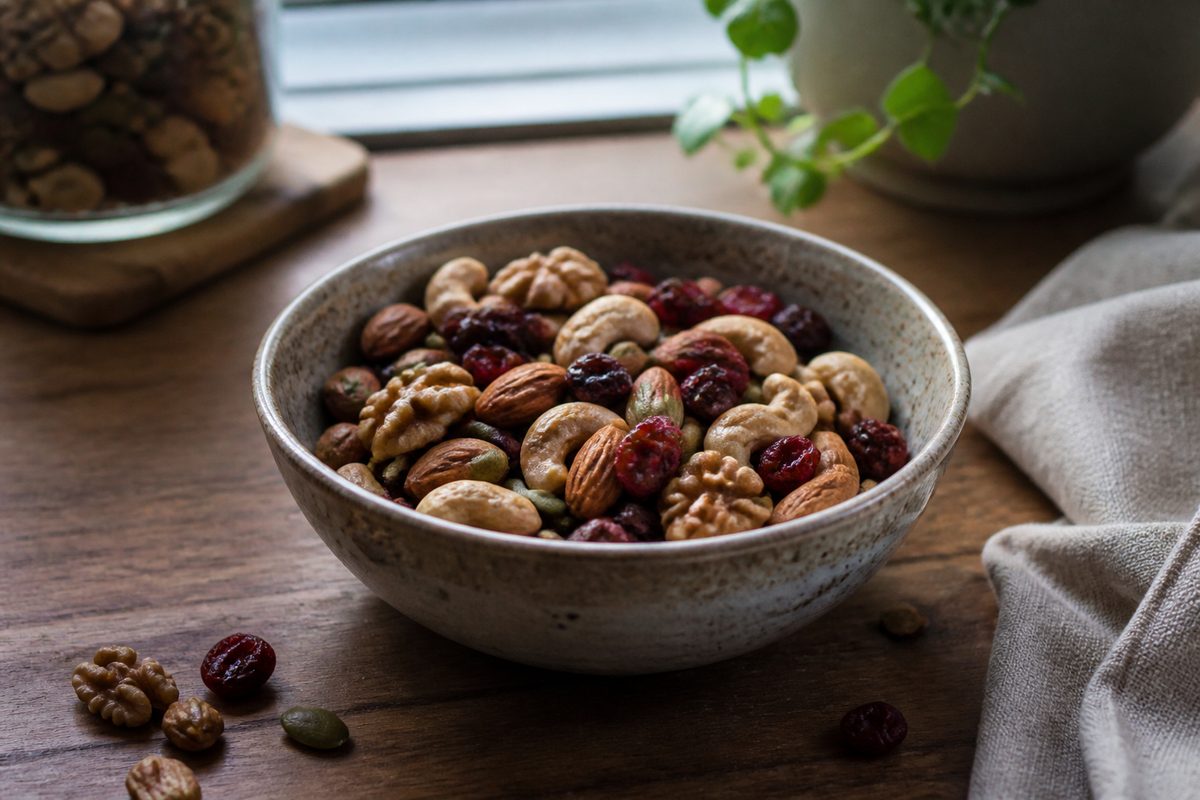
Swap white bread for whole grain sourdough. Replace sugary cereal with oats or eggs. Drink water or sparkling water instead of juice. Snack on nuts, boiled eggs, or fruit instead of crackers. These are not complicated changes, but the cumulative effect is significant.
What to Do Now
Start with one swap. Look at what you eat between meals first, because snacking on refined carbs throughout the day does more damage than a single meal. Replace your most frequent refined carb with a whole food alternative for two weeks and watch what happens to your energy and hunger levels.
If you want a more structured approach built around your specific health goals, the team at Paramount Health can build a nutrition plan that works with your life, not against it. Visit paramount-health.com.au to get started.

What snack is filling but not fattening?
Read article →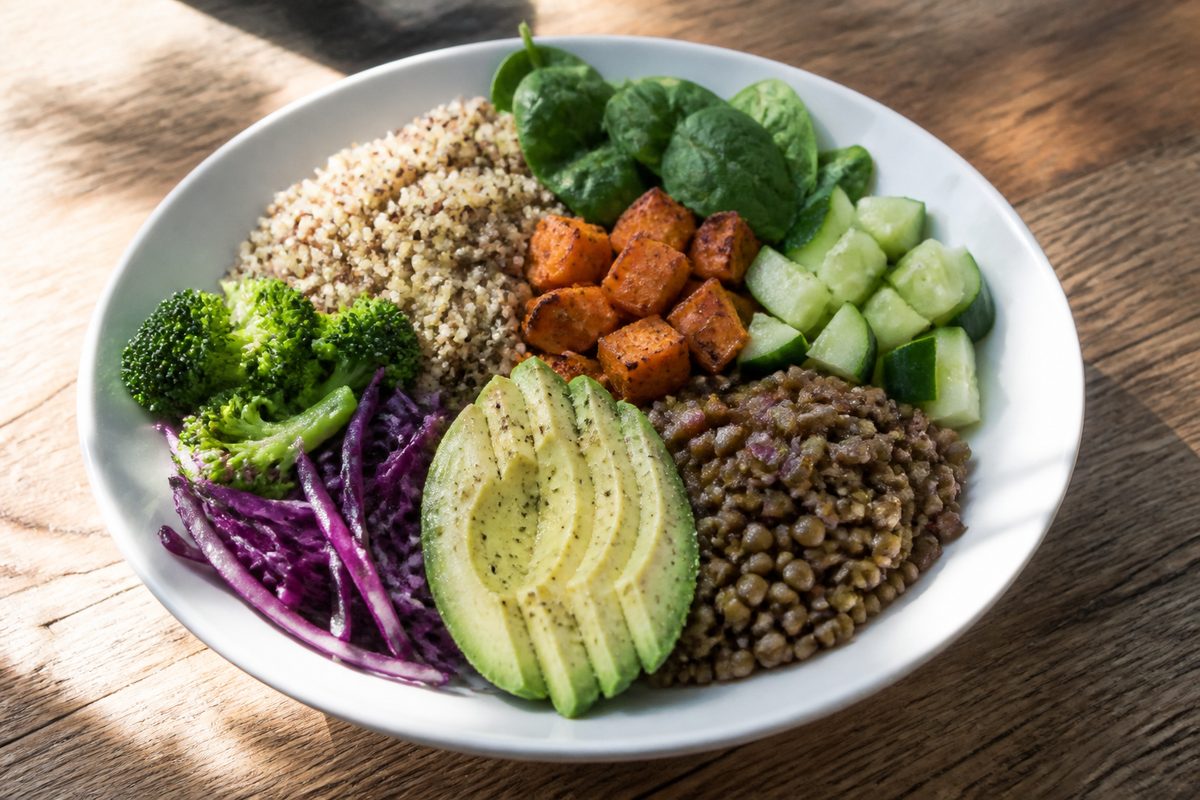
What can I eat that will fill me up but is healthy?
Read article →
How to reduce MS symptoms?
Read article →
Can fasting help autoimmune disorders?
Read article →
Does fasting help male fertility?
Read article →