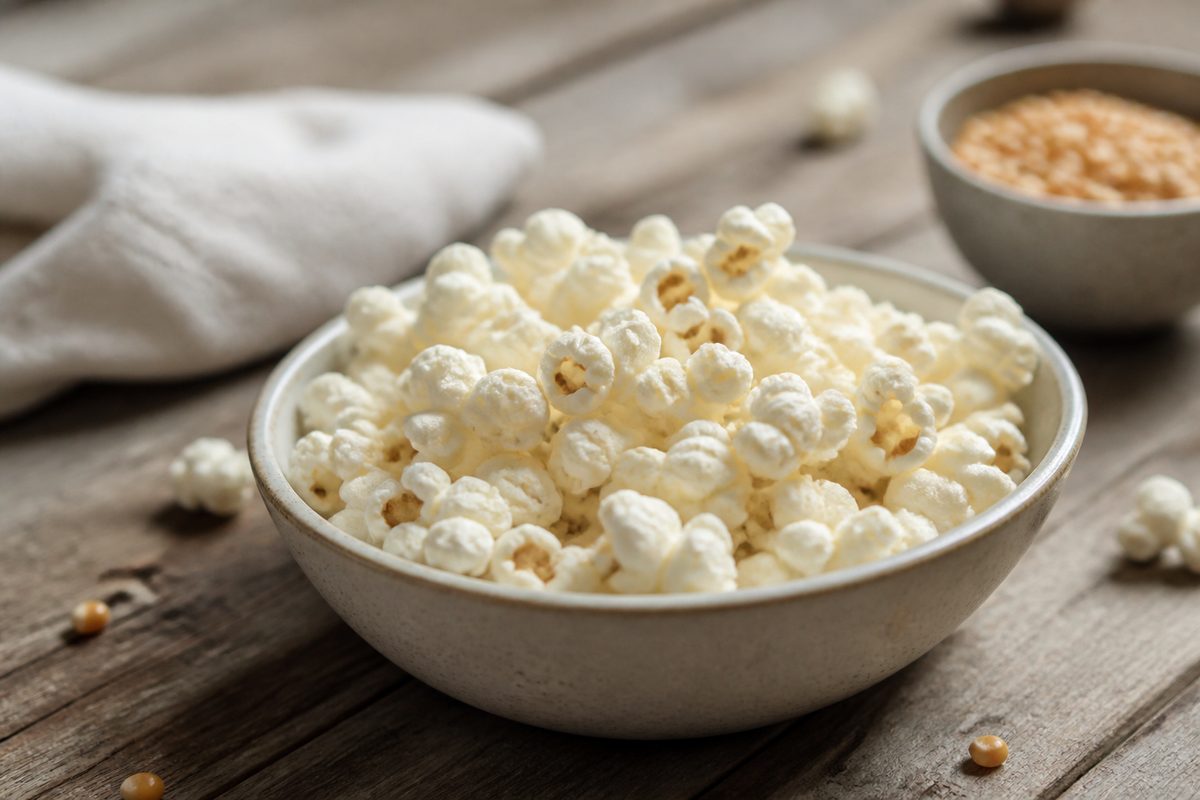
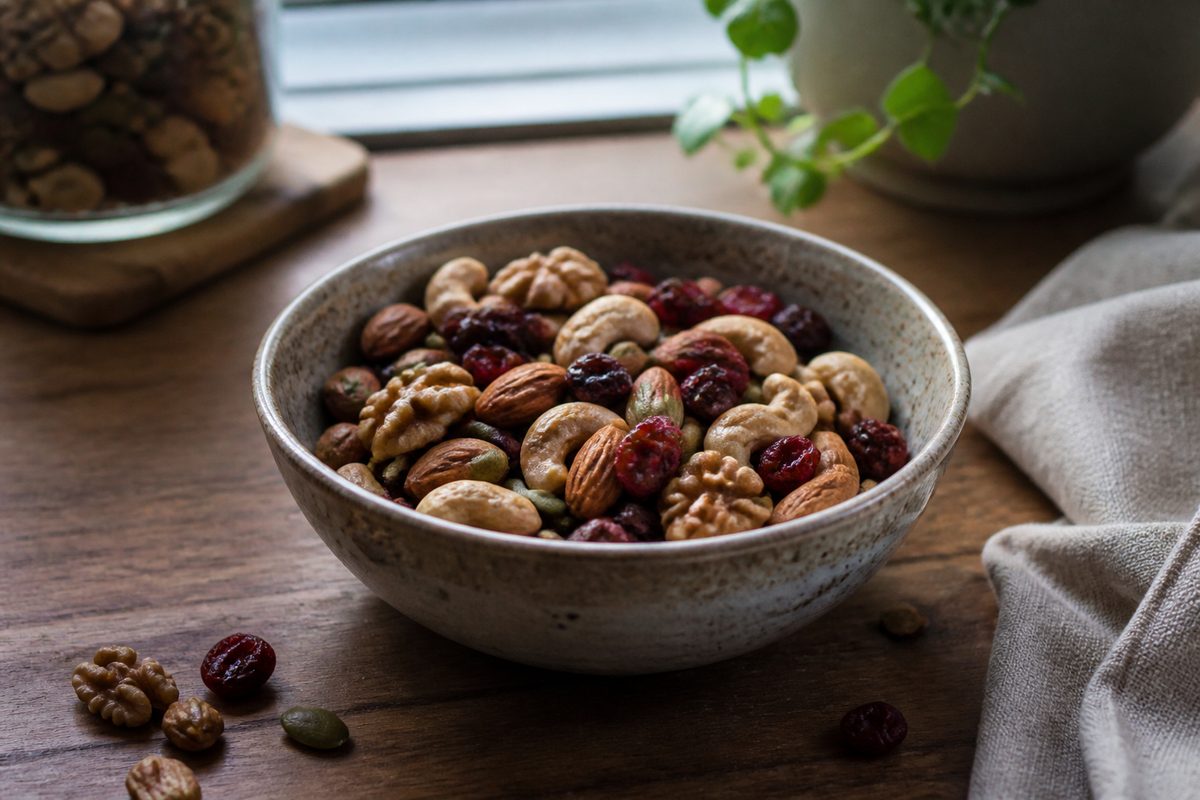
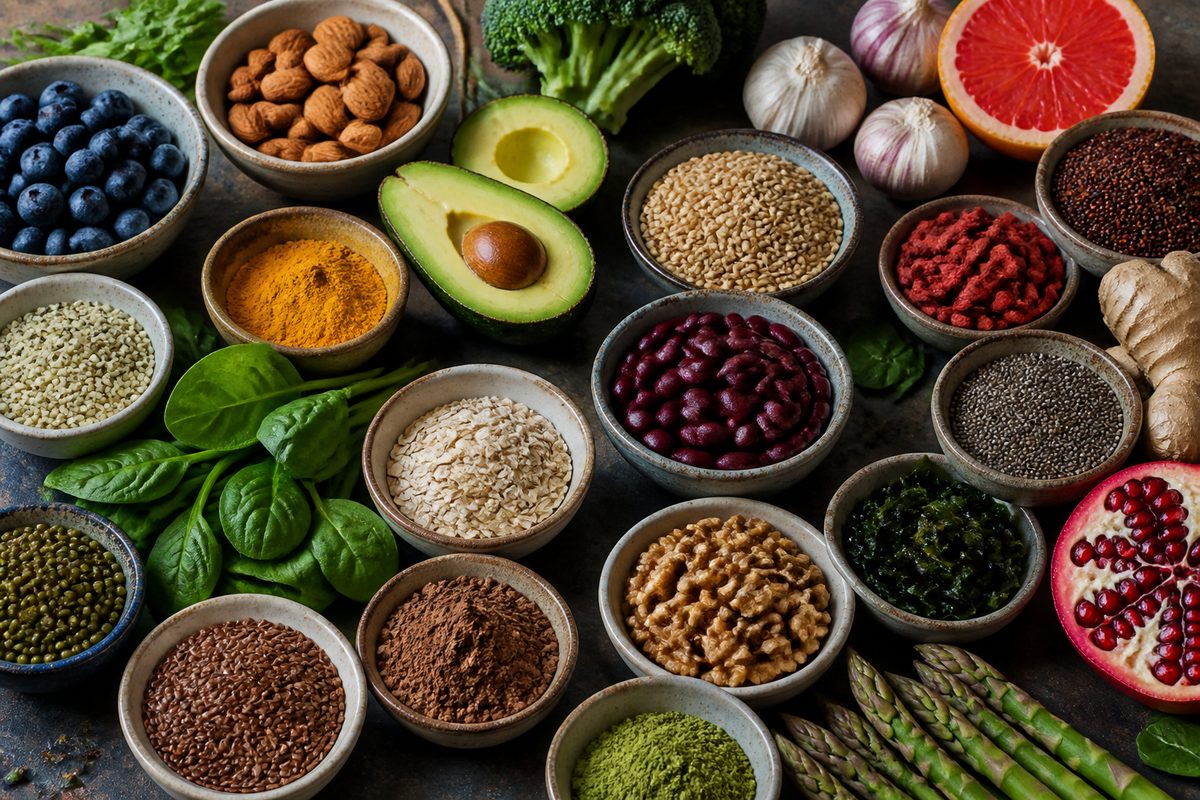
What can I eat that will fill me up but is healthy?
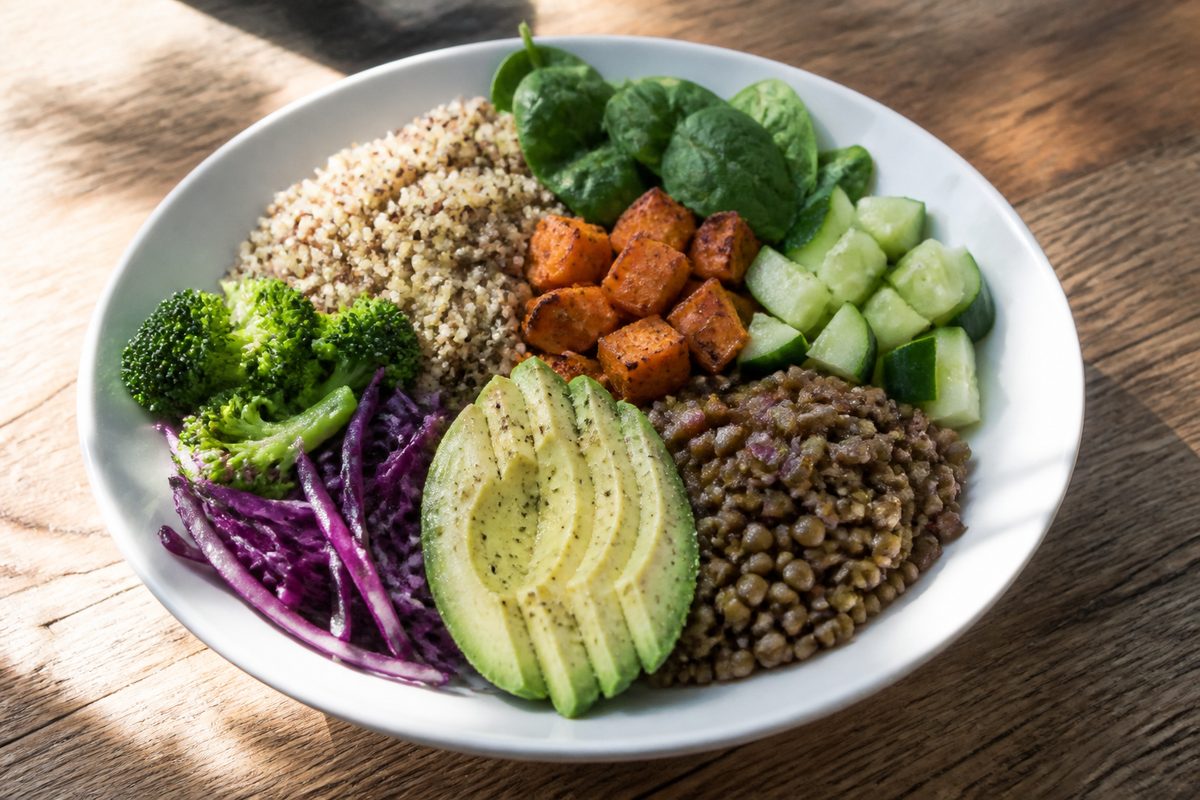
Eat meals that pair a big serve of vegetables with a clear protein source, a high-fibre carbohydrate and a little healthy fat. Good picks include eggs with wholegrain toast, Greek yoghurt with oats, chicken with beans and salad, or fish with potato and greens. This mix fills your stomach, slows digestion and gives your body steady fuel.
No single Food keeps everyone full for the same amount of time. The full meal counts. A plain salad may seem healthy but leave you hungry within an hour.
Add tuna, chickpeas, olive oil and a grain, and it turns into a complete meal.
The idea is simple: build meals that satisfy you instead of trying to eat as little as you can. When a meal keeps hunger in check, healthy eating often feels easier for the rest of the day.
Why do some healthy meals leave you hungry?
Many light meals don't have enough protein or enough food overall. A bowl of lettuce and tomato fills some space, but it offers little lasting fuel. snack, yet it may not get you through a long afternoon on its own. filling snack
A Calorie measures energy. It doesn't show how full a food will make you feel. Two foods can have a similar number of calories but affect hunger in very different ways.
A small pastry is quick and easy to eat. A bowl of chicken, lentils and roasted vegetables takes more chewing and fills more space in your stomach.
Volume matters because your stomach responds when it stretches. Texture counts because chewing slows you down. Protein and fibre take longer to process, while a sensible serve of fat can help satisfaction last.
People often shrink their meals when they want to improve their diet. What I found was that this can make the next food choice much harder. Hunger builds fast, and quick foods start to look more tempting.
A smarter move? Keep the plate generous, but change what goes on it.
What should a satisfying plate contain?
Start with vegetables. Aim to cover about half your plate with superfoods. Each Vegetable brings water and fibre while making the meal bigger.
Give about one quarter of the plate to protein. The nutrition term Protein (nutrient) refers to amino acids that your body uses to maintain muscle and handle many daily jobs. Handy sources include fish, eggs, chicken, lean meat, tofu, tempeh, beans and lentils.
Use the last quarter for a high-fibre carbohydrate. Potato with its skin, brown rice, barley, quinoa and wholegrain bread can all work. Carbohydrate is useful fuel, but the type and serving size affect how steady that fuel feels.
Add a small source of Unsaturated fat. Olive oil, avocado, nuts or seeds can help a meal feel more satisfying. You only need a little because fat has more calories per gram than protein or carbohydrate.
This plate guide is a starting point, not a hard rule. A taller or more active person may need extra carbohydrate. Someone with a smaller appetite may need less.
Keep the same meal structure, then adjust the serving size to match your hunger and activity.
How does this meal structure control hunger?
Fullness comes from signals travelling between your digestive system and brain. Gastrointestinal physiology covers stomach stretch, how quickly food leaves your stomach and the hormones released as you digest a meal. Solid food with protein and fibre tends to satisfy you more than a drink with the same energy.
Dietary fiber soaks up water and adds bulk. It also slows food as it moves through the gut. Beans, lentils, oats, whole grains, vegetables and fruit are easy sources.
Raise your fibre intake slowly and drink enough water. A sudden jump can cause gas or discomfort.
Protein helps fullness in several ways. Your body works to digest it, and it helps protect muscle during weight loss. It also gives a meal some weight.
A bowl of vegetable soup might work as a starter. Add shredded chicken and beans, and now it can be lunch.
Carbohydrate quality affects the Blood sugar level after eating. Highly refined foods are often fast to eat and digest. Pairing a less refined carbohydrate with protein, fibre and fat will usually make a steadier meal.
But sugar changes don't explain every hunger signal. Sleep, stress, activity and habits shape appetite too.
Energy homeostasis is your body's system for balancing energy intake with energy use. Severe restriction works against this system. Hunger may rise, while thoughts about food become tough to ignore.
Regular, solid meals often work better than a cycle of tiny portions followed by uncontrolled eating.
Which foods give the most fullness for their energy?
Foods high in water and fibre often give you more volume for each calorie. Boiled potatoes, vegetable soup, fresh fruit, beans and plain yoghurt are good examples. You can eat a useful portion without depending on a very dense ingredient.
Nutrient density gives you another useful check. It asks how many helpful nutrients a food gives you for its energy. Eggs offer protein plus several vitamins.
Lentils offer protein, iron and fibre, while spinach provides folate and vitamin K. A filling meal should give you both volume and useful nutrition.
Use these groups as a practical menu:
- Protein bases: eggs, fish, chicken, lean beef, tofu, cottage cheese, Greek yoghurt, beans or lentils.
- High-volume foods: vegetables, vegetable soups, fresh fruit or salads with several firm ingredients.
- Fibre-rich carbohydrates: oats, potato, barley, brown rice, quinoa or grainy bread.
- Healthy fats: avocado, tahini, olive oil, nuts or seeds.
One detail many people miss is the form their food takes. An apple usually satisfies more than apple juice because it keeps the fibre and needs chewing. Whole oats tend to fill you up more than a sweet oat drink.
When you can, pick food you can chew instead of calories you can drink.
What can this look like across a normal day?
Breakfast
Make breakfast more filling if a light start leaves you hungry by mid-morning. Try eggs on wholegrain toast with mushrooms and spinach. Or have Greek yoghurt with oats, berries and chia seeds.
If porridge is more your style, cook oats in milk and add yoghurt or nuts.
Cereal by itself can fall short because many types have little protein. You don't need to cut it out. Pick a higher-fibre cereal, serve it with milk or yoghurt, then add fruit for volume.
Lunch
Build lunch around a protein source, then add the extras. A grain bowl could include chicken, roast vegetables, brown rice and an olive-oil dressing. A sandwich could have grainy bread, tuna, salad and avocado, with fruit on the side.
One common lunch mistake is taking out the filling ingredient to save calories. A salad without beans, meat, fish, eggs or tofu may not work as a full meal. Keep all those vegetables, then add the missing anchor.
Dinner
Use the plate guide at dinner: vegetables over half the plate, protein over one quarter and a fibre-rich carbohydrate over the rest. Salmon with potatoes and green beans fits the plan. So does lentil curry with vegetables and brown rice.
Mixed dishes can use the same basic pattern. Add lean mince or lentils and several vegetables to pasta sauce. For a stir-fry, use tofu or chicken, lots of vegetables and a measured serve of rice.
The Ingredient list may change, but the structure still works.
Why can fat help even though it is high in calories?
Fat brings flavour and slows digestion, which may help you stay satisfied. Serving size is the catch. Oil, nut butter and nuts hold plenty of energy in a small space.
Pour oil without measuring, and a meal's energy can climb quickly without adding much volume.
Use Fat as a supporting part of the meal. A spoon of seeds over yoghurt, a little avocado in a sandwich or an olive-oil dressing over vegetables may be plenty. If you find oil hard to judge, measure it for a week.
Low-fat on the label doesn't mean a product will fill you up. Some low-fat foods have more added sugar or refined starch. Check the full nutrition panel and ingredient list instead of trusting one claim on the front.
Which common choices look filling but often fail?
Smoothies may hold healthy ingredients, but they go down fast. Drinking takes little chewing, and a large smoothie can carry more energy than you expect. If a smoothie is your meal, add a protein source and keep some fruit whole to eat beside it.
Rice cakes, crackers and plain toast bring crunch but offer little staying power alone. Pair them with eggs, cottage cheese, tuna or hummus. Better yet, treat them as a light extra instead of asking them to carry a full meal.
Large restaurant salads can go wrong in the other direction. The vegetables may be light, but fried toppings and rich dressings can pile on a lot of energy. Ask for dressing on the side and keep a grilled protein source in the meal.
Taste matters too, and it's easy to overlook. A meal can tick every nutrition box yet still feel unfinished when it's bland. Try herbs, spices, lemon, vinegar, garlic or chilli.
Enjoying your food is part of feeling satisfied. It may also curb the urge to hunt for something else after eating.
How can you tell whether the serving was right?
Check your hunger before you eat, just after the meal and about three hours later. You should finish comfortably satisfied, not stuffed. Hunger should come back slowly.
If you're hungry soon after most meals, first add more vegetables or another high-volume food. Still hungry? Increase the protein or fibre-rich carbohydrate.
If meals leave you feeling heavy for hours, cut back the most energy-dense part while keeping the vegetables and protein.
Compare one client-style meal with another and the pattern becomes easy to spot. Picture lunch one: a small leafy salad with a few crackers. Lunch two starts with the same leaves but adds tuna, cannellini beans, tomato and olive oil.
The second meal has more substance. It's more likely to carry someone through the afternoon without a sharp dip in focus.
Medical needs can change which foods suit you best. Get personal advice from an accredited practising dietitian or doctor if you have diabetes, kidney disease, ongoing digestive symptoms, unexplained appetite changes or a history of disordered eating. Seek personalized nutrition guidance from an accredited practising dietitian or doctor.
How do you make these meals easy enough to repeat?
Keep ready-to-use basics at home. Frozen vegetables are nutritious and help cut waste. Canned beans, canned fish, eggs and plain yoghurt are quick protein options.
Microwave brown rice, grainy bread and potatoes can cover the carbohydrate part.
Cook extra protein and vegetables at dinner, then turn the leftovers into lunch. Switch the sauce or grain so it doesn't feel like the same meal. Convenience counts because hunger rarely waits for a perfect recipe.
Use this order when you build your next main meal:
- Choose a protein source that suits the meal.
- Fill about half the plate with vegetables.
- Add a fibre-rich carbohydrate that matches your activity.
- Finish with a modest amount of unsaturated fat and enough flavour to enjoy it.
Your one action today is to rebuild your next main meal with this plate structure, then note how your hunger feels three hours later.
Common questions
How to trick stomach into feeling full?
Drink water before meals and eat slowly so your stomach has time to signal that it is full. Choose foods high in protein and fiber, such as eggs, beans, fruit, vegetables, and oats.
What foods mimic Ozempic?
No food works like Ozempic, but protein and fiber can help you feel full for longer. Try eggs, Greek yogurt, beans, oats, vegetables, nuts, and whole fruit.
What should I eat to make myself full?
Build meals with protein, fiber, and a little healthy fat to stay full. Good choices include chicken with vegetables, eggs on whole-grain toast, or yogurt with fruit and nuts.
What to eat when nothing is filling you up?
Try a larger balanced meal with protein, whole grains, vegetables, and healthy fat instead of small snacks. If you are always hungry even after eating enough, speak with a doctor or dietitian.