What Can You Drink During Intermittent Fasting? The Complete Guide
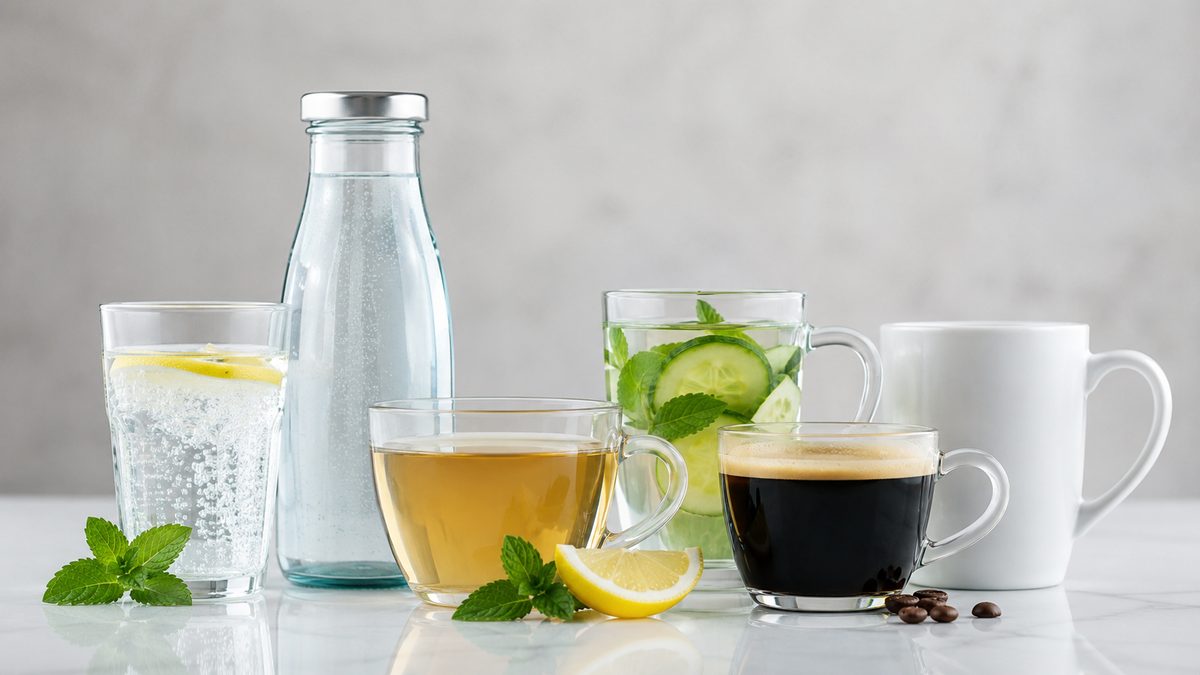
Water, black coffee, and plain tea. Those are your three safe options during a fast. They have essentially zero calories, they don't spike insulin, and they leave your fat-burning state completely intact.
Everything else needs a closer look before you sip it.
The rule is simple: if a drink has calories or tastes sweet, save it for your eating window. If it has neither, you're almost certainly fine. Here's exactly how each common drink stacks up.
Why Does It Matter What You Drink?
intermittent fasting works because of what happens to your metabolism when you stop eating. Around 8 to 10 hours after your last meal, your body shifts away from burning glucose and starts burning fat for fuel.
Ketone production picks up. Insulin drops. Autophagy, the process where your cells clean out damaged components, begins to activate.
Any drink that provides calories, triggers an insulin response, or gives your body a glucose source can interrupt that shift. Your body doesn't care whether the calories came from food or a drink. A spike is a spike.
A 2026 systematic review of 18 studies found that the fasting state itself, not just eating less overall, drives the metabolic benefits of intermittent fasting, including improved insulin sensitivity and better blood sugar control. That matters here because it means protecting the fasted state is the whole point.
What you drink either supports that or undermines it.
Does Drinking Water Break Intermittent Fasting?
No. Water has zero calories and zero effect on insulin. It is the single best thing you can drink during a fast, and you should drink plenty of it.
Fasting already puts mild stress on your body. Staying well hydrated helps your kidneys function, keeps your energy stable, and reduces the headaches and fatigue that some people experience in the first week of fasting.
Plain sparkling water works just as well as still water. Just check the label and make sure there are no added flavors, sweeteners, or sodium.
Most people who feel terrible during their fast are simply dehydrated. Drinking more water fixed it faster than anything else.
Can You Drink Coffee During Intermittent Fasting?
Yes, black coffee is fine. It has fewer than 5 calories per cup and does not meaningfully raise insulin levels on its own.
There's actually a case that black coffee helps your fast. Caffeine increases the release of fatty acids from fat tissue, which gives your body more raw material to burn for energy. A cup of black coffee in the morning makes the fasted hours noticeably easier to get through.
The problem is what people add to coffee. Milk, cream, oat milk, sugar, flavored syrups, and protein powders all add calories and trigger an insulin response. A splash of full-fat cream might seem small, but it's enough to interrupt the metabolic state you're trying to maintain.
If you need something in your coffee, save it for your eating window.
What breaks your fast in coffee:
- Milk or cream of any kind
- Sugar or honey
- Flavored syrups
- Bulletproof coffee (butter and MCT oil add significant calories)
- Protein powder
- Oat milk, almond milk, or any plant-based milk
Black coffee only. That's the line.
Can You Drink Tea While Intermittent Fasting?
Plain tea, yes. Green tea, black tea, white tea, herbal tea, all of them are fine as long as you drink them without milk or sweetener.
Green tea in particular has compounds called catechins that may support fat oxidation and help with appetite control during the fasted state. It's a solid choice if you want something warm and slightly flavored without breaking your fast.
Herbal teas are worth a quick check. Most are fine, but some fruit-based blends contain small amounts of natural sugars. If the tea tastes noticeably sweet on its own, check the ingredients.
The same rule applies as with coffee: the tea itself is not the problem. What you add to it is.
Does Diet Soda Break Intermittent Fasting?
This one is genuinely debated. The honest answer: probably not in terms of calories, but possibly in terms of insulin response.
Diet sodas have zero or near-zero calories, so they don't provide fuel that would directly interrupt fat burning. But some research suggests that artificial sweeteners like aspartame and sucralose may trigger a small insulin response in certain people, even without actual sugar present.
The sweet taste alone can signal the body to prepare for incoming glucose.
The practical answer: if your goal is weight loss and you're not seeing results, diet soda is worth cutting during your fast. If your goal is metabolic health and autophagy, the safer call is to avoid it entirely. Water, coffee, and tea are cleaner options with no ambiguity.
What most articles miss is that diet soda also tends to increase hunger and cravings in some people, which makes the fasted hours harder to get through. That's a practical reason to skip it even if the insulin question were settled.
Can You Drink Apple Cider Vinegar During Intermittent Fasting?
A small amount of apple cider vinegar diluted in water is generally considered safe during a fast. A tablespoon in a large glass of water has roughly 3 calories and a negligible effect on insulin.
Some people use it to manage hunger during fasting hours, and there is some evidence that acetic acid, the active compound in ACV, may help with blood sugar regulation and appetite. Whether those effects are meaningful at the doses most people use is less clear.
What you want to avoid is ACV drinks or tonics that come pre-mixed with juice, honey, or other sweeteners. Those versions have real sugar and will break your fast. Plain ACV diluted in water is the only version worth considering.
Drink it through a straw if you use it regularly. The acidity can wear down tooth enamel over time.
Are Electrolyte Drinks Allowed During Intermittent Fasting?
It depends on the product. Plain electrolyte powders or tablets that contain sodium, potassium, and magnesium with zero calories and zero sweeteners are fine. They replace minerals lost through urine during fasting and can prevent the fatigue and muscle cramps some people experience.
Most commercial sports drinks and electrolyte beverages are not fine. They contain sugar or artificial sweeteners, and many have enough calories to interrupt your fast. Read the label before you use anything.
If you're doing extended fasts or exercising while fasted, plain electrolytes in water are worth adding. Sodium in particular helps your body retain fluid and can reduce the lightheadedness that comes with longer fasts.
What to look for in a fasting-safe electrolyte product:
- Zero calories per serving
- No sugar, honey, or fruit juice
- No artificial sweeteners if you're being strict
- Contains sodium, potassium, and ideally magnesium
The One Thing Most Fasting Guides Get Wrong
Most guides focus entirely on whether a drink has calories. That's the right starting point, but it misses two things.
First, insulin response matters as much as calories. A drink can have minimal calories and still trigger enough of an insulin response to slow or stop the metabolic shift that makes fasting work. This is why artificial sweeteners are worth being cautious about even though they're technically calorie-free.
Second, the gut microbiome is involved. Some research suggests that even non-caloric compounds can affect gut bacteria in ways that influence metabolic signaling. This is early-stage science, but it's a reason to keep your fasting drinks as clean as possible rather than looking for clever workarounds.
The people who get the most out of intermittent fasting are usually the ones who keep the fasted state clean. Water, black coffee, plain tea. That's it. The more you try to push the boundaries, the more you risk undermining the thing you're trying to do.
Quick Reference: What You Can and Can't Drink
Safe during your fast:
- Water (still or sparkling, unflavored)
- Black coffee (no milk, no sugar, no cream)
- Plain tea (green, black, white, herbal, no additives)
- Plain ACV diluted in water (small amounts)
- Zero-calorie electrolyte supplements (no sweeteners)
Will break your fast:
- Anything with milk or cream
- Juice of any kind
- Smoothies
- Protein shakes
- Bulletproof coffee
- Alcohol
- Bone broth (has calories and protein)
- Sports drinks
- Flavored water with sugar or sweeteners
Use with caution:
- Diet soda (no calories but possible insulin response)
- Flavored sparkling water (check for sweeteners)
- Pre-mixed electrolyte drinks (check for sugar)
FAQ
Will a splash of milk in my coffee break my fast?
Yes. Even a small amount of milk adds calories and lactose, which triggers an insulin response. If you need something in your coffee, wait until your eating window.
Can I drink bone broth while fasting?
Bone broth contains protein and calories, which will interrupt your fast. It's a useful food during your eating window, but it doesn't belong in the fasted hours if you're trying to maintain the metabolic state that makes IF work.
Does lemon water break a fast?
A squeeze of lemon in water adds a negligible amount of calories and is generally considered safe. A full glass of lemon juice is a different story. Keep it to a small squeeze and you're fine.
Can I drink alcohol during intermittent fasting?
No. Alcohol has calories, disrupts liver function, and interferes with fat metabolism. It also tends to increase appetite, which makes sticking to your eating window harder.
Does coffee suppress hunger during fasting?
For most people, yes. Caffeine is a mild appetite suppressant and can make the fasted hours easier to manage. This is one of the practical reasons black coffee is popular among people who fast regularly.
How much water should I drink while fasting?
At minimum, aim for 2 to 3 liters per day. If you're exercising while fasted or in a hot climate, you'll need more. Thirst is a reliable signal, but don't wait until you feel thirsty to drink.
What to Do Right Now
If you're starting intermittent fasting or trying to get better results from it, do three things. First, commit to water, black coffee, and plain tea as your only fasting drinks. For personalized guidance on your intermittent fasting protocol, consult a professional.
Second, read the label on any electrolyte product before you use it during a fast. Third, if you're not seeing the results you expected, cut diet soda and artificially sweetened drinks from your fasting window for two weeks and see what changes.
The fasted state is the mechanism. Protect it and the benefits follow. Dilute it with the wrong drinks and you're just skipping meals without the upside.
Sources
What snack is filling but not fattening?
Read article →
What can I eat that will fill me up but is healthy?
Read article →
How to reduce MS symptoms?
Read article →
Can fasting help autoimmune disorders?
Read article →
Does fasting help male fertility?
Read article →