26 Jun 2026
What Carbs Should I Avoid for Belly Fat? The Honest Guide to Eating Smarter
# What Carbs Should I Avoid for Belly Fat? The Honest Guide to Eating Smarter Most people trying to lose belly fat are cutting the wrong things. They slash calories, swear off bread for a week, and then wonder why nothing changes when they step on the scale. Here is the reality: not all carbohydrates are created equal. Some carbs are quietly driving fat storage around your midsection every single day. Others are doing the opposite, helping regulate blood sugar, feeding good gut bacteria, and actually supporting fat loss. The difference between the two is not complicated once you understand what is happening inside your body. This guide breaks it down clearly so you know exactly what to cut, what to keep, and why it matters. ## Why Carbs Affect Belly Fat Specifically Before diving into which carbs to avoid, it helps to understand the mechanism. When you eat carbohydrates, your body breaks them down into glucose, the primary fuel source your cells run on. Your pancreas releases insulin to shuttle that glucose into cells for energy. The problem starts when glucose floods your bloodstream too fast. Insulin spikes. Your body prioritises burning that glucose for immediate energy and stores the excess as fat, particularly as **visceral fat**, the adipose tissue that accumulates deep in your abdominal cavity around your organs. This type of fat is not just a cosmetic issue. Visceral fat is metabolically active. It produces inflammatory compounds, interferes with hormones, and is strongly linked to insulin resistance, type 2 diabetes, and cardiovascular disease. Abdominal obesity is a genuine health risk, not just a fitness goal. The faster a carbohydrate raises your blood sugar, the more insulin gets released, and the more your body is pushed into fat storage mode. That is the core issue with the carbs listed below. ## What Are the Worst Carbs for Belly Fat? ### 1. Refined Grains Refined grains are the single biggest carbohydrate culprit most people eat every day without thinking twice. White bread, white rice, standard pasta, crackers, and most breakfast cereals are all refined grains. When grains are refined, the bran and germ are stripped away. What is left is essentially pure starch, a fast-digesting carbohydrate with very little fibre, protein, or nutritional value. That starch converts to glucose rapidly, spikes blood sugar, and triggers a significant insulin response. Over time, regularly eating refined grains creates a cycle of blood sugar spikes followed by crashes, sometimes called **reactive hypoglycemia**, which leaves you hungry again quickly, driving you to eat more. This cycle is one of the clearest pathways to progressive weight gain and belly fat accumulation. ### 2. Sugary Drinks This one is not surprising, but it is worth understanding *why* liquid sugar is so damaging. When you drink a soft drink, fruit juice, sports drink, or sweetened coffee, you are consuming concentrated sugar with zero fibre to slow its absorption. It hits your bloodstream almost immediately. Many of these drinks are sweetened with **high-fructose corn syrup** or similar fructose-heavy sweeteners. Fructose, a monosaccharide, is processed differently to glucose. It bypasses normal blood sugar regulation and is metabolised almost entirely in the liver. When the liver receives more fructose than it can use for immediate energy, it converts the excess directly into fat. Research consistently links high fructose intake with increased visceral fat and liver fat accumulation. A single 600ml bottle of soft drink can contain 60-plus grams of sugar. Most people do not register liquid calories the same way they register food. That makes sugary drinks one of the most efficient ways to gain belly fat without realising it. ### 3. Pastries, Cakes, and Commercial Baked Goods These foods combine refined flour with added sugars and often low-quality fats. That combination drives blood sugar up sharply, provides minimal satiety, and delivers very little in terms of dietary fibre or useful nutrition. The issue is not just eating one biscuit occasionally. It is that these foods are engineered to be highly palatable, meaning your brain does not register fullness the same way it does after eating whole food. You eat more than you intended, more often than you planned, and the calorie surplus quietly deposits itself around your midsection. ### 4. White Potatoes Prepared the Wrong Way Potatoes themselves are not inherently bad. The problem is how they are usually eaten, as chips, fries, or mashed with butter and cream. Fried potatoes have some of the highest glycaemic impact of any food. They spike blood sugar fast and combine that with a heavy calorie load from fat, making them particularly effective at promoting fat storage. Whole, boiled potatoes eaten with protein and vegetables behave very differently metabolically. Context matters here. ### 5. Flavoured Yoghurts and Processed Snack Foods This catches a lot of people off guard. Flavoured yoghurts, especially low-fat varieties, are often loaded with added sugars to compensate for reduced fat content. The same goes for muesli bars, rice cakes with toppings, dried fruit snacks, and most packaged snack foods marketed as healthy. Reading ingredient labels matters. If sugar or a variant of it appears in the first three ingredients, that food is working against your belly fat goals regardless of how it is marketed. ## What Are the Best Carbs to Eat to Lose Belly Fat? Cutting the bad is only half the equation. Replacing them with the right carbohydrates makes a significant difference, both for fat loss results and for long-term sustainability. ### Vegetables Non-starchy vegetables are carbohydrate foods that have minimal impact on blood sugar, deliver significant dietary fibre, and provide micronutrients your body needs for every metabolic process. Broccoli, spinach, zucchini, capsicum, cucumber, and leafy greens should form the bulk of your carbohydrate intake if belly fat loss is the goal. ### Legumes Lentils, chickpeas, black beans, and kidney beans are carbohydrate-rich foods that also contain substantial protein and fibre. That combination slows digestion significantly, blunts the blood sugar response, and keeps you full for longer. Research links regular legume consumption with lower levels of visceral fat and improved insulin sensitivity. ### Whole Grains in Moderation Oats, brown rice, quinoa, and wholegrain bread still contain carbohydrates, but the intact fibre slows glucose absorption considerably. They provide sustained energy without the sharp insulin spike that refined grains produce. The key word is moderation, they are a better choice than refined grains, not a free pass to eat unlimited amounts. ### Berries and Low-Sugar Fruits Berries, blueberries, strawberries, raspberries, are among the best fruit choices when managing belly fat. They are lower in sugar than tropical fruits, high in fibre, and packed with antioxidants that support metabolic health. They satisfy a sweet craving without triggering the blood sugar rollercoaster that high-sugar fruits can cause. ## What Are the 5 Worst Foods for Belly Fat? If you want a simple shortlist to avoid, here it is: 1. **Soft drinks and sugary beverages**, fast fructose delivery with zero nutritional value
2. **White bread and refined grain products**, rapid blood sugar spikes with minimal fibre
3. **Commercial pastries and packaged baked goods**, refined carbs plus excess calories with no satiety
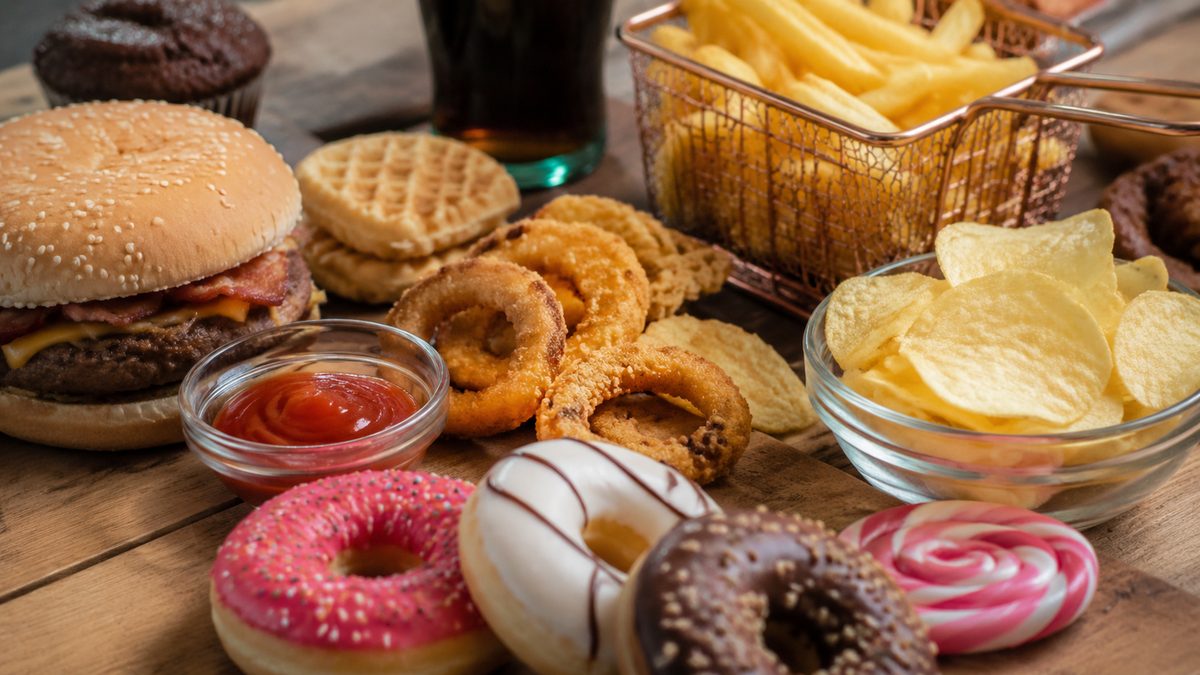
4. **Fast food and takeaway fried foods**, refined carbs combined with inflammatory fats
5. **Flavoured low-fat yoghurts and processed snack bars**, hidden sugar disguised as health food Eliminating or significantly reducing these five categories alone produces noticeable changes for most people within a few weeks. ## What Kills Belly Fat Naturally? Carbohydrate quality is the foundation, but it works best as part of a broader approach. Here is what the evidence consistently supports: ### Prioritise Protein at Every Meal Protein is the most satiating macronutrient. It reduces overall calorie intake naturally by keeping hunger under control. It also preserves muscle mass during fat loss, which keeps your metabolism running efficiently. Eggs, lean meats, fish, cottage cheese, and legumes are all strong choices. ### Manage Blood Sugar Consistently Every meal is an opportunity to either stabilise or destabilise your blood sugar. Pairing carbohydrates with protein, fat, and fibre slows glucose absorption and reduces insulin output. Over time, consistently stable blood sugar levels reduce the hormonal signals that drive fat storage. ### Reduce Ultra-Processed Food Across the Board Processed foods are engineered to override your body's natural fullness signals. They tend to be calorie-dense, low in fibre, and high in refined carbohydrates and added sugars, exactly the combination that drives abdominal fat accumulation. Cooking more meals from whole food ingredients is one of the most effective self-care strategies for long-term fat loss. ### Move Consistently Resistance training builds muscle, which improves insulin sensitivity and increases your resting metabolic rate. Walking after meals has been shown to blunt post-meal blood sugar spikes meaningfully. You do not need extreme exercise; consistent moderate movement compounds over time. ### Prioritise Sleep Poor sleep elevates cortisol, a stress hormone that directly promotes visceral fat accumulation. It also disrupts the hormones that regulate hunger, ghrelin and leptin, making it significantly harder to make good nutrition choices. Treating sleep as a non-negotiable part of your fat loss strategy is not optional; it is essential. ## A Practical Framework to Apply This Week Understanding the theory is useful. Knowing exactly what to do tomorrow is better. Here is a simple starting framework: - **Swap refined grains for whole food alternatives.** Replace white bread with sourdough or wholegrain. Replace white rice with brown rice or quinoa. Small swaps, consistent results.
- **Eliminate liquid sugar completely.** Replace soft drinks, fruit juices, and sweetened coffees with water, sparkling water, black coffee, or herbal tea. This single change removes a significant source of fructose and excess calories for most people.
- **Build meals around protein and vegetables first.** Fill half your plate with non-starchy vegetables, a quarter with quality protein, and the remaining quarter with a slow-digesting carbohydrate. This structure naturally limits refined carb intake without requiring strict calorie counting.
- **Read labels on packaged foods.** Look for added sugars and refined grain ingredients. If they appear prominently, find a whole food alternative.
- **Eat fruit, not drink it.** Whole fruit contains fibre that slows sugar absorption. Fruit juice removes that fibre entirely, turning a reasonably healthy food into a blood sugar spike in a glass. ## The Bottom Line Belly fat does not accumulate because you ate carbohydrates. It accumulates because you consistently ate the *wrong* carbohydrates, the refined, fast-digesting, high-sugar varieties that chronically spike blood sugar and keep insulin elevated. The fix is not a carb-free diet. It is a smarter relationship with carbohydrates. Cut the refined grains, the sugary drinks, and the processed snack foods. Replace them with vegetables, legumes, whole grains, and quality protein. Manage your blood sugar consistently. Sleep well. Move regularly. These are not radical interventions. They are straightforward, evidence-backed changes that compound meaningfully over weeks and months. If you want a more personalised approach, one that accounts for your specific health history, lifestyle, and goals, working with a qualified health professional is the fastest way to get sustainable results without guessing. **The team at Paramount Health are experienced in helping people cut through the noise and build a nutrition strategy that actually works for their body.** Visit paramount-health.com.au to learn more about how they can support your health goals.
What snack is filling but not fattening?
Read article →
What can I eat that will fill me up but is healthy?
Read article →
How to reduce MS symptoms?
Read article →
Can fasting help autoimmune disorders?
Read article →
Does fasting help male fertility?
Read article →