What Drinks Won't Break Intermittent Fasting? The Complete Guide
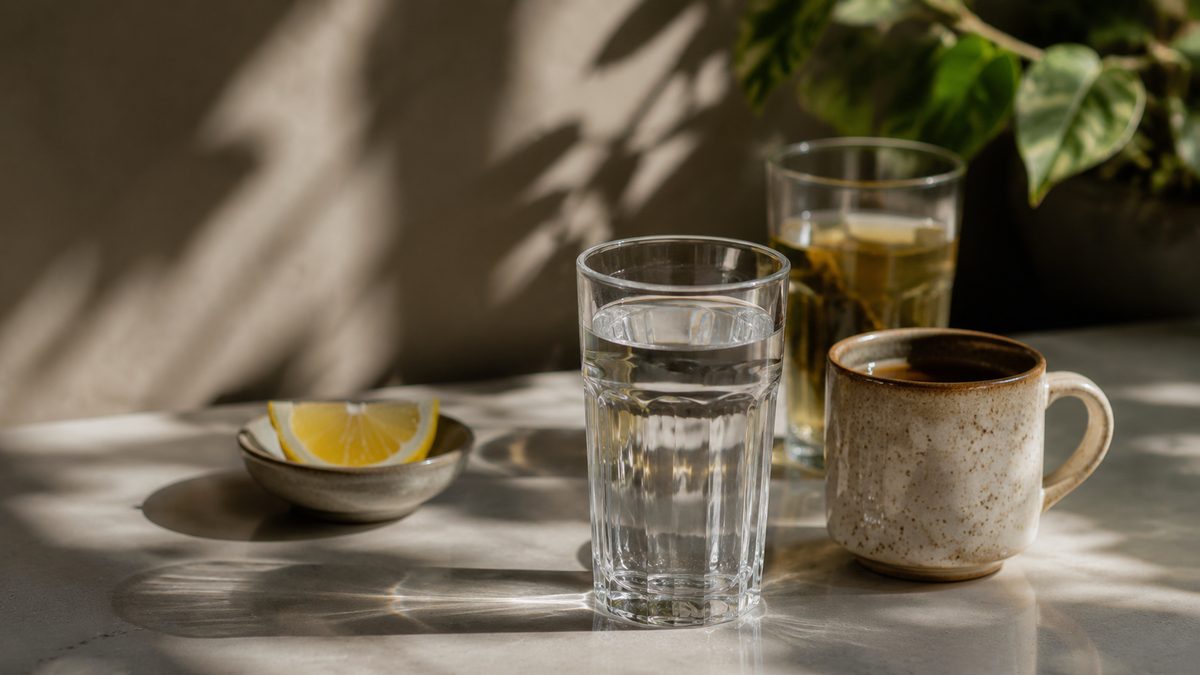
Water, black coffee, plain tea, and sparkling water won't break your fast. Zero calories. Zero insulin spike. Anything with calories, sugar, milk, cream, or artificial sweeteners pulls your body out of fat-burning mode and undoes the metabolic work you've put in.
The rule is simple: zero calories, zero insulin spike, fast intact. Paramount Health
Why What You Drink During a Fast Actually Matters
Intermittent fasting works because your body shifts from burning glucose to burning fat and making ketones. This switch is called metabolic switching, and that's where most of the benefits come from: better insulin sensitivity, lower blood sugar, weight loss.
When you drink something that raises insulin, even slightly, you interrupt that switch. Your body reads the signal as feeding time and pauses fat burning.
Research on time-restricted eating across 18 studies with roughly 1,250 people showed consistent improvements in insulin sensitivity and blood sugar control. That metabolic benefit depends on keeping insulin low during your fasting window. The drinks you choose either protect that state or break it.
Which Drinks Are Safe During a Fast?
Water
Plain water is the gold standard. Zero calories, zero effect on insulin, and it actively supports the cellular cleanup your body runs during a fast. Drink as much as you want.
Sparkling water works the same way as long as it's plain. No added flavours, sweeteners, or fruit juice. Check the label. Some sparkling waters marketed as "natural" still contain fruit extract, which counts as calories.
Black Coffee
Black coffee is one of the most fasting-friendly drinks available. Under 5 calories per cup, which is functionally zero. Caffeine can actually increase fat burning and may sharpen the metabolic benefits you're already getting from fasting.
When I tried cutting black coffee during a strict fasting period, my energy and mental clarity dropped noticeably compared to when I kept it in. The coffee wasn't breaking the fast. It was supporting it.
The catch: it must be black. No milk, no cream, no oat milk, no butter, no coconut oil. All of those add calories and can trigger an insulin response.
Plain Tea
Unsweetened green tea, black tea, white tea, and herbal teas are all safe. Green tea contains compounds like EGCG that may support fat burning during a fast.
One of my clients swapped her morning latte for green tea during her fasting window and stopped feeling hungry by mid-morning within about two weeks. She attributed it to the combination of the tea and simply not spiking insulin first thing.
No milk. No honey. No sugar. Even a small amount of honey is enough glucose to register as food to your metabolism.
Electrolyte Water
Plain electrolyte water with no calories or sweeteners is generally considered safe for extended fasting. Sodium, magnesium, and potassium don't raise insulin. If you're fasting for 16 hours or more and exercising, electrolytes can prevent cramping and fatigue without breaking your fast.
Check the label carefully. Many electrolyte drinks contain sugar, stevia, or fruit flavouring. If it lists calories, it can break your fast.
What Drinks Break Intermittent Fasting?
These drinks pull your body out of its fasting state, even in small amounts.
- Coffee with milk or cream. Even a splash of full-fat cream contains calories and can trigger an insulin response. This includes oat milk, almond milk, and any dairy alternative.
- Sweetened drinks. Sugar, honey, agave, maple syrup, fruit juice. All spike blood glucose directly.
- Artificial sweeteners. This is where it gets complicated. Sweeteners like sucralose, aspartame, and saccharin technically have zero calories, but research suggests they can still trigger an insulin response in some people by activating sweet taste receptors. If your goal is strict metabolic fasting, avoid them. If your goal is purely weight loss through a calorie deficit, a small amount is unlikely to matter much.
- Bulletproof coffee or fat coffee. Butter, MCT oil, and coconut oil all contain calories. They won't spike blood sugar the way sugar does, but they do break a true fast by introducing calories and suppressing the cellular cleanup process known as autophagy. Some people use fat coffee as a modified fasting strategy, and it can still support weight loss through calorie control, but it is not a fasted state.
- Smoothies and protein shakes. These are meals. Even a small protein shake will trigger insulin and digestion. Save them for your eating window.
- Kombucha and fermented drinks. Most commercial kombucha contains residual sugar. Check the label. Some have 8 to 15 grams of sugar per serve.
- Alcohol. Alcohol is processed as a toxin by the liver. It disrupts fat burning, raises cortisol, and adds calories. It breaks your fast on multiple levels.
Is Intermittent Fasting Good If You Have High Cortisol?
It depends, and the answer matters. If your cortisol is already elevated from poor sleep, chronic stress, or overtraining, fasting can make it worse. Your body treats fasting as a mild stressor. When you're already in a high-cortisol state, adding more stress through extended fasting can raise hunger hormones, increase cravings, and make fat loss harder.
I've seen this pattern in clients who train hard, sleep poorly, and then try a strict 18:6 fast. They feel worse, not better. Their cortisol response to fasting is amplified because their baseline is already elevated.
A shorter eating window like 12:12 or 14:10 is usually a better starting point if cortisol is a concern. Long fasting windows above 18 hours carry more cortisol risk. Getting 7 to 8 hours of sleep and managing stress matters as much as the fasting protocol itself.
The drinks you choose also affect cortisol. Black coffee raises cortisol in the short term. If you're already running high, green tea with its lower caffeine and calming L-theanine content may be a smarter choice during your fasting window.
How to Lose 2kg in a Week With Intermittent Fasting
Losing 2kg in a week is possible, but most of it will be water weight and glycogen, not pure fat. That's not a criticism. Dropping water weight reduces inflammation, bloating, and often blood pressure quickly. Some of it is real fat loss too.
Time-restricted eating cuts calorie intake by 20 to 30% in most people without counting calories. That caloric deficit, combined with the metabolic shift toward fat burning, is what drives weight loss.
To push toward 2kg in a week:
- Use a 16:8 or 18:6 fasting window consistently every day
- Cut refined carbohydrates and sugar in your eating window, this reduces water retention fast
- Stay hydrated with water and plain electrolytes
- Keep alcohol out completely for the week
- Walk for 30 to 45 minutes daily in a fasted state if possible
One of my clients lost 2.1kg in her first week using 16:8 fasting combined with cutting bread and pasta. She didn't track calories. The fasting window alone reduced her eating opportunities enough to create a meaningful deficit. She kept black coffee and green tea through her fast and said they were the only reason she made it to her eating window without caving.
Be realistic: sustained fat loss runs at 0.5 to 1kg per week. A 2kg week is a strong start. Slowing down after that is normal and healthy.
Does Intermittent Fasting Lower PSA Levels?
PSA stands for prostate-specific antigen, a marker used to screen for prostate inflammation and cancer risk in men. The direct research on intermittent fasting and PSA is limited, so I'll be straight about what we know and what we're inferring.
What the evidence does support is that intermittent fasting reduces systemic inflammation, improves insulin sensitivity, and lowers markers of metabolic dysfunction. Chronic inflammation and elevated insulin are both associated with higher PSA levels and worse prostate health outcomes. Reducing them through fasting could reasonably lower PSA over time, but I wouldn't claim fasting is a PSA treatment without more direct research.
If PSA is a concern for you, fasting as part of a broader anti-inflammatory nutrition approach, combined with regular medical monitoring, is a sensible direction. It's not a replacement for medical advice or screening.
What Most Articles Get Wrong About Fasting Drinks
Three things that don't get enough attention:
The artificial sweetener question is not settled. Most fasting guides either say sweeteners are fine because zero calories or completely ban them. The honest answer is that individual responses vary. Some people's insulin rises with sweet taste alone. If you're doing strict fasting for metabolic reasons, cut them. If you're using fasting mainly as a calorie-control tool, a small amount is unlikely to wreck your results.
Timing your coffee matters more than most people realise. Cortisol peaks naturally in the first 90 minutes after waking. Drinking coffee during that window amplifies a cortisol spike that's already happening. Waiting 90 minutes before your first black coffee can improve energy stability through the morning without changing your fasting window at all.
Thirst is often confused with hunger during fasting. When I first tried 16:8, the urge to eat at hour 14 felt intense. What I found was that drinking 500ml of water or a cup of green tea made the urge disappear within 10 minutes most of the time. Dehydration mimics hunger signals. The drink you choose in those moments can either reinforce your fast or end it early.
FAQ
Does lemon water break a fast?
A squeeze of lemon in water has around 2 to 3 calories. Most fasting protocols consider this safe. It won't meaningfully raise insulin. If you're doing a strict therapeutic fast, leave it out. For weight loss fasting, lemon water is fine.
Can I drink bone broth while fasting?
Bone broth contains calories and protein, which means it triggers digestion and breaks a true fast. Some people use it as a modified fasting strategy because it's low calorie and high in electrolytes. It won't support a strict fasted state, but it can help people who struggle with extended fasting windows stay consistent.
Does apple cider vinegar break a fast?
Plain apple cider vinegar diluted in water has almost no calories and doesn't appear to raise insulin. Most protocols consider a teaspoon in water acceptable during a fast. Don't use commercial ACV drinks, many contain added sugar.
What about flavoured sparkling water like La Croix?
Plain flavoured sparkling water with zero calories and no sweeteners is generally considered safe. Check that the label shows zero calories and no added sweeteners or juice.
Can I drink coffee with collagen during a fast?
No. Collagen is a protein. Even a small scoop contains calories and amino acids that trigger insulin and digestion. Save it for your eating window.
Your Action Plan
Stock your kitchen with these before your next fasting day: filtered water, plain sparkling water, quality black coffee, and a selection of unsweetened teas. Remove the oat milk, the flavoured sparkling waters, and anything sweetened from your counter so you're not making decisions under hunger pressure at hour 14.
Start with 16:8. Black coffee or green tea in the morning. Water through the day. Eat in your window. Give it two consistent weeks before you judge the results. The metabolic switching that drives real fat loss and insulin improvement takes a few days of consistent fasting to establish. One drink choice won't undo everything, but the habit you build around your fasting window determines whether the protocol works long-term.
If you want support building a fasting approach around your specific health goals, including cortisol, metabolic health, or weight loss, the team at Paramount Health can help you structure it properly.Sources
What snack is filling but not fattening?
Read article →
What can I eat that will fill me up but is healthy?
Read article →
How to reduce MS symptoms?
Read article →
Can fasting help autoimmune disorders?
Read article →
Does fasting help male fertility?
Read article →