What Foods Make High Cortisol Worse (And What to Eat Instead)
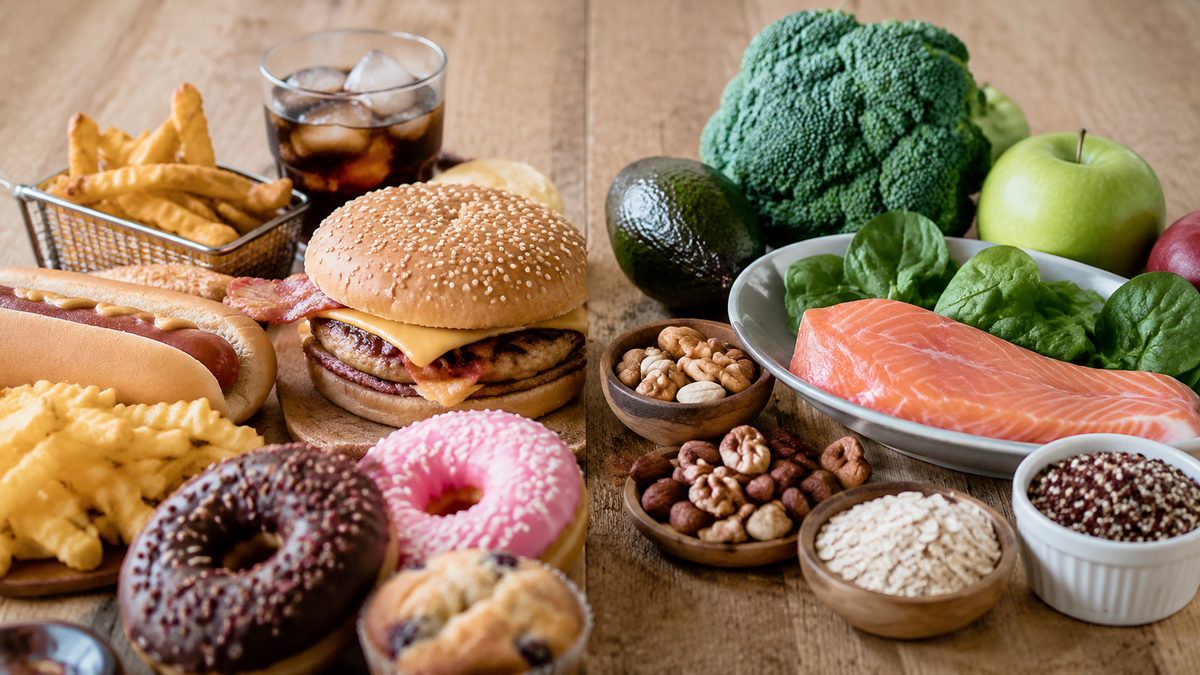
Sugar and caffeine are the two foods most likely to make high cortisol worse. A controlled trial showed glucose directly amplified the cortisol stress response compared to protein, fat, or water. Caffeine raised cortisol levels across the waking hours, with afternoon doses keeping them elevated well into the evening.
If your cortisol is already high, these two are the first things to pull back on. Everything else is secondary. working with a practitioner
Why Does Food Affect Cortisol at All?
Cortisol is your body's main stress hormone. It gets released by your adrenal glands when your brain signals danger through a pathway called the hypothalamic-pituitary-adrenal (HPA) axis. That same system responds to physical threats, mental stress, poor sleep, and yes, what you eat.
When blood sugar spikes fast then crashes, your body reads that crash as a threat. Cortisol gets released to pull glucose back into your blood. This is the same mechanism as a fight-or-flight response, just triggered by a can of soda instead of a predator.
Most people never connect their afternoon energy crash to a cortisol spike from lunch. Once they see it, they can't unsee it.
What Foods Destroy Cortisol Regulation?
Two foods have the strongest direct evidence. Several others are worth avoiding based on how they affect blood sugar and the stress response system.
Sugar and High-Glycemic Carbohydrates
This one has the clearest science. In a controlled study of 37 fasted men, a glucose load before a stress test caused significantly higher cortisol output than protein, fat, or water. The sugar didn't just raise blood sugar. It amplified the entire stress hormone response.
Soda, candy, pastries, white bread, white rice, and fruit juice all cause blood sugar spikes. When blood sugar drops, your HPA axis fires. Cortisol goes up. Do this repeatedly through the day and your baseline cortisol creeps higher over time.
One client was dealing with chronic fatigue and anxiety. She thought her diet was healthy. Then we looked closer: oat cereal for breakfast, white-bread sandwich for lunch, sweet coffee drink mid-afternoon. Her meals triggered blood sugar swings every three to four hours. We shifted her to protein and fat at breakfast. Within two weeks, her 3pm crash had almost disappeared.
Caffeine
Caffeine raises cortisol. That's settled. A study of 96 adults found 250 mg of caffeine (roughly two to three cups of coffee) produced cortisol increases. People drinking 300 to 600 mg per day built partial tolerance to the morning spike, but afternoon caffeine still elevated cortisol from 1pm through 7pm.
Most people think tolerance means caffeine no longer affects their hormones. It does. Just at a different time of day.
Caffeine also amplifies the cortisol response to stress and exercise. Combine caffeine with mental stress and the cortisol spike is larger than either alone. Women showed even greater cortisol responses than men after post-exercise meals when caffeine had been consumed beforehand.
Energy drinks deserve a mention here. They often contain 150 to 300 mg of caffeine per can, sometimes more, plus sugar. That combination hits both triggers at once.
Cutting afternoon caffeine made more difference for my clients than cutting morning caffeine. The morning cup matters less. The 2pm coffee is the one keeping cortisol elevated into the night and wrecking sleep.
Alcohol
No controlled trials have directly tested alcohol on cortisol the way glucose and caffeine have been studied. But alcohol disrupts sleep architecture significantly, and poor sleep is one of the strongest drivers of elevated cortisol. Alcohol also creates blood sugar instability, feeding back into the same cycle as sugary foods.
The HPA axis is sensitive to metabolic disruption. Alcohol creates it. Clinical consensus supports limiting alcohol when cortisol is elevated, even if the direct mechanism studies are limited.
Ultra-Processed Foods
Ultra-processed foods tend to be high in refined carbohydrates, added sugar, and low in fiber and protein. They behave like sugar in terms of their effect on blood sugar and cortisol. There's also emerging evidence that gut health influences cortisol regulation through the gut-brain axis. Ultra-processed diets are consistently linked to worse gut microbiome diversity.
A pilot study found no significant correlation between general dietary patterns and baseline cortisol in college-aged participants. This suggests diet alone isn't the whole story. But that study measured dietary patterns broadly, not specific foods like sugar and caffeine tested in more controlled conditions.
What Are 10 Warning Signs of High Cortisol?
Most people don't connect their symptoms to their stress hormones. Here are the most common signs:
- Weight gain around the abdomen, even without eating more
- Fatigue that doesn't improve with sleep
- Difficulty falling asleep despite feeling exhausted
- Waking between 2am and 4am and struggling to get back to sleep
- Anxiety or a constant sense of being on edge
- Brain fog and poor concentration
- Cravings for sugar and salty food
- Frequent illness due to suppressed immune function
- Low mood or irritability without a clear cause
- High blood pressure or rapid heart rate
I remember one client describing almost all ten of these. She was convinced something was seriously wrong. Her cortisol was high, but her diet was also pouring fuel on the fire three times a day. The symptoms made complete sense once we mapped her eating patterns against her cortisol rhythm.
What Should I Avoid If My Cortisol Is High?
The priority list is short. Get these right first.
- Afternoon and evening caffeine. Cut anything after midday. This single change reduces the evening cortisol elevation.
- Sugary drinks. Soda, juice, sweetened coffee drinks, and energy drinks all spike blood sugar fast. The glucose-cortisol link is direct.
- Skipping meals. Fasting or long gaps between meals drops blood sugar, triggering cortisol release. Regular meals stabilize this.
- Refined carbohydrates on their own. White bread, white rice, and crackers eaten without protein or fat cause blood sugar to spike and crash. Pair them with protein and fat if you eat them at all.
- Alcohol close to bedtime. It fragments sleep and raises cortisol through the night.
- High-caffeine pre-workout supplements. Many contain 200 to 400 mg of caffeine. Combined with exercise stress, the cortisol response is compounded.
Which Food Is Best to Reduce Cortisol?
The best foods for high cortisol stabilize blood sugar slowly and consistently. That means meals built around protein, healthy fats, and fiber.
Protein slows digestion and prevents blood sugar spikes. Eggs, chicken, fish, legumes, and Greek yogurt are practical choices. Fat from avocado, olive oil, nuts, and oily fish does the same. Fiber from vegetables, legumes, and whole grains slows glucose absorption and buffers the insulin response.
Some specific foods worth including:
- Fatty fish (salmon, sardines, mackerel) for omega-3s, which are associated with reduced inflammatory signalling that can drive cortisol
- Dark leafy greens for magnesium, a mineral involved in HPA axis regulation
- Berries for antioxidants with a relatively low glycemic impact compared to other fruit
- Whole grains paired with protein to slow glucose release
- Fermented foods like yogurt and kefir to support gut health and the gut-brain axis
People see the most improvement not from adding superfoods but from fixing meal structure. Three balanced meals a day with protein and fat at every one does more for cortisol than any supplement or ingredient.
Three Things Most Articles Get Wrong About Cortisol and Food
1. Tolerance to caffeine doesn't protect your afternoon cortisol
Most articles say regular coffee drinkers develop tolerance and cortisol stops being a concern. Only partly true. Research shows tolerance to the morning cortisol spike develops with high daily intake, but afternoon caffeine still meaningfully elevated cortisol from 1pm to 7pm even in regular users. The problem shifts later in the day. It doesn't disappear.
2. Skipping meals isn't neutral for cortisol
Intermittent fasting is popular and has real benefits for some people. But going long periods without food drops blood sugar, which directly triggers cortisol to mobilise glucose stores. If you already have high cortisol, extended fasting can make it worse rather than better. My clients who tried skipping breakfast as a cortisol strategy felt worse within a week.
3. Cortisol has a natural daily rhythm that food can disrupt
Cortisol follows a circadian pattern. It peaks shortly after waking, then drops through the day, reaching its lowest point around midnight. Eating sugar late at night, drinking caffeine in the afternoon, or skipping dinner then snacking late all disrupt this rhythm. When the rhythm breaks down, sleep quality falls. Poor sleep raises cortisol the next day. The cycle compounds quickly.
How to Put This Into Practice
The research points clearly at two levers: blood sugar stability and caffeine timing. Get those right and you remove the two biggest dietary drivers of elevated cortisol.
Your metabolism, sleep, immune system, and mood all depend on cortisol staying within a healthy range. Food is one of the few variables you can change today without a prescription or a referral.
Frequently Asked Questions
Does coffee raise cortisol every time you drink it?
Yes, though the size of the spike depends on timing and your daily intake. Morning coffee produces a smaller spike in habitual drinkers. Afternoon and evening coffee still raises cortisol significantly, even in people with high daily caffeine intake.
Is sugar the worst food for cortisol?
Glucose is the most directly tested. A controlled trial showed it amplified the cortisol stress response more than protein, fat, or water. Caffeine has comparable evidence. Both matter. If you can only change one thing, cut sugary drinks first since they hit both blood sugar and are often combined with caffeine.
Can high cortisol be fixed through diet alone?
Diet removes major triggers but doesn't address all causes. Sleep, chronic stress, and underlying health conditions also drive cortisol. Diet is a necessary part of the picture, not the complete solution.
Does alcohol raise cortisol?
Alcohol disrupts sleep and blood sugar, both of which raise cortisol. Direct controlled trials on alcohol and cortisol are limited, but clinical consensus recommends reducing alcohol when cortisol is elevated.
What is the best breakfast to keep cortisol low?
A breakfast with protein, healthy fat, and low-glycemic carbohydrates. Eggs with vegetables, Greek yogurt with berries and nuts, or smoked salmon on whole grain toast all fit. Avoid cereal, fruit juice, and toast with jam on their own.
What to Do Now
Start with two changes this week. Cut caffeine after midday. Replace one sugary meal or drink with something built around protein and fat. These two moves address the two best-evidenced dietary drivers of high cortisol. Everything else can follow from there.
If your symptoms are persistent, working with a practitioner who can test your cortisol pattern across the day gives you a clearer picture of what's actually happening and what intervention makes the most sense for your situation.
Sources

What snack is filling but not fattening?
Read article →
What can I eat that will fill me up but is healthy?
Read article →
How to reduce MS symptoms?
Read article →
Can fasting help autoimmune disorders?
Read article →
Does fasting help male fertility?
Read article →