What Happens If You Drink Warm Ginger Water Every Morning for 7 Days on an Empty Stomach?
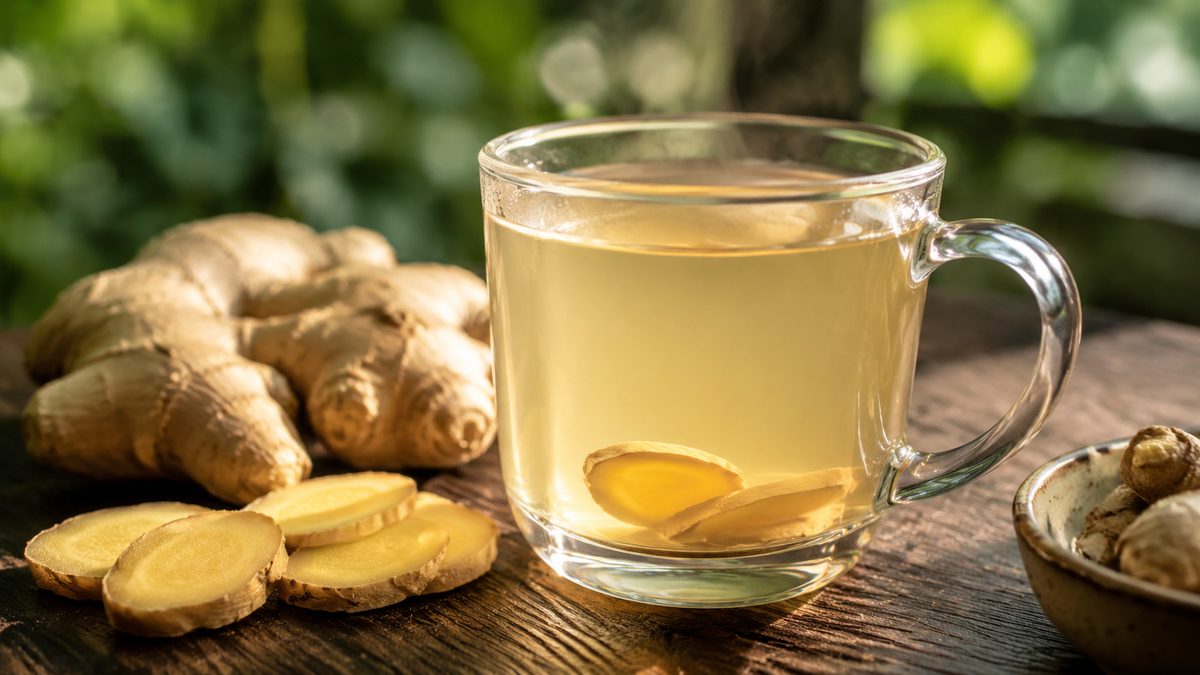
Most people notice less bloating, easier digestion, and reduced nausea within 2 to 4 days. The anti-inflammatory compounds in ginger start working within hours of your first drink.
Seven days won't transform your health if you're already well, but it's enough time to feel a real shift in how your gut operates each morning. If you have prediabetes or metabolic syndrome, you may also notice more stable energy and smoother blood sugar throughout the day. Paramount Health
Why does empty stomach timing matter? Peak absorption happens roughly 1 to 2 hours after drinking, and there's nothing competing for uptake.
What's Actually in Ginger That Does Anything?
Ginger root contains active compounds called gingerols, shogaols, and zerumbone. These are polyphenols, plant chemicals that interact with your immune system and digestive tract in measurable ways.
Gingerol is the main active compound in fresh ginger. Research shows it lowers oxidative stress and supports healthy blood glucose regulation, particularly for people managing diabetes or prediabetes. When you dry or heat ginger, gingerol converts to shogaol, which has its own anti-inflammatory properties.
Zerumbone, another compound in ginger, reduces acute inflammatory responses by suppressing key signalling pathways including NLRP3 and caspase-1. These pathways are involved in how your body responds to injury and infection.
Ginger also blocks NF-kB activation. This is one of the main switches your immune system uses to ramp up inflammatory cytokine production. That's why ginger helps with joint stiffness, gut inflammation, and general systemic inflammation.
Bottom line: these compounds are real, their mechanisms are documented, and warm water is a practical delivery vehicle because it encourages your gut to absorb them quickly on an empty stomach.
What Happens to Your Body Each Day During the 7 Days?
Here's a realistic breakdown based on how ginger compounds work in the body:
Days 1 to 2: Your digestive system responds first. Ginger accelerates gastric emptying, meaning food moves from your stomach into the small intestine faster. If you've been waking up with bloating or a heavy feeling in your gut, this usually shifts quickly. One of my clients who struggled with morning nausea and slow digestion felt lighter by day two. She'd dealt with it for months and assumed it was just how her body worked.
Days 3 to 4: Nausea tends to improve noticeably around here, especially if yours is triggered by motion, early pregnancy, or post-meal discomfort. The anti-inflammatory activity is building up. Some people report less joint stiffness in the morning. If your gut microbiota has been disrupted, the ginger's antimicrobial polyphenols start creating a less hospitable environment for certain pathogenic bacteria.
Days 5 to 7: By now you're getting a consistent daily dose of gingerol hitting your system before anything else does. People with higher baseline inflammation, like those with metabolic syndrome, insulin resistance, or frequent digestive upset, tend to feel the most difference here. Stable energy through the morning is a common report, likely tied to better glucose regulation.
What you probably won't notice in 7 days: dramatic weight loss, a completely resolved chronic condition, or a measurable drop in blood pressure from ginger alone. Those outcomes require weeks to months of consistent use alongside broader lifestyle changes.
Does Drinking Ginger Water on an Empty Stomach Actually Matter?
Yes. The timing is more relevant than most articles acknowledge.
When your stomach is empty, there's no food mass to slow absorption. Ginger's active compounds reach your small intestine faster, and peak plasma concentration of gingerols occurs roughly 1 to 2 hours after consumption. If you drink ginger water with or after breakfast, that window extends and the concentration curve flattens.
For gut-specific benefits like reduced bloating and improved gastric motility, empty stomach timing also means the ginger is acting directly on your gastrointestinal tract before it gets diluted by a meal. That's the main practical reason the empty stomach protocol exists, and it holds up.
The standard dose in most clinical studies is 1 to 2 grams of fresh ginger, roughly a 1-inch piece, steeped in 250 mL of warm water. Too much ginger, especially above 4 to 5 grams daily, can increase stomach acid production and cause heartburn in sensitive people. If that happens, stop or reduce the amount.
Can Ginger Reduce Swelling and Inflammation?
It can, and the mechanism is specific. Ginger's compounds interrupt inflammatory signalling at multiple points. They block NF-kB, which controls the genes that produce inflammatory cytokines. They also suppress pathways like JAK1/STAT3 involved in acute inflammatory responses.
For visible swelling from injury or arthritis, 7 days of ginger water is unlikely to produce dramatic change. The anti-inflammatory effect is systemic and cumulative. What you're more likely to notice is reduced gut inflammation, less puffiness in the morning if you carry water retention, and over several weeks, potentially reduced joint stiffness.
I know this because one of my clients with early osteoarthritis in her knees tried ginger water as part of a broader dietary change. After 3 weeks she said the morning stiffness had dropped enough that she stopped reaching for ibuprofen as her first move. That's not a cure. But it's a real functional change from a low-cost daily habit.
What About Ginger and H. Pylori?
This is a question worth addressing directly because many people are dealing with H. Pylori infections and wondering if ginger water is safe or helpful.
The honest answer: ginger has demonstrated antimicrobial activity against H. Pylori in lab studies. Its compounds disrupt the bacterium's ability to colonise the stomach lining. But lab evidence doesn't mean drinking ginger water will clear an H. Pylori infection. It won't replace antibiotic triple therapy or your doctor's treatment plan.
Where ginger water may help during H. Pylori treatment is in managing nausea and digestive discomfort, which are common side effects of the antibiotics used. It's generally safe to drink ginger tea alongside H. Pylori treatment, but keep the dose moderate. If ginger increases your stomach acid and you already have ulceration from H. Pylori, that's a combination worth discussing with your practitioner first.
Does Lemon and Ginger Tea Lower Blood Pressure?
Ginger has mild vasodilatory effects, meaning it can relax blood vessels slightly, which may contribute to modest blood pressure reductions over time. Lemon adds vitamin C and flavonoids, which support vascular health.
In practice, lemon and ginger tea is not a blood pressure medication. If your blood pressure is in a range that needs treatment, this drink isn't the lever to pull. What the combination can do is support overall cardiovascular health as part of a diet rich in polyphenols, reduce systemic inflammation that contributes to arterial stiffness, and provide a low-caffeine alternative to coffee or tea that won't spike your blood pressure the way caffeine can.
In my experience, clients who see the most benefit from lemon and ginger tea on blood pressure are those who replace a high-caffeine morning drink with it, not those who add it on top of everything else.
Who Gets the Most Out of 7 Days?
Not everyone responds the same way. Here's who tends to notice the clearest benefit:
- People with regular bloating or slow digestion. Ginger's effect on gastric emptying and gut motility is fast-acting. If your digestive system runs sluggishly, you'll feel this within 2 to 3 days.
- People with morning nausea. Whether from early pregnancy, medications, or a sensitive gut, ginger is one of the most evidence-supported natural interventions for nausea.
- People with prediabetes or metabolic syndrome. Gingerol's role in blood glucose regulation means this group may notice more stable morning energy and fewer spikes after breakfast.
- People with chronic low-grade inflammation. Joint stiffness, frequent illness, slow recovery from exercise. Ginger's NF-kB blocking activity accumulates over days and weeks.
If you're healthy, sleep well, eat well, and have no digestive complaints, 7 days of ginger water will likely feel like a pleasant morning ritual more than a transformation. That's not a failure. It means your baseline is already good.
What Most Articles Get Wrong About This
1. The studies don't actually test this exact habit. The research behind ginger's benefits mostly uses isolated compounds, animal models, or acute clinical conditions. No peer-reviewed trial has specifically tested 7 days of warm ginger water on an empty stomach in healthy adults. The benefits are real and the mechanisms are documented, but the precise protocol is extrapolated from that evidence, not directly studied. That's worth knowing so you have accurate expectations.
2. More ginger is not always better. There's a consistent assumption in wellness content that you should maximise the dose. Above 4 to 5 grams per day, ginger can trigger acid reflux, thin the blood more than is safe for people on anticoagulants, and irritate your gastrointestinal tract. One to two grams in 250 mL of warm water is the right place to start.
3. Seven days is a starting point, not a finishing line. If nothing changes in 7 days, the most common reason is that the real benefits of reduced systemic inflammation and improved metabolic markers take 2 to 4 weeks of consistent use to show up clearly. Don't quit at day 7 if your goal is anti-inflammatory support.
Frequently Asked Questions
Can I drink ginger water every day long term?
Yes, for most people. Keep the dose at 1 to 2 grams of fresh ginger per day. If you're on blood thinners like warfarin, check with your doctor first because ginger has mild anticoagulant activity.
Should I use fresh ginger or powder?
Fresh ginger gives you the highest gingerol content. Powder works but contains more shogaol due to the drying process. Both are effective. Fresh is preferred for digestive and nausea-related benefits.
What if I get heartburn after drinking it?
Stop, or cut the dose in half. Some people produce more stomach acid in response to ginger, especially on a completely empty stomach. Try eating a small amount first, like a few crackers, then drinking the ginger water.
Can I add honey or lemon?
Yes. Lemon adds vitamin C and flavonoids. Honey adds antimicrobial compounds and makes it more palatable. Neither undermines the ginger's effect. Avoid large amounts of sugar.
Is warm water necessary or can it be cold?
Warm water is preferable. It steeps the ginger more effectively, is easier on your gut first thing in the morning, and supports gastric motility better than cold water on an empty stomach.
Will 7 days of ginger water help with weight loss?
Indirectly, it might. Improved digestion, reduced bloating, and better blood sugar regulation can support weight management. But ginger water alone won't produce weight loss. It's a supporting tool, not a primary intervention.
Your Action Plan
Start with this exact protocol and run it for at least 3 weeks before deciding if it's working:
- Slice or grate a 1-inch piece of fresh ginger (roughly 1 to 2 grams) into a mug.
- Pour 250 mL of hot water over it and steep for 5 to 10 minutes.
- Let it cool to warm, not hot. Drink it before eating anything.
- Wait 20 to 30 minutes before breakfast.
- Track how your digestion, energy, and any bloating change over the first week.
- If you get heartburn, reduce the ginger to half a teaspoon of grated root or eat a small snack first.
- If you notice no change at 7 days, stay with it. Most of the systemic anti-inflammatory benefits show up between weeks 2 and 4.
If you want personalised guidance on how to use nutrition and natural compounds to support your specific health goals, the team at Paramount Health can help you build a plan that actually fits your situation.Sources

What snack is filling but not fattening?
Read article →
What can I eat that will fill me up but is healthy?
Read article →
How to reduce MS symptoms?
Read article →
Can fasting help autoimmune disorders?
Read article →
Does fasting help male fertility?
Read article →