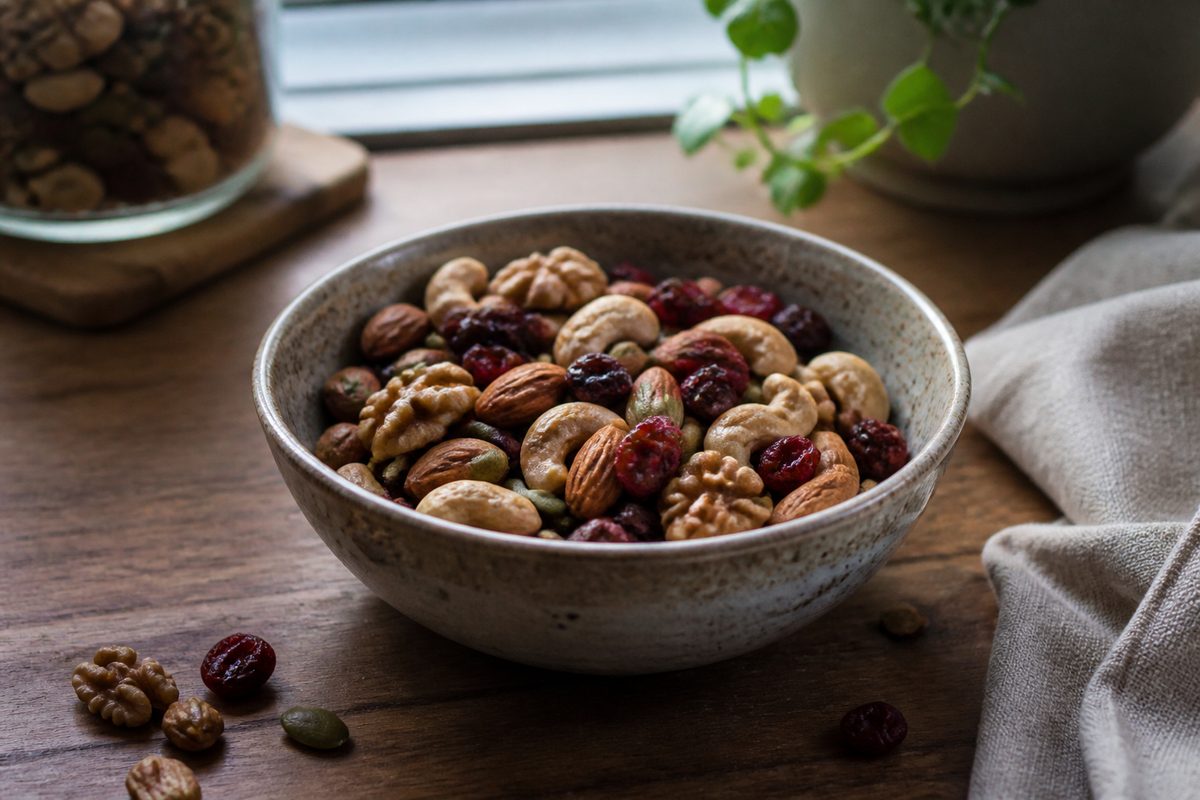
What is a healthy snack to bring to work?
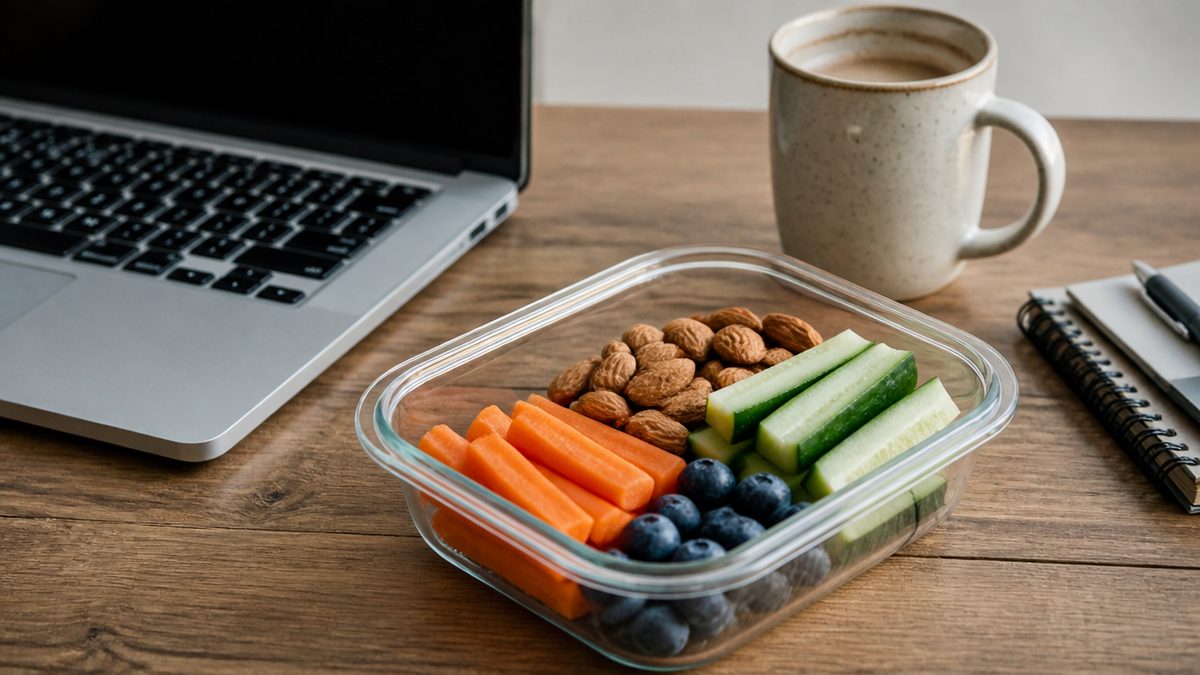
A healthy work snack pairs Protein with Dietary fiber in a portion that fills you up without replacing a full meal. Try plain Greek yoghurt with berries, an apple with peanut butter, hummus with vegetables, or a boiled egg with wholegrain crackers. These combinations digest more slowly than sweets or plain crackers, helping to keep hunger and energy steady.
The best work snack is safe to store, easy to eat, and right for your day. A yoghurt cup works if you have a fridge. Roasted chickpeas are handier when you travel between sites.
The basic idea is simple: pack filling nutrients in a planned portion before hunger sends you to the vending machine.
What makes a work snack healthy?
A useful snack fills a real gap between meals. It should calm physical hunger and carry you to the next meal without leaving you weak, distracted, or desperate for quick Food. Protein and Dietary fiber do much of the work because both make a snack more filling.
Fruit gives you carbohydrate, water, vitamins, and fiber. Yoghurt, eggs, cottage cheese, legumes, fish, and nuts add protein. Nuts, seeds, avocado, and natural nut butter also provide Unsaturated fat.
This kind of fat can support heart health when it replaces foods high in saturated fat.
Portion size still counts. A family bag of nuts can quietly become several servings during a long meeting. Put a small serve in a container before you leave home.
A healthy snack should take the edge off hunger, not make you too full for lunch or dinner.
In my experience, people stick with simple snacks. One client made fancy snack boxes every Sunday, then gave up after two weeks. She switched to bananas, single yoghurt tubs, and measured bags of almonds.
The less impressive plan lasted. It fit her mornings.
How should you combine protein, fiber, and fat?
Start with one protein-rich food. If it has little fiber, add a plant food. Include a small source of Unsaturated fat when it adds flavour or helps the snack last longer.
- Plain Greek yoghurt with berries and chia seeds
- An apple or pear with natural peanut butter
- Carrot and cucumber sticks with hummus
- A boiled egg with wholegrain crackers and cherry tomatoes
- Cottage cheese with sliced peach
- Tuna on crispbread with cucumber
- Edamame with a piece of fruit
- Roasted chickpeas with a mandarin
You don't need equal amounts of every nutrient. The pairing matters more than a perfect formula. Fruit alone may be enough for a short gap before lunch.
But if dinner is hours away, yoghurt, nuts, or cheese will usually help the snack last longer.
People often avoid healthy fat because it has more energy per gram than protein or carbohydrate. That overlooks its practical value. A spoonful of peanut butter can make an apple far more satisfying.
The trick is to measure it instead of eating straight from the jar.
How can a snack support steady energy at work?
A snack can't create energy from nowhere, but it can stop a long food gap from hurting your focus. Carbohydrate supplies glucose, which the body uses for energy. Protein, fat, and fiber slow digestion, which may cause a gentler change in Blood sugar level than a large serve of refined carbohydrate eaten alone.
This doesn't mean sugar is toxic or every Blood sugar level rise is harmful. It means the type and amount of carbohydrate shape how a snack feels. Lollies or a sweet drink deliver carbohydrate fast but give you little protein or fiber.
An apple with yoghurt takes longer to eat and digest. It also gives your body more useful nutrients.
I've found that many people blame the wrong snack for afternoon tiredness when lunch is the real issue. A small salad with little protein may leave someone hungry within two hours. Sometimes the answer is a better lunch, not a bigger snack.
A snack should bridge meals, not patch up an underfed day.
Sleep, hydration, stress, and caffeine also shape afternoon energy. If you're exhausted every day despite regular meals and enough sleep, talk to a health professional. Food is only one part of the picture.
Which options work without a fridge?
Pick shelf-stable foods when you can't keep a snack cold. Whole fruit, nuts, seeds, roasted legumes, wholegrain crackers, nut butter sachets, and unopened tuna pouches travel well. Read the packet, since some products need refrigeration once opened.
Good combinations include a banana with a small bag of walnuts, wholegrain crackers with a sealed tuna pouch, or roasted broad beans with an orange. Keep an emergency snack in your desk, car bag, or locker if the space stays cool and dry. Replace it before its use-by date.
Jerky and snack bars are handy, but their labels vary widely. Compare similar products instead of trusting the front of the pack. Check the protein, Dietary fiber, added sugar, saturated fat, sodium, and serving size.
A bar made with oats and nuts may still contain enough syrup to act more like a sweet. That doesn't make it forbidden. It just affects how often it fits.
Which options need cold storage?
A fridge opens up more choices: yoghurt, cottage cheese, boiled eggs, cut vegetables, hummus, cooked edamame, and leftover homemade snacks. Keep them at a safe temperature. If there's no fridge, use an insulated lunch bag with an ice pack.
Cold snacks suit people who want more food volume. A tub of chopped cucumber, capsicum, and carrots with hummus gives you more bites than a small bar. Yoghurt with berries can also feel like a real break instead of a rushed packet snack.
Don't leave high-risk foods on a warm desk for hours. Dairy, eggs, meat, fish, and cooked legumes need good temperature control. Pack only what you plan to eat, then return any unused food to the fridge quickly.
How much food should you pack?
Pack enough to meet the hunger you expect. A smaller adult might need one piece of fruit and yoghurt. Someone doing physical work may need more, such as a wholegrain sandwich with chicken and salad.
The right amount depends on your meal times, body size, activity, health needs, and appetite.
Let hunger guide you. If the snack never carries you to the next meal, add more protein, fiber, or food. If it ruins your appetite for dinner, shrink the portion or eat it earlier.
And if you aren't hungry, you don't need to eat just because the clock says it's snack time.
I remember one client who packed almonds in a large container. Each afternoon, he ate the lot while reading emails. We didn't change the food itself.
He started packing one measured serve with a pear. That clear stopping point made the snack work as planned.
How does food processing affect your choice?
Food processing is a tool, not a simple health test. Plain yoghurt, frozen berries, canned chickpeas, wholegrain bread, and natural peanut butter are all processed foods. Processing makes many foods safe, cheap, or easy to store.
A better question is what processing added or removed. Some packaged snacks contain lots of added sugar, salt, or saturated fat, with little protein or Dietary fiber. Others stay rich in nutrients and are easy to pack.
Judge the whole product instead of ruling out all packaged food.
Single-serve packs can even help with portions and food safety. A small yoghurt tub may work better in a shared office fridge than a large open container. A sealed nut pack can sit in a laptop bag through a busy day.
Convenience can support health when it helps you stick with the plan.
What should you check on a snack label?
Start with serving size. A packet may look low in energy or sugar because the listed serve is far smaller than the amount most people eat. Then compare foods in the same group, such as one yoghurt with another.
See whether the snack offers a useful amount of protein or fiber. Check added sugar when the label lists it, then read the ingredients to find where the sweetness comes from. Fruit has natural sugar along with water and nutrients.
A product sweetened with several syrups may give you a very different mix.
Check sodium when you often eat crackers, jerky, roasted legumes, or tuna. Look at saturated fat in pastries, chocolate snacks, and some bars. Nuts can show a high total fat value, but much of it is Unsaturated fat.
The kind of fat matters.
A health claim on the front doesn't settle the choice. Words like natural, protein, or energy can appear on foods that still contain plenty of added sugar. The nutrition panel and ingredient list tell you more.
How can you stop office snacks becoming mindless eating?
Keep your planned snack close and high-trigger foods out of sight. Put one serving on a plate or in a container. Don't eat from a large packet.
Stop working for a few minutes and eat, rather than grazing through your emails.
Learn how physical hunger feels. A hollow stomach, fading focus, and a broad interest in food often signal hunger. A sudden urge for one exact treat after a tense call may come from stress or habit.
You can still have the treat. But naming the reason puts you back in charge.
Social eating is easy to miss. Office cakes, meeting biscuits, and shared lollies add up because each moment seems small. You don't need to ban them.
Choose the foods you truly want, enjoy a sensible amount, and skip those you eat only because they're there.
How can you prepare a full workweek without wasting food?
Pick two snack patterns for the week. Buy foods that share ingredients and keep well. For instance, have apples with peanut butter on some days and carrots with hummus on others.
You get variety without crowding the fridge with half-used products.
- Check which days you will be at work and whether you will have fridge access.
- Pick one shelf-stable option and one chilled option.
- Portion nuts, crackers, or roasted legumes into small containers.
- Wash whole fruit and prepare only a few days of cut vegetables at once.
- Place tomorrow's chilled snack beside your lunch so it leaves with you.
Keep backup food at work for late meetings or missed transport. A tuna pouch with wholegrain crackers, a nut pack with fruit, or roasted chickpeas can save you from an unplanned vending machine meal. Pick something you like enough to eat, though it doesn't need to be your favourite treat.
Variety matters more across the week than within one snack. Rotate fruit, legumes, dairy, eggs, nuts, seeds, fish, and whole grains. This broadens your nutrient intake while keeping each workday choice easy.
What commonly turns a healthy snack into a poor fit?
The first problem is a portion with no clear end. Nuts, dried fruit, trail mix, crackers, and granola are easy to keep eating because they're compact. Portion them at home.
The next trap is picking food by reputation. Smoothies, protein balls, granola, and bars can be useful, but some hold the energy of a meal and aren't as filling as solid food. Check the ingredients and portion instead of trusting the name.
Drinks are another trouble spot. Juice, sweet coffee, soft drink, and energy drinks can add a lot of sugar without calming hunger for long. Water, plain milk, and unsweetened tea are better everyday picks.
Coffee can fit too, but it shouldn't replace food when you're hungry.
One last issue is forcing a snack into every day. Some people eat filling meals and don't need one. Planned snacks help with long meal gaps, rising hunger, physical work, or a need for extra nutrition.
When those needs aren't there, snacks are optional.
What should you do before your next workday?
Choose one pairing you'll really pack: plain Greek yoghurt with berries, fruit with measured nuts, vegetables with hummus, or a boiled egg with wholegrain crackers. Prepare one portion tonight and place it beside your lunch. Then use tomorrow's hunger and energy to guide the next portion.
Common questions
What are the healthiest snacks to take to work?
Healthy work snacks include fresh fruit, cut vegetables, plain yogurt, nuts, and whole-grain crackers. Choose foods with protein and fiber to help you stay full and focused.
What are the best snacks to bring to work?
The best work snacks are easy to pack, filling, and low in added sugar. Try an apple with peanut butter, yogurt with berries, hummus with carrots, or a small handful of nuts.
What are 20 healthy snacks?
Try apples, bananas, berries, grapes, oranges, pears, carrots, cucumber, celery, cherry tomatoes, plain yogurt, cottage cheese, boiled eggs, hummus, nuts, seeds, popcorn, whole-grain crackers, roasted chickpeas, and peanut butter. Pack small servings and pair fruit or vegetables with protein when you can.
What is the best 3PM snack on a work day?
A good 3PM snack is an apple with peanut butter or plain yogurt with berries. This mix gives you steady energy and helps keep you full until dinner.
What snack is filling but not fattening?
Read article →
What can I eat that will fill me up but is healthy?
Read article →
How to reduce MS symptoms?
Read article →
Can fasting help autoimmune disorders?
Read article →
Does fasting help male fertility?
Read article →