What is a snack you can eat all day?
Crunchy raw vegetables are the best snack to eat across the day. Cucumber, celery, capsicum and snow peas give you a big serving for little energy. They take time to chew, hold plenty of water and add useful fibre to your diet.
That doesn't mean eating nonstop from morning to night. Constant grazing can blur your hunger signals and leave your teeth exposed to food for hours. Try this instead: prepare a large vegetable box, then reach for it when real hunger shows up between meals.
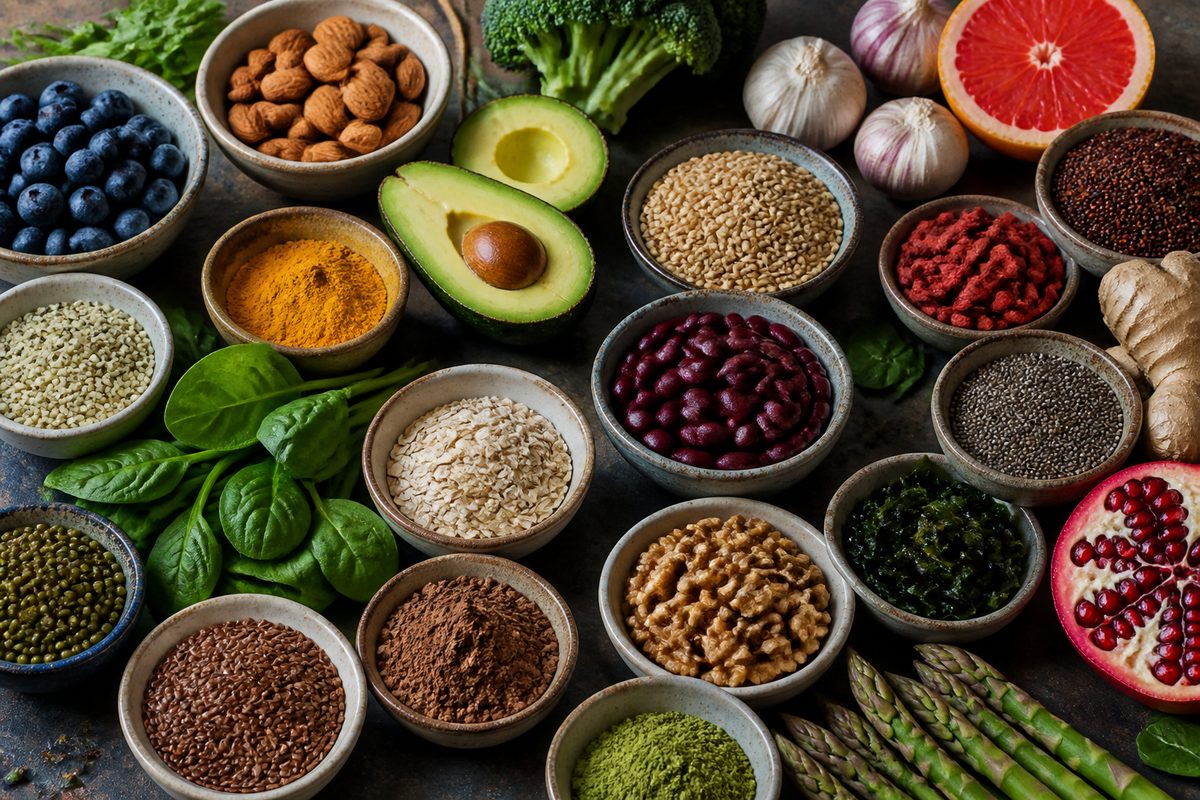
Raw vegetables work well because they fix the main problem with long-lasting snacks. Most snack foods squeeze a high Calorie count into a small serving. top superfoods. You can eat a filling amount without turning a light snack into another full meal.
Why do raw vegetables work better for long grazing periods?
Low-energy-density foods have fewer calories for their weight. Much of that weight comes from water and fibre. Cucumber is mostly water, while carrots and snow peas add more fibre and a firmer bite. filling amount, without a heavy energy load.
Compare a bowl of sliced cucumber with a small packet of chips. The cucumber takes up far more room in your stomach and takes longer to eat. Chips can vanish before your body has time to notice the food.
Chewing matters more than many snack guides admit. A drink can pass through your mouth in seconds, but crisp vegetables slow you down. That brief pause lets your appetite catch up with your hand.
The mix of textures helps too. Celery has a hard crunch. Cucumber is cool and fresh. Capsicum has a light sweetness. So you can change the mix without changing the basic snack.
Does eating vegetables all day mean portions do not matter?
Portions still count, even with light foods. The aim is less strict counting, not endless eating. Start with a container that holds about two large handfuls. If you're hungry and your next meal is still far off, refill it once.
A prepared container gives you a clear limit. That limit disappears when you eat from a large bag or stand at the fridge. It's then easy to lose track of each return and how much dip, cheese or dressing you've added.
Your stomach needs to feel comfortable too. A sudden rise in raw vegetables may cause gas or bloating, mainly when your usual diet is low in fibre. Build up the amount over several days. If raw food is hard to digest, lightly cook some of the vegetables.
Firm carrots or celery may hurt if you have dental pain. Gentler choices include peeled cucumber, roasted zucchini pieces or steamed green beans served cold. Pick something you can chew with ease.
How can you make the snack filling enough?
Vegetables give you volume, but alone they may not keep hunger away for long. When meals are more than two hours apart, add a small amount of protein. Hummus, cottage cheese or a plain yogurt dip can help the snack last.
Spoon the dip into a small bowl. If you dip straight from the tub, the amount is tough to judge. A few spoonfuls may help you feel full, while a large serve can hold more energy than all the vegetables next to it.
Protein slows digestion and helps the snack stick with you. Fat does this too, though it's rich in energy. Tahini, avocado and nut butter can fit, but a thin coating is plenty. They're extras, not the main event.
Check Saturated fat when buying creamy dips. Cream-based products or those packed with cheese may contain far more than hummus or yogurt. Words such as natural or wholesome on the front don't tell the full story, so nutrition panel.
Which vegetables should go in the snack box?
Pick vegetables that stay crisp, travel well and taste good raw. Cucumber sticks and celery make strong base choices because they're full of water. Add capsicum strips or snow peas for extra flavour.
Carrots are handy when you want a harder crunch and sweeter taste. They have more natural Sugar than cucumber, but there's no need to avoid them. That sugar sits inside a whole food with water and fibre. It's different from added sugar in biscuits, snack bars and sweet drinks.
Cherry tomatoes work well in a firm container. Radishes bring a peppery kick. Broccoli florets suit anyone who likes a dense crunch, though a large serve may cause bloating.
Only cut enough for the next day or two, as some vegetables dry out once sliced. Keep them in a sealed container in the fridge. If you're also packing crackers, separate them from watery pieces so the moisture doesn't make them soft.
What turns a light vegetable snack into a heavy one?
The extras cause most of the trouble. Thick dressings, fried toppings and big scoops of dip can push up the Calorie total fast. The vegetables may still stand out, but they're no longer shaping the snack's nutrition.
Bottled sauces can also hide a surprising amount of Sugar. Sweet chilli sauce is a clear example. A small drizzle may be fine, but repeated pours through the day add up. Mustard, lemon juice or herbs can bring bold flavour with less energy.
Watch the salt if you depend on packaged vegetable snacks or salty dips. Fresh vegetables have little sodium by themselves. Heavy seasoning may make thirst feel like hunger and turn absent-minded picking into a habit.
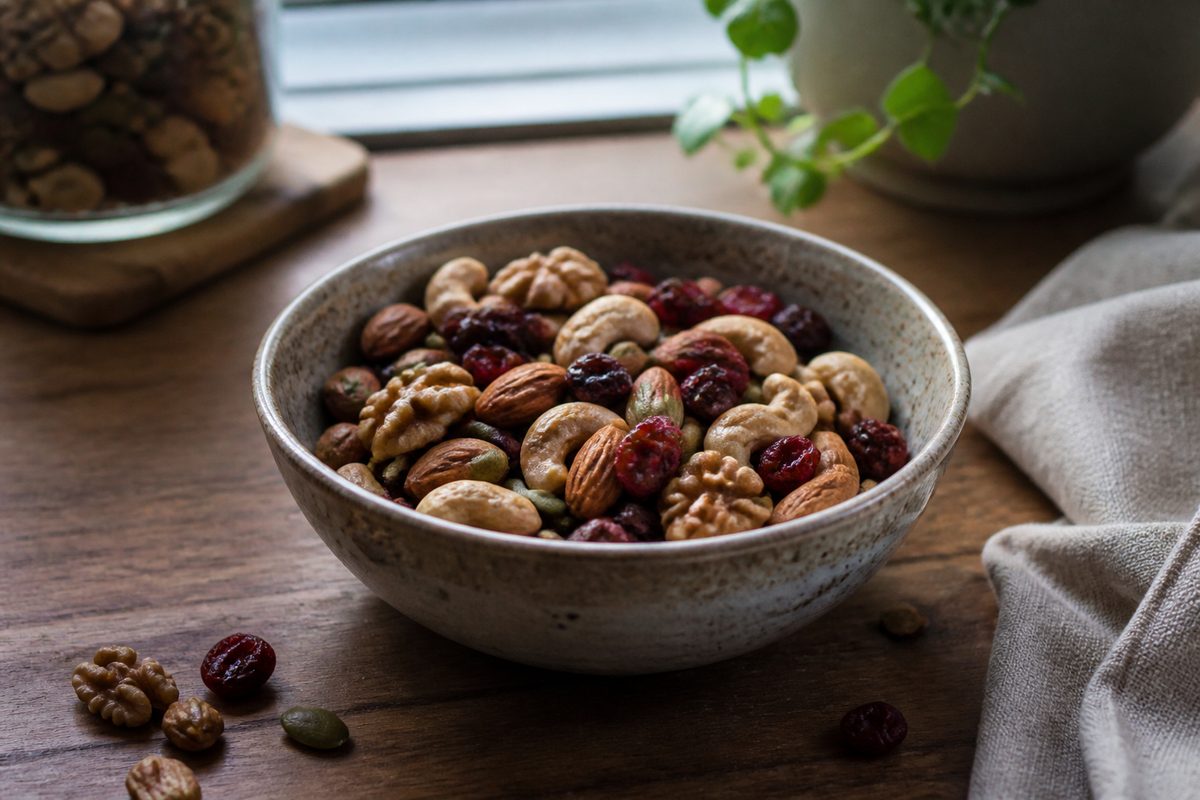
Another easy mistake is adding a large handful of nuts each time. Nuts provide useful nutrients and Fat, but they're compact. A small closed handful is a practical serve. Keep grabbing more, and the snack can quickly outgrow its purpose.
Is constant grazing good for your appetite?
Constant grazing can make your appetite harder to read. Hunger usually rises before food and drops after it. Take a bite every few minutes, and you may never feel either side of that cycle.
Before opening the container, do a quick check. Ask yourself if plain vegetables sound good. If yes, you're likely hungry enough for a snack. If only chocolate or chips appeal, boredom, stress or habit may be driving the urge.
Wait for a clear body signal, such as an empty feeling in your stomach. Then sit down and eat a useful amount. That's more satisfying than taking one piece whenever you walk past the kitchen.
Snacks should support meals, not replace them by accident. If you need food every hour, take another look at your main meals. They may be short on protein, fibre or total food. A bigger lunch could work better than a bigger snack box.
How does this choice affect your teeth?
Your teeth enter a new acid period whenever you eat. Your mouth needs time to clear the food and return toward its normal state. Eating every few minutes keeps starting that process again, even if the food looks healthy.
Raw vegetables are often kinder to teeth than sticky sweets, but timing still counts. Eat your snack in one sitting or during a short window. Drink plain water afterward. And don't coat the vegetables in honey or sweet sauces.
Take care with acidic foods as well. Lemon juice can brighten a dip, yet sipping lemon water or sucking citrus all day leaves teeth exposed to acid for too long. Keep acidic flavours within the snack, then stop eating.
When is a different snack the smarter choice?
Raw vegetables aren't a good fit when you need real fuel. After hard training, your body may need carbohydrate and protein. A vegetable box won't give you enough. Add a proper recovery snack or eat a meal.
The same goes if you've missed lunch. Trying to quiet strong hunger with cucumber often ends in a pantry raid later. When your body asks for a full meal, eat one.
Some people need more energy due to a high activity level, low appetite or health condition. For them, always picking the lowest Calorie choice may work against their needs. If weight, digestion or blood sugar needs personal care, a dietitian can help build a suitable eating pattern.
Children may like a vegetable box, but small hard pieces can be a choking risk. Cut food to suit the child's age and watch younger children as they eat. Whole nuts and hard raw carrot pieces aren't safe for every age.
How can you prepare a snack box that stays appealing?
Wash and dry the vegetables well. Water left on them can make cut pieces go soft. Slice the vegetables into easy-to-grab shapes, then add a dry paper towel to the container if moisture tends to build up.
Put the dip in a separate sealed cup. This keeps the vegetables from getting coated and soggy. It also shows you the serving size before you start.
Change one flavour at a time. Add paprika to yogurt dip one day, then try chopped herbs another day. Too many sauces can cover the fresh taste and make it harder to learn which mix you like.
Keep the box where you'll spot it in the fridge. Move biscuits and other impulse foods out of direct view. Convenience guides food choices. When the vegetables are washed and ready, eating them takes less work than opening and preparing something else.
What does a practical day look like?
In the morning, fill one container with cucumber, capsicum and carrots. Pack a small cup of hummus next to it. Eat your usual breakfast, then leave the box shut until hunger comes back.
If you get hungry late in the morning, eat some of the vegetables with a little dip. Stop once the hunger fades. Have lunch at your normal time, then use what's left in the afternoon if needed.
This setup gives you a generous snack without making the whole day one long eating session. It also tells you whether the snack is working. If the box is empty before lunch each day, you may need a larger breakfast.
Look at your whole eating pattern, not just one ingredient. A healthy vegetable snack can't undo a day filled with sweet drinks or weak meals. It works best as a simple bridge between meals that already give you what you need.
What should you do today?
Cut one container of crunchy raw vegetables, add a measured protein-based dip, and eat from it only when clear hunger appears between meals.
Common questions
What is a snack you can eat a lot of?
Fresh vegetables like carrots, cucumbers, and bell peppers are good snacks you can eat in larger amounts. They are low in calories and contain water and fiber.
What are 20 healthy snacks?
Try apples, bananas, oranges, berries, grapes, carrots, cucumbers, bell peppers, celery, cherry tomatoes, yogurt, cottage cheese, boiled eggs, nuts, seeds, hummus, popcorn, oatmeal, cheese, and whole-grain crackers. Choose plain or lightly salted options when you can.
What food will fill you up all day?
No single food will keep most people full all day. A meal with eggs or beans, whole grains, vegetables, and healthy fat can help you stay full longer.
What can I eat as a daily snack?
Fruit with yogurt or a small handful of nuts makes a healthy daily snack. It gives you fiber, protein, and energy between meals.
What snack is filling but not fattening?
Read article →
What can I eat that will fill me up but is healthy?
Read article →
How to reduce MS symptoms?
Read article →
Can fasting help autoimmune disorders?
Read article →
Does fasting help male fertility?
Read article →