What Is the 3-3-3 Diet Plan for Weight Loss? A Science-Backed Guide

The 3-3-3 diet plan is a structured eating framework built around three core rules: eat 3 meals per day, space those meals 3 to 4 hours apart, and make sure each meal has at least 3 key macronutrient groups, typically a lean protein, a complex carbohydrate, and a non-starchy vegetable. The result is a consistent, repeatable eating pattern designed to support a caloric deficit, stabilise blood sugar levels, and reduce the impulsive snacking that derails most diets.
For most people, this approach creates the structure needed to lose weight steadily without extreme restriction. Paramount Health
How the 3-3-3 Diet Plan Works
The simplicity is intentional, not a weakness. Many people fail at dieting not because they lack willpower, but because complex rules are hard to maintain. The 3-3-3 framework removes the guesswork about what, when, and how much to eat.
The Three Meals
Rather than grazing throughout the day or skipping meals, the 3-3-3 plan anchors your eating to three defined times. This matters because irregular eating patterns are linked to poorer appetite control and higher overall calorie intake.
Eating three structured meals supports satiety signalling, the biological feedback loop that tells your brain you're full. That helps prevent overeating at any single sitting.
The Three-Hour Spacing
Spacing meals three to four hours apart gives your digestive system time to process food and allows insulin levels to return to baseline between meals. Constantly elevated insulin, which can result from endless snacking, makes it harder for your body to burn fat.
The spacing component of the 3-3-3 plan is a mild form of time-restricted eating. It shares some similarities with intermittent fasting protocols that have been shown in randomised controlled trials to support fat loss and improve cardiometabolic markers.
The Three Food Groups Per Meal
Each meal should include:
- A lean protein source: chicken, fish, eggs, legumes, or tofu. Protein is the most satisfying macronutrient per calorie and preserves lean muscle mass during weight loss.
- A complex carbohydrate: brown rice, oats, sweet potato, or wholegrain bread. These provide steady energy and fibre to support digestion and blood sugar stability.
- A non-starchy vegetable: broccoli, spinach, zucchini, capsicum, or leafy greens. Vegetables are nutrient-dense and low in calories, adding volume to meals without significantly increasing energy intake.
Together, these three components create a meal that's balanced, moderate in calories, and satisfying enough to carry you comfortably to your next eating window.
Does the 3-3-3 Diet Actually Work for Weight Loss?
Yes, for most people who follow it consistently, and the reason is well understood. The 3-3-3 plan works primarily by creating a sustainable caloric deficit. When your meals are structured, nutritionally complete, and spaced appropriately, you're less likely to reach for high-calorie snacks, overeat at meals, or make impulsive food choices driven by hunger.
Evidence backs this up. A 2021 randomised controlled trial found that energy restriction, the kind naturally produced by structured meal plans, was a primary driver of weight and fat loss independent of fasting alone.
A 2025 systematic review and network meta-analysis of randomised clinical trials confirmed that meal timing strategies, including those that reduce eating frequency and create defined eating windows, produced meaningful reductions in body weight and cardiometabolic risk factors.
A 2025 meta-analysis comparing intermittent fasting to continuous caloric restriction found that neither was dramatically superior when total calories were matched. That means adherence is the deciding factor. The 3-3-3 plan wins on adherence because it's simple to remember and easy to execute across a busy lifestyle.
Research has also shown that combining structured eating with adequate protein intake, a cornerstone of the 3-3-3 approach, produces superior fat loss compared to caloric restriction alone. Protein preserves muscle while the body burns fat, which protects your metabolic rate over time.
What to Eat on the 3-3-3 Diet Plan
The 3-3-3 plan doesn't prescribe specific foods, which makes it flexible and sustainable. But the best results come from choosing whole, minimally processed options that align with the three-group rule at every meal.
Sample Day of Eating
Meal 1, Breakfast: Scrambled eggs (protein) on wholegrain toast (complex carbohydrate) with sautéed spinach and tomatoes (vegetable).
Meal 2, Lunch: Grilled chicken breast (protein) with brown rice (complex carbohydrate) and steamed broccoli and capsicum (vegetable).
Meal 3, Dinner: Baked salmon (protein) with roasted sweet potato (complex carbohydrate) and a mixed green salad (vegetable).
Each meal is nutritionally complete, moderate in calories, and built to keep you full for the three-to-four-hour window before your next meal. Serving size matters. A useful guide is to use your hand: a palm-sized serving of protein, a cupped-hand portion of carbohydrate, and as many vegetables as you like.
Who Is the 3-3-3 Diet Plan Best Suited For?
The 3-3-3 diet works best for people who:
- Struggle with consistency on more rigid or complex diet plans
- Are new to structured dieting and want a simple framework
- Have irregular eating habits, including frequent meal skipping or heavy snacking
- Want to improve their relationship with food without counting every calorie
- Are managing blood sugar levels and want a more stable eating pattern
It's less prescriptive than ketogenic or very low-calorie diets, making it a practical tool for long-term behaviour change rather than a short-term fix. But people with specific medical conditions, including diabetes, eating disorders, or kidney disease, should consult a qualified health professional before starting any structured diet plan.
The Role of Nutrition Quality, Not Just Structure
While the 3-3-3 framework provides structure, what you eat within that structure still matters enormously. Dieting isn't purely a numbers game.
The nutrient density of your meals influences how you feel, how well you recover from exercise, and how sustainable your weight loss is over time. Choosing vegetables rich in micronutrients, proteins with a complete amino acid profile, and carbohydrates that provide dietary fibre rather than simple sugars all contribute to better health outcomes beyond just the number on the scale.
Think of the 3-3-3 plan as a framework for healthy eating behaviours. The quality of your food choices determines how much benefit you get from that framework.
Beverages matter too. Water, herbal teas, and black coffee are compatible with the plan. Sugar-sweetened drinks, alcohol, and high-calorie smoothies can quietly undermine your caloric deficit even when your meals are perfectly structured.
Potential Limitations of the 3-3-3 Diet Plan
No single dietary approach works for everyone. Some considerations to be aware of include:
- It may not create a large enough deficit for everyone. If your three meals are calorie-dense, you may not lose weight even while following the structure. Portion awareness remains important.
- It doesn't address emotional eating. If food is used as a coping mechanism, structural rules alone won't resolve the underlying eating behaviours.
- Social and work schedules may complicate meal timing. Three-to-four-hour spacing isn't always practical, and rigidity around timing can create unnecessary stress.
- It may fall short on micronutrients if vegetable variety is limited. Rotating through different coloured vegetables across meals helps ensure broader nutrient intake.
These limitations are manageable but worth knowing so you can adapt the plan intelligently rather than abandoning it when real life gets in the way.
How the 3-3-3 Diet Compares to Other Popular Approaches
Understanding where the 3-3-3 plan sits relative to other strategies can help you decide if it's the right fit.
Compared to intermittent fasting, the 3-3-3 plan is less aggressive with eating windows and easier to maintain for people who struggle with hunger during extended fasting. Evidence suggests both approaches can work equally well when adherence is high.
Compared to calorie counting, the 3-3-3 plan is less precise but more sustainable for most people. It relies on food quality and meal composition rather than arithmetic, which reduces the mental effort of dieting.
Compared to low-carb or ketogenic diets, the 3-3-3 plan includes carbohydrates deliberately, making it more compatible with active lifestyles and easier to maintain socially.
Practical Tips for Getting Started
- Plan your three meals the night before. Decision fatigue is real. Knowing what you're eating tomorrow removes the friction that leads to poor choices.
- Prep your proteins in bulk. Cooking chicken, boiling eggs, or preparing legumes in advance makes it easy to build compliant meals quickly.
- Keep vegetables accessible. Pre-washed, pre-cut vegetables in the fridge lower the barrier to including them in every meal.
- Set meal time reminders until the spacing becomes habitual. Three to four hours passes quickly when you're busy.
- Track progress, not perfection. Missing a meal structure occasionally doesn't undo your progress. Consistency over weeks matters more than perfection on any single day.
When to Seek Professional Support
The 3-3-3 diet plan is a sensible, evidence-informed framework for most healthy adults. But if you have a history of disordered eating, a chronic health condition, or have been struggling to lose weight despite consistent effort, working with a registered dietitian or qualified health professional will give you a personalised plan.
That plan accounts for your individual situation, including your medical history, activity levels, hormonal factors, and lifestyle. Weight loss isn't purely a matter of eating less. It involves sleep quality, stress management, physical activity, gut health, and the interplay of dozens of biological variables.
A structured plan like the 3-3-3 diet is an excellent starting point, but professional guidance ensures you're moving in the right direction for your body specifically.
Final Thoughts
The 3-3-3 diet plan works because it addresses the most common reason diets fail: inconsistency. By anchoring your eating to three structured meals, three to four hours apart, each built around three food groups, you create a pattern that naturally supports a caloric deficit, stabilises blood sugar, promotes satiety, and delivers the nutrients your body needs.
The research is clear that structured eating combined with adequate protein and energy balance produces meaningful, sustained weight loss. The 3-3-3 plan packages those principles into a format that's simple enough to actually follow.
And that simplicity is its greatest strength.
If you're ready to move beyond guesswork and build a nutrition strategy tailored to your goals, the team at Paramount Health can help you take the next step with expert, personalised support.Sources

What snack is filling but not fattening?
Read article →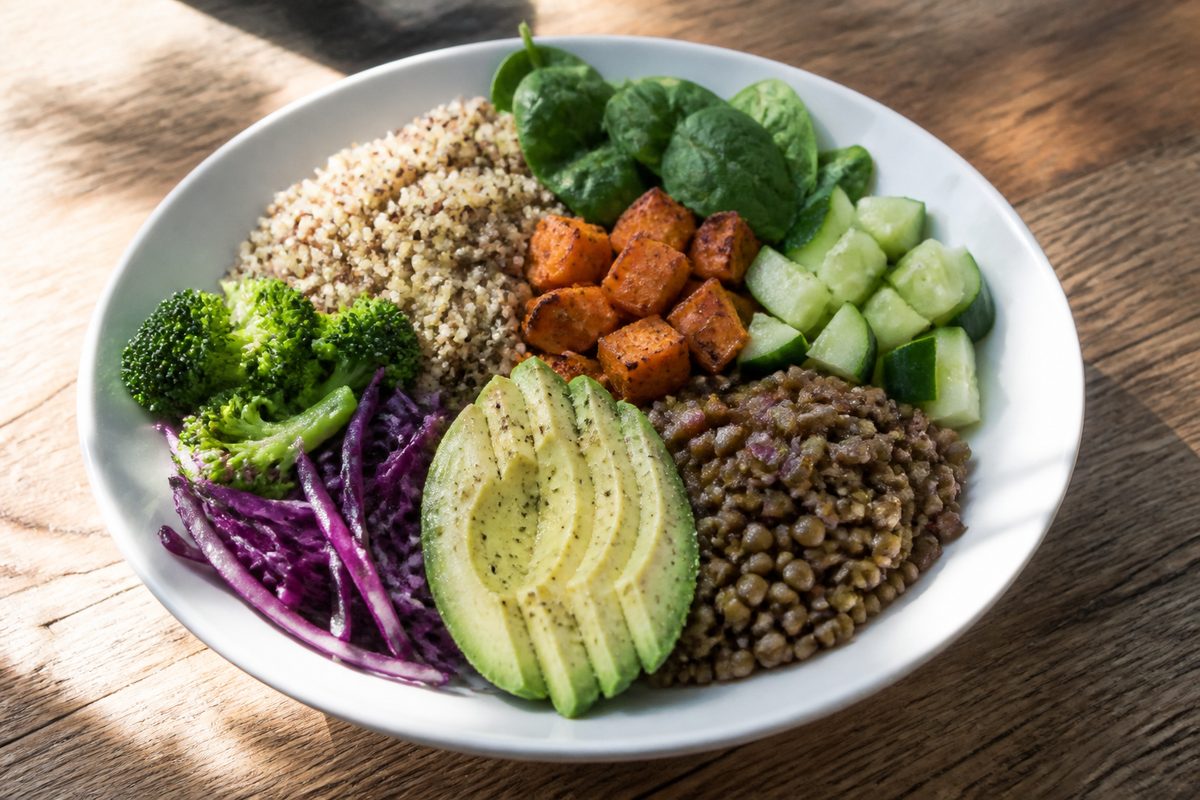
What can I eat that will fill me up but is healthy?
Read article →
How to reduce MS symptoms?
Read article →
Can fasting help autoimmune disorders?
Read article →
Does fasting help male fertility?
Read article →