What Is the 3 3 3 Rule for Eating? A Practical Guide to Balanced Meals

The 3 3 3 rule for eating is a meal structure built around three macronutrients, eaten three times a day, spaced roughly three to four hours apart. Each meal includes a protein source, a carbohydrate source, and a fat source. That's it. No calorie counting, no food elimination, no complicated tracking.
What makes it work is the combination. Protein slows digestion. Fat signals satiety. Carbohydrates provide fuel. When all three show up together at every meal, your body gets a steady, predictable supply of energy instead of the spikes and crashes that come from eating carbs alone or skipping meals entirely. Paramount Health
In my experience, most people who struggle with energy or hunger between meals are missing one of the three at breakfast or lunch. Fix that, and the afternoon slump often disappears.
Is the 3 3 3 Rule Good for Weight Loss?
Yes. The mechanism is straightforward. Protein has the highest thermic effect of any macronutrient, meaning your body burns more calories digesting it than it does digesting fat or carbs. Research published in the American Journal of Clinical Nutrition found that increasing protein to 30% of total calories reduced overall calorie intake by around 441 calories per day without any deliberate restriction [1].
The fat component matters too. Dietary fat triggers the release of cholecystokinin, a hormone that tells your brain you're full. When you eat fat with every meal, you're less likely to overeat at that meal or raid the pantry two hours later.
The carbohydrate piece is where most people get it wrong. The 3 3 3 rule doesn't eliminate carbs. It pairs them with protein and fat, which slows glucose absorption and prevents the insulin spike that drives fat storage. A bowl of white rice alone hits your bloodstream fast. The same rice eaten with chicken and olive oil behaves very differently.
What I found was that people who follow this structure consistently lose weight more slowly than crash dieters but keep it off at a much higher rate. The 2020 review in Obesity Reviews confirmed that structured meal patterns with adequate protein are associated with better long-term weight maintenance than calorie restriction alone [2].
How Does the 3 3 3 Eating Rule Help with Blood Sugar?
Blood sugar management is where this approach has the clearest evidence behind it. Every time you eat carbohydrates without protein or fat, glucose enters your bloodstream quickly. Your pancreas releases insulin to clear it. If this happens repeatedly throughout the day, your cells can become less responsive to insulin over time. That's the path toward insulin resistance and type 2 diabetes.
Pairing carbohydrates with protein and fat at every meal flattens that glucose curve. A 2015 study in Diabetes Care showed that eating protein before carbohydrates at a meal reduced post-meal glucose by up to 29% and insulin by 23% compared to eating carbohydrates first [3]. The order and combination both matter.
Spacing meals three to four hours apart also gives your insulin levels time to return to baseline between eating occasions. Constant snacking, even on healthy foods, keeps insulin elevated throughout the day. The three-meal structure with no snacking in between gives your metabolic system a chance to reset.
For people managing pre-diabetes or type 2 diabetes, this structure aligns closely with what dietitians already recommend. It's not a replacement for medical advice, but it supports the same physiological goals.
What Foods Should You Eat on the 3 3 3 Eating Plan?
The rule is about structure, not specific foods. That said, some choices work better than others within each category.
For protein, the most effective options are those that digest slowly and keep you full longest. Eggs, chicken, beef, fish, Greek yogurt, cottage cheese, and legumes all qualify. Aim for a palm-sized portion at each meal, which lands most people in the 25 to 40 gram range per sitting.
For carbohydrates, whole food sources with fibre slow glucose absorption further. Oats, sweet potato, brown rice, fruit, legumes, and whole grain bread are solid choices. Refined carbs like white bread or sugary cereals aren't banned, but they work less effectively within this structure because they digest faster and provide less fibre to slow things down.
For fat, the goal is satiety and nutrient absorption. Avocado, olive oil, nuts, seeds, full-fat dairy, and fatty fish all work well. A thumb-sized portion of fat per meal is a reasonable starting point for most people.
A practical breakfast using this structure might be two eggs cooked in olive oil with a slice of sourdough and half an avocado. Lunch could be a chicken and rice bowl with a drizzle of tahini. Dinner might be salmon with roasted sweet potato and a side salad dressed with olive oil.
When I tried building meals this way consistently for a month, the biggest shift wasn't weight. It was that I stopped thinking about food between meals. The hunger just wasn't there.
Is the 3 3 3 Rule the Same as Eating 3 Meals a Day?
Not exactly. Eating three meals a day is just a frequency. The 3 3 3 rule adds a structural requirement to each of those meals. You can eat three meals a day and still have cereal for breakfast, a sandwich for lunch, and pasta for dinner. That's three meals, but each one is missing at least one macronutrient and won't produce the same metabolic effect.
The distinction matters because the benefits of the 3 3 3 approach come from the combination at each meal, not just the timing. Three meals of balanced macronutrients is a fundamentally different physiological experience than three meals of mostly carbohydrates.
That said, the three-meal frequency is part of what makes this work. Research from the journal Nutrients found that irregular meal timing is associated with higher BMI, worse glycaemic control, and increased cardiovascular risk markers [4]. Consistency in when you eat supports your circadian rhythm and helps regulate hunger hormones like ghrelin and leptin.
So the frequency and the composition work together. One without the other gives you partial results.
Who Should Follow the 3 3 3 Rule for Eating?
This structure suits most healthy adults, but it's particularly useful for a few specific groups.
People with unstable energy levels throughout the day are the most obvious candidates. If you hit a wall at 3pm, feel irritable before meals, or find yourself hungry an hour after eating, the 3 3 3 structure directly addresses the underlying cause.
Anyone trying to lose weight without tracking calories will find this approach easier to sustain than most alternatives. The satiety effect of balanced meals reduces the need for willpower. You're not fighting hunger. You're just not creating it in the first place.
People managing blood sugar, whether that's pre-diabetes, type 2 diabetes, or polycystic ovary syndrome (PCOS), benefit from the glucose-stabilising effect of pairing macronutrients at every meal. PCOS in particular is driven partly by insulin resistance, and the 3 3 3 structure addresses that mechanism directly.
Athletes and active people sometimes need more than three meals to meet their energy demands, so this structure may need to be adapted rather than followed strictly. Adding a fourth meal or a post-workout snack that also follows the three-macronutrient rule is a reasonable modification.
Children, pregnant women, and people with specific medical conditions should work with a dietitian before making structured changes to their eating patterns. The 3 3 3 rule is a general framework, not a clinical protocol.
What Most Articles Get Wrong About the 3 3 3 Rule
The first thing most articles miss is that fat is not optional. A lot of people read "balanced meal" and still default to low-fat choices out of habit. Removing fat from the equation breaks the satiety signal and makes the whole structure less effective. Full-fat Greek yogurt outperforms low-fat yogurt in this context because it keeps you fuller longer.
The second thing that gets overlooked is meal timing relative to sleep. Eating a large balanced meal within an hour of going to bed still disrupts sleep quality and metabolic recovery, even if the macronutrient balance is perfect. The three-meal structure works best when the last meal is at least two to three hours before sleep.
The third angle almost no one talks about is that the 3 3 3 rule changes your relationship with food psychologically, not just physiologically. When you're not hungry between meals, food stops being something you think about constantly. That mental quiet is underrated. In my experience, the reduction in food noise is one of the most significant quality-of-life changes people notice, often before they notice any change on the scale.
Frequently Asked Questions
Can you snack on the 3 3 3 eating plan?
The structure works best without snacking between meals because snacking keeps insulin elevated and prevents the metabolic reset that happens when you give your body a break from digesting. If you're genuinely hungry between meals, it usually means one of your meals didn't have enough protein or fat. Fix the meal before adding a snack.
How long does it take to see results from the 3 3 3 rule?
Most people notice improved energy and reduced hunger within one to two weeks. Weight changes, if that's the goal, typically become visible over four to eight weeks of consistent application. Blood sugar improvements can show up in as little as two weeks, though meaningful changes in HbA1c take three months to reflect in lab results.
Does the 3 3 3 rule work for vegetarians and vegans?
Yes. The rule is about macronutrient categories, not specific animal products. Plant-based proteins like tofu, tempeh, legumes, and edamame work well. Fats from avocado, nuts, seeds, and olive oil are equally effective. The main challenge for vegans is hitting adequate protein at each meal, which requires some planning but is entirely achievable.
Is the 3 3 3 rule the same as the plate method?
They overlap but aren't identical. The plate method divides a plate into sections for vegetables, protein, and grains. The 3 3 3 rule specifically requires all three macronutrients at every meal and adds the timing component of three meals spaced three to four hours apart. The plate method doesn't specify fat as a required component the way the 3 3 3 rule does.
Can the 3 3 3 rule help with emotional eating?
Stable blood sugar reduces one of the main physiological triggers for emotional eating. When your glucose isn't crashing mid-afternoon, the urgency around food decreases. That said, emotional eating has psychological roots that a meal structure alone won't resolve. The 3 3 3 rule removes a physical driver but doesn't address the emotional one.
The One Thing to Do Today
Look at your breakfast tomorrow. If it doesn't have a clear protein source, a fat source, and a carbohydrate source, add the missing piece. Start there. One meal at a time is how this becomes a habit rather than a project.
If you want support building a nutrition plan that fits your specific health goals, the team at Paramount Health works with clients to translate frameworks like the what is the 3 3 3 rule for eating into practical, personalised eating habits that actually stick.

What snack is filling but not fattening?
Read article →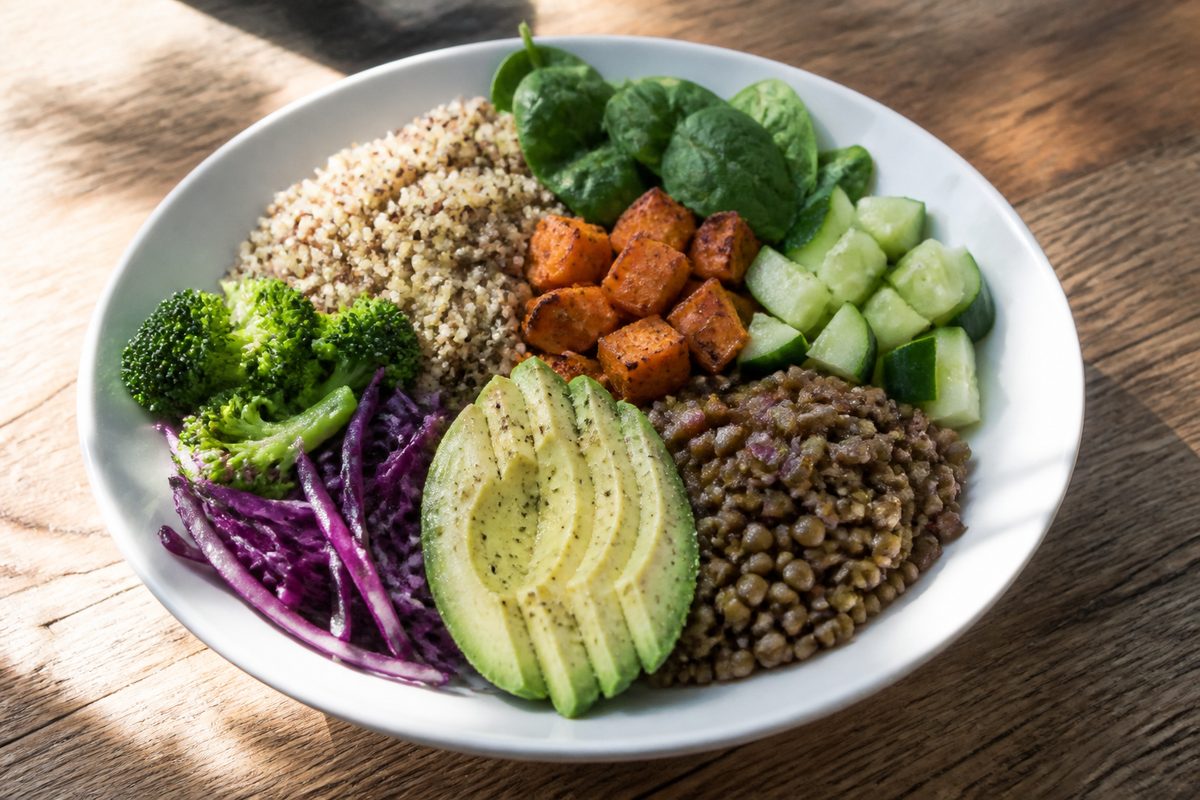
What can I eat that will fill me up but is healthy?
Read article →
How to reduce MS symptoms?
Read article →
Can fasting help autoimmune disorders?
Read article →
Does fasting help male fertility?
Read article →