What is the world's healthiest snack?
Plain Greek yogurt with berries is the strongest all-around choice for the world's healthiest snack. In one simple bowl, you get protein, fibre, calcium, helpful gut bacteria, and a broad mix of plant compounds. There's no need for added sugar, deep frying, or heavy processing.
No single Food suits everyone. A dairy allergy, vegan diet, or health condition may rule out yogurt. Still, Greek yogurt with berries takes the top spot for most people because it covers more areas of Nutrition than most everyday snacks.
It helps with steady energy, muscle repair, bone health, and Healthy digestion. And it's easy to buy and prepare.
The main idea is simple. healthiest snacks. It should do more than fill a gap or calm a craving for a few minutes.
Why does Greek yogurt with berries stand above other choices?
Most snacks shine in one area but fall short in another. Fruit gives you fibre and useful plant compounds, yet it may not have enough protein to keep hunger away for long. Nuts offer healthy fats and minerals, but even a small serving can hold a lot of energy.
A protein bar may look complete on the label. But many are made with sweeteners, refined oils, and long lists of ingredients.
Greek yogurt with berries joins two useful foods in one bowl. The yogurt provides most of the protein, while the berries bring fibre and plant compounds called polyphenols. Put together, they offer a wider spread of nutrients than either food alone.
A typical bowl with 170 to 200 grams of plain Greek yogurt and half a cup of berries can give you about 15 to 20 grams of protein. The exact amount depends on the brand and style of yogurt. Berries often add two to four grams of fibre, plus vitamin C and natural colour compounds.
This pairing works without honey, syrup, or sweet granola. For many people, the fruit adds enough sweetness. Cinnamon or vanilla can lift the flavour without turning the bowl into dessert.
What does a truly healthy snack need to do?
A snack earns its place when it improves the whole day's food intake. Four tests matter most.
- It adds useful nutrients. Protein, fibre, vitamins, minerals, or helpful plant compounds should make up most of the snack.
- It limits added sugar and refined starch. These ingredients make snacks easy to overeat while adding little Nutrition.
- It fits normal life. Food that costs too much, spoils right away, or takes an hour to make won't become a steady habit for most people.
- It has a clear serving. The amount should be easy to see, so casual snacking doesn't turn into a second meal.
Greek yogurt with berries passes all four tests. It's common in supermarkets, ready in a minute, and simple to portion into a bowl. Its protein and fibre also slow down eating compared with juice, crackers, or sweets.
Many rankings miss those last two tests. They judge a snack only by its nutrient sheet. Real health also rests on whether people can eat the food often, enjoy it, and stop after a useful amount.
How does this snack support steady energy?
Protein takes longer to digest than sugary snack foods. Fibre also slows food as it moves through the gut. This won't keep blood sugar perfectly flat, but it can soften the sharp rise and fall tied to sweets, sweet drinks, and many refined baked snacks.
Berries hold natural sugar inside whole fruit cells. Their water and fibre affect how fast you eat and digest that sugar. Berry juice is different because much of the fibre is gone, and several servings can vanish in a few sips.
Picture a normal workday. Someone eats two sweet biscuits at 3 pm because lunch was light. The biscuits bring quick energy, but hunger comes back before dinner.
Swap them for plain Greek yogurt and berries, and you add protein plus a snack that takes longer to eat. The practical result is often less hunting for another snack at 4 pm.
That's one reason calories alone can't tell you which option is healthiest. A snack with slightly more calories may work better across the day if it adds protein, lifts food quality, and stops repeated grazing.
What does it offer beyond protein and fibre?
Greek yogurt is a handy source of calcium, phosphorus, and vitamin B12. Calcium and phosphorus help keep bones and teeth strong. Vitamin B12 supports normal red blood cells and nerve function.
Some brands also contain iodine. The amount can vary.
Berries add vitamin C and several kinds of polyphenols. Blueberries contain anthocyanins, which create their deep blue colour. Strawberries offer vitamin C and other plant compounds.
Raspberries and blackberries usually provide more fibre because of their seeds.
These nutrients work as one part of a full Healthy diet. They don't turn a single bowl into medicine. The real value comes from replacing a weaker snack and making good food easier to eat often.
Frozen berries count. Freezing keeps much of their Nutrition, makes berries easy to find through every season, and often lowers the cost. Let them thaw in the fridge or stir them into yogurt before you leave home.
As they soften, their juice flavours the yogurt without added sugar.
Can yogurt and berries help the gut?
They can support Healthy digestion in two ways. Yogurt may hold live bacterial cultures. Berries supply fibre and polyphenols that gut microbes can use or change.
Look at the yogurt label for words such as live cultures or active cultures. Heat-treated products may not hold the same living bacteria after processing. The exact strains differ between brands too, so be careful with broad probiotic claims.
Berries matter because gut health isn't built on bacteria alone. The microbes already living in the bowel need the right food. Fibre reaches the large bowel and helps with normal stool movement.
Polyphenols also interact with gut microbes.
Many articles make the mistake of calling every yogurt a gut-health food. A sweetened yogurt dessert may have live cultures, but it can also contain several teaspoons of added sugar. Read the ingredient list and Nutrition panel.
Pick a plain product. Then add whole fruit yourself.
Which type of yogurt should you buy?
Choose plain Greek yogurt with a short ingredient list. Milk and live cultures may be the only items shown. Some products add milk solids or cream to change the texture, and these can still be healthy choices.
Protein is the main number to compare. For a high-protein Greek yogurt, look for roughly eight grams or more per 100 grams. Products marked Greek-style vary a lot.
Some become thick through cream or other ingredients, rather than the straining process that raises protein.
The fat level comes down to personal choice. Reduced-fat yogurt can offer more protein for the amount of energy it contains. Full-fat yogurt tastes richer and may work well for people who need more energy.
The better pick is the plain version you enjoy without tipping in a pile of sugar.
Don't treat the front label as proof. Words like natural, fit, or protein don't tell you how much sugar is inside. Turn the tub around and compare the protein, added ingredients, and serving you plan to eat.
Which berries work best?
Use berries you can afford and will actually eat. No single colour wins every test. Blueberries store and mix easily.
Raspberries and blackberries give you more fibre per mouthful, while strawberries offer a bigger serving for relatively little energy.
A mix may broaden the range of plant compounds, but you don't need one. One low-cost frozen berry beats an expensive blend left untouched in the freezer.
Whole berries work better than dried berries here. Drying removes water, packing the sugar and energy into a smaller amount. Dried fruit can still belong in a Healthy diet, but it's much easier to eat more than planned.
Berry jam is a weaker choice again because it often has added sugar and little intact fruit structure.
When is another snack the better choice?
People with a milk allergy should stay away from dairy yogurt. Fortified, unsweetened soy yogurt is the closest common swap because soy can provide useful protein. Check the label for added calcium and vitamin B12.
Coconut yogurt often has much less protein, so add seeds or pick another protein source.
People with lactose intolerance may still handle Greek yogurt because straining removes some lactose, while bacterial cultures help break it down. If symptoms continue, lactose-free Greek yogurt is a more reliable choice.
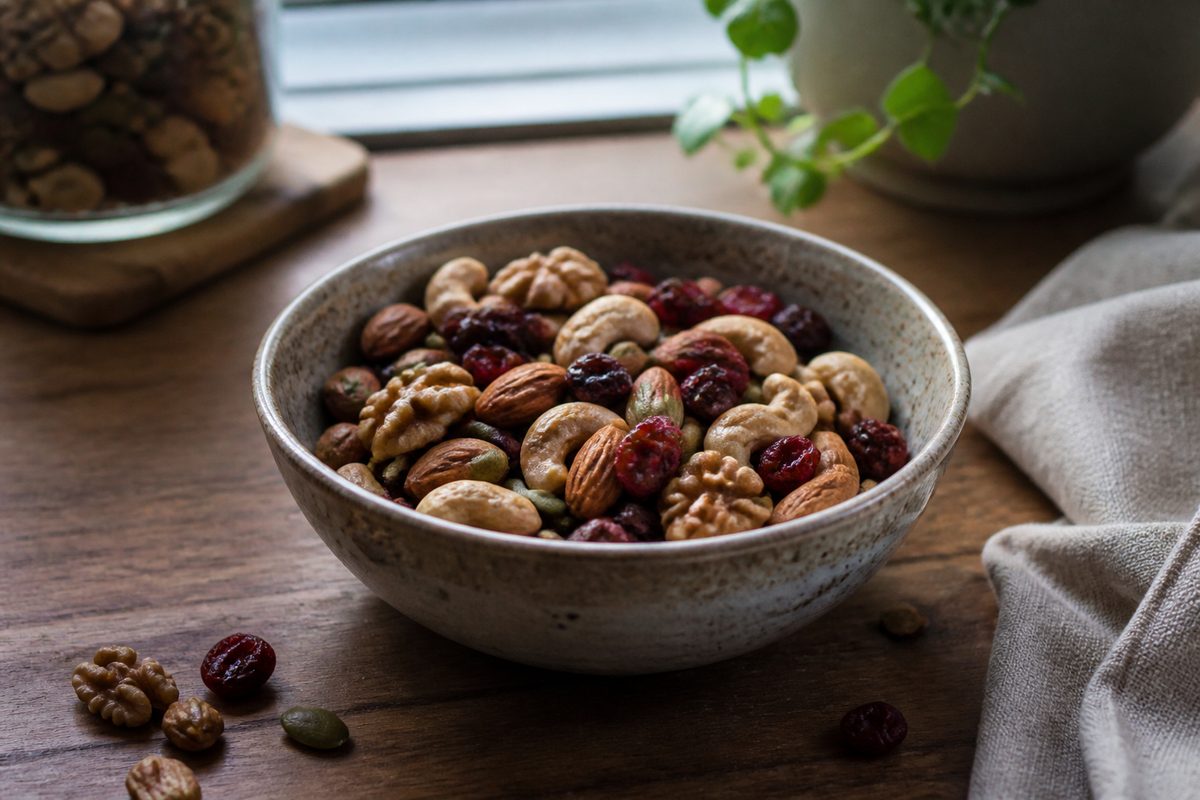
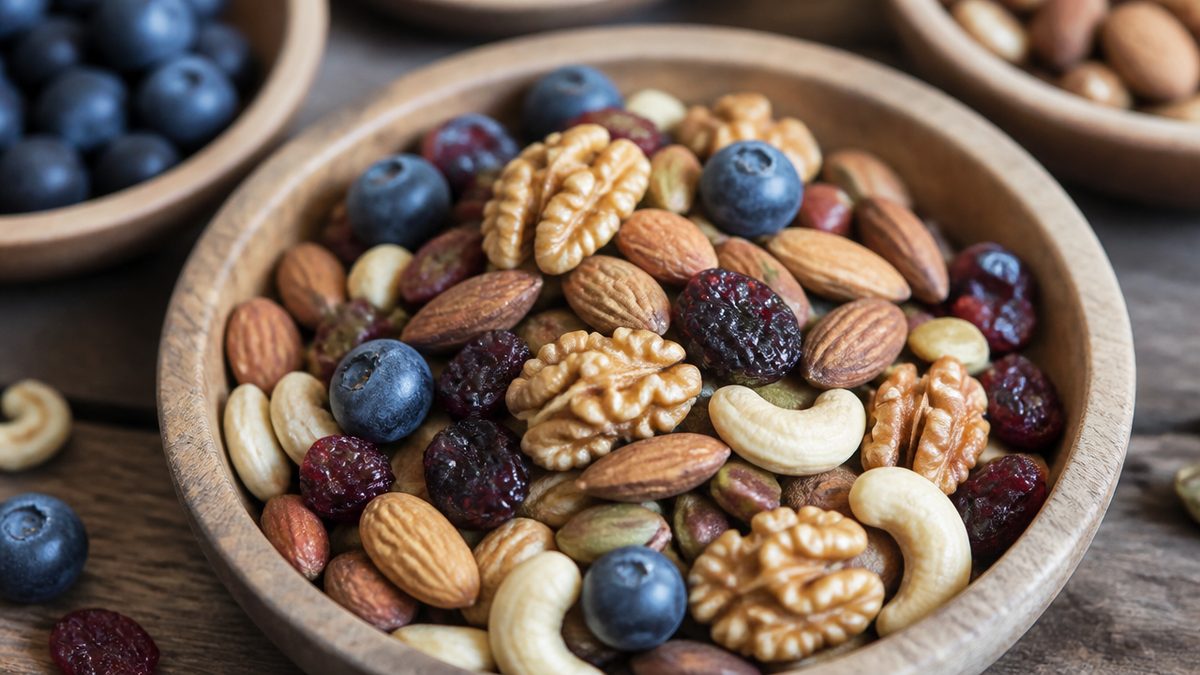
Someone who needs a shelf-stable snack could choose nuts with a piece of fruit. It travels better and still provides fibre, healthy fats, minerals, and some protein. A person recovering from hard exercise may need a larger serving or another source of carbohydrate.
Medical needs come before rankings. Kidney disease, swallowing problems, food allergies, and some digestive conditions can change which choice is right. In these cases, follow advice from a qualified health professional who knows the person's full diet and treatment plan.
How can marketing turn a good bowl into a poor snack?
The biggest trap is the health halo. A yogurt bowl can look wholesome while hiding sweetened yogurt, sugary granola, syrup, chocolate pieces, and a large spoonful of nut butter. Each item may sound healthy by itself.
Together, they can turn a snack into a high-energy dessert.
Portion size can cause the same issue. A deep café bowl may hold twice the yogurt needed for a snack. Large servings aren't harmful by default, but they should fit your hunger, body size, and the wait until your next meal.
Start with 170 to 200 grams of yogurt and half a cup of berries. Eat from a bowl, not the large storage tub. If that amount doesn't meet your needs, adjust it with a clear reason.
Add oats after hard training, or mix in a small amount of seeds when your next meal is several hours away.
Dental health is another missed point. Eating a snack once isn't the same as taking small bites all afternoon. Frequent eating keeps your mouth exposed to food acids and carbohydrates.
Finish the bowl in one sitting, then go back to water between meals.
Does timing change its value?
The same food can do different jobs depending on the time. Between breakfast and lunch, a smaller bowl may stop an unplanned pastry buy. After exercise, its protein can help muscle repair.
In the evening, plain yogurt with berries can take the place of ice cream or sweets.
The reason you're eating matters more than the clock. Physical hunger tends to grow slowly and makes several foods sound good. A craving often hits fast and wants one exact taste.
If only chips or chocolate sound right, a yogurt bowl may not settle the urge.
Pause before you make it. Ask whether you feel hunger in your body or want a break from boredom, stress, or a hard task. If you're hungry, eat without guilt.
If you need a break, take the break itself.
How should you make it in under two minutes?
- Spoon 170 to 200 grams of plain Greek yogurt into a bowl.
- Add half a cup of fresh or thawed frozen berries.
- Use cinnamon, vanilla, or grated lemon zest if you want more flavour.
- Eat it seated and without scrolling so you notice when the snack is finished.
Keep the base simple for one week before adding extras. This gives your taste time to get used to less sweetness. If plain yogurt seems sharp at first, crush a few berries into it and leave the bowl for five minutes.
The berry juice will spread through the yogurt and soften its tart taste.
Buy a large tub if it's cheaper, then portion your serving instead of eating straight from the container. Keep frozen berries ready for days when fresh fruit costs too much or has spoiled. A setup you can repeat matters more than tracking down a rare superfood.
What should you do today?
Buy plain high-protein Greek yogurt and one pack of berries, then swap your usual sweet or refined snack for one simple bowl this week.
Common questions
What is the number one healthiest snack?
A piece of fresh fruit with a small handful of nuts is one of the healthiest snacks. It gives you fiber, healthy fats, vitamins, and steady energy.
What is the #1 snack in the world?
There is no official number one snack in the world because tastes differ by country. Fruit is a top choice because it is tasty, easy to carry, and widely available.
What is the unhealthiest snack ever?
Deep-fried snacks covered in sugar and salt are among the unhealthiest choices. They can contain lots of calories and unhealthy fat with little nutrition.
What is a snack you can eat all day?
Fresh vegetables such as cucumber, carrots, and bell peppers are good for frequent snacking. Still, eat a mix of foods and stop when you feel full.

What snack is filling but not fattening?
Read article →
What can I eat that will fill me up but is healthy?
Read article →
How to reduce MS symptoms?
Read article →
Can fasting help autoimmune disorders?
Read article →
Does fasting help male fertility?
Read article →