What snack is filling but not fattening?
Plain Greek yoghurt with berries is a filling snack that gives you plenty of food for relatively few calories. Yoghurt brings the Protein. Berries add Dietary fiber and Water. Together, they slow digestion, fill space in your stomach, and can keep hunger in check until your next meal.
A handy serving is about 170 to 200 grams of plain Greek yoghurt with half a cup of berries. Depending on the brand and type, that often comes to about 140 to 200 calories. Pick an unsweetened yoghurt and read the label, since sweetened versions may contain much more sugar and energy.
No single snack causes fat gain on its own. Body weight rises when your average energy intake stays above what your body uses. A snack is easier to overeat when it crams many calories into a small amount of Food, goes down fast, and does little for Satiety.
Why does Greek yoghurt with berries control hunger so well?
Protein is the main reason what can fill you up while staying healthy. It takes time to digest and helps send fullness signals from your gut to your brain. Greek yoghurt often has far more Protein than standard yoghurt, though the exact amount varies by brand.
Berries help in another way. Their Dietary fiber adds bulk and slows food as it moves through the digestive system. Their Water also makes the snack bigger without adding much energy.
That matters because your stomach reacts partly to volume. A bowl of yoghurt and berries looks and feels like a proper snack. A biscuit with the same Calorie count may vanish in a few bites. Rich taste, little physical fullness.
Texture helps too. Thick yoghurt needs a spoon, and whole berries need chewing. That gives your body more time to notice the snack. A drink made with similar ingredients can pass quickly and may feel less filling because there's hardly any chewing.
Does a low-fat label make a snack less fattening?
No. A low-fat label tells you about one nutrient. It doesn't tell you if the serving is filling or low in calories.
Some low-fat snacks contain extra sugar or refined starch. They can still have a high energy density, meaning a small serving contains many calories. They may also lack enough Protein or Dietary fiber to keep hunger away.
Fat has more energy than Protein and carbohydrate. It provides nine calories per gram, while Protein and carbohydrate each provide four. That doesn't make all fat bad.
A little fat can boost taste and slow digestion. The catch? Foods rich in added fat are easy to overserve.
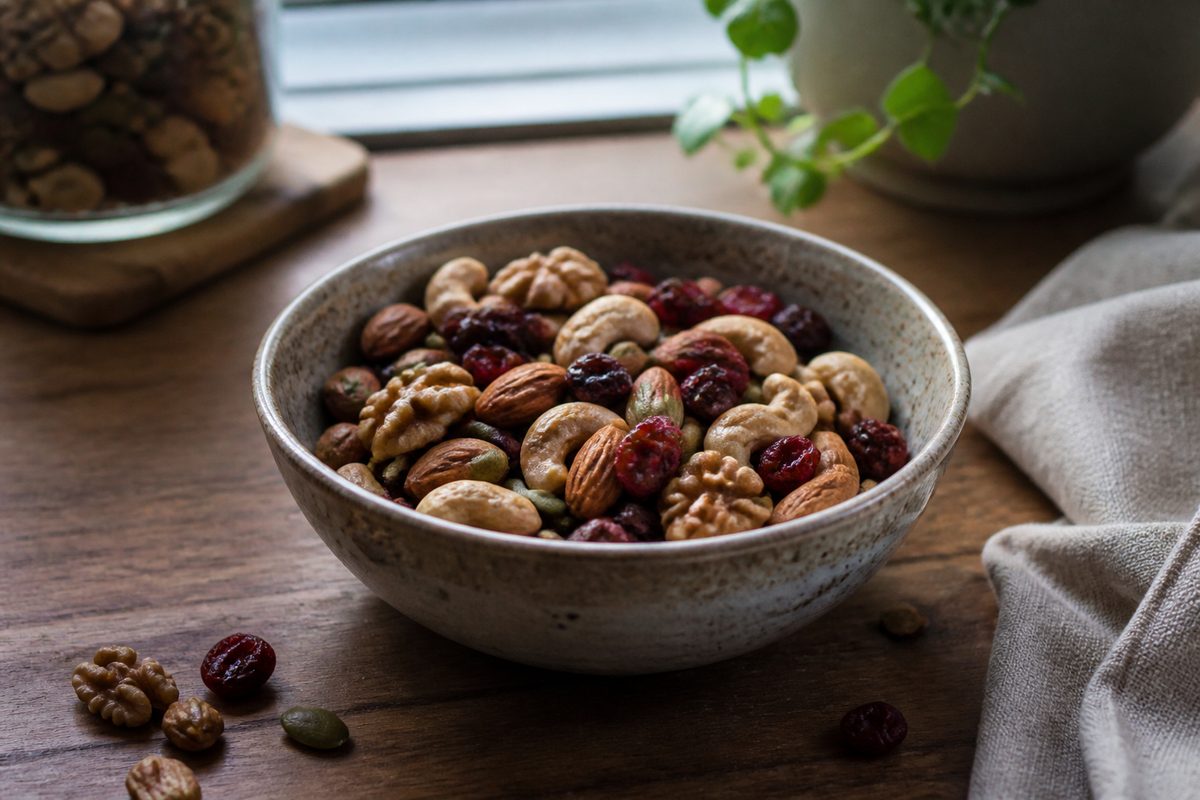
For example, nuts contain useful nutrients and can be filling, but a loose handful may turn into several servings. Nut butter brings the same problem. It's easy to scoop out two large spoonfuls without seeing how much energy they hold. Measure these foods when Weight management is your goal.
Look at the whole snack instead of trusting the front label. Check the serving size, total calories, Protein, and Dietary fiber. Then ask yourself: would that listed serving really feel like enough food? Professional nutrition guidance can help you assess snack quality beyond marketing labels.
How can you judge whether a snack is filling for its calories?
Try a simple test. Compare how much Protein, fiber, Water, and physical volume you get for each Calorie. A good snack usually does well in at least two of these areas.
Start with Protein. A snack that provides about 10 to 20 grams often controls hunger better than one made mostly from refined carbohydrate. It's a guide, not a firm rule. Your needs shift with your body size, activity, meals, and health needs.
Next, check Dietary fiber. Whole fruit, vegetables, beans, and whole grains carry fiber inside the food. That structure makes a difference. Apple slices usually take longer to eat and feel more solid than apple juice, even though both came from fruit.
Then look at Water and volume. Strawberries, cucumber, tomatoes, oranges, and vegetable soup hold a lot of water. They fill more space for fewer calories than dry snacks like chips or crackers.
Last, think about how easy the snack is to eat without stopping. Food sold in a large bag has no clear serving. A natural stopping point, such as one yoghurt tub or one piece of fruit, makes your intake easier to judge.
Which other snacks work when yoghurt is not suitable?
You can use the same hunger-control rule with other foods. Pick a lean or moderate-calorie Protein source, then match it with a high-volume plant food.
- Cottage cheese and sliced tomato: A half-cup of cottage cheese provides Protein, while tomato adds Water and volume. Check sodium if you've been told to limit salt.
- Two boiled eggs with cucumber: Eggs give you Protein and a clear serving size. Cucumber brings crunch and bulk with few calories.
- Edamame: These young soybeans provide both Protein and Dietary fiber. Buy them in the pod if you want a snack that takes more time to eat.
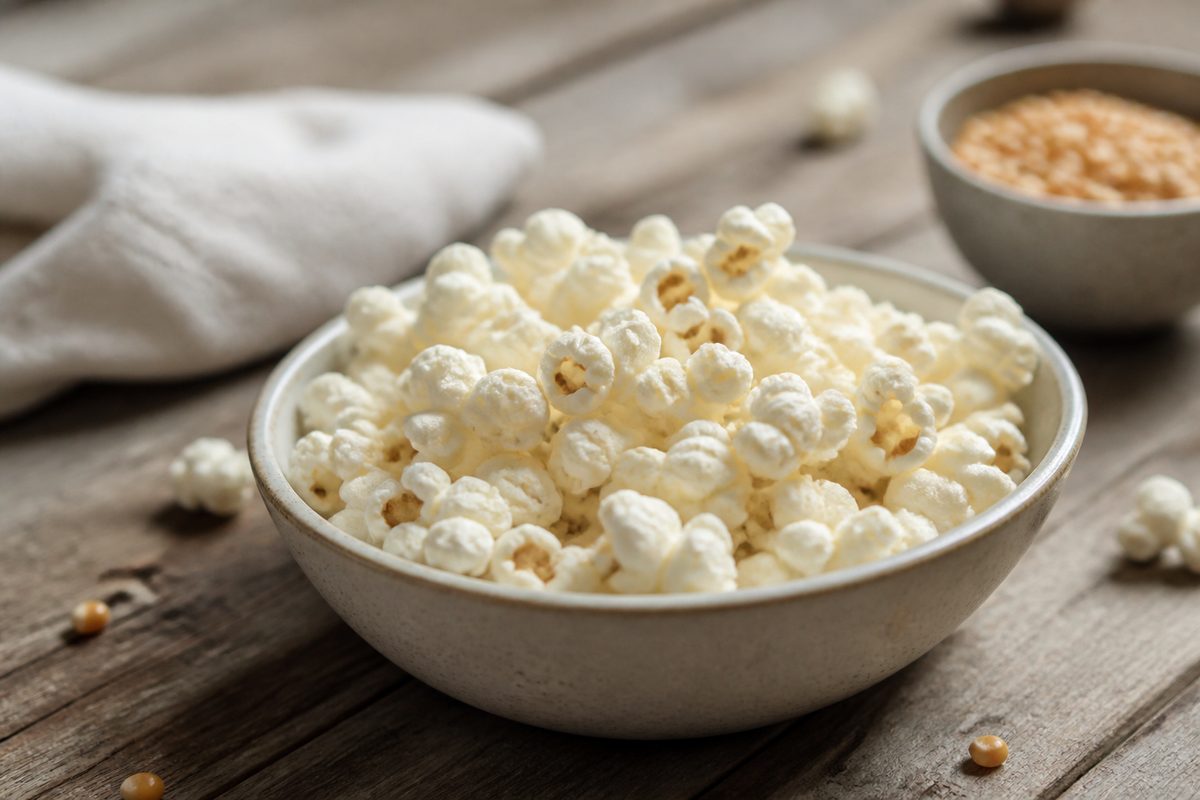
- Air-popped popcorn with a protein side: Popcorn gives you volume and some fiber. Pair it with a small glass of milk or another protein-rich food instead of coating it with butter.
- Apple slices with measured peanut butter: The apple adds fiber and Water. Stick to a measured spoon of peanut butter because its calories climb fast.
- Roasted chickpeas with raw vegetables: Chickpeas provide fiber and some Protein. Set the portion first because roasting removes water and packs the energy more tightly.
If you avoid dairy, unsweetened soy yoghurt is often the closest swap for Greek yoghurt because it can provide a useful amount of Protein. Coconut yoghurt may feel thick, but many types are low in protein and high in fat. Read the nutrition panel. Texture won't tell you the full story.
Why do some small snacks lead to more eating?
A snack can be low in calories yet still fail if you're hungry again ten minutes later. Rice cakes, plain crackers, sweets, and juice often give quick energy with little Protein. They may fit a daily calorie target, but they offer weak Satiety when eaten alone.
That can start a chain of small eating choices. You eat a light snack, stay hungry, head back to the kitchen, and grab something else. The first item seemed safe, but the whole snack period became larger than planned.
The reverse happens with foods that look healthy but are highly concentrated. Granola, trail mix, dried fruit, nut bars, and smoothie bowls can hold several hundred calories in a modest serve. A healthy image doesn't wipe out their energy content.
Liquid calories are easy to miss too. Chewing and food volume help your brain track an eating event. A smoothie can contain yoghurt, fruit, oats, honey, and nut butter, yet go down fast. Eating some of those ingredients from a bowl may give stronger fullness with the same energy.
Can a filling snack support weight loss?
Yes, when it stops unplanned eating and fits your total intake. Weight management comes down to your pattern across days, not whether one snack has a certain label.
Calorie restriction means taking in less energy than your body uses. Severe restriction often makes hunger tougher to control and can hurt training, sleep, mood, and meal planning. A modest calorie gap is easier to keep up when meals and snacks contain enough Protein, Dietary fiber, and volume.
Your body also tries to protect its energy stores through Energy homeostasis. When intake drops, hunger may rise and energy use may change. That's one reason willpower alone works poorly as a long-term plan. Your food setting should make the useful choice easy.
A planned yoghurt and berry snack can help because it has a clear job: bridging a long gap between meals. It's less helpful when you eat it on top of regular meals without physical hunger. Adding a filling snack won't cause weight loss unless it replaces other intake or stops a larger eating episode later.
People respond in different ways. Someone who trains after work may need a larger serve or a little whole-grain carbohydrate. A smaller person with only a short wait before dinner may need less.
Use your next meal as a clue. If you stay calm and comfortably hungry at mealtime, the portion worked. If you feel faint, distracted, or pushed to overeat, it was too small or badly put together.
When is hunger actually thirst, habit, or fatigue?
Thirst can feel like a fuzzy urge to eat, but Water shouldn't be used to silence clear hunger. Drink a glass if you've had little fluid, then check again after a few minutes. If your stomach still feels empty and several hours have passed since a meal, eat.
Habit hunger often shows up with the same cue, such as opening a laptop, watching television, or walking into the kitchen. Physical hunger tends to build over time and accepts many kinds of food. A cue-based craving often demands one exact taste.
Fatigue can also spark snack hunting because your brain wants quick energy and relief. Food may give a short lift without fixing the cause. If you often lose sleep, plan a filling snack before the usual craving period and tackle the sleep problem itself.
Don't use this check as a reason to ignore hunger. The aim is to work out what your body needs. If the answer is food, eat a useful snack without guilt.
How should you choose a yoghurt at the shop?
Begin with the nutrition panel. Compare products per 100 grams so different tub sizes don't blur the result. Pick a plain Greek yoghurt with a strong Protein level and little or no added sugar.
Both low-fat and full-fat Greek yoghurt can fit. Low-fat types give you more volume for a lower Calorie total. Full-fat yoghurt may taste richer and feel filling in a smaller serve. The right choice is the one that fits your intake and stops extra grazing.
Flavoured yoghurt needs a closer look. Some products contain enough added sugar to turn a light snack into a dessert-sized energy load. Control the sweetness by buying plain yoghurt and adding fresh berries, cinnamon, or a small amount of chopped fruit.
Also check if the product is Greek yoghurt or Greek-style yoghurt. The names don't promise the same protein content. The number on the label tells you more than the wording on the tub.
What should you do before hunger hits?
Get the snack ready so the portion is clear and easy to grab. Hunger makes open packets and loose serving sizes much harder to manage.
- Buy plain Greek yoghurt with a protein level that suits your needs.
- Portion 170 to 200 grams into a bowl or container.
- Add half a cup of fresh or frozen berries without pouring in syrup.
- Eat it sitting down, then wait before deciding whether you need more.
Your single takeaway is to keep one measured serve of plain Greek yoghurt and berries ready for the time of day when hunger usually pushes you toward a higher-calorie snack.
Common questions
What is the most filling but least fattening food?
Boiled potatoes are very filling for their calories, especially when eaten plain. Pair a small potato with vegetables or lean protein for a balanced meal.
What is a very low-calorie filling snack?
Air-popped popcorn is a low-calorie snack that can help you feel full. Choose it plain or add a little salt instead of butter.
What can I snack on that isn't fattening?
Try fresh fruit, raw vegetables, plain yogurt, or a boiled egg. Keep portions sensible, since any food can add extra calories if you eat too much.
What to snack on when hungry but trying to lose weight?
Choose a snack with protein and fiber, such as an apple with a small spoon of peanut butter. This can keep you full longer and help you avoid overeating later.