What snacks are healthy but filling?
The most filling healthy snacks pair Protein and Dietary fiber, with enough Fat or food volume to slow hunger. Great options include Greek yoghurt with berries, apple with peanut butter, eggs with vegetables, cottage cheese with fruit, roasted chickpeas, and hummus with crisp vegetables. They work because they take longer to digest and give your stomach enough Food to feel satisfied.
A snack should fix real hunger. It should get you to your next meal without making you sleepy or hungry again 20 minutes later. Sweet drinks, plain crackers, and tiny snack bars often fall short because they digest fast. whole-food snacks tend to keep hunger quiet for longer.
Why do some snacks keep hunger away for longer?
Fullness starts in your stomach, but other parts of the body matter too. Your gut and brain track the energy and nutrients you eat. Chewing, stomach stretch, digestion speed, and blood sugar all shape when hunger comes back.
Protein has a strong effect on fullness. It takes more work to digest than refined carbohydrate, so a snack feels more like real food. Dietary fiber adds bulk and slows digestion. Fat slows food as it leaves the stomach too, though even a small amount holds plenty of energy. Water-rich foods add size without making a snack high in calories.
That is why an orange often satisfies more than orange juice. Whole fruit has fiber, takes time to chew, and fills more space. Juice is quick to drink and lacks much of the structure that helps you feel full.
The best pattern is simple: start with a protein base, then add a high-fiber fruit, vegetable, bean, or whole grain. Still hungry? Add a little Fat.
Which snack combinations work best?
Pairing foods works better than hunting for one perfect snack. Each part has a role. Protein makes the snack last. Fiber adds bulk. A little fat can boost flavour and slow digestion even more.
Greek yoghurt with berries
Plain Greek yoghurt supplies protein, while berries bring Dietary fiber, water, and natural sweetness. Pick yoghurt with no added sugar, or only a little. Add cinnamon or a spoonful of seeds when you need extra staying power.
A handy serving is about 170 to 200 grams of yoghurt with a handful of berries. It is big enough to feel like a proper snack without becoming a full meal.
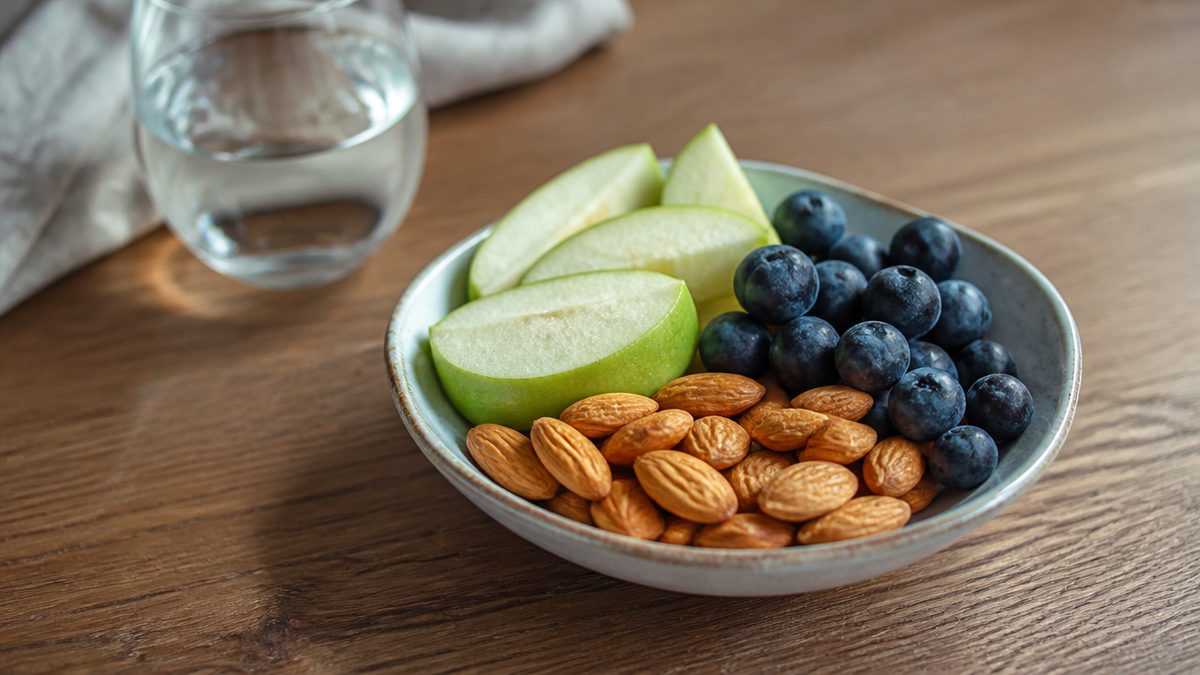
Apple with peanut butter
An apple gives you water, fiber, and lots of chewing. Peanut butter adds protein and fat. Measure it, since one spoon can quickly become several. One level tablespoon works for a light snack. Two may suit you if dinner is still hours away.
This pair also solves a common problem with eating fruit by itself. Fruit may satisfy you at first, but some people get hungry again soon. Peanut butter slows things down and makes the snack feel complete.
Eggs with crunchy vegetables
Boiled eggs are compact, high in protein, and simple to portion. Pair one or two with cucumber, capsicum, carrots, or cherry tomatoes. The vegetables add size and crunch. The eggs provide the staying power.
Salt, pepper, paprika, or a squeeze of lemon can make this basic plate far more tempting. Flavour counts. If a snack feels dull, you may keep looking for something else.
Cottage cheese with fruit
Cottage cheese packs plenty of protein into one serving. Pair it with peach, pear, pineapple, or berries. Fresh fruit adds fiber and makes the bowl look and feel bigger.
Prefer savoury food? Use tomato, cucumber, cracked pepper, and herbs instead. Both choices use the same filling pattern.
Hummus with vegetables
Hummus is made with chickpeas and tahini, so it offers fiber, some protein, and fat. Scoop it up with carrot sticks, celery, snow peas, or capsicum rather than a huge stack of crackers.
Have about two to four tablespoons of hummus, depending on your hunger and how long it is until your next meal. Vegetables create volume. The dip makes them satisfying enough to count as a real snack.
Roasted chickpeas
Roasted chickpeas pack protein and fiber into one crunchy food. They are handy when you want the crunch of chips but need something that fills you up. Check packaged types for added salt and oil, or roast drained chickpeas at home with spices.
Eat them slowly. Dense, dry snacks can vanish before your brain catches up. Tip one serving into a bowl instead of eating straight from the bag.
How much should a filling snack contain?
The right amount depends on your hunger and the time until your next meal. A snack just before dinner can be small. One that must get you through a long afternoon needs more substance.
When practical, start with a serving that has about 10 to 20 grams of protein. Add a piece of fruit or a generous handful of vegetables. Still too light? Include a spoonful of nuts, seeds, hummus, or another source of fat.
Calories still count, but chasing the smallest number may backfire. A 70-calorie packet of crackers can look sensible yet leave you hungry. A bigger bowl of yoghurt and berries may hold more energy but stop you from grazing later.
Judge the snack by your next meal. If you arrive calmly hungry, it worked. Ravenous? Add more protein or make the snack bigger. If you have no appetite at mealtime, shrink the portion or ask if you needed that snack.
Can high-volume foods make a snack more satisfying?
Yes. High-volume foods contain lots of water or air for the amount of energy they provide. They take up more room in your stomach, helping your brain register that you have eaten.
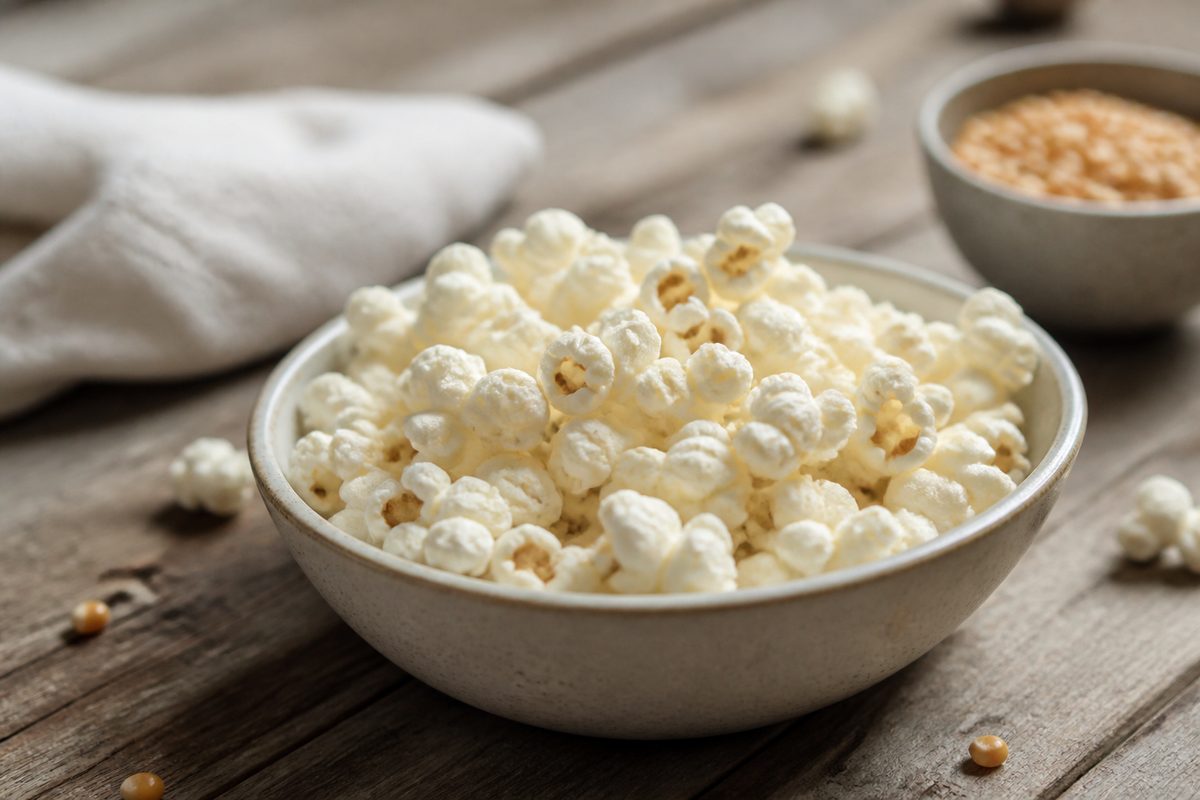
Fruit, raw vegetables, vegetable soup, and plain popcorn are good examples. Popcorn works best air-popped or cooked with a modest amount of oil. A lot of butter, sugar, or caramel quickly changes the snack.
Volume helps, but it may not last by itself. A bowl of cucumber looks big yet can leave you hungry because it has little protein or energy. Pair high-volume foods with yoghurt, eggs, cottage cheese, edamame, hummus, or a measured amount of nuts.
Many snack lists miss this point. A food can be low in calories and still fail to fill you up. A better choice mixes stomach-filling volume with nutrients that take time to digest.
Are nuts filling enough on their own?
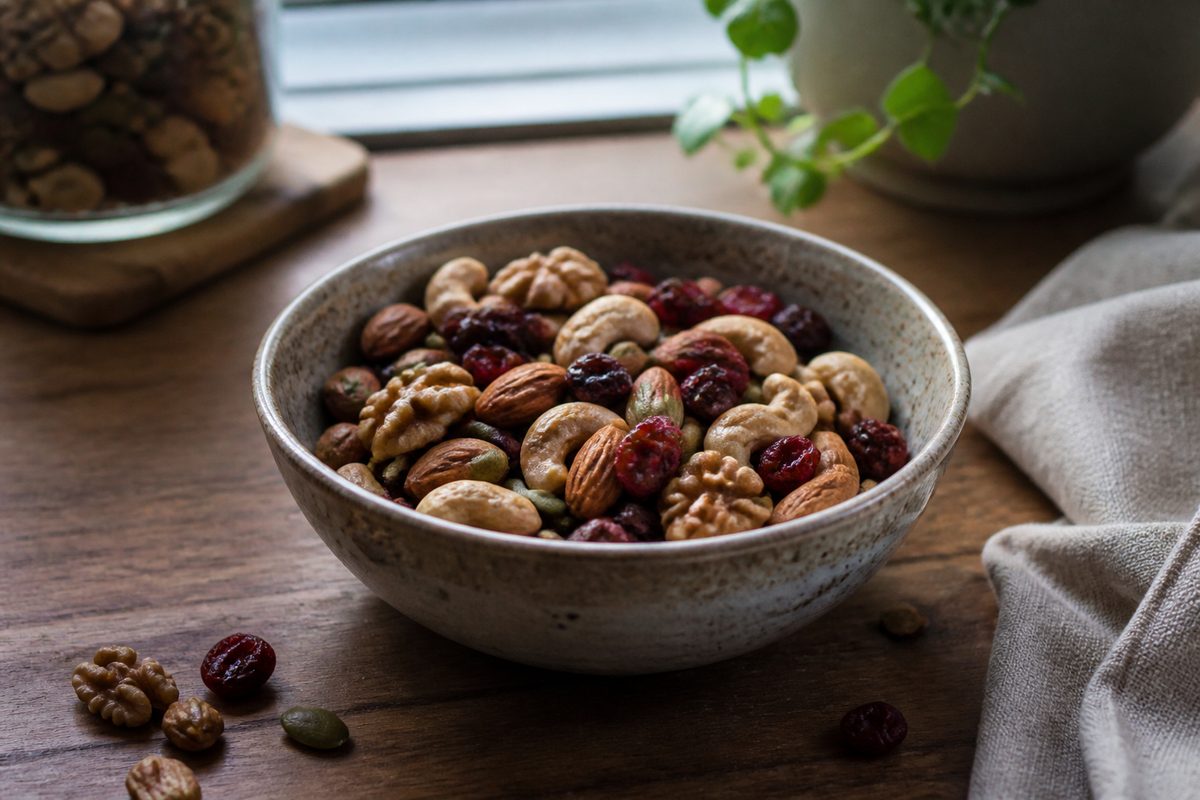
Nuts contain protein, fiber, and unsaturated fat, so they can tame hunger. The catch is volume. A small handful holds lots of energy but may not look like much food.
Pair nuts with a piece of fruit rather than eating them alone. Fruit adds water and bulk, while the nuts slow digestion. About 20 to 30 grams of nuts is enough for most snacks.
It is hard to judge a portion from a large bag. Put one serving in a small bowl or prepare small containers ahead of time. There is a clear reason for this portion control. It does not mean nuts are unhealthy.
Does the order in which you eat a snack matter?
It can. Begin with the food that needs the most chewing, such as fruit or vegetables. Eat the protein-rich part next. This slows you down and gives your stomach time to send fullness signals.
Eating without a screen helps too. A distracted snack can feel like it never happened. Put the food on a plate, sit down, and spend several minutes eating it. This small shift can improve satisfaction without changing a single ingredient.
Here is a client-style example. Someone eats yoghurt at a desk while answering messages, then goes looking for biscuits soon after. Put that same yoghurt in a bowl with berries and eat it away from the screen, and it feels more complete. Nutrients matter, but attention helps the eating event register.
What should you eat when the craving is sweet?
Pick sweetness with structure. Fruit provides natural sugar inside a fiber-rich food. Pair it with Greek yoghurt, cottage cheese, nuts, or peanut butter.
Frozen berries stirred into yoghurt make a cold, thick snack. Sliced banana with peanut butter works when you fancy something richer. Dates are sweet and can fit, but they are tiny and easy to overeat. Pair one or two with nuts, or fill them with a little nut butter.
Dark chocolate can sit beside a filling base too. A few squares after yoghurt or fruit satisfy better than chocolate eaten when you are starving. You do not need to hide the sweet food. Just do not expect sugar alone to fix hunger.
What should you eat when the craving is savoury?
Think protein and crunch. Eggs with vegetables, edamame with a little salt, tuna on whole-grain crispbread, and hummus with capsicum all fit the bill.
Plain popcorn can make a larger snack when you add a protein food. Try it with a boiled egg or a small tub of cottage cheese. Cheese works as well, though portions can creep up. Pair a small piece with pear, apple, or tomatoes.
If you want chips, put a modest serving beside a protein-rich dip and chopped vegetables. You still get the food you want, but the snack has enough substance to stop hunger.
How can you tell whether you are hungry or seeking a break?
Physical hunger grows slowly and makes several foods sound good. A craving often hits fast and demands one exact taste. Thirst, boredom, habit, and stress can spark the urge to snack too.
Think about when you last ate. Would a simple choice such as yoghurt or an egg sound good? If so, you are likely hungry. If only one treat will do, pause for a moment and decide if you want it for pleasure. You can still eat it. The choice is simply clearer.
Do not drink water to squash real hunger. Have a drink if you are thirsty, then eat a proper snack if the hunger stays. Pushing through hunger again and again can lead to rushed choices and bigger portions later.
How can you build a filling snack in less than a minute?
Follow a quick two-part rule: choose one protein-rich food and one fiber-rich food. Keep a few choices ready so you barely need to think.
- Choose Greek yoghurt, cottage cheese, eggs, tuna, edamame, hummus, or roasted chickpeas.
- Add berries, an apple, a pear, carrots, cucumber, capsicum, or whole-grain crispbread.
- Check your hunger. Add a little nuts, seeds, avocado, or peanut butter when you need more staying power.
- Place the serving on a plate or in a bowl, then eat without distractions.
Fast pairings include yoghurt with berries, egg with tomatoes, hummus with carrots, tuna with crispbread, and cottage cheese with pear. Rotate foods you truly enjoy. Do not force down a snack just because it appears on a healthy-food list.
What is the one action to take today?
Prepare one snack that pairs a clear source of protein with a fruit or vegetable, then judge it by how calmly it carries you to your next meal.
Common questions
What can I eat that will fill me up but is healthy?
Choose foods with protein and fiber, such as eggs, beans, oatmeal, fruit, vegetables, or plain yogurt. They digest slowly and help you feel full for longer.
What snack is filling but not fattening?
Try an apple with a spoonful of peanut butter or plain yogurt with berries. Keep the serving moderate, since eating more calories than your body needs can lead to weight gain.
What are the top 5 healthiest snacks?
Five healthy choices are fruit with nuts, plain yogurt with berries, vegetables with hummus, a boiled egg, and oatmeal. These snacks offer protein, fiber, vitamins, and lasting energy.
What are 20 healthy snacks?
Try apples, bananas, berries, oranges, grapes, nuts, seeds, boiled eggs, plain yogurt, cottage cheese, oatmeal, popcorn, hummus, carrots, cucumber, celery, roasted chickpeas, whole-grain crackers, tuna, or avocado toast. Choose sensible portions and pair protein with fruit, vegetables, or whole grains to stay full longer.
What snack is filling but not fattening?
Read article →
What can I eat that will fill me up but is healthy?
Read article →
How to reduce MS symptoms?
Read article →
Can fasting help autoimmune disorders?
Read article →
Does fasting help male fertility?
Read article →