What snacks help with fatigue?
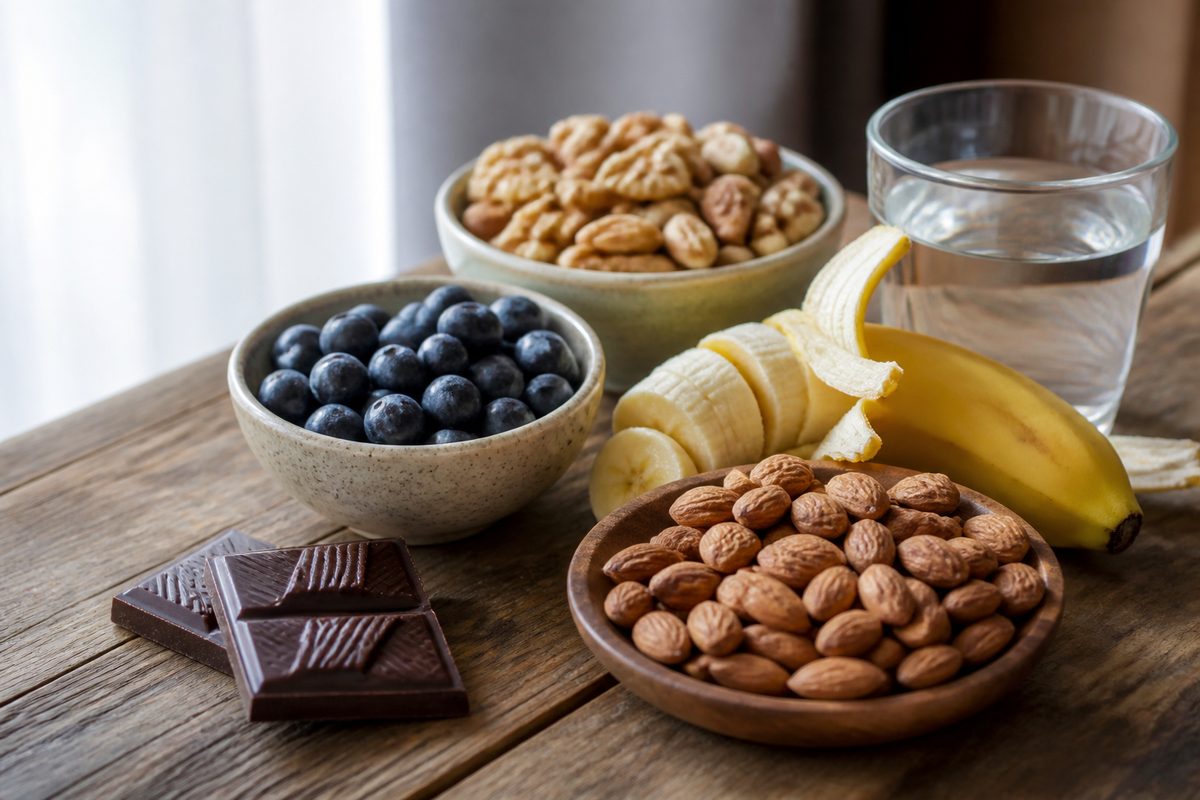
Snacks that pair a slow-release carbohydrate with protein are the best choice for fatigue. Good picks include yoghurt with oats, apple with peanut butter, wholegrain crackers with tuna, or hummus with vegetables. Water may help as much as food when dehydration is part of the problem.
The right snack depends on what is behind the tired feeling. Hunger, missed meals, poor sleep, hard exercise and illness can feel alike, but each needs a different response. A snack can bridge the gap between meals.
But it can't replace sleep, treat a nutrient shortage or fix ongoing fatigue.
The idea is simple: match the snack to the likely cause, then choose snack that gives steady fuel. This helps you avoid the brief lift and sharp slump that often follow sweets or energy drinks.
Why can a snack make fatigue worse?
A sweet snack can seem helpful because sugar enters the blood fast. The lift may not last. A large amount of refined sugar can cause a quick rise in your blood sugar level, followed by a drop that leaves you hungry or flat again.
This doesn't mean sugar is always bad. Fast sugar has a medical use when someone has confirmed low blood glucose and follows a treatment plan. For everyday fatigue, though, it's often the wrong tool.
Your body needs enough fuel to reach the next meal, not a rush that fades soon after.
A carbohydrate snack on its own can also fall short when it has little fibre. Think lollies, sweet biscuits or a soft drink. They digest fast and do little to curb hunger.
Pairing carbohydrate with protein or healthy fat slows digestion and helps the energy last.
Large snacks bring another problem. Digestion takes work. A heavy serve of fried food or a large muffin may make you sleepy, even though it has plenty of energy.
A snack should fill a small gap. It shouldn't become a second lunch.
What makes a snack give steadier energy?
A useful fatigue snack has enough carbohydrate for fuel, plus enough protein, fibre or fat to slow digestion. It should also be easy to eat before the fatigue gets severe.
These pairings work well:
- Plain yoghurt with rolled oats and berries
- A banana with peanut or almond butter
- Wholegrain toast with cottage cheese
- Wholegrain crackers with tuna or salmon
- Hummus with carrot, cucumber or capsicum
- A boiled egg with a piece of fruit
- Milk or fortified soy milk with a small oat-based snack
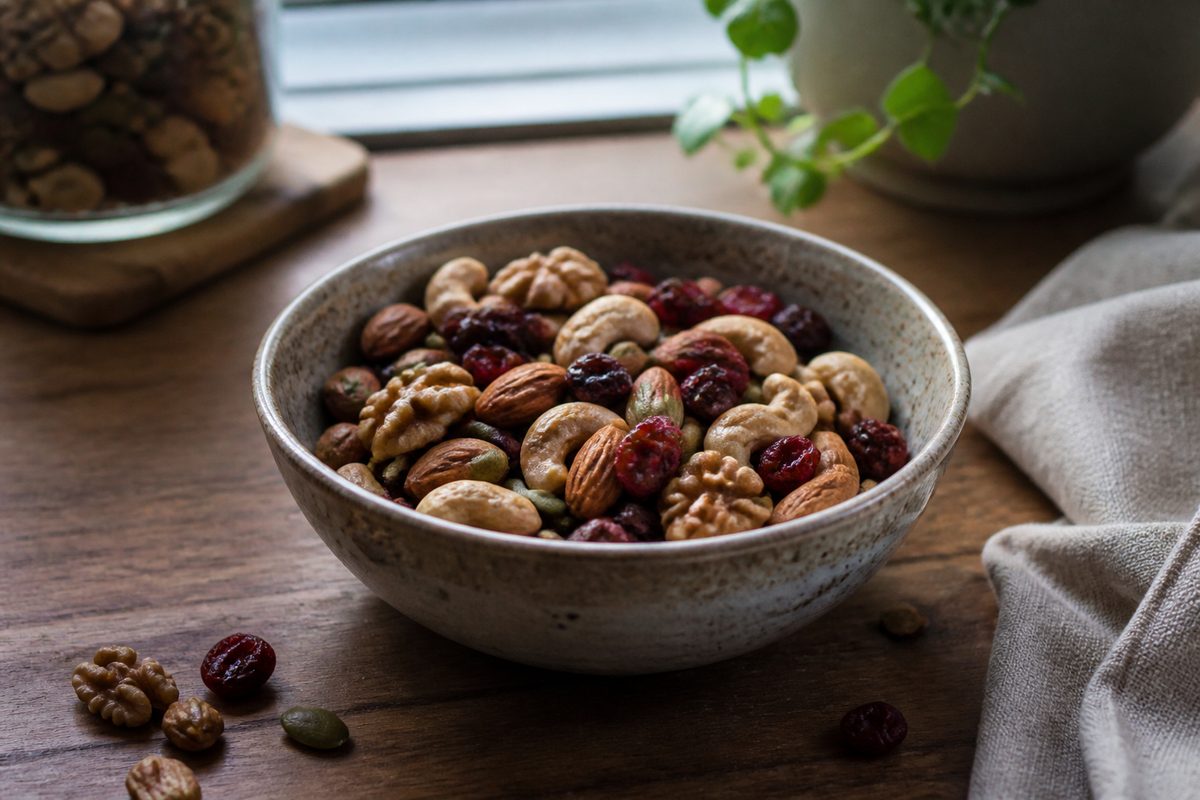
- A handful of nuts with dried fruit
Each option does at least two jobs. Fruit or grain provides carbohydrate. Yoghurt, eggs, fish, nuts or legumes add protein and other nutrients.
Fibre slows digestion and makes the snack more filling.
Whole foods are handy, but a snack doesn't need to be perfect. Ease matters when fatigue already makes basic tasks feel hard. A tub of yoghurt that gets eaten beats a complex recipe left untouched.
How do you match the snack to the likely cause?
Start with what happened before the fatigue. Timing often gives you the clearest clue.
Did you miss a meal?
Choose a more filling snack with carbohydrate and protein. Try a wholegrain sandwich with cheese, yoghurt with oats, or a banana with nut butter. A small piece of fruit may not be enough if your last proper meal was many hours ago.
Picture someone who skips breakfast, then feels shaky, cross and unable to focus by late morning. Coffee may hide the hunger briefly. Yoghurt with oats is more likely to help because it offers both fuel and staying power.
The next step is still a proper meal. A snack should only bridge the delay.
Have you exercised hard?
After training, choose carbohydrate to replace used fuel and protein to help repair muscle. Milk and a banana, yoghurt with fruit, or toast with eggs all work. If the session was long or sweaty, fluid matters too.
A common mistake is having protein alone. A protein shake mixed with water may help with protein intake, but it may contain little carbohydrate. That can leave you drained after a tough session.
Adding fruit or oats may support recovery better.
Have you had very little to drink?
Drink water before deciding you need more food. Dehydration can cause tiredness, headache, thirst, dry mouth and poor focus. Hot weather, exercise, vomiting or diarrhoea can increase fluid needs.
A watery snack can help as part of the response. Try yoghurt, melon, orange or cucumber with a protein food. Water should still be your main drink.
If fluid loss has been heavy, a pharmacist or clinician can tell you whether an oral rehydration product is right for you.
Did you sleep badly?
Food can ease hunger after a poor night, but it can't repay lost sleep. Choose a normal, steady snack instead of chasing alertness with sugar and caffeine. Wholegrain toast with peanut butter or yoghurt with fruit can stop hunger from adding to the tiredness.
Caffeine late in the day may keep the cycle going by delaying sleep again. If you drink coffee or tea, pair it with food and keep the serving modest. Don't treat an energy drink as a meal.
Which nutrients matter when fatigue keeps returning?
Regular fatigue can be linked with low energy intake, iron deficiency or low vitamin B12. Food may help your intake, but a snack can't confirm the cause. You may need a blood test and health review. Paramount Health can provide personalized guidance on managing fatigue through nutrition.
Vitamin B12 helps your body make healthy red blood cells and keeps the nervous system working. It occurs naturally in animal foods such as dairy, eggs, fish and meat. Some plant milks, cereals and nutritional yeast products are fortified, but amounts vary.
Check the label. Don't assume a plant-based food contains it.
People who eat no animal products have a higher risk of low vitamin B12 unless they use reliable fortified foods or a suitable supplement. People with some gut conditions, past stomach surgery or certain medicine use may also absorb less. More cheese or yoghurt won't correct every deficiency.
Testing and a clear treatment plan matter.
Iron also helps the blood carry oxygen. Low iron can cause fatigue, weakness, breathlessness or headaches. Snacks such as hummus, pumpkin seeds or fortified cereal can add iron, but suspected deficiency needs medical advice.
Taking high-dose iron without testing can cause harm and may hide the real issue.
Many snack guides miss this point. They list foods as though fatigue is always a fuel problem. Repeated fatigue is a symptom, not a snack shortage.
How large should a fatigue snack be?
Use your hunger and meal timing as guides. If your next meal is within an hour, a small snack may be enough. Fruit with a few nuts or yoghurt may suit.
If the next meal is several hours away, pick something more filling, such as toast with eggs or crackers with tuna.
Eating from a large packet makes the amount hard to judge. Put nuts, crackers or dried fruit in a bowl. This matters most with foods that pack lots of energy into a small serve.
Nuts are nutritious, yet a large serve can turn a light snack into a full meal.
The aim is to feel more stable, not stuffed. After eating, give your body time to respond. If the hunger has eased but the fatigue remains, more food may not be the answer.
What can you eat when fatigue cuts your appetite?
Low appetite can make bulky meals tough. Choose small foods that pack useful energy into a few bites. Yoghurt, a smoothie made with milk, nut butter on toast, or cheese with crackers may feel easier than a large plate.
Texture and temperature can help. Cold fruit, chilled yoghurt or a plain milk drink may go down more easily when cooking smells feel unpleasant. Keep the recipe simple.
A smoothie doesn't need powders or a long list of ingredients. Milk, fruit and oats can provide useful fuel.
Don't rely on drinks for every meal. Chewing and solid food often leave you more satisfied, while frequent sweet drinks can add lots of sugar without keeping hunger away. Use liquid snacks when your appetite is low, then return to regular meals when you can.
If low appetite lasts, causes weight loss or comes with nausea, pain or trouble swallowing, seek medical care. Those signs need more than snack ideas.
Which convenient snacks are worth keeping nearby?
Fatigue makes planning harder, so the best backup foods need little thought. Keep choices that store well and pair easily.
- Wholegrain crackers with pull-tab tins of tuna
- Nut butter with plain oat cakes
- Roasted chickpeas with a piece of fruit
- Long-life milk with wholegrain cereal
- Nuts with a small portion of dried fruit
- Fortified soy milk with a banana
Read packaged snack labels with the whole product in mind. A high-protein label doesn't mean the food is low in sugar. A natural label tells you little about how filling it will be.
Check the serving size, fibre, added sugar and protein.
Here's another point people miss: making choices over and over drains energy. Keeping two reliable options ready may work better than collecting a shelf full of snacks. For example, store crackers and tuna at home, then carry nuts and fruit in your bag.
That routine removes one decision when you feel flat.
When is a snack the wrong response?
A snack is the wrong response when fatigue is severe, keeps coming back or has no clear link to hunger. Book a health review if tiredness lasts for weeks, affects daily tasks or continues despite enough food and sleep.
Seek prompt medical help if fatigue comes with chest pain, trouble breathing, fainting, confusion, black stools, unusual bleeding or sudden weakness. These symptoms can signal a condition that food can't treat.
Check the basics before blaming one nutrient. Poor sleep, infection, medicine side effects, thyroid problems, low mood and other health conditions can all cause fatigue. A clinician can review the pattern and decide if you need tests.
Keep a simple record for several days. Note when the fatigue starts, what you ate, how much you drank, your sleep length and any other symptoms. This gives a clinician clearer evidence than simply saying you feel tired all the time.
What should you do the next time fatigue hits?
Check the likely cause before opening the cupboard. Ask when you last ate, whether you've had water, and whether poor sleep or hard exercise could explain the feeling.
- Drink water if thirst or low fluid intake may be involved.
- Choose one carbohydrate food and pair it with protein, fibre or healthy fat.
- Keep the portion small enough to avoid a heavy post-snack slump.
- Arrange medical advice if fatigue keeps returning or comes with other symptoms.
Your actionable takeaway: prepare one steady snack pairing today, such as yoghurt with oats or wholegrain crackers with tuna, and keep it ready for the next time hunger adds to your fatigue.
Common questions
What snacks help with tiredness?
Try a banana with peanut butter, yogurt with fruit, or whole-grain crackers with cheese. These snacks give you steady energy without a quick sugar crash.
What to eat for tiredness and fatigue?
Eat meals with protein, whole grains, fruits, and vegetables, and drink enough water. Eggs with whole-grain toast or chicken with brown rice are good choices.
What are 5 foods that fight fatigue?
Five helpful foods are bananas, eggs, oats, yogurt, and almonds. They provide protein, healthy fats, and slow energy to help you feel less tired.
How to fix fatigue quickly?
Drink water and eat a small snack with protein and healthy carbs, such as an apple with peanut butter. Rest if you can, and talk to a doctor if fatigue is strong or does not go away.
What snack is filling but not fattening?
Read article →
What can I eat that will fill me up but is healthy?
Read article →
How to reduce MS symptoms?
Read article →
Can fasting help autoimmune disorders?
Read article →
Does fasting help male fertility?
Read article →