What to Drink During Intermittent Fasting (And What Will Break It)
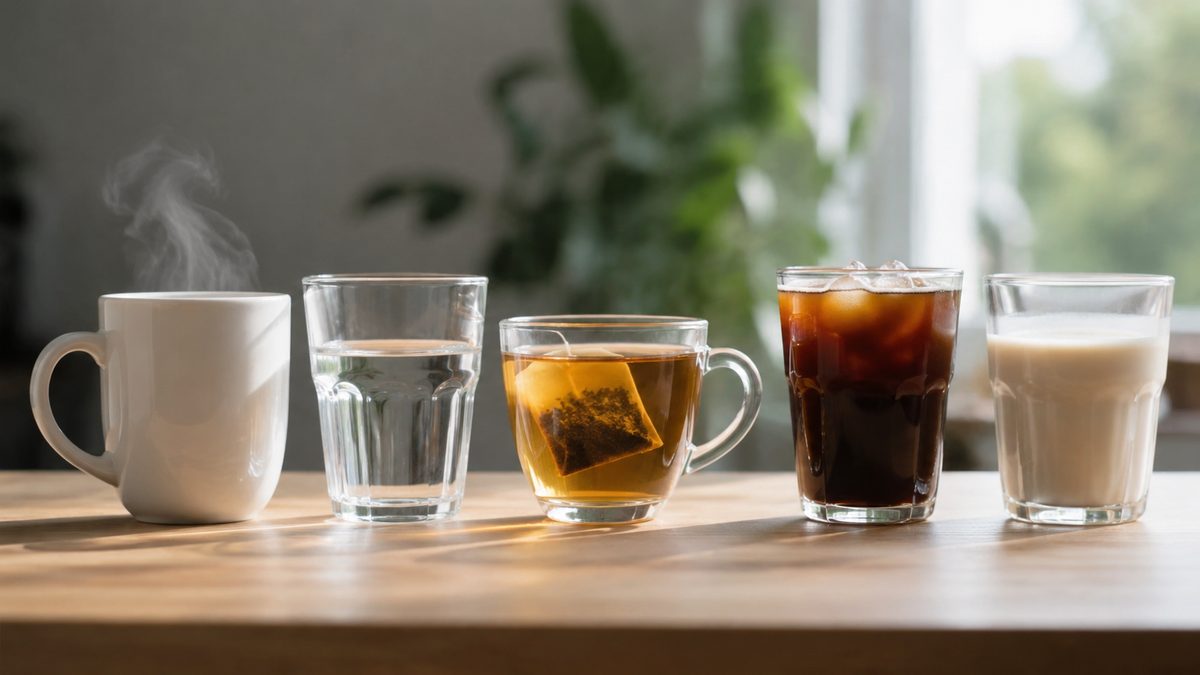
Water, sparkling water, black coffee, and unsweetened tea are all safe during a fast. They contain zero to negligible calories and don't trigger an insulin response.
Anything with calories, protein, fat, or sugar ends the fast. A simple rule: if it has more than 10 calories, stop the clock.
That covers the core answer. But the details matter, because a lot of common drinks sit in a grey zone that trips people up. Bone broth, lemon water, electrolyte drinks, diet sodas, each one needs a clear answer. Here's what the evidence says and what I've seen work in practice. If you're new to this practice, understanding the fundamentals of starting intermittent fasting is essential.
Why Does It Matter What You Drink?
Intermittent fasting works by keeping insulin low. When insulin drops, your body shifts from burning glucose to burning stored fat. Drink something that triggers insulin and that shift stalls, even if the calorie count looks small on paper.
Research using continuous glucose monitors found measurable differences in blood sugar patterns when people consumed even 4 to 5 grams of carbohydrates compared to near-zero calorie drinks during a 16-hour fasting window. That's less than a teaspoon of sugar. The metabolic response was distinct.
So the threshold is lower than most people expect.
Dehydration is the other side of this. Your hunger during a fast is sometimes thirst. Staying on top of fluid intake, especially water and electrolytes, makes the fasting window easier to hold without relying on food to get through it. Some people experiment with drinks like warm ginger water every morning during their fasting window, but this requires careful consideration.
What Can You Drink When on Intermittent Fasting?
Water
Still or sparkling, both are fine. Water has no calories, no insulin effect, and actively supports metabolism and fat burning. Most people need more of it during a fast, not less. Aim for at least two litres across the day, more if you're exercising or sweating.
Black Coffee
Black coffee is one of the best drinks you can have during a fast. It has almost no calories, can reduce appetite, and some evidence suggests it may support fat burning. The key word is black. No milk, no cream, no sweetener.
One of my clients spent three weeks wondering why her fasting results had stalled. Turns out she was adding a small splash of oat milk to her morning coffee. She called it nothing. Her metabolism disagreed.
Unsweetened Tea
Green tea, black tea, herbal tea, all fine. Studies tracking 16-hour fasting windows found that tea-only consumption produced weight and glucose outcomes consistent with fasting protocols. Just skip the honey, sugar, or milk. Plain is the rule.
Sparkling Water
Plain sparkling water is safe. Flavoured sparkling water with no calories and no sweeteners is also generally fine. Check the label. Some brands add citric acid or natural flavours that contribute trace calories.
In practice, these amounts are negligible, but if you're doing strict metabolic fasting, plain water removes the question entirely.
Electrolyte Drinks (The Right Ones)
Plain electrolyte tablets or powders with no sugar and no calories are fine. Sodium, potassium, and magnesium help with hydration and can reduce the headaches and fatigue some people feel in the first week of fasting.
What's not fine is any sports drink with sugar or carbohydrates. Gatorade, Powerade, most coconut waters, these break the fast. Read the label every time.
What Breaks a Fast?
This is where most people make mistakes. These drinks are either commonly misunderstood or sound healthy enough that people assume they're safe.
Bone Broth
Bone broth has protein and calories. It breaks the fast. Some people use it during extended fasting periods as a modified approach; the international consensus on fasting terminology allows up to 25% of normal energy needs under modified fasting protocols.
But for standard intermittent fasting aimed at fat loss and insulin sensitivity, bone broth ends the fasting state.
Milk and Plant Milks
All of them. Dairy milk, oat milk, almond milk, soy milk, they all contain calories, carbohydrates, or protein. A splash feels like nothing but it registers metabolically. Black coffee means black coffee.
Fruit Juice
Even fresh-squeezed juice with no added sugar contains natural sugar that spikes insulin fast. This is one of the biggest misunderstandings I see. People think juice is healthy so it must be okay.
Healthy and fasting-compatible are two different things.
Alcohol
Alcohol has calories and disrupts the metabolic processes that make fasting effective. It also impairs sleep and recovery, which compounds the problem if fat loss is the goal.
Diet Sodas and Artificially Sweetened Drinks
This one is genuinely debated. Some evidence suggests artificial sweeteners may influence gut bacteria composition and potentially trigger small insulin responses even without calories. The research isn't conclusive enough to say they definitely break a fast.
What I tell my clients is this: if strict fat burning is the goal, skip them. If having a diet soda is the only thing standing between you and abandoning the fast altogether, drink the soda. Pragmatism beats perfection when the alternative is quitting.
What Is the Golden Rule of Intermittent Fasting?
Keep insulin low during the fasting window. That's it. Every drink decision comes back to that one question: will this raise insulin? Water, black coffee, and plain tea don't. Everything with calories, sugar, protein, or fat does. For comprehensive evidence-based guidance on intermittent fasting, consult resources that break down the science clearly.
Follow that rule and the rest takes care of itself.
The international consensus definition of fasting describes fluid-only fasting as permitting non-caloric liquids. That framing is the clearest line you can draw. Non-caloric, non-insulinogenic. Write it on a sticky note if you need to.
What Is the Trick to Intermittent Fasting?
There's no single trick, but there's one habit that separates people who make it work from people who quit in week two: drink more water than you think you need, especially in the first half of your fasting window.
Hunger during a fast is often dehydration. When I started paying attention to this with clients, the dropout rate in the first two weeks dropped noticeably.
One of my clients was convinced intermittent fasting wasn't for her. She felt terrible by 10am every day. We added a large glass of water first thing in the morning and a pinch of salt to her water mid-morning for electrolytes. She completed her first full month without issue.
The second habit that matters: time your last meal to make the overnight fast as easy as possible. Eating dinner at 7pm and breaking the fast at 11am is a 16-hour fast where you sleep through 8 hours of it. That's not discipline. That's just scheduling.
How to Lose 2kg in a Week With Intermittent Fasting?
Two kilograms in a week is achievable in the first week for most people, but it's mostly water weight from glycogen depletion, not two kilograms of fat. Fat loss at that speed sustained over weeks would require a calorie deficit of around 2,000 calories per day, which isn't realistic or healthy for most people.
What's realistic: one week of strict 16:8 fasting with clean hydration, water, black coffee, plain tea, no sweetened drinks, can produce a drop of 1.5 to 3kg on the scale. Most of that is fluid and glycogen. The fat loss follows in the weeks after, typically 0.5 to 1kg per week if the eating window is managed well.
To get the best result in week one: cut sugar and processed carbs in your eating window, prioritise protein, drink at least two litres of water per day, and don't compensate for the fast by overeating when you open your window. That last point is the most common mistake. A fast doesn't give you credit to spend on junk food at noon.
Three Things Most Articles Get Wrong About Fasting Drinks
First: lemon water. Most people assume a squeeze of lemon in water is fine because the calorie count is so low. In practice, the amount in a standard drink, half a lemon, contributes roughly 3 to 5 calories and a small amount of natural sugar.
For most people doing a standard 16:8 fast, this is unlikely to matter. For strict metabolic fasting or extended fasts where ketosis is the goal, skip it or keep it to a small wedge squeezed in, not half a lemon.
Second: the idea that more coffee is better because it suppresses appetite. Coffee does reduce appetite and has real benefits during a fast. But four or five cups on an empty stomach stresses the adrenal system, increases cortisol, and can raise blood sugar through a stress response.
That's the opposite of what you want. One to two cups is the practical range. After that, switch to tea or water.
Third: electrolytes are optional. They're not. Especially in the first two weeks, your kidneys excrete more sodium when insulin drops. If you're not replacing it, you'll feel headaches, fatigue, and brain fog that gets blamed on fasting.
It's actually dehydration and electrolyte loss. A pinch of quality salt in your water or a zero-calorie electrolyte tablet fixes it fast.
FAQ
Does black coffee break intermittent fasting?
No. Black coffee has negligible calories and doesn't trigger an insulin response. It's one of the most fasting-compatible drinks available. Milk, cream, or sweeteners added to it will break the fast.
Can I drink sparkling water while fasting?
Yes. Plain sparkling water is fine. Check that flavoured versions have zero calories and no sweeteners if you want to be strict about it.
Does lemon water break a fast?
A small wedge squeezed into water is unlikely to break a standard 16:8 fast. Half a lemon or more contributes enough natural sugar to register metabolically if you're doing strict fasting for ketosis.
What about green tea?
Unsweetened green tea is fine and well-suited to fasting. It has trace calories and some evidence supports its role in supporting metabolism during caloric restriction. No honey, no sugar, no milk.
Can I have bone broth during intermittent fasting?
Bone broth contains protein and calories, so it breaks a strict fast. Some extended fasting protocols allow it as a modified approach, but for standard intermittent fasting, it ends the fasting window.
Do electrolyte drinks break a fast?
Sugar-free electrolyte tablets or powders don't break a fast. Sports drinks with sugar or carbohydrates do. Check the label for any form of sugar, maltodextrin, or carbohydrates before using one during your fasting window.
Will diet soda break my fast?
The evidence isn't conclusive. Some research suggests artificial sweeteners may affect gut bacteria and potentially trigger small insulin responses. For strict fasting, avoid them. For practical fasting where the alternative is quitting, a diet soda is a reasonable compromise.
What to Do Right Now
Clear your fasting window down to four drinks: water, sparkling water, black coffee, plain tea. Add a pinch of quality salt to one glass of water each morning, or use a zero-calorie electrolyte tablet.
Check every other drink you reach for against one question: does it have calories, sugar, protein, or fat? If yes, save it for your eating window.
That single habit, treating the fasting window as a drinks-only zone with zero ambiguity, is what separates people who see results in the first two weeks from people who are still troubleshooting three months later.Sources
What snack is filling but not fattening?
Read article →
What can I eat that will fill me up but is healthy?
Read article →
How to reduce MS symptoms?
Read article →
Can fasting help autoimmune disorders?
Read article →
Does fasting help male fertility?
Read article →