What to eat to give you energy at work?
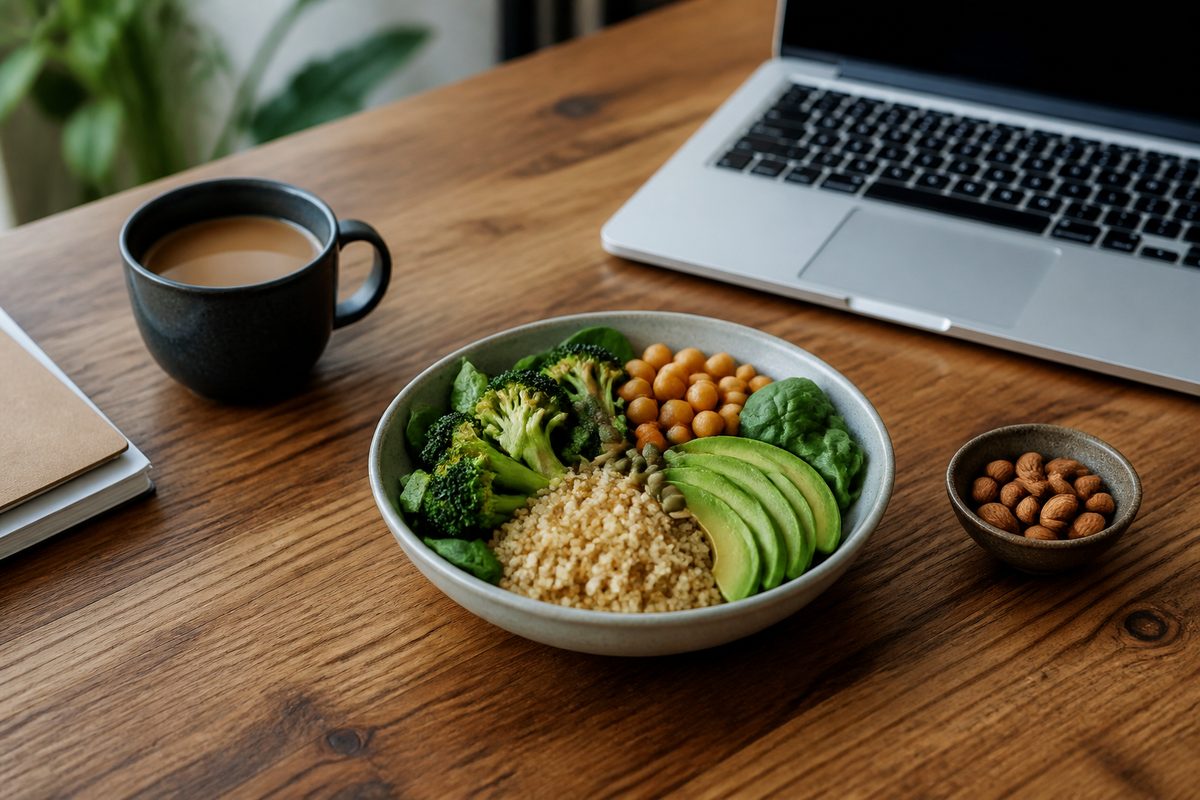
Eat meals that combine a high-fibre Carbohydrate, Protein, vegetables and a small amount of Unsaturated fat. This mix gives your body a steady flow of fuel. It also keeps you full and alert longer than a meal based on refined carbs or sugar.
A handy work meal might be oats with Greek yoghurt and berries, eggs on wholegrain toast with avocado, or chicken with brown rice and vegetables. The exact Food matters less than how you put the meal together. Start with slow fuel, add enough protein and keep the serving size sensible.
Stable energy is the goal. Big swings in your Blood sugar level may leave you sharp for a moment, then hungry, foggy or tired. A planned meal helps smooth those swings, making it easier to focus through meetings, hard physical work or a long afternoon at your desk.
Why does the right meal keep you alert for longer?
Your body turns much of the Carbohydrate you eat into Glucose. Glucose moves through your blood and fuels your brain and muscles. That's useful. Carbs aren't the problem. The type, amount and foods you pair with them affect how steady that fuel feels.
White bread, sweet drinks and big servings of refined cereal break down fast. They can quickly raise your Blood sugar level. Your body then releases insulin, which moves Glucose into cells. A sharp rise may lead to a drop that feels like low energy, poor focus or a sudden need to eat again.
Whole grains, beans, fruit and starchy vegetables contain Dietary fiber. Fibre slows digestion, spreading the release of fuel over a longer time. Protein and Fat slow the meal too. That's why toast with eggs and avocado often lasts longer than plain white toast with jam.
In my experience, people often blame lunch when breakfast is where the trouble starts. One client ate two slices of toast with honey at 7 am, then grabbed biscuits before 10. We switched the meal to grainy toast, eggs and fruit. It wasn't much more food, but the mix kept hunger quiet until lunch.
How should you build breakfast before a workday?
Breakfast should fit the time and effort ahead. Facing a long stretch before lunch? Include a clear source of Protein, then add a fibre-rich carb and some produce. You'll get useful fuel without needing a huge meal.
Good combinations include:
- Rolled oats with milk, Greek yoghurt, berries and walnuts
- Wholegrain toast with eggs, tomato and avocado
- Plain yoghurt with fruit, oats and chia seeds
- A smoothie made with milk, oats, banana and yoghurt
- Leftover rice with eggs and cooked vegetables
A smoothie can work, but it needs more than fruit. Fruit juice, mango and banana blended together may provide plenty of carbohydrate but little protein. Add milk, yoghurt or another suitable protein source. Keep whole fruit or oats in the blend so you don't lose the Dietary fiber.
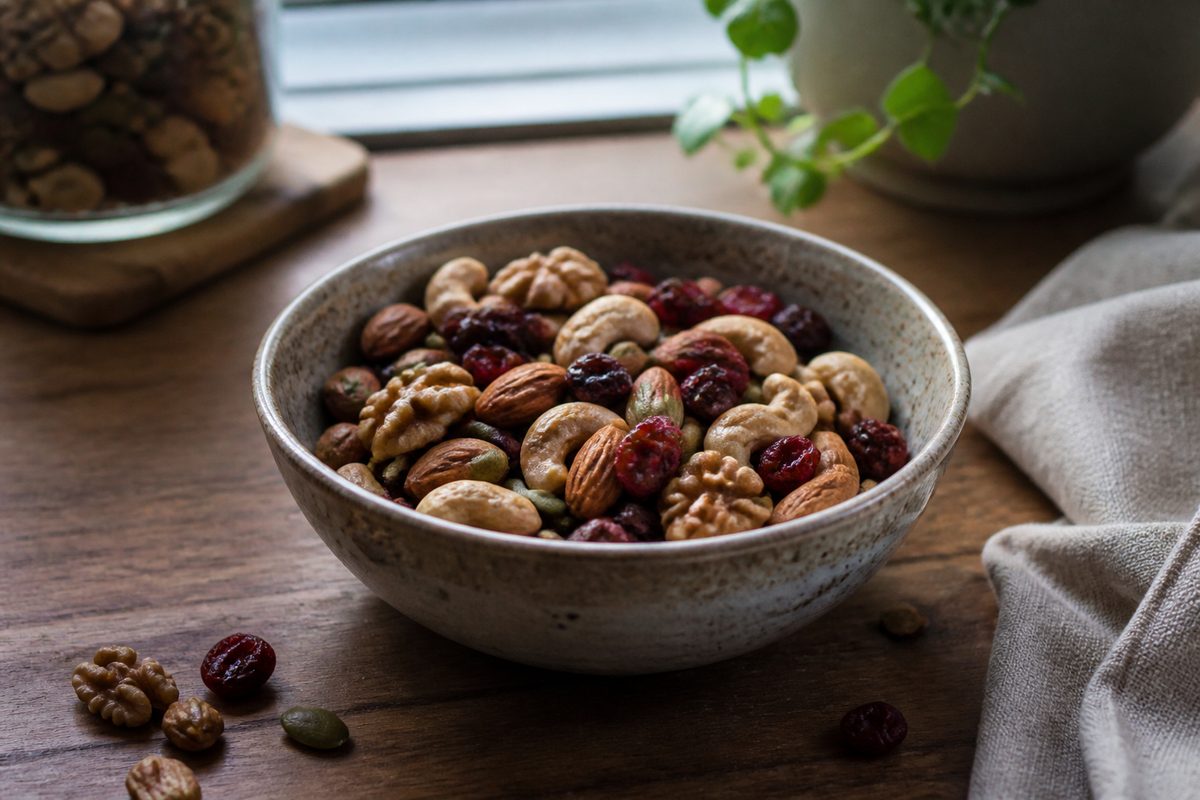
If you're not hungry early, have a smaller breakfast and take a planned second meal to work. A boiled egg with wholegrain toast or yoghurt with oats is more dependable than waiting until hunger sends you towards a pastry. Portable snacks that help with fatigue include boiled eggs, nuts, and yogurt. best snacks to get energy at work
Many people miss how a sweet breakfast can shape the rest of their day. When I tried cereal with added sugar before a long morning, I was hungry well before lunch, even after a large bowl. Oats with yoghurt kept me full on a smaller serving because the meal had more fibre and protein.
What should your lunch plate look like?
Try a simple plate pattern. Fill about half your plate with salad or cooked vegetables. Give one quarter to Protein and one quarter to a high-fibre carb. Finish with a small source of Unsaturated fat, such as olive oil, avocado, nuts or seeds.
This structure works with many meals:
- Chicken, quinoa, roast vegetables and olive oil dressing
- Tuna, wholegrain pasta, spinach, tomato and pesto
- Lentil curry with brown rice and mixed vegetables
- Beef strips with vegetables, soba noodles and sesame seeds
- Tofu with barley, greens and avocado
Protein can come from eggs, fish, chicken, lean meat, dairy foods, tofu, tempeh, beans or lentils. It helps repair muscle and makes a meal more filling. But it doesn't need to take over the plate. A very high-protein lunch with few carbs may leave an active worker short of quick fuel.
Fat has a job too. It carries certain vitamins, helps normal body functions and slows digestion. Choose Unsaturated fat more often. Big servings of fried food, creamy sauce or processed meat can make lunch feel heavy and push total energy far past what you need.
A bigger lunch won't always give you more energy. Digestion takes blood flow and effort from the body. An oversized meal can make you sleepy, especially when you'll sit for the next few hours. Eat until you feel satisfied, not stuffed.
How can you match lunch to the work you do?
A desk worker and a warehouse worker may use the same meal pattern, but their serving sizes can differ. Physical work burns more muscle fuel. A bigger serving of rice, pasta, potato or bread may suit someone who lifts, walks or works outside for hours.
For desk work, keep the vegetable share high and pick a moderate carb serving. This can support focus without making lunch too big. For mixed work, use the same plate as a starting point, then adjust for hunger, body size, training and shift length.
Timing matters for shift workers. If your main break falls at 2 am, treat that meal as part of your workday instead of judging it by the clock. Pick a normal meal in a moderate serving. Heavy takeaway food may make you sleepier during the shift and disrupt sleep after work.
One client on rotating shifts packed the same large pasta meal for every break. At night, it made him sleepy. We reduced the pasta, added vegetables and kept the chicken. He still ate enough, but the lighter energy load felt much better during quiet overnight hours.
Which work meals are most likely to cause a crash?
Meals built around refined carbs, with little fibre or protein, often wear off fast. Examples include a large white-bread roll with barely any filling, sweet cereal, pastries, instant noodles alone, or a lunch of chips and soft drink.
Liquid sugar slips under the radar. Soft drink, sweet iced tea, energy drinks and large flavoured coffees deliver sugar fast but do little to curb hunger. They may give you a quick lift, then leave you hunting for the next boost.
Very low-carb meals can miss the mark too. A small salad of leaves and cucumber may look healthy, yet it may not provide enough fuel for a full afternoon. Add beans, grainy bread, corn, quinoa or another useful carbohydrate source. Then add protein and dressing.
Under-eating is another common cause. People who try to stay strict all day often hit late afternoon with poor focus and fierce cravings. That's not weak willpower. The meal simply didn't give the body what it needed.
Notice what happens after you eat. Hungry again within two hours? Check whether the meal included enough protein, Dietary fiber and total food. If you feel heavy and sleepy, trim the serving and cut back on fried or rich food.
How should you use Caffeine without harming later energy?
Caffeine blocks the signals that make you feel sleepy. It doesn't create fuel or replace a meal. Coffee may sharpen alertness, but it can't fix a tiny lunch or a poor night's sleep.
Use it on purpose. Drink coffee or tea earlier in your shift, and don't answer every dip in focus with another cup. Caffeine can stay active for hours, so a late dose may delay sleep. Poor sleep then drives the need for more caffeine the next day.
Added sugar changes the drink. Plain coffee with milk isn't the same as a large drink packed with syrup, cream and sweet toppings. That second choice can work more like a dessert than a simple caffeine source.
If you depend on several strong coffees, cut back in stages. Stopping all at once can bring headaches and low alertness. Swap one serving for water, decaf coffee or unsweetened tea, while keeping your regular meals in place.
What should you drink with your work meals?
Water should be your usual drink. Even mild dehydration can feel like tiredness, a headache or poor focus. Keep a bottle nearby and sip across your shift instead of trying to catch up at the end.
You need more fluid in hot weather, during physical work and when you sweat. Pale yellow urine is a handy sign that fluid intake is often enough, though medicines and some health conditions can affect this guide.
Milk can add protein and carbohydrate to a light breakfast. Tea and coffee count towards fluid intake, but water is still the easiest default. Juice fills you less than whole fruit and gives you less fibre, so keep it as an occasional drink rather than the base of a work meal.
How can you plan meals when the workday is busy?
Pick a repeatable meal pattern before worrying about recipes. Choose one protein, one high-fibre carb, vegetables and a small source of fat. That leaves you with fewer choices to make during a hectic week.
A simple preparation routine could look like this:
- Cook a batch of brown rice, quinoa or potatoes.
- Prepare chicken, eggs, tofu, beans or another protein.
- Wash salad vegetables or roast a tray of mixed vegetables.
- Pack dressing, avocado, nuts or seeds in small servings.
- Store meals safely and keep cold food chilled until needed.
You don't have to cook every item. A supermarket meal can follow the same pattern. Begin with a salad kit, cooked chicken, tinned tuna or beans. Add a wholegrain roll, microwave brown rice or fruit. Make sure the final meal has real substance, not just leaves.
Keep backup food at work. Handy shelf-stable picks include oats, tuna, bean pouches, wholegrain crackers and nuts. They can turn a missed lunch into a decent meal and make vending-machine food less tempting.
How do you know whether your meal plan is working?
Judge it across the whole work period, not just the first 20 minutes after eating. A good meal should leave you full, clear-headed and free from urgent hunger for several hours. It should also sit well with your digestion and work duties.
Track four things for one week: what you ate, the serving size, when hunger came back and how well you could focus. Patterns often show up fast. You may notice that breakfast needs protein, lunch is too big, or caffeine is covering up poor sleep.
Change one thing at a time. Add yoghurt to breakfast before rebuilding the whole day. Cut down a very large rice serving before dropping rice. This makes it easier to see what works.
Ongoing tiredness may have little to do with food. Poor sleep, stress, low iron, sleep apnoea, thyroid problems, diabetes and some medicines can drain energy. Talk to a doctor if fatigue is severe, new or won't go away. A dietitian can help if health needs, allergies or training demands make meal planning tough. A dietitian can provide tailored nutrition guidance for your specific needs.
What should you do before your next shift?
Pack one meal with a fibre-rich carbohydrate, a clear protein source, vegetables and a little unsaturated fat. Take water, eat before you feel drained and notice how your energy holds over the next few hours.
Common questions
What foods can help me gain energy at work?
Eat whole grains, eggs, yogurt, fruit, nuts, and vegetables for steady energy at work. Pair protein with healthy carbs, such as an apple with peanut butter.
What are 5 foods that fight fatigue?
Five foods that may fight fatigue are bananas, eggs, oats, yogurt, and almonds. They give your body protein, fiber, and carbs for lasting energy.
What depletes your energy at work?
Skipping meals, not drinking enough water, poor sleep, and too much sugar can drain your energy. Sitting for long periods and working without breaks can also make you tired.
What to eat to feel immediately energized?
For a quick lift, eat a banana, apple, yogurt, or whole-grain toast. Add nuts or peanut butter to help the energy last longer.

What snack is filling but not fattening?
Read article →
What can I eat that will fill me up but is healthy?
Read article →
How to reduce MS symptoms?
Read article →
Can fasting help autoimmune disorders?
Read article →
Does fasting help male fertility?
Read article →