What to snack on when hungry but trying to lose weight?
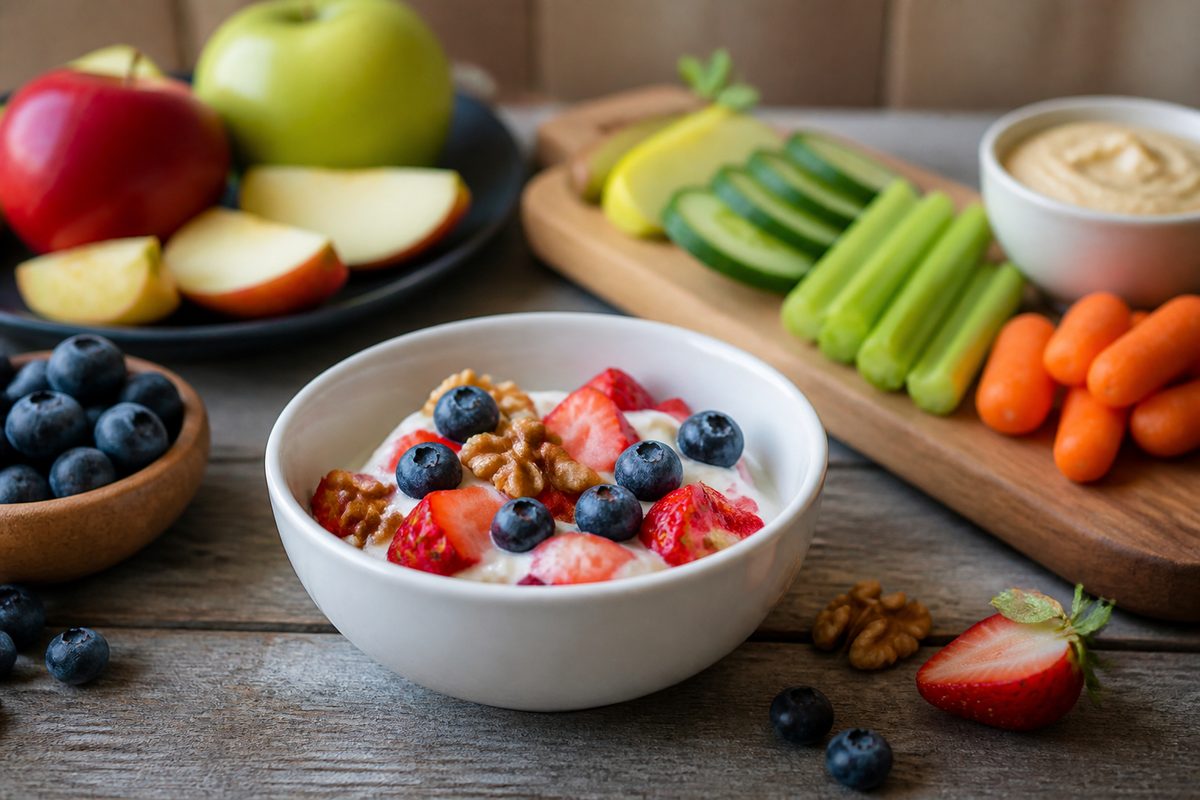
Choose one planned snack with protein, fibre, or high-volume produce, usually within a 100 to 200 Calorie range. Try Greek yoghurt, eggs, fruit with cottage cheese, vegetables with hummus, or a measured serve of roasted chickpeas. These foods can settle real hunger without taking up a large chunk of your daily energy budget.
If hunger returns within one to two hours of most meals, fix the meals before adding more snacks. A larger serve of lean protein, vegetables, legumes, or whole grains may keep you full much longer. Weight loss still needs an energy deficit, and people often don't make up for snack calories by eating less at their next meal.
Why can a small snack slow weight loss?
Snacks can seem harmless because each one feels small. Yet snacks provide close to one-third of daily energy intake, and many popular choices pack lots of energy with few useful nutrients. One biscuit here, a handful of crackers there. By day's end, your modest deficit may be gone.
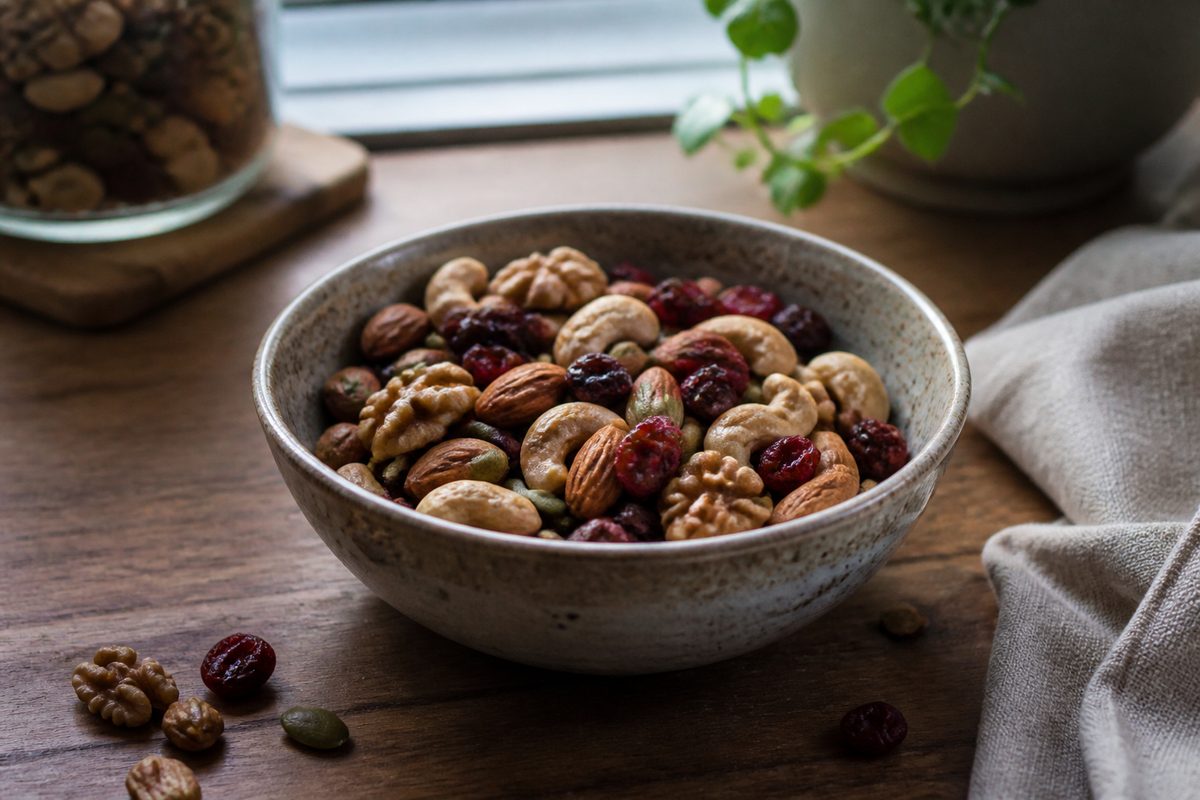
Portion size brings another risk. Larger portions tend to make people eat more without feeling equally full. That's easy to miss with nuts, cheese, granola, dried fruit, and nut butter. These foods can be part of a sound diet, but a loose handful or spoonful may hold far more energy than you think.
A snack should solve hunger at a known cost. Eating straight from the packet hides that cost. Put one portion in a bowl, close the packet, and sit down to eat. This simple line turns endless grazing into a clear choice.
Here's something many articles miss: a healthy label doesn't wipe out the energy in a food. Nuts are nutritious, but they're still energy dense. In a trial of 20 adults with overweight or obesity, a 250-kcal pecan snack did not reduce appetite or later food intake more than tortilla chips with the same calories.
The pecans did produce better glucose, insulin, PYY, and GLP-1 responses. The point is simple. Food quality matters for health, while portion size still matters for fat loss.
What makes a snack more satisfying for its calories?
A useful snack has at least one feature that helps you feel full. protein-rich snacks tend to be more filling. Fibre can slow eating and digestion. Water-rich produce adds plenty of bulk for little energy.
Volume counts because the stomach responds partly to how much food enters it. Low-energy-dense foods give you a bigger portion for fewer calories, which can cut total energy intake. An apple takes longer to eat and fills more space than a small sweet with similar energy. Cucumber, tomatoes, berries, melon, vegetable soup, and air-popped popcorn work in much the same way.
But no single nutrient can switch hunger off. Appetite comes from the body, brain, setting, and how tempting the food looks. Energy homeostasis is the body's way of matching energy intake with energy use over time.
A calorie deficit can make hunger signals stronger, especially when that deficit is large. The aim is to manage those signals well enough that your plan still works in real life.
Texture helps too. A snack that takes some chewing and several minutes to finish often feels more complete than a drink. Liquid calories can go down fast and leave little memory of eating. Whole fruit will usually do this job better than juice.
Which snacks offer the best trade-off between hunger and energy?
The best pick depends on your hunger and how long you have until the next meal. Use these options as flexible templates, not strict recipes:
- Plain Greek yoghurt with berries: The yoghurt brings protein, while berries add fibre, water, and sweetness.
- Cottage cheese with sliced tomato: You get a high-protein base and a generous serving with very little prep.
- One boiled egg with crunchy vegetables: The egg adds protein, and the vegetables stretch out the snack.
- An apple with a measured spoon of peanut butter: Fruit adds volume, while peanut butter makes it richer. Measure the spoon because the calories climb fast.
- Edamame: These young soybeans offer both protein and fibre, and they take time to eat.
- Roasted chickpeas: Portion them first because that crisp texture can make it easy to keep snacking.
- Vegetable sticks with hummus: Make vegetables most of the serving and measure the dip.
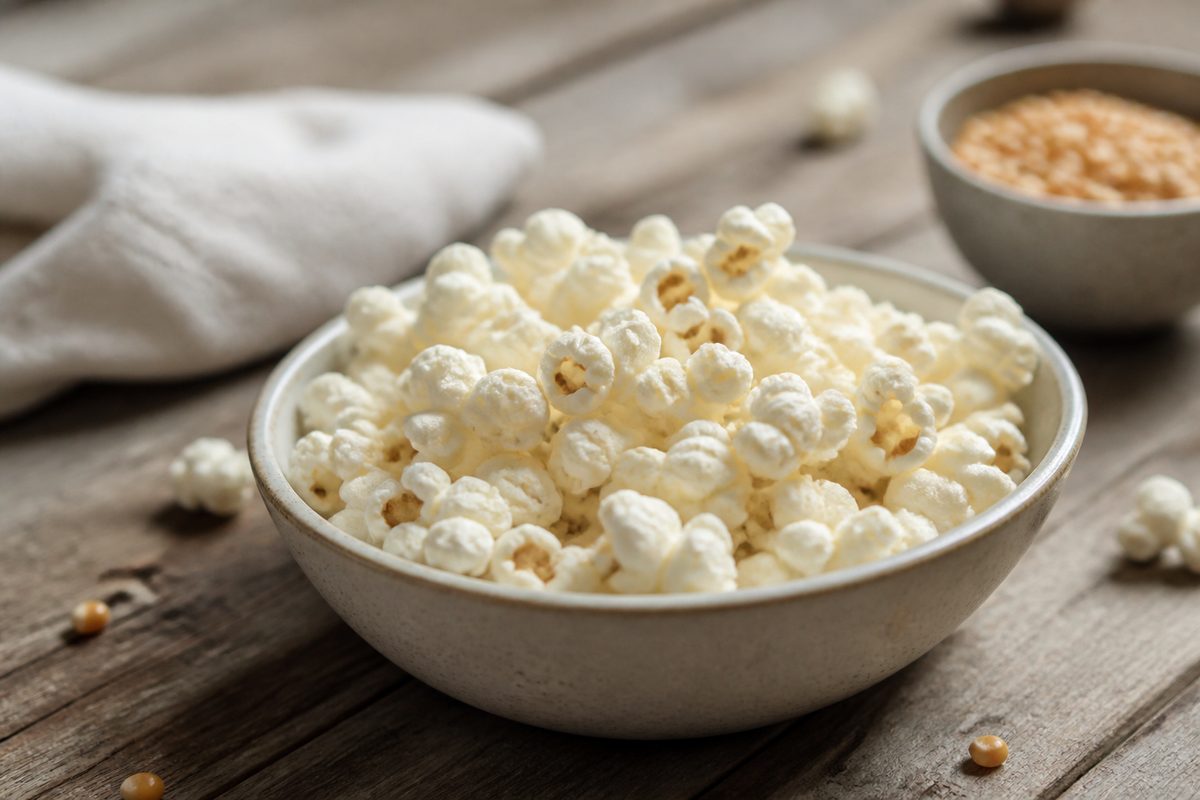
- Air-popped popcorn: A big-looking portion can still fit a modest energy budget if it isn't coated in butter, sugar, or oil.
Read the label when you buy packaged versions. Compare calories per serve, protein, fibre, and the listed serving size. Then ask yourself if that's how much you usually eat. A packet listing four serves is still four serves, even when it looks like one snack.
If your next meal is less than an hour away, fruit or raw vegetables may do the job. If the meal is several hours away, add a clear source of protein. Match the snack to what it needs to do.
How large should the portion be?
For many adults seeking weight loss, a snack around 100 to 200 kcal is a handy working range. It's a planning guide, not a fixed rule for everyone. Body size, activity, medical needs, meal timing, and the size of your energy deficit can all change what fits.
Stay near the lower end if the snack only needs to cover a short gap. Move toward the upper end when dinner is hours away or you've just finished hard exercise. Don't keep adding little extras because the first choice didn't satisfy you. Make one complete snack, eat it, and give fullness time to arrive.
A simple plate could pair a protein food with a larger helping of produce. For example, have a small tub of plain yoghurt with a cup of berries. Or try an egg with a bowl of sliced cucumber and capsicum. Exact numbers matter less than having a repeatable portion that fits your daily intake.
Divide energy-dense foods into portions when you're calm. Put nuts, trail mix, crackers, or roasted chickpeas into small containers. Open packets are much harder to manage when hunger hits. A ready-made portion saves you from making the same choice again and again.
Why does hunger keep returning soon after a meal?
Hunger soon after meals often means the meal has little staying power. A light salad with barely any protein may offer plenty of volume but not much lasting fuel. Plain toast can digest fast. Takeaway food may contain many calories yet very little fibre.
Check the meal before blaming your willpower. Look for a solid protein source, a useful amount of fibre-rich carbohydrate, and plenty of vegetables or fruit. Lean meat, fish, tofu, eggs, yoghurt, beans, lentils, oats, and whole grains can all help. You don't need every item at every meal, but the meal should feel complete.
Picture someone who eats two slices of plain toast at 7 am, then feels hungry at 9 am. Adding eggs and tomato may work better than setting aside a muffin for mid-morning. The new breakfast may contain more energy, but it could replace an unplanned snack and make the whole morning easier to control.
This is a reasoned example based on the fullness features above. It isn't proof that one breakfast will suit everyone.
Strict food limits can also cause hunger to return over and over. If every meal is tiny, no snack list will make the plan feel comfortable. A smaller deficit may mean slower weekly change, but it can be easier to stick with. A plan that survives a normal workday beats one that falls apart on the first rough afternoon.
How can you decide whether to eat now?
Do a quick hunger check. Ask when you last ate, whether your stomach feels empty, and whether a plain but suitable snack sounds good. Real physical hunger often grows slowly and accepts several kinds of food. A sudden urge for one exact treat is more likely to come from a cue, feeling, or habit.
This check should steer your choice, not test how tough you are. If you're hungry and the next meal is hours away, eat the planned snack. Waiting until you're ravenous can make portions harder to control.
If the urge showed up after seeing food, leaving a meeting, or sitting in front of the television, pause for ten minutes and switch the setting. Put food out of sight, make tea, or walk into another room. Still hungry? Eat. The goal is to tell a body signal apart from an automatic routine.
Don't use water as a cure for hunger. A drink helps when you're thirsty, but it can't replace food when your body needs it. Ongoing hunger calls for a meal review, not cup after cup of water.
What common snack mistakes waste the most calories?
The first mistake is picking a snack based on its reputation. Protein bars, smoothies, granola, and bliss balls may sound right for weight loss, yet some have as much energy as a meal. Trust the label, not the name.
Another mistake is stacking several small choices. A yoghurt, a few nuts, and a coffee drink can each seem fair on their own. Together, they make a large eating event. Choose what the snack includes before you start.
Exercise isn't an automatic reason to eat either. A regular walk or short gym session may not need extra fuel. If your normal meals meet your needs and you aren't hungry, you don't need a recovery snack.
After long or hard training, a planned snack with protein and carbohydrate may help. But it still has to fit the daily energy plan.
Mindless tastes count too. Bites while cooking, leftovers from a child's plate, and samples at work still give you energy. You don't have to track every crumb forever. But you do need a clear-eyed view of where those repeated extras slip into the day.
When does strong hunger need more than a snack plan?
Talk to a doctor or accredited practising dietitian if hunger feels extreme, comes with unusual thirst or frequent urination, causes faintness, or follows a major unexplained weight change. These signs may have causes that changing snacks won't fix.
Professional help also makes sense if cutting back on food leads to binge eating, vomiting, fear around meals, or strict rules that disrupt daily life. Trying for more control isn't the right move then. A qualified clinician can help you build a safer eating pattern.
People who are pregnant, breastfeeding, under 18, managing diabetes, taking glucose-lowering medicine, or living with a history of an eating disorder need personal guidance before starting a calorie deficit. General snack targets may not meet their needs.
What simple system makes better choices easier?
Pick a few snacks you enjoy, decide on the serving size, and keep them where hunger tends to find you. Store yoghurt at work, boiled eggs in the fridge, or measured roasted chickpeas in your bag. Planning shifts the choice away from the moment when hunger feels strongest.
Track what happens for one week. Write down the snack, the time, and whether it kept you satisfied until your next meal. Drop choices that lead to more grazing. Keep those that solve hunger and stay within your energy budget. Your own results are more useful than hunting for one perfect snack.
Your actionable takeaway: prepare one 100 to 200 calorie snack with protein, fibre, or high-volume produce today, then improve your meals if you keep needing it within two hours of eating.
Common questions
What to snack on when hungry and trying to lose weight?
Choose a filling snack like fruit with plain yogurt, vegetables with hummus, or a small handful of nuts. Pick a sensible portion and drink water too, since thirst can feel like hunger.
What should I eat when hungry but trying to lose weight?
Eat foods with protein and fiber, such as eggs, beans, chicken, vegetables, fruit, or whole grains. These foods help you feel full while giving your body useful nutrients.
What to do if you are hungry but want to lose weight?
Drink some water, wait a few minutes, and check whether you are truly hungry. If you are, eat a balanced meal or small healthy snack instead of skipping food.
How to lose 20 kg in 5 months?
Losing 20 kg in five months is a fast goal, so speak with a doctor or dietitian before trying it. Focus on balanced meals, smaller portions, regular activity, good sleep, and steady habits you can keep.Sources
What snack is filling but not fattening?
Read article →
What can I eat that will fill me up but is healthy?
Read article →
How to reduce MS symptoms?
Read article →
Can fasting help autoimmune disorders?
Read article →
Does fasting help male fertility?
Read article →