Will Ginger Break My Intermittent Fast? Here's the Direct Answer
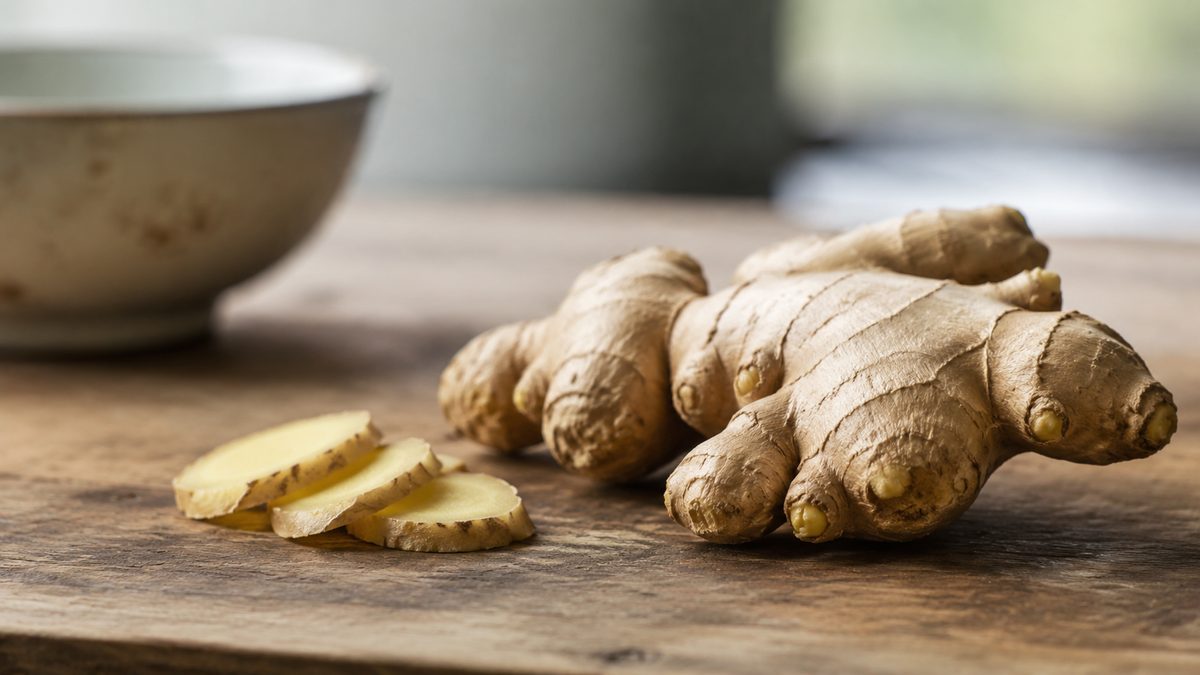
No. Ginger won't break your intermittent fast. Fresh ginger has roughly 2 calories per teaspoon. Ground ginger has about 6 calories per teaspoon. That's nowhere near enough to trigger an insulin response or pull your body out of fat-burning mode.
Ginger tea, ginger water, or a slice of fresh ginger root in hot water all stay safely within fasting rules. The only time ginger becomes a problem is when it comes paired with sugar, honey, milk, or other caloric additions. intermittent fasting practitioner
If you've been skipping ginger during your fasting window out of caution, you've been leaving one of the most useful fasting companions on the table.
Why Does This Question Come Up So Often?
Most people come to intermittent fasting without a clear rule for what actually breaks a fast. The general guideline from the research is straightforward: fasting means avoiding eating and drinking anything that contains calories.
That definition creates a grey zone for things like black coffee, herbal teas, and yes, ginger. When something tastes strong or feels medicinal, people assume it must be doing something metabolic.
Ginger tastes powerful. It feels active in your body. But taste and calorie content are two completely different things. A teaspoon of chilli won't break your fast either. What matters is the calorie and insulin load, not the intensity of flavour.
One of my clients asked me this exact question after three weeks of skipping her morning ginger tea. She thought she was being disciplined. What she was actually doing was making her fasting window harder than it needed to be, because ginger tea was the one thing that helped her manage morning hunger. Once she added it back in, her adherence to the full fasting window went up immediately.
What Actually Cancels Intermittent Fasting?
Fasting works through two main mechanisms. The first is keeping insulin low. When you eat carbohydrates or protein, your pancreas releases insulin to manage blood glucose. Insulin signals your body to store energy, not burn it. Fat burning requires insulin to be suppressed.
The second mechanism is AMPK activation. AMPK is a cellular energy sensor that switches on when your cells detect an energy deficit. It triggers autophagy, the process where your cells break down and recycle damaged components.
Both of these processes depend on your body staying in a calorie-restricted state during your fasting window. Fasting has been shown to reduce blood glucose, lower plasma insulin, and decrease insulin resistance measurably. It also triggers autophagy in liver tissue and cardiac muscle, which is part of why fasting has effects beyond simple weight loss.
What switches all of this off is a meaningful calorie or carbohydrate load. A meal does it. A protein shake does it. Juice does it. A teaspoon of ginger at 2 to 6 calories doesn't come close to that threshold.
The practical consensus among clinicians is that staying under 10 calories with no added sugars keeps you in a fasted state.
The things that reliably cancel a fast:
- Any meal or snack with substantial calories
- Sweetened drinks including fruit juice, soda, and sweetened coffee
- Milk or cream in meaningful amounts
- Protein powders or collagen supplements
- Honey, sugar, or sweetened ginger products
- Smoothies or blended foods
Plain water, black coffee, plain herbal tea, and unsweetened ginger preparations are not on that list.
Can You Drink Ginger Tea While Intermittent Fasting?
Yes. Ginger tea made by steeping fresh or dried ginger in hot water is fasting-safe. You're extracting the flavour compounds and a trace amount of gingerols and shogaols into the water. The calorie content is negligible, typically under 5 calories per cup.
In practice, ginger tea is actually one of the better tools for managing the fasting window. It gives you something warm and flavourful without breaking the fast. It can reduce the sensation of hunger during the morning hours. And it gives you the ritual of a hot drink, which matters more than people admit for sticking to a protocol.
The version to avoid is pre-packaged ginger tea with added honey, lemon syrup, or sugar. Some commercial ginger drinks marketed as "wellness" products contain 50 to 80 calories per serve from added sweeteners. Always check the label. If it has sugar, honey, agave, or any syrup listed, it will break your fast.
Does Ginger Stop Autophagy?
No, not at the amounts you'd use in tea or water. Autophagy is activated during fasting through AMPK and inhibited by mTOR, which gets switched on by amino acids and insulin. Autophagy has been documented in liver tissue and heart muscle during fasting, and repetitive fasting appears to strengthen these cellular cleanup processes over time.
To shut autophagy down, you need a meaningful protein or calorie load, not a few calories from ginger root.
Here's an angle that most articles miss entirely. Some research suggests the active compounds in ginger, particularly gingerols and shogaols, may actually support the metabolic conditions that fasting creates rather than work against them. Ginger has been studied for effects on insulin sensitivity and inflammatory markers, both of which are also improved by intermittent fasting. You're not fighting your fast when you drink ginger tea. You may be complementing it.
I want to be direct about what the evidence does and does not show. The research on fasting clearly establishes that caloric intake during fasting windows disrupts the metabolic benefits. It doesn't specifically study ginger at low doses. But the calorie math is clear enough that clinical reasoning gets you to a confident answer: 2 to 6 calories from ginger is not a metabolic event.
What About Ginger in Coffee or Other Fasting Drinks?
Ginger added to black coffee stays fasting-safe. Some people add a small piece of fresh ginger or a pinch of ground ginger to their morning coffee for the anti-inflammatory effect and the flavour. At those quantities, nothing changes about your fasted state.
Ginger added to water with lemon is also fine, provided you're not adding sugar or honey to it. Lemon juice in small amounts (a squeeze, not a cup) is similarly low in calories and doesn't meaningfully affect fasting.
Where people get into trouble is when the ginger is part of a larger preparation. A ginger smoothie breaks your fast. A ginger energy ball breaks your fast. A ginger shot made with apple juice or sweetener breaks your fast. The ginger itself isn't the issue. The company it keeps is.
Is Ginger Allowed During Fasting? A Practical Guide by Form
Fresh ginger root in hot water: Fasting-safe. Under 5 calories per cup.
Ground ginger in tea or water: Fasting-safe. Under 10 calories per teaspoon.
Ginger tea bags (unsweetened): Fasting-safe. Check the label for added ingredients.
Ginger shots from a shop: Check the label. Most commercial ginger shots contain apple juice or sugar and will range from 20 to 60 calories. These break a fast.
Ginger ale or ginger beer: Breaks your fast. High in sugar.
Ginger supplements or capsules: Generally fasting-safe as most contain negligible calories, but check for fillers or added oils in the capsule.
Ginger with honey and lemon: The honey breaks your fast. The ginger and lemon do not.
The Mistake Most People Make With Fasting Rules
Here's something that rarely gets said clearly. People often make their fasting window harder than it needs to be by applying zero-tolerance rules to things that don't matter metabolically. They avoid black coffee. They avoid herbal teas. They avoid ginger. Then they find the fast miserable and unsustainable and quit.
I remember one of my clients who had been white-knuckling a 16:8 fast for six weeks on nothing but water. She was miserable by hour 14 every single day. When we went through what she was actually avoiding, she had cut out black coffee, herbal teas, and anything with flavour on the assumption that all of it broke the fast.
Adding back black coffee and ginger tea in the morning changed her experience completely. She stopped dreading the fasting window.
The goal of intermittent fasting is to keep insulin suppressed and maintain caloric restriction during your fasting window. A cup of ginger tea doesn't compromise either of those goals. Treating your fast as a rigid water-only protocol when you don't need to is just making things harder for no metabolic benefit.
Frequently Asked Questions
Can I drink ginger while intermittent fasting?
Yes. Ginger in tea or water is fasting-safe. Keep it unsweetened and you're good.
Will ginger tea kick me out of ketosis?
No. Ginger tea at trace calorie levels won't affect ketosis. Ketosis requires a sustained low-carbohydrate state, and a few calories from ginger don't change that.
Can I have ginger and lemon water while fasting?
Yes, as long as you're not adding sugar or honey. A squeeze of lemon and fresh ginger in water is fasting-safe.
Does ginger have carbs that affect fasting?
Fresh ginger has about 0.5 grams of carbohydrate per teaspoon. At the quantities used in tea, this isn't enough to trigger an insulin response or disrupt fat burning.
What is the safest way to use ginger during a fast?
Steep a few slices of fresh ginger in hot water for 5 to 10 minutes. Drink it plain. That's the lowest-calorie, highest-benefit format.
Does ginger suppress hunger during fasting?
Many people find it does. Ginger is associated with reduced gastric motility, which can slow the sensation of an empty stomach. Whether that's a direct effect or a result of having something warm and flavourful to drink, the practical outcome is the same: it helps people stay in their fasting window longer.
What to Do Right Now
If you've been avoiding ginger during your fasting window, add it back tomorrow morning. Steep fresh ginger in hot water, drink it plain, and notice whether your fasting window feels more manageable.
If you're using a pre-packaged ginger product, read the label before your next fasting day and confirm there are no added sweeteners.
The rule is simple: stay under 10 calories, no added sugars, and your fast remains intact. Ginger fits comfortably inside that rule.
If you want a structured approach to intermittent fasting that accounts for individual metabolic differences and actually fits your lifestyle, that's where working with a practitioner makes the difference between guessing and knowing what works for your body specifically.Sources
What snack is filling but not fattening?
Read article →
What can I eat that will fill me up but is healthy?
Read article →
How to reduce MS symptoms?
Read article →
Can fasting help autoimmune disorders?
Read article →
Does fasting help male fertility?
Read article →