At what stage does prostate cancer cause pain?
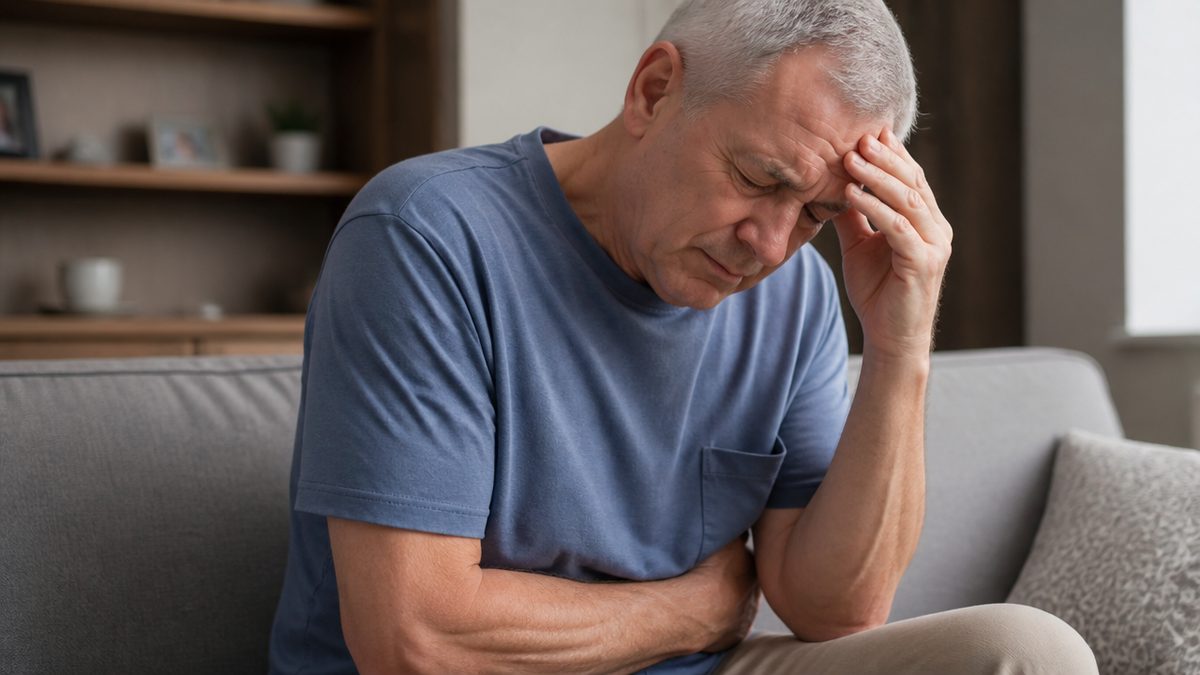
Prostate cancer usually causes no pain while it stays inside the prostate. Pain is more worrying when the cancer grows into nearby tissue or reaches stage IV and spreads to bone. Lasting pain in the spine, hips, pelvis or ribs needs a medical check, but pain alone can't show the cancer stage.
Some people with early prostate cancer have no symptoms. Others have urinary problems, which may come from cancer, an enlarged prostate or another condition. Doctors work out the stage using the prostate-specific antigen test, an examination, scans and biopsy results.
No pain doesn't rule out a neoplasm, and severe pain doesn't prove the cancer has spread.
Why can prostate cancer grow without causing pain?
A small tumour inside the prostate may not press against anything that feels pain. It can grow for some time without affecting the spinal column, pelvis, bladder outlet or nearby nerves. That's why prostate cancer may first show up as an abnormal prostate finding, not a painful symptom.
The prostate also sits deep in the pelvis. You can't feel a small change there as you might feel a lump near the skin. Pain often starts when growth affects tissue that sends a strong pain signal, blocks a normal body function or damages bone.
Here's the problem with waiting for pain: it's a poor way to watch for prostate cancer. Pain is a late clue in some cases. In others, it never appears.
Screening and diagnosis ask a different question. They look for signs of disease before the body gives a clear warning.
Prostate-specific antigen, often called PSA, is one part of this process. A raised PSA doesn't confirm cancer. Infection, swelling and benign prostate growth can also raise it.
A normal or lower result doesn't settle every case either. Doctors read it alongside age, changes over time, examination findings and other health details.
What type of pain raises more concern?
Lasting, unexplained bone pain needs attention, especially in the lower back, hips, pelvis, rib cage or upper legs. Prostate cancer has a strong tendency to spread to bone once it becomes advanced. But that doesn't mean every ache in these areas is cancer.
Strained muscles, worn joints and spinal problems are much more common causes.
The pattern matters more than one short burst of pain. A clinician will want to know if the pain:
- stays in one area or keeps returning
- gets worse over days or weeks
- wakes the person from sleep
- appears without a clear injury
- limits walking, lifting or normal movement
- comes with weakness, numbness or bladder changes
Pelvic pain may also happen when a tumour affects nearby tissue. Pain during ejaculation or discomfort while urinating, called dysuria, can have many causes. Prostatitis, a urinary infection and benign prostate enlargement can cause similar symptoms.
These signs need a medical check, but they don't set the cancer stage.
A useful rule is simple. New pain that lasts and has no clear cause should be checked by a doctor. This matters even more for someone with a prostate cancer diagnosis, a rising PSA or past treatment for the disease.
Why does cancer in bone hurt?
Bone is living, active tissue. It's always being broken down and rebuilt. When prostate cancer cells settle in bone, they disturb that process.
The link between cancer cells and the bone around them can help the tumour grow while changing the bone's structure.
These changes may irritate nerves, raise pressure inside the bone and weaken areas that carry body weight. This can cause a deep ache or sharp pain during movement. Some people say it feels unlike a familiar muscle strain because normal rest doesn't ease it.
Advanced bone disease can cause pathological fractures, which are breaks in weakened bone. It can also press on the spinal cord or nerve roots when disease affects the vertebrae. Bone metastases are a major cause of illness in advanced cancer, and some problems may need radiotherapy or other urgent treatment.
Research across advanced cancers found that major skeletal events happened more than once after advanced bone disease was present. That finding isn't a clock for someone with newly diagnosed prostate cancer. It describes problems after skeletal disease has developed.
It can't predict when one person will first feel pain.
Can the strength of pain reveal the cancer stage?
No. Pain strength isn't a reliable way to stage cancer. A small deposit in a sensitive spot may cause severe pain.
Wider metastasis can be present before pain starts. A person may also have severe back or hip pain from a condition unrelated to cancer while their prostate cancer remains localized.
This point often gets lost. Stage and suffering measure different things. Cancer staging describes where the disease is found and how far it has grown.
Pain describes what the person feels. The two may overlap, but they don't move in step.
The TNM staging system records the main tumour, nearby lymph nodes and distant metastasis. Doctors combine this information with the biopsy grade, PSA level and scan results. A pathology report can show how abnormal the cancer cells look.
Scans can reveal disease outside the prostate. A pain score can't replace any of these findings.
Stage II disease stays within the prostate under common staging systems, so it is often painless. Stage III disease has more growth in the local area and may still cause no pain. Stage IV disease includes spread to distant areas or certain advanced regional findings.
Bone pain is more concerning at that point. Even so, doctors can find stage IV cancer before painful symptoms begin.
Could urinary symptoms explain the pain instead?
Yes. Trouble passing urine can cause lower belly discomfort or painful pressure. Urinary retention happens when the bladder can't empty properly.
A blockage near the prostate may play a part, but cancer is only one possible cause.
Common urinary symptoms include a weak stream, trouble starting, frequent toilet trips and the sense that the bladder hasn't emptied. Burning during urination may suggest infection or swelling. Blood in urine or semen also needs a medical check.
These symptoms don't prove that prostate cancer has become advanced. Benign prostate enlargement becomes common with age and can press on the urethra. Medicines, nerve problems and infection can also stop the bladder from emptying well.
A clinician may check the abdomen, urine, prostate and how much urine remains in the bladder after you go.
A sudden inability to pass urine needs urgent care. Pain can rise fast as the bladder fills. Quick treatment eases the pressure and helps protect the urinary system while doctors look for the cause.
When does pain need emergency care?
Back pain is an emergency when it comes with new leg weakness, numbness around the buttocks or genitals, loss of bladder control or loss of bowel control. These signs can appear when pressure affects the spinal cord or nearby nerves. Advanced bone disease can cause spinal compression.
Don't wait for a routine appointment if these symptoms appear. The person needs urgent care because nerve damage may become permanent. Sudden, severe pain after a small movement or fall also needs quick care, as weakened bone can break.
Other reasons to get fast medical help include being unable to urinate, severe confusion, marked drowsiness or pain that prescribed medicine can't control. These problems can have several causes. Urgent care aims to find the cause before more harm occurs.
How do doctors work out what is causing the pain?
The check starts with the story of the pain. The doctor asks where it began, what it feels like and whether movement changes it. They also ask about urinary symptoms, past PSA results, weight changes, cancer history and current medicines.
A physical examination checks the sore area, strength, feeling and reflexes if nerve pressure is possible. A prostate examination may offer useful clues, though it can't find every cancer. Blood and urine tests can look for signs of prostate disease, infection or another cause.
Doctors choose scans based on the question they need to answer. A scan may check the bones, nearby organs or spinal column. If they suspect prostate cancer, a biopsy may be needed to confirm it and describe the cancer grade.
The stage comes from all the findings together, not one scan or symptom.
This step helps prevent two harmful mistakes. The first is assuming a common back problem must be metastatic cancer. The second is brushing off lasting bone pain because it feels like an old strain.
A clear diagnosis points to the right treatment.
What can be done when prostate cancer causes pain?
Treatment aims to control the cancer, ease pain and protect movement. The plan depends on where the disease is found, past treatment and the person's overall health. Cancer treatment may shrink or slow tumour deposits.
Local treatment may target a painful spot in the bone. Pain medicine can provide comfort while the cancer treatment starts working.
Doctors may also check the risk of a fracture when a weight-bearing bone is affected. A weak area sometimes needs extra protection. Spinal symptoms may call for urgent scans and fast treatment to ease pressure on nerves.
Movement still matters, but the safe type changes when bone is weak. Someone with suspected or confirmed bone metastasis should get medical clearance before heavy lifting, running or forceful twisting. A qualified exercise professional can then work within the medical plan.
The aim is to keep useful strength and daily function without putting strain on a weak spot.
One practical issue is easy to miss: hiding pain to finish a workout can delay a medical check. Soreness from exercise should ease and follow a clear activity pattern. Pain that grows, wakes someone at night or stays in one spot without a clear training cause should be reported.
What should you record before the appointment?
A short symptom record helps the clinician spot patterns that memory may blur. Write down where the pain is, when it started and what makes it better or worse. Note any night pain, weakness, numbness or urinary changes.
Include recent injuries and new exercise loads.
Bring past PSA results if you have them. A trend may tell the doctor more than one number on its own. List current medicines and any past prostate biopsy, scans or treatment.
Don't stop prescribed medicine to see whether the pain changes unless the prescriber tells you to.
A symptom diary can't diagnose cancer, but it can help the doctor ask the right questions sooner. It also helps separate a stable, familiar ache from a new pattern that needs checking.
What matters most if you are worried about pain?
Prostate cancer is often painless while localized. Pain becomes more concerning when the disease affects nearby structures or spreads to bone. Still, symptoms can't confirm the stage.
Common back, hip and urinary problems can feel much the same, while metastatic disease may cause little pain at first.
Book a medical assessment for persistent unexplained spine, hip, pelvic or rib pain, and seek urgent care now if it comes with weakness, numbness or loss of bladder or bowel control.
Common questions
How do you know if prostate cancer has spread?
Tests such as scans, blood tests, and a tissue sample can show if prostate cancer has spread. Possible signs include bone pain, weight loss, tiredness, or trouble passing urine, but only a doctor can confirm the cause.
How bad is stage 2 prostate cancer?
Stage 2 prostate cancer is still inside the prostate and has not spread to other parts of the body. It is often treatable, and many people live for many years after diagnosis.
How long can you live when prostate cancer spreads to bones?
Many people live for several years after prostate cancer spreads to the bones, but each case is different. Treatment can slow the cancer, ease pain, and help people live longer.
How bad is stage 4 prostate cancer?
Stage 4 prostate cancer is serious because it has spread outside the prostate, often to the bones or other organs. It usually cannot be cured, but treatment can control it, reduce symptoms, and extend life.Sources

What snack is filling but not fattening?
Read article →
What can I eat that will fill me up but is healthy?
Read article →
How to reduce MS symptoms?
Read article →
Can fasting help autoimmune disorders?
Read article →
Does fasting help male fertility?
Read article →